
How To Hook A Worm On A Fishing Hook
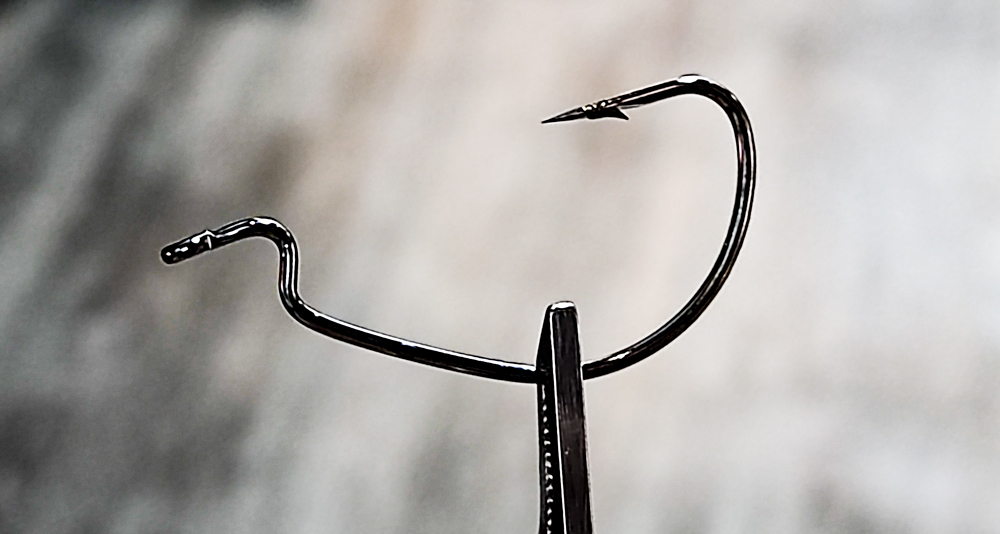
Ever stared at a wriggly worm and thought, "How on earth do I get this little guy onto this sharp, pointy thing without losing a finger or the worm doing a vanishing act?" Oh, believe me, you're not alone! This is a rite of passage for anyone dipping their toes (or rather, their fishing rod) into the wonderful world of angling. It might seem a little… slimy at first glance, but trust me, mastering this simple skill is your golden ticket to unlocking a whole new level of outdoor fun. Think of it as your first secret handshake with nature!
So, let's ditch the intimidation factor and dive headfirst (metaphorically, of course!) into the art of worm-hooking. It’s not rocket science, but it does require a smidge of finesse and a whole lot of a positive attitude. And who knows, by the time we're done, you might even find it… dare I say it… satisfying?
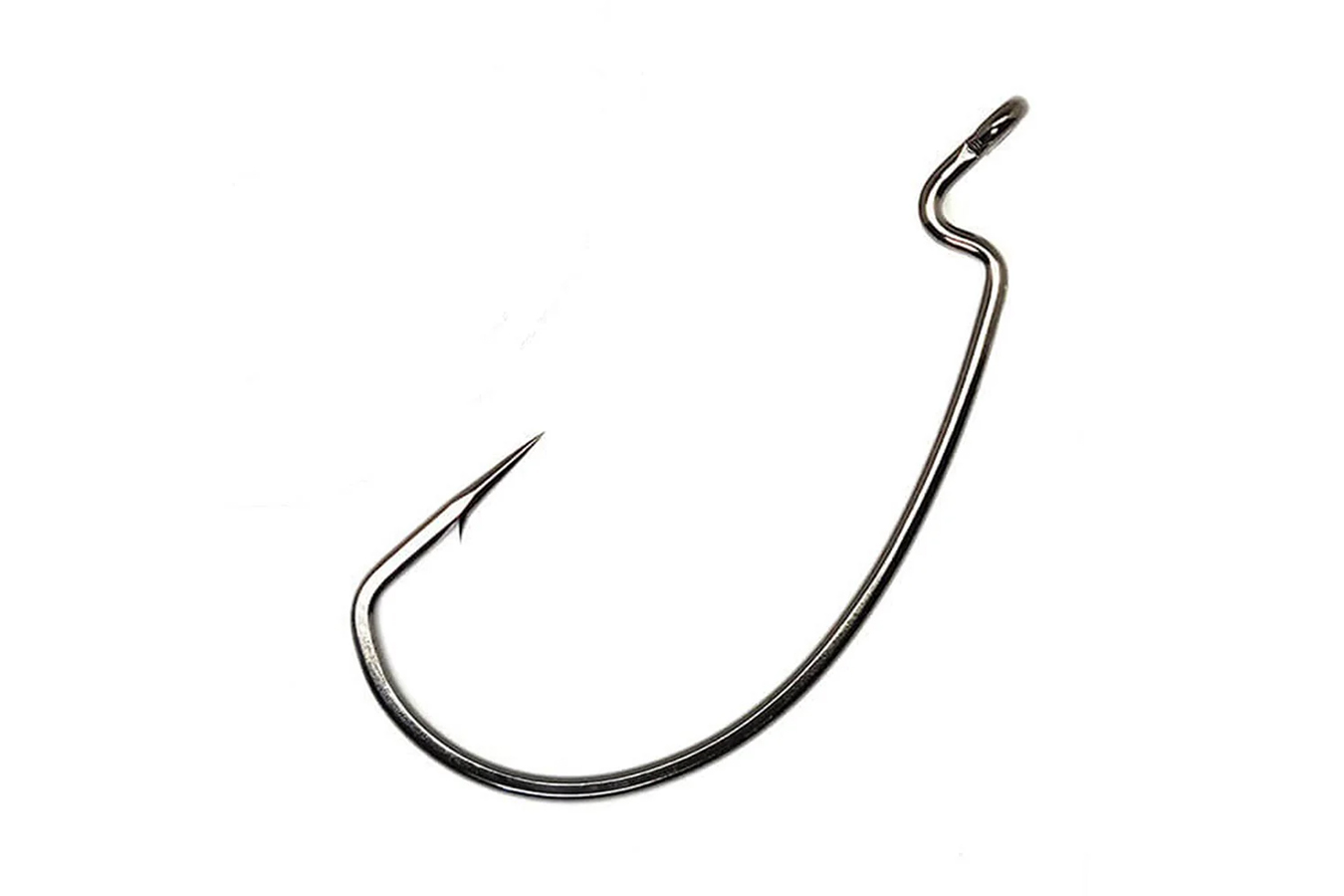
First things first, you need your essential tools. This means a handful of lively worms (the fresher, the better, for both you and the fish!), and your trusty fishing hook. Now, hooks come in all sorts of shapes and sizes, but for the classic worm-fishing adventure, you’ll likely be using a standard bait hook. Think of it as the workhorse of the fishing world. Don't stress too much about the exact size right now; your local tackle shop expert will be happy to guide you.
Getting Your Hands (Literally!) Dirty
Okay, deep breath. It’s time to get acquainted with your bait. Gently pick up a worm. They’re surprisingly resilient, these little chaps. Don’t squeeze them to oblivion! A gentle pinch between your thumb and forefinger is all you need. If you’re feeling a bit squeamish, a pair of thin, disposable gloves can be your best friend. No shame in that game! Some anglers even swear by keeping their hands slightly damp – it helps the worm feel a bit more… comfortable, I suppose? And a comfortable worm is a more effective worm.
Now, let’s talk about the hook. You’ll notice it has a shaft (the long bit) and a point. The goal is to get the worm onto the shaft, with the point of the hook ending up either hidden inside the worm or peeking out just enough to catch a curious fish. The "why" behind this is simple: you want the worm to stay on the hook during your cast and while it’s doing its underwater dance. We don't want any accidental worm-bailouts!
The "Wiggle and Weave" Technique
This is where the magic happens, folks! Imagine you're threading a very small, very wiggly noodle. The most common and effective method is to find a fleshy part of the worm – usually around its middle – and gently push the point of the hook into it. Don't be shy, but don't be brutal either. Think of it as a gentle piercing. Once the point is in, slowly begin to draw the worm onto the shaft of the hook.
This is where the "wiggle and weave" comes in. As you push the worm up the hook, it will naturally try to wriggle away. This is your cue to use that gentle pressure and coax it along. You might need to bend the hook slightly or adjust your grip to guide the worm. The idea is to get as much of the worm's body onto the hook as possible. Why? Because a fish sees a substantial meal, not just a tiny sliver of bait! More worm equals more intrigue for the underwater residents.
One common mistake is only hooking the worm once, right at the head. While this might seem easy, it leaves a lot of the worm exposed and vulnerable to being nibbled off without a proper bite. Plus, it doesn't look as appealing. We want a full-bodied, enticing worm, don't we? Think of it like dressing up for a party – the more effort you put in, the more you stand out!

A great tip is to thread the worm back and forth along the hook a couple of times. This creates a nice, bunched-up presentation that’s both secure and attractive. Imagine a little worm-sandwich on your hook! It gives the fish something to really get their teeth into. You can even loop the worm around the bend of the hook for extra security. It’s all about creating a robust and appealing bait.
What about those super long, skinny worms? They can be a bit trickier, but the same principles apply. You might need to fold them in half before threading them onto the hook. This makes them more compact and easier to manage, while still presenting a good amount of bait. Don't let length intimidate you; just adapt your technique!

Troubleshooting: When Worms Go Rogue
So, what if your worm has other plans and keeps trying to escape? Happens to the best of us! If your worm is being particularly stubborn, try nudging it towards the hook with the tip of your finger or the hook itself. Sometimes, a slight change in angle or a bit more gentle encouragement is all it takes.
If the worm is just too slimy and you’re really struggling, consider using a worming tool. They’re little gadgets designed to help you thread worms onto the hook more easily. It’s not cheating; it’s smart angling! Think of it as having a little helper for your baiting duties.
And if all else fails, and you end up with a slightly mangled worm? Don’t despair! Even a slightly less-than-perfectly-hooked worm can still do the job. Fish aren't always discerning critics of bait presentation. Sometimes, the movement and scent are enough to pique their interest. The key is to keep trying. Every attempt is a learning experience, and with each cast, you’re getting better.

The Joy of the Catch (and the Bait!)
Why is this seemingly small act so important? Because it’s your direct connection to the act of fishing. It’s you, the bait, and the anticipation of what lies beneath the surface. It’s a moment of quiet focus before the excitement. It’s about preparing your offering, a small gift to the aquatic world.
Learning to hook a worm successfully means you’re one step closer to the thrill of a tug on your line, the surprise of what you’ve caught, and the pure, unadulterated joy of being outdoors. It’s about embracing a skill that has been passed down through generations, a simple yet profound connection to nature.
So, the next time you find yourself with a worm in one hand and a hook in the other, remember this: you’ve got this! It might be a little messy, it might be a little wiggly, but it’s also incredibly rewarding. Embrace the process, have a laugh at any slippery mishaps, and enjoy the journey. The water is waiting, and your adventure is just beginning. Go forth and hook some fun!