
How To Keep Stainless Steel Cookware Clean
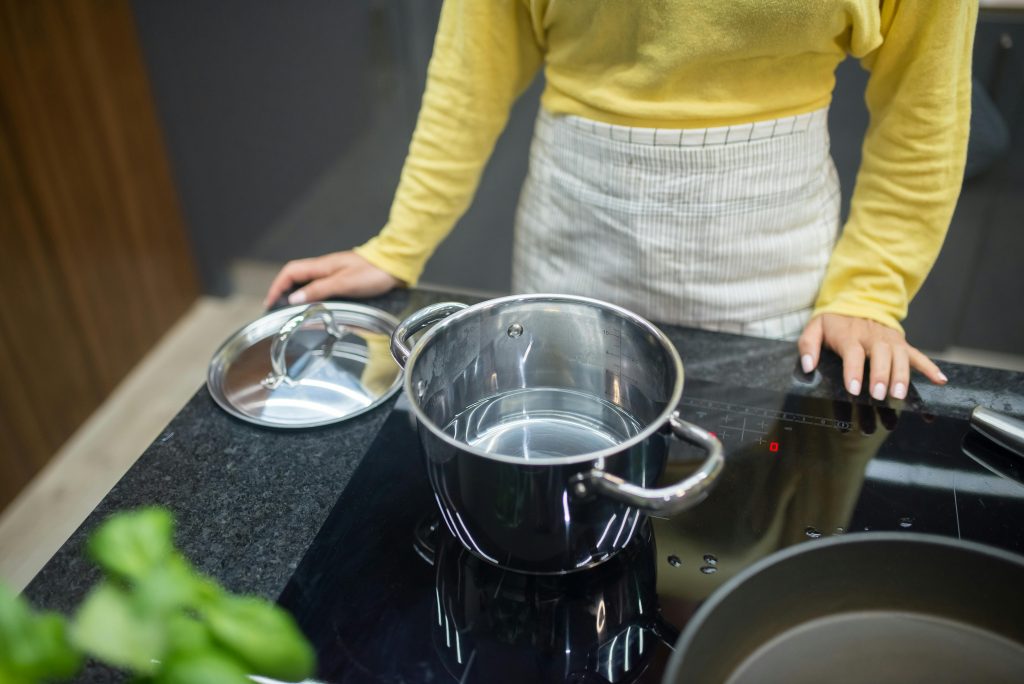
Hey there, fellow kitchen warrior! So, you've got those gorgeous, shiny stainless steel pans, right? The ones that look like they belong in a magazine spread? Yeah, I get it. They're pretty amazing. But sometimes, after a particularly… enthusiastic cooking session, they can look a bit less "magazine" and a bit more "science experiment gone wrong." Don't worry, we've all been there. It's like, how do these things get so stubbornly sticky, anyway?
Let's chat about how to get them back to their gleaming glory. Think of me as your friendly neighborhood stainless steel whisperer. No scary chemicals, no industrial-strength scrubbing that’ll make your knuckles weep. Just some good old-fashioned tips and tricks that’ll have your pans shining like new. Ready to dive in? Grab your coffee (or tea, or whatever your beverage of choice is!) and let's get this done.
The Daily Grind: Keeping it Clean Before the Disaster
Okay, so the absolute best way to keep your stainless steel looking fabulous is to, you know, actually keep it clean. Revolutionary, I know! But seriously, don't let food bits cement themselves to the bottom like ancient hieroglyphs. It’s all about a little love after each use.
Right after you finish cooking – and please, try not to let it sit there for days like a forgotten relic – give your pan a quick rinse with hot water. Just a quick swish. This is often enough to loosen up most of the immediate gunk. Think of it as a pre-wash, saving you a whole heap of trouble later.
Then, when it's cool enough to handle (we don't want any impromptu fingerprint art on your face, do we?), grab your trusty sponge. A non-abrasive one, naturally. We’ll get to the tough stuff later, but for everyday cleaning, a little dish soap and some gentle scrubbing will do the trick. Wash it like you would any other dish, making sure to get all the corners and crevices. Don't be shy!
And here’s a pro-tip, a little secret weapon: dry your pans immediately after washing. Yes, I know, who has time for that extra step? But trust me, it makes a HUGE difference. If you let them air dry, you're just inviting those lovely water spots. They’re like the tiny, annoying barnacles of the kitchen world. A quick buff with a soft towel (an old tea towel is perfect) will leave your pans streak-free and looking chef’s kiss.
The Dreaded Stuck-On Bits: When a Simple Wash Isn't Enough
So, you forgot, or you cooked something particularly… challenging. We’ve all been there. That stubborn, burnt-on mess that just laughs in the face of your sponge. Don't panic. This is where we get a little more strategic. Think of it as a culinary puzzle, and we’re about to solve it.
First up, the most common and often most effective weapon in our arsenal: hot water and soap, with a little patience. Fill your pan with hot water, add a good squirt of dish soap, and let it soak. Seriously, just let it sit there for a while. An hour, maybe even overnight if it’s a real beast. This rehydrates the stuck-on bits and makes them far more amenable to being removed. It's like giving them a nice, long bath before you have to deal with them.
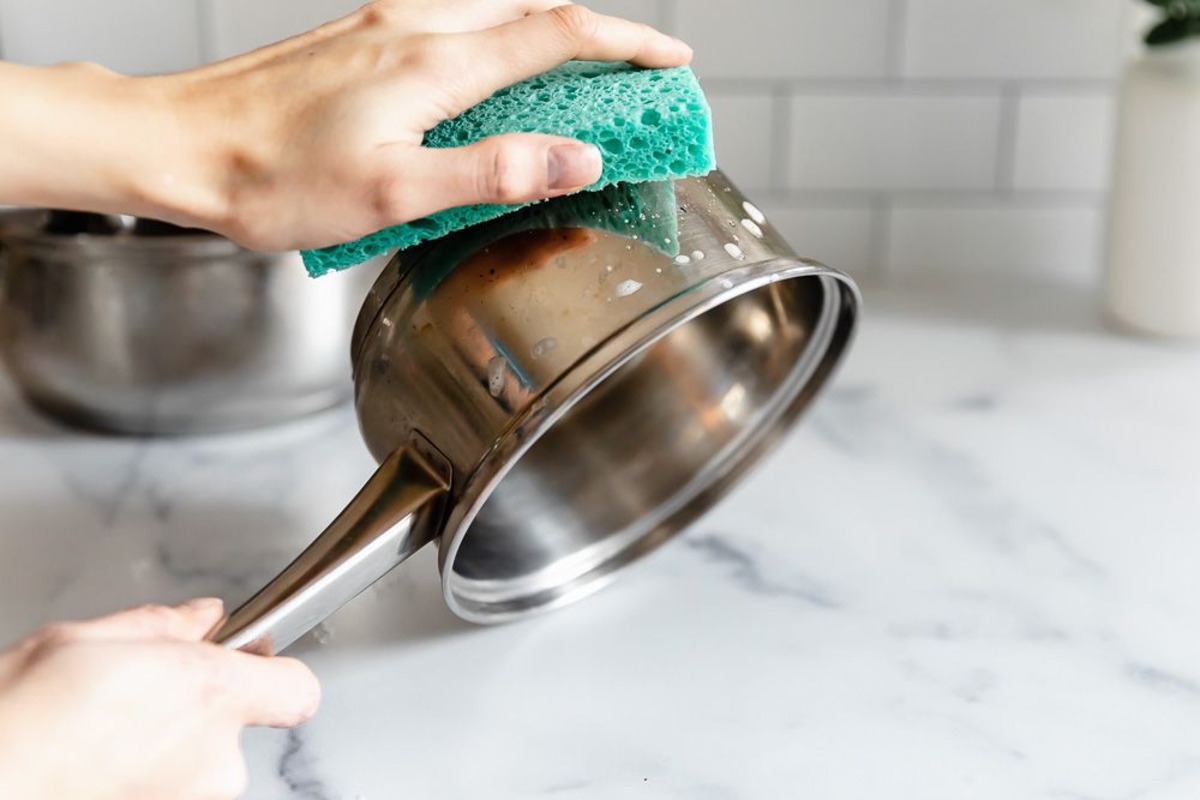
After soaking, try scrubbing again with your non-abrasive sponge. If that’s still not cutting it, it’s time to bring out the big guns. But don’t worry, they’re not that big. Or scary. For moderately stubborn messes, a paste of baking soda and water is your best friend. Baking soda is a mild abrasive, but it’s gentle enough not to scratch your precious stainless steel. Just mix it to a paste – think toothpaste consistency – spread it on the offending areas, and let it sit for a bit. Then, scrub gently.
If you’re feeling brave and the baking soda isn’t quite doing the job, a little bit of vinegar can work wonders. Vinegar is acidic, and acids are great at breaking down food residues. You can either add a splash of vinegar to your baking soda paste, or you can try boiling a little vinegar in the pan. Just pour in enough vinegar to cover the burnt-on bits, heat it gently, and let it simmer for a few minutes. Then, let it cool, pour out the vinegar, and scrub. Be warned, your kitchen might smell like a pickle factory for a bit, but the results are worth it. Just make sure you have good ventilation!
The Rainbow Effect: Banishing Those Annoying Heat Stains
Ah, heat stains. Those ghostly rainbow-colored marks that appear on your pans, usually on the bottom, looking rather… uninvited. What are they, anyway? Basically, they're a reaction between the metal and the heat, often exacerbated by certain minerals in your water or food. They don't affect the performance of your pan, but they do mess with that pristine, uniform look we love.
Don't you just hate those? Like, you cooked a perfectly good meal, and then BAM! Your pan looks like it had a psychedelic moment. The good news is, they're usually pretty easy to get rid of. And again, we're sticking with our trusty household heroes.
The magic ingredient here is usually vinegar. Seriously, vinegar is like the Swiss Army knife of stainless steel cleaning. You can use it in a couple of ways. For lighter stains, simply pour a bit of white vinegar onto a cloth and rub the affected area. You might need to give it a bit of elbow grease, but it should start to disappear.
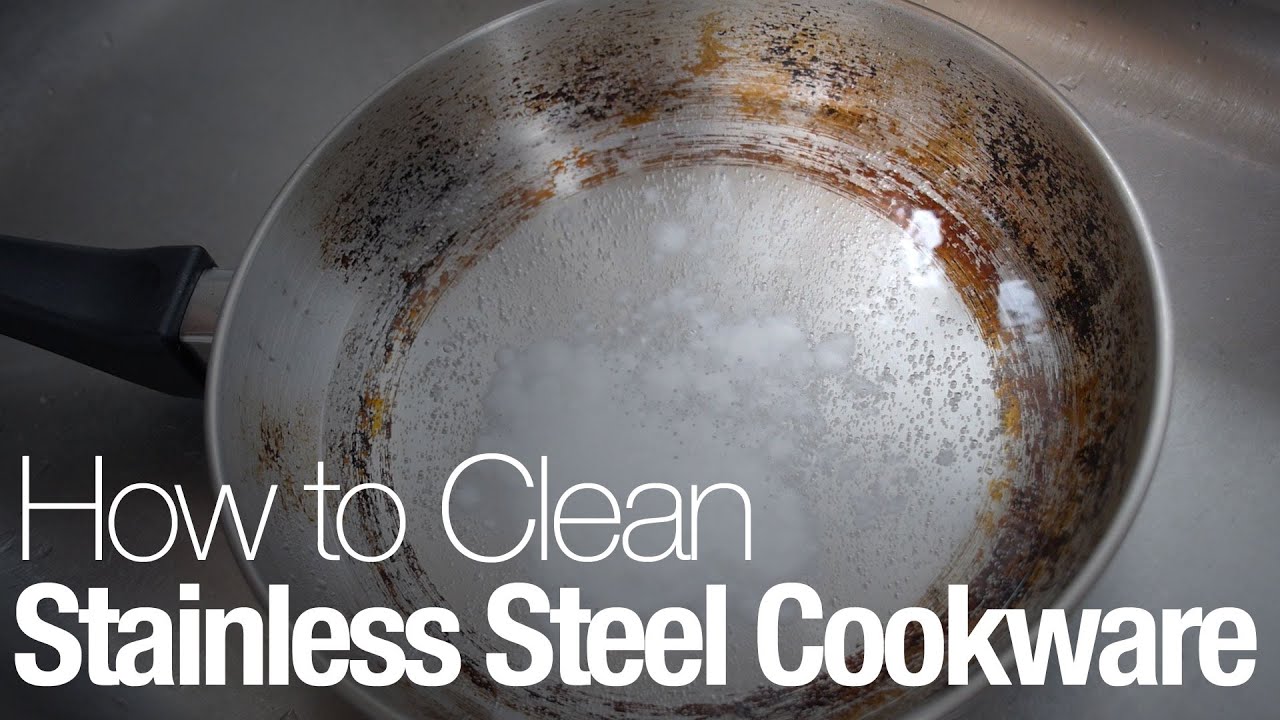
For more stubborn heat stains, you can try the boiling method again. Pour enough white vinegar into the pan to cover the stained areas. Heat it gently until it’s warm, then let it sit for a while. After it’s cooled down, pour out the vinegar and wash as usual. You might be amazed at how those colors just… vanish.
Another option, if you want to go the paste route, is a mix of vinegar and baking soda. Make a paste, apply it to the stains, let it sit for a bit, and then scrub gently. It’s a double whammy of cleaning power! Remember, gentleness is key here. We want to remove the stains, not the shine.
The Ultimate Shine: Getting That Mirror Finish Back
Okay, so you've tackled the stuck-on bits, you've banished the heat stains. Now, how do we get that glorious, mirror-like shine back? It’s all about that final polish. Think of it as giving your pans a spa day. They deserve it after all their hard work!
After you’ve washed and rinsed your pan thoroughly, make sure it’s completely dry. I cannot stress this enough. Water spots are the sworn enemy of a gleaming finish. So, get your softest towel and buff it. Yes, buff. Imagine you're trying to make your pan so shiny you can see your reflection. Work in circular motions. It might sound a bit silly, but it really does make a difference.
For an extra boost of shine, you can try a tiny amount of stainless steel cleaner. Now, I know I said no scary chemicals, and most stainless steel cleaners are pretty mild. Just make sure you get one that’s specifically for cookware, and always follow the instructions on the bottle. A little goes a long way. Apply it to a clean, dry cloth, and then buff your pan. It’s like giving it a little protective coating and a serious dose of sparkle.
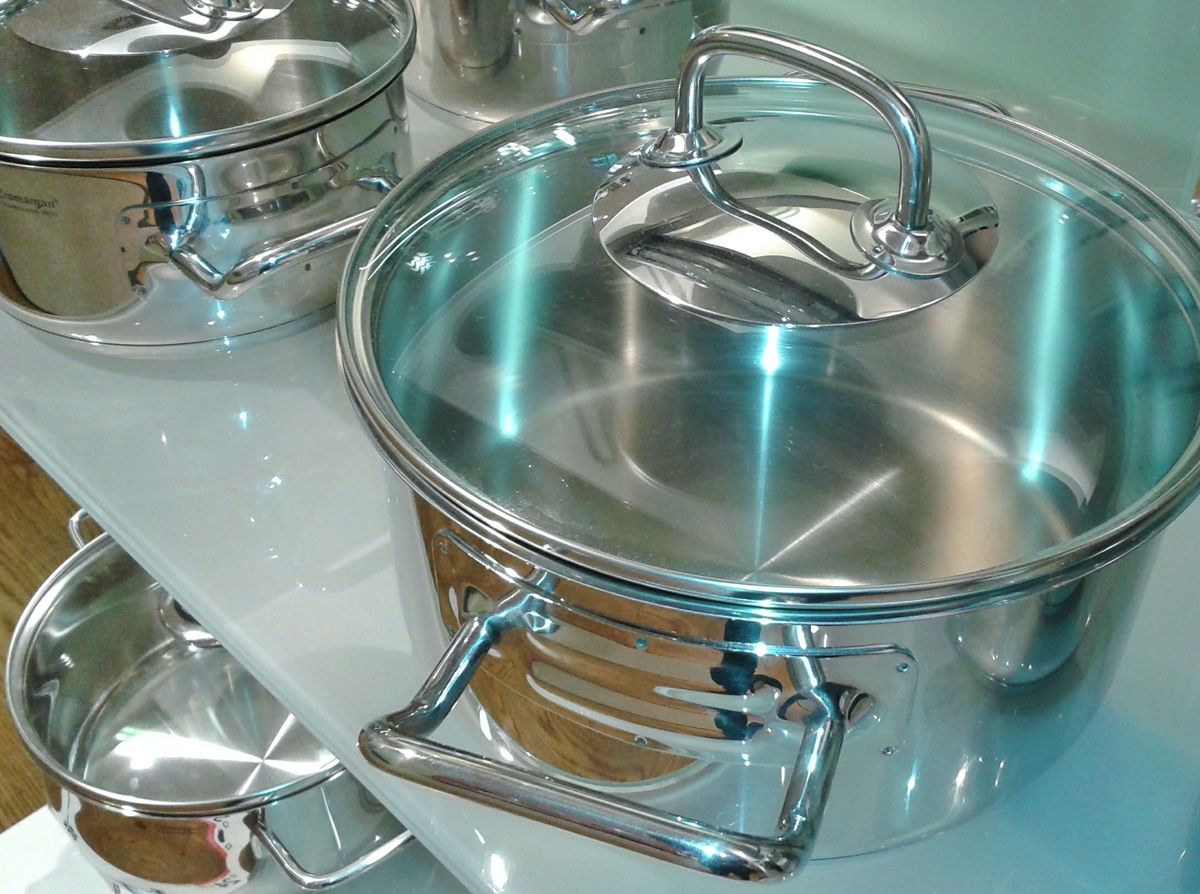
Another old-school trick for shine is a tiny dab of olive oil. Yes, oil on a pan! Sounds weird, right? But after you’ve washed and dried it, put a minuscule amount of olive oil on a clean cloth and buff the pan. It helps to fill in any microscopic scratches and makes the surface look incredibly smooth and shiny. Plus, your pan will smell vaguely delicious. Just be sure to use a very, very small amount. We’re not trying to make it greasy, just… lustrous.
Things to AVOID Like the Plague (Seriously!)
Now, for the crucial stuff. What not to do. Because some things can actually damage your beautiful stainless steel, and we definitely don’t want that. Think of these as the culinary red flags.
First and foremost: steel wool and abrasive scrub pads. I know, I know, it’s tempting when you have a really stubborn mess. But these guys will scratch your pans. They’ll create little grooves where food can get stuck even more easily in the future. And those scratches? They’re pretty much permanent. So, unless you're going for a distressed, industrial chic look for your cookware, steer clear.
Next up: harsh chemicals like oven cleaner or bleach. These are just overkill for stainless steel, and they can actually discolor or even damage the metal. Your pan isn’t a pizza oven or a toilet bowl, so let’s keep the heavy-duty stuff away from it. Stick to the gentler methods we’ve discussed.
Also, try to avoid letting salt sit in a dry pan for extended periods. Salt is abrasive, and when it’s heated without liquid, it can cause pitting on the surface. So, if you’re going to salt your food, make sure there’s some liquid in the pan or that you’re stirring it in. It’s a small thing, but it can make a difference.
:max_bytes(150000):strip_icc()/JF_HowtoCleanStainless-SteelPans-Primary-2333-a48111a5f66743258d00fd8172b32cac.jpg)
And lastly, try not to go from extreme heat to extreme cold too quickly. Like, don't plunge a searing hot pan into ice water. This can cause warping. It’s just not good for the metal. Let your pans cool down a bit before washing them, especially after a high-heat sear. Patience is a virtue, especially in the kitchen.
The Ongoing Relationship: Building Good Habits
Keeping your stainless steel looking its best isn't a one-time fix; it's an ongoing relationship. It’s about building good habits. Think of it like watering your plants – a little bit of care regularly keeps them thriving. So, make that quick rinse and towel dry a part of your post-cooking routine.
When you’re cooking, try to use the right amount of heat. Overheating can lead to more stubborn messes. And for sticky foods, a little bit of oil or butter can go a long way in preventing them from sticking in the first place. It’s all about prevention, my friends!
If you do get a really tough stain, tackle it sooner rather than later. The longer it sits, the harder it becomes. It’s like procrastination, but for pans. And we all know how that usually turns out, right?
So, there you have it! A few simple tricks to keep your stainless steel cookware looking as good as the day you bought it. It's not rocket science, just a little bit of know-how and some gentle TLC. Now go forth and conquer those kitchen messes! Your shiny, happy pans await.