
How To Know If Piercing Is Healing
My friend Sarah called me in a panic. Again. This time, her brand-new nostril piercing had decided to stage a rebellion. It was red, puffy, and seemed to be actively weeping. "Is it infected? Is it angry? Should I take it out? Oh my god, I’m going to have a permanent scar!" she wailed down the phone, the sound of her frantic breathing almost making me want to rip out my own carefully healed helix. I, of course, calmly (internally, I was doing a frantic Google search and muttering about saline sprays) reassured her that it was probably just a little grumpy and likely nothing to worry about. And guess what? She’d just over-cleaned it. Classic Sarah.
It’s funny, isn't it? We all want those shiny new bits of metal adorning our bodies, those little statements of rebellion or self-expression. But the moment things get a little bumpy in the healing process, our minds immediately jump to the worst-case scenario. We envision gaping wounds, permanent damage, and the judgmental stares of everyone who notices our slightly inflamed lobe. But usually, it’s not the zombie apocalypse happening in your earlobe. More often than not, it’s just your body doing its thing – healing. And that's where the confusion often lies. How do you actually know if your piercing is healing well, or if it’s throwing a full-blown tantrum?
The Great Piercing Mystery: When Is It Just "Normal" and When Is It "Uh Oh"?
Ah, the million-dollar question. You stare at your new piercing, scrutinizing every tiny detail. Is that slight redness normal? What about that little bit of crust? Is it supposed to feel that tender? It's like being a detective in your own body, except the evidence is often sticky, a bit smelly, and frankly, a little gross. But fear not, fellow piercing enthusiasts! We’re going to break down the signs of a happy, healing piercing and the red flags that might mean it’s time to consult a professional. Think of this as your personal piercing survival guide.
The Happy Healing Dancer: Signs of a Contentious Cavity
Let's start with the good stuff. What does a piercing that's humming along nicely look and feel like? It’s not always a completely pain-free experience, mind you. Your body is literally creating a tunnel through living tissue. That’s kind of a big deal, even if it’s tiny. So, a little bit of tenderness is to be expected, especially in the first few weeks.
Mild Tenderness: If touching it makes you wince a little, that's generally par for the course. It shouldn't be a throbbing, agonizing pain that keeps you up at night. Think more of a "ooh, don't poke that too hard" kind of feeling. If it feels like it's on fire, or if even the slightest brush sends jolts of pain through you, that's a different story. But that initial "ouch, that's new" sensation? Totally normal.
Slight Swelling: Some swelling is also your body's natural inflammatory response. It’s like a little party thrown by your immune system to get the healing process underway. You might notice your piercing looks a bit plumper than when you first got it. Again, this shouldn't be alarmingly large. If your jewelry is sinking into the flesh, or if the swelling extends significantly beyond the immediate piercing site, that's when you start to raise an eyebrow. But a bit of puffiness around the hole? Meh, it's probably fine.
Clear or Whitish Discharge: This is the one that freaks people out the most, isn't it? That crusty stuff that forms around the jewelry. Good news! If it's clear, white, or a pale yellowish color, and it dries into a crust, that's usually just lymph fluid. Your body is secreting this to help protect the wound and aid in healing. It’s like a natural Band-Aid. Just gently clean it off with saline solution, and don't pick at it like it's a delicious scab. Seriously, resist the urge. Your future self will thank you.
Minimal Redness: A little bit of redness around the piercing site is often a sign of the healing process. Your blood flow is increasing to the area to deliver nutrients and oxygen, which is exactly what it needs to do its job. However, the redness should be localized and not intensely bright or spreading outwards like a wildfire. If the entire area around your piercing is lobster-red, that’s a sign to pay attention.

No Foul Odor: A healthy piercing shouldn't smell bad. If you start noticing a strong, unpleasant, or "rotten" smell emanating from your piercing, that's a definite red flag. Your body usually tells you when something is off, and a foul odor is a pretty direct communication. So, if it's starting to smell like something died in your ear (or wherever your piercing is), it's time to investigate further.
Jewelry Moves Freely (with gentle cleaning): While you shouldn't be jiggling your new piercing around like a maraca, you should be able to gently clean it. If the jewelry is stuck or feels like it's embedded in flesh, that's not a good sign. During cleaning, you should be able to move it slightly without resistance or significant pain. If it's truly immobile, it might be swelling too much or there might be other issues.
No Fevers or Chills: This is a big one that’s often overlooked. If you're experiencing systemic symptoms like fever, chills, or generally feeling unwell, and your piercing is the newest addition to your body, it's a strong indicator that something is wrong. This suggests an infection that has spread beyond the local site. Don’t mess around with this; see a doctor.
The "Uh Oh" Alert System: When to Be Concerned
Now, let's talk about the not-so-fun stuff. These are the signs that suggest your piercing might be more than just a little irritated. It might be actively telling you it's unhappy, and you need to listen!
Severe Pain: We touched on this, but it bears repeating. If your piercing is causing excruciating pain, or if the pain is worsening instead of gradually decreasing, that’s a major red flag. Piercings should generally become less painful over time, not more. Constant, intense throbbing pain is not normal, even in the early stages.
Excessive Swelling: While a little puffiness is okay, if your piercing is so swollen that the jewelry is disappearing into the flesh, or if the swelling is red, hot to the touch, and spreading outwards, that's a sign of significant inflammation, potentially an infection. It might feel tight, uncomfortable, and just generally wrong. Your jewelry might be too tight because of the swelling, which can further irritate it.

Thick, Green, or Yellow Pus: This is where Sarah's initial panic might have been justified, if her discharge was actually this color and consistency. While clear or whitish discharge is normal lymph fluid, thick, opaque green or yellow discharge is a strong indicator of a bacterial infection. This is pus, and it's your body fighting off an unwelcome invader. It often smells bad too, so if you see this, and it smells funky, you’re definitely in "uh oh" territory.
Intense Redness and Heat: We talked about mild redness, but we’re talking about a different beast here. If the area around your piercing is a deep, angry red, and it feels noticeably hot to the touch compared to the surrounding skin, this suggests significant inflammation and likely infection. It's like your skin is screaming for attention.
Bleeding: A little bit of light bleeding when you clean your piercing, especially in the very first few days, can happen. But if your piercing is continuously bleeding, or if you're seeing significant amounts of fresh blood, that's a sign something is amiss. It could be trauma, irritation, or an infection that's causing blood vessels to break down.
Fever or Chills: As mentioned before, any systemic signs of illness like fever, chills, nausea, or feeling generally unwell should be taken very seriously. This indicates the infection may have spread internally and requires medical attention immediately.
Formation of Lumps or Bumps: Sometimes, piercings can develop keloids or hypertrophic scars. While these aren't always infections, they are signs of over-healing or irritation and can be uncomfortable. Hypertrophic scars are typically red, raised bumps right at the piercing site. Keloids are larger, more fibrous growths that can extend beyond the original piercing wound. Both can be annoying and might require professional treatment.
Migration or Rejection: This is a bit more advanced, but sometimes your body might decide it doesn't want the jewelry there. The piercing might start to move from its original position, or the skin might appear to be growing over the jewelry. This is your body trying to push the foreign object out. If you notice your piercing jewelry is moving significantly, or if the hole is migrating, it’s time to consult a piercer.
So, What Do I Do With This Information?
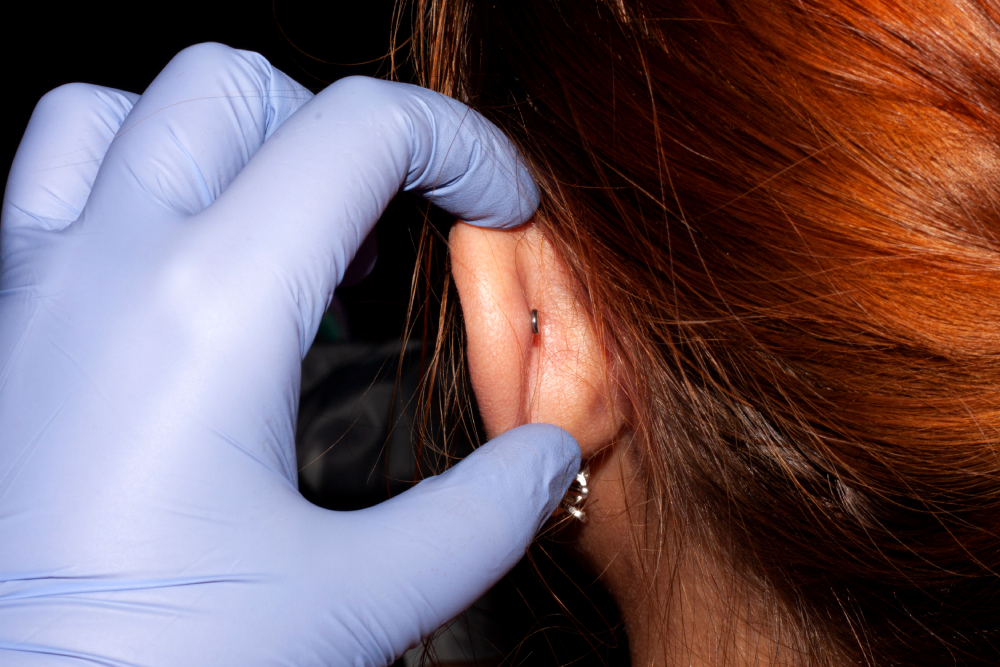
Okay, so you've assessed your situation. You're either breathing a sigh of relief because your piercing is just being a typical teenage earlobe, or you're clenching your jaw because you're seeing some of those "uh oh" signs. Here's your action plan:
If it's Happy Healing: Keep Doing What You're Doing!
If your piercing is showing all the signs of happy healing, the best thing you can do is continue with your aftercare routine. This usually involves gently cleaning the piercing once or twice a day with a sterile saline solution. Avoid touching it unnecessarily, don't sleep on it, and resist the urge to twist or turn the jewelry (unless specifically instructed to do so by your piercer for certain types of jewelry, but generally, leave it alone!).
Trust your piercer's instructions. They know best about how to care for the specific piercing you got. If you’re unsure about anything, ask them! A good piercer is happy to answer your questions and guide you through the healing process.
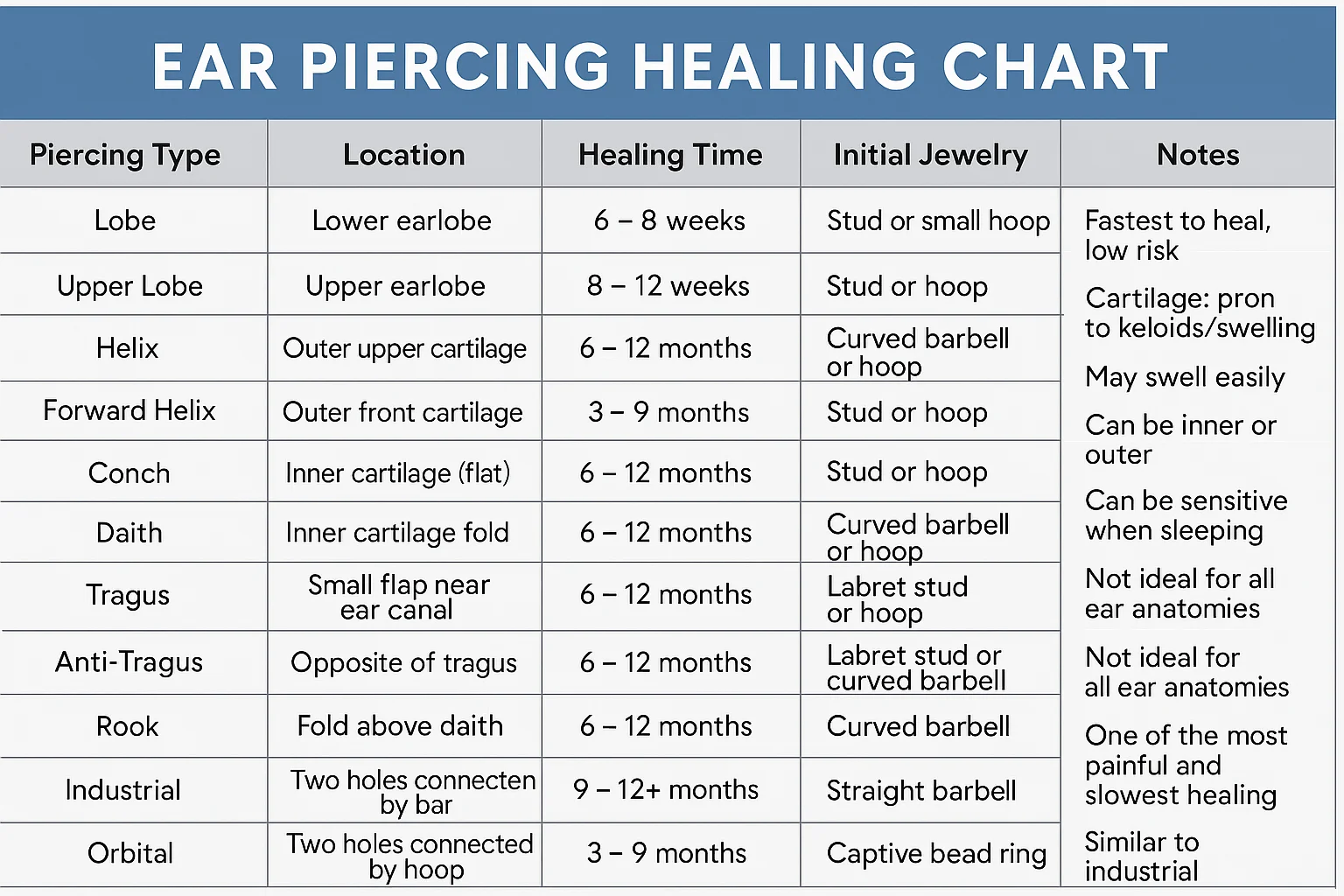
Be patient. Piercings take time. Some, like earlobes, can heal in a few months, while others, like cartilage piercings, can take six months to a year or even longer. Don't rush the process.
If it's "Uh Oh" Time: Don't Panic, But Do Act!
If you're seeing those red flags, the most important thing is to stay calm but take action. Panicking will only make you more stressed, and stress can sometimes hinder healing. Here's what to do:
1. Clean it gently with saline: Continue with your saline solution for cleaning. Do not use harsh soaps, alcohol, or hydrogen peroxide, as these can irritate and dry out the wound, making things worse. Just a gentle rinse and pat dry with a clean paper towel (no cloth towels that can harbor bacteria).
:max_bytes(150000):strip_icc()/piercing-chart-e040e86bfe014876941fd2715c323ee6.jpg)
2. Avoid touching or manipulating it: As tempting as it is to poke and prod at an irritated piercing, resist the urge. Leave it alone as much as possible.
3. Re-evaluate your aftercare: Are you cleaning it too much? Too little? Are you using the right products? Sometimes, a slight adjustment to your routine can make a big difference.
4. Contact your piercer: This is your first port of call. Your professional piercer has seen a lot of piercings and can usually identify if something is wrong and advise you on the best course of action. They can assess the situation and recommend whether you need to see a doctor or if there are specific aftercare adjustments they can suggest.
5. See a doctor if necessary: If your piercer suspects a serious infection, or if you have systemic symptoms like fever and chills, it’s crucial to see a medical professional. They can prescribe antibiotics or other necessary treatments.
6. Don't remove the jewelry unless advised: This is a common mistake. While it might seem like taking out the offending jewelry will help, if there's an infection, removing the jewelry can actually trap the infection inside the healing tissue. Always consult with your piercer or doctor before removing jewelry from a potentially infected piercing.
Look, piercing is an adventure. There will be smooth sailing, and there will be a few choppy waters. The key is to be informed, listen to your body, and know when to seek help. Your body is pretty amazing at healing itself, but sometimes it needs a little assistance, or at least a professional diagnosis when things get a bit too exciting. So go forth, get those shiny adornments, and enjoy the journey. Just remember to keep an eye out for the happy dancers and the grumpy rebels!