
How To Know If Stainless Steel Pan Is Ready
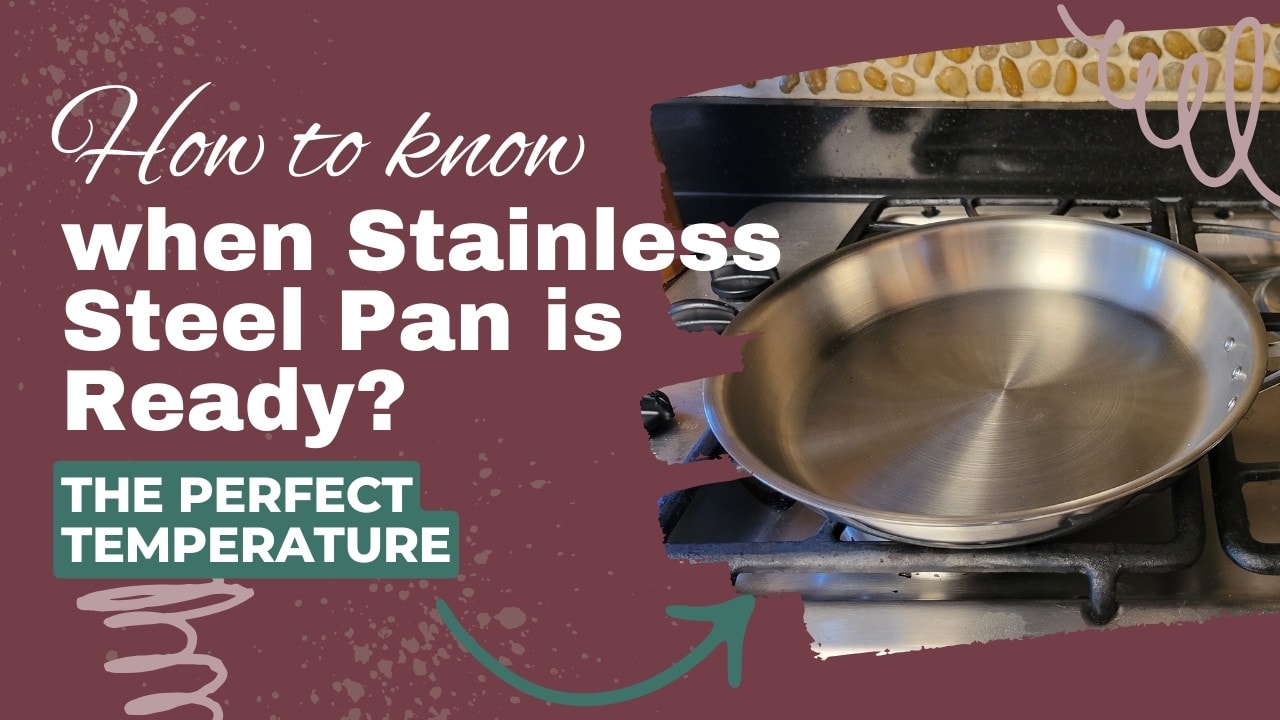
Ah, the stainless steel pan. The workhorse of the kitchen, the unsung hero of a thousand breakfasts, the nemesis of anything that really likes to stick. We all have one, right? That trusty, shiny friend that’s seen better days, probably because you tried to make scrambled eggs in it yesterday without quite getting the memo on preheating. But fear not, my fellow culinary adventurers! Today, we’re diving deep into the subtle art of knowing when your stainless steel pan is just right, ready to perform its magic without turning your delicious meal into a permanent fixture.
Think of it like this: your stainless steel pan is a bit like a grumpy teenager. It needs a little time to wake up, get into the mood, and be receptive to what you’re trying to do. Just shoving it onto the heat and expecting it to perform is like trying to have a deep conversation with a teenager before they’ve had their morning coffee. It’s not going to end well for anyone involved.
We’ve all been there, haven’t we? Staring at a cold pan, tossing in some oil that just… sits there. Then you add your food, and it’s like watching a crime scene unfold in slow motion. The meat sears, yes, but in a weird, patchy, sad sort of way. The eggs? Oh, the eggs. They bravely try to escape, but alas, the pan’s sticky embrace is too strong. It’s a moment of kitchen despair, a quiet sigh that echoes in the culinary void. But it doesn't have to be this way!
The Great Preheat Mystery
The biggest secret to a happy stainless steel pan, and therefore a happy cook, is proper preheating. It’s not some mythical ritual reserved for Michelin-star chefs. It’s a simple, crucial step that separates a “stick-fest” from a “slide-fest.”
Imagine you’re trying to host a party. You wouldn’t just throw open the doors the second you’ve put up one streamer and a half-eaten bag of chips, would you? No! You’d want the lights to be on, the music to be playing, maybe even have some snacks ready. Your pan is the same. It needs to be warmed up and ready to welcome its guests (aka, your food).
So, how do we know when our grumpy teenage pan has finally decided to join the party? We employ a few nifty tricks, honed through years of trial and error (mostly error, if I’m being honest). These aren’t complicated, just a little bit of observation and intuition.
The Water Droplet Test: Your Kitchen's Oracle
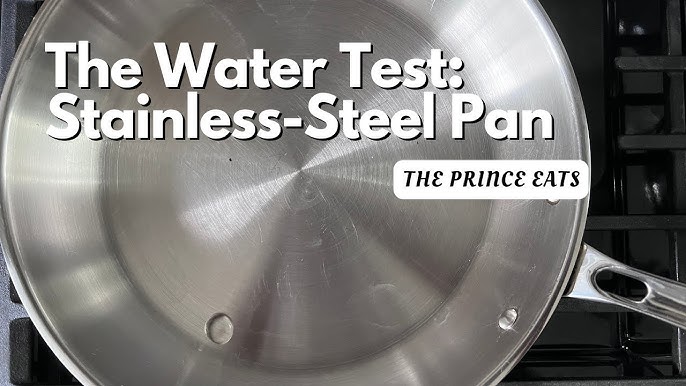
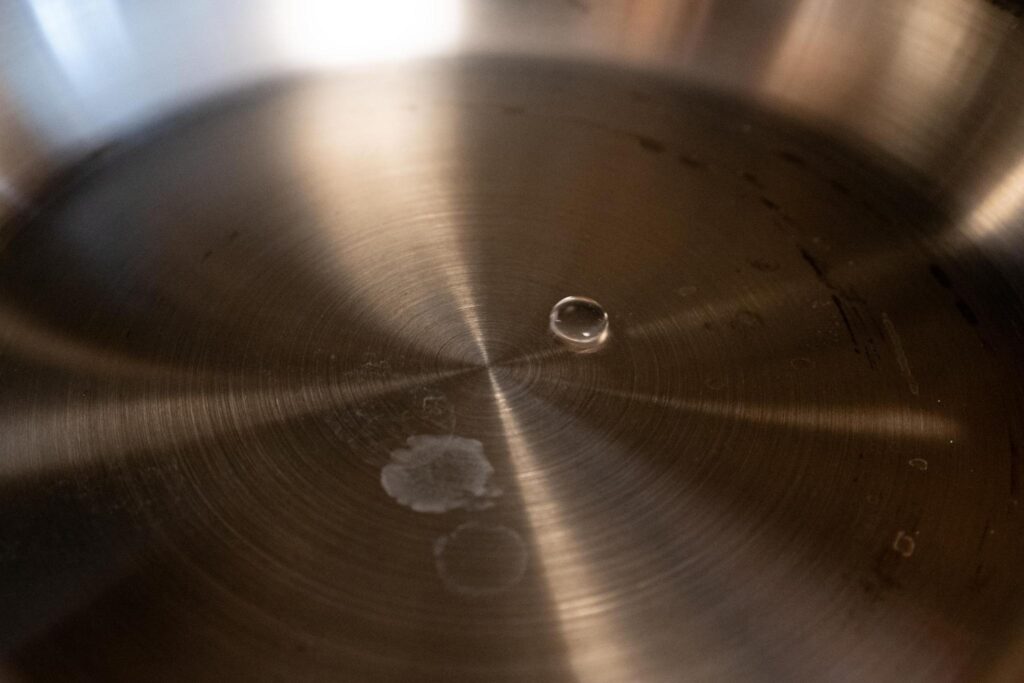
This is the classic. The most reliable, the most satisfying way to tell if your pan is ready to rumble. Grab a small amount of water – a teaspoon or so – and carefully flick it into the preheated pan. Now, pay attention. What happens?
If your pan is not hot enough, that little droplet of water will just… plop. It’ll sit there, like a lost tourist, bewildered and unsure of its surroundings. It might even sizzle a little, but it won’t do anything exciting. This is your cue: “Not yet, my friend. More warming required.”

If your pan is too hot – we’re talking inferno level – that water will instantly vaporize, hissing and spitting like a tiny, angry dragon. It’s a dramatic display, but it means you’ve probably gone too far and might even risk warping your pan. So, ease up on the heat if you see this happening.
But then there’s the sweet spot. The Goldilocks zone. When that little droplet of water hits the pan and forms a perfectly round, almost shimmering bead. And here’s the magic: it moves. It glides across the surface, like a tiny Zamboni on an ice rink, or a tiny ballerina doing a pirouette. It dances! That, my friends, is the sign. Your pan is ready to cook.
This dancing water droplet is what we call the “spheroid effect,” but let’s not get too fancy. It just means the pan is hot enough that the water momentarily floats on a cushion of steam, allowing it to glide. Think of it as the pan giving the water a polite, gentle push. It’s saying, “Welcome! Come on in, the water’s… well, not exactly warm, but ready for your arrival!”
The Oil Slick Shuffle
Another reliable indicator, especially if you’re going to be cooking with oil. Once you think your pan is preheated (after a minute or two on medium heat is a good starting point), add your oil. Don’t drench it; just a thin layer is enough.
If the pan isn’t hot enough, the oil will just sit there, looking a bit sad and oily. It might form little puddles, not really spreading out evenly. It's like trying to spread peanut butter on a cold piece of toast – it just clumps up.
If your pan is perfectly preheated, that oil will become incredibly fluid. It will shimmer and move almost effortlessly across the surface. You might even see it start to ripple slightly, like a tiny, delicious ocean. It’s a beautiful sight, a promise of good things to come.

The best way to check is to gently tilt the pan. If the oil flows easily and coats the entire surface in a thin, even layer, you’re golden. If it resists, or sits in stubborn blobs, give it another 30 seconds to a minute. Patience, grasshopper!
This is where you avoid the dreaded “oil burn.” We’ve all smelled that acrid, smoky scent when oil gets too hot. It’s the smell of a culinary crisis. Preheating the pan correctly helps the oil reach its ideal cooking temperature gradually, preventing it from breaking down and smoking.
The "Ghosting" Phenomenon (Not the Spooky Kind!)
This is a bit more advanced, and you’ll get a feel for it over time. It’s when you’ve added a tiny bit of oil to the pan, and it looks almost invisible. Not completely gone, but so thin and spread out that it’s hard to see. This is often referred to as the oil “ghosting” on the pan.
It’s not that the oil has disappeared; it’s just that the pan is so hot that the oil has spread into an incredibly thin, even layer. It’s the ultimate sign of even heat distribution. When you see this, and then add your food, it should just glide. No sticking, no fuss, just pure, unadulterated culinary joy.
Think of it like a magician’s trick. The oil is there, but it's so perfectly distributed that it's almost invisible, ready to perform its magic when your food arrives. It’s the pan saying, “I’m so ready, I’m practically transparent with anticipation!”
What About the Heat Level? The Million-Dollar Question!
This is where many people stumble. Stainless steel pans are not meant to be cooked on high heat all the time. In fact, for most things, medium to medium-high heat is your best friend.
High heat is for searing steak after you’ve properly preheated the pan and added your oil. For everyday cooking – eggs, sautéing vegetables, cooking fish – medium is usually plenty. It’s like choosing an outfit. You wouldn’t wear a ball gown to the grocery store, would you? You choose what’s appropriate for the occasion.
If you’re constantly cranking the heat up to the max, you’re not only risking burning your food, but you’re also putting unnecessary stress on your pan. Over time, this can lead to warping and those stubborn stuck-on bits that we all dread.
Start low and slow, as they say. For most pans, you’ll want to preheat for about two to three minutes on medium heat before testing with water or oil. Then, once you’ve added your food, you can adjust the heat as needed. It’s a dance, not a sprint.
Anecdotes from the Trenches (aka My Kitchen)
I remember the early days. Oh, the eggs! They were like tiny, eggy barnacles, clinging to my pan with all their might. I’d try to pry them loose, scratching and scraping, wondering what I’d done wrong. It was a daily battle. Then, a wise old chef, with a twinkle in his eye, told me, “It’s all about the heat, my dear. Treat your pan with respect, and it will treat your food with respect.”
And he was so right! The first time I got that perfect water droplet dance, and then slid my omelet out of the pan like it was on a tiny, culinary waterslide, I felt like I’d unlocked a secret level in the game of cooking. It was pure, unadulterated kitchen triumph.
There was also the time I tried to make pancakes in a pan that was clearly still in slumber mode. They stuck. Oh, did they stick. It was like they were permanently fused to the surface. I ended up having to cut them out in sad, irregular shapes. My kids looked at them with a mixture of confusion and disappointment. It was a pancake tragedy, a culinary cautionary tale. But hey, we learn, right?
Now, I’m a preheating fanatic. I’ve got my little water droplet ritual down pat. Sometimes, if I’m feeling fancy, I’ll even do the oil shimmer check. It’s become a mindful moment in my cooking routine, a little check-in with my trusty pan.
The key is to listen to your pan. It’s not just a piece of metal; it’s a partner in your culinary endeavors. It will tell you when it’s ready, if you just pay attention. It’s like having a conversation, but instead of words, it communicates through steam, shimmers, and the delightful glide of food.
The Takeaway: Less Stress, More Success
So, the next time you reach for your stainless steel pan, don't just shove it on the stove. Give it a little love. A little warmth. A little patience. Perform the water droplet test. Watch the oil shimmer. And remember, medium heat is your friend.
You’ll find that your food will cook more evenly, release more easily, and you’ll spend less time scrubbing and more time enjoying your delicious creations. It’s about creating a positive feedback loop in your kitchen, where a happy pan leads to happy food, which leads to a happy you!
Forget the stress of sticking. Embrace the joy of sliding. Your stainless steel pan is ready to be your culinary confidante, but it needs a little bit of preamble. And once you master this simple art, you’ll wonder how you ever cooked without it. Happy cooking!