
How To Make A Flint And Steel
Ever watched a survival show or a historical reenactment and wondered how folks managed to get a fire going with just a couple of rocks? Well, get ready for a little bit of historical magic! Making a flint and steel fire starter is a surprisingly fun and rewarding skill that connects you to centuries of human ingenuity. It’s not just about starting a fire; it’s about understanding a fundamental human need and the clever ways our ancestors met it. Plus, there’s a certain primal satisfaction in creating a spark that can bring warmth and light.
So, who is this skill for? For the absolute beginner, it’s a fantastic introduction to primitive fire-making techniques. It’s less intimidating than friction-based methods and gives you a taste of what it was like to rely on natural materials. Families can turn this into a wonderful outdoor activity, a chance to teach kids about history and self-reliance in a hands-on way. Imagine the look on their faces when they see that first tiny spark! For the hobbyist, whether you’re into bushcraft, reenactment, or just enjoy learning new practical skills, flint and steel is a classic addition to your toolkit. It’s a tangible connection to the past and a skill that can be honed and perfected.
The core of the flint and steel setup is remarkably simple. You need a piece of high-carbon steel (often a knife spine or a dedicated striker) and a sharp-edged piece of flint or a similar hard, sharp rock like chert or quartz. The magic happens when you strike the steel against the flint at an angle. The impact shaves off tiny particles of the steel, which heat up rapidly from the friction and oxidize in the air, creating a spark. This spark then needs to land on something that’s ready to catch it – tinder. Think really, really dry, fluffy material like charred cotton cloth, finely shredded bark, or dried grass fluff.
There are a few simple variations and considerations. Instead of a dedicated striker, many people use the back (non-serrated) edge of a sturdy knife. For flint, look for rocks with a nice sharp edge. You can even find pre-made flint and steel kits online if you want to jump right in. The key is experimenting with the angle of your strike and the quality of your tinder. Finding good tinder is often the trickiest part for beginners. Keep it super dry and fluffy!
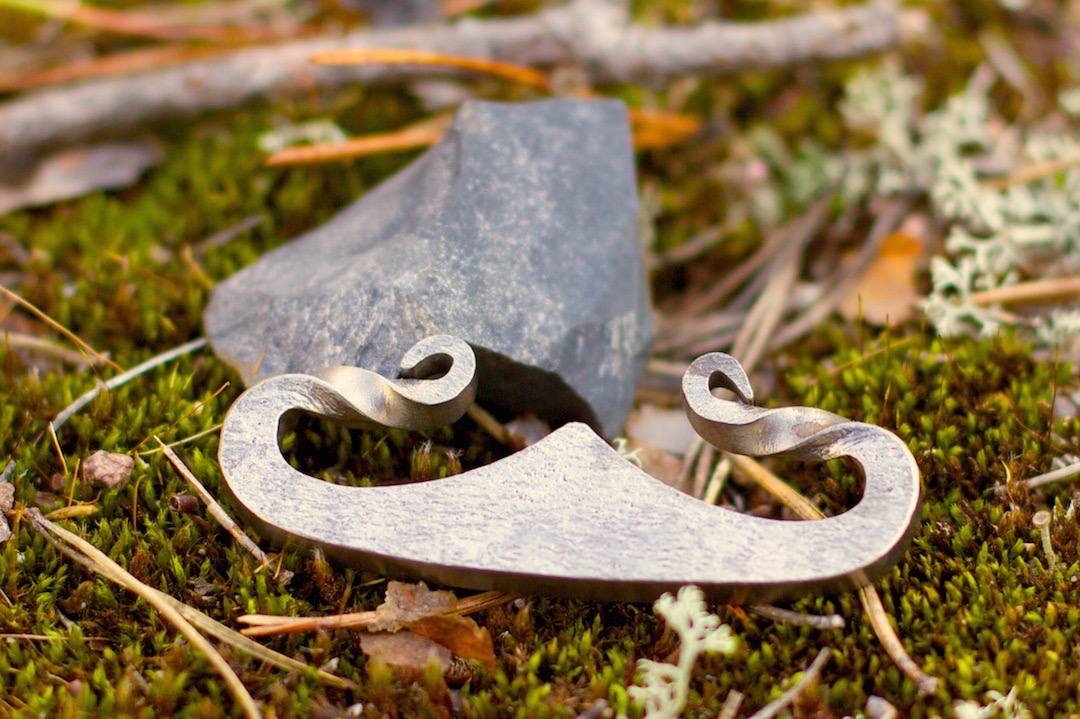
Getting started is easier than you might think. First, gather your materials: a piece of flint (or similar rock) and a high-carbon steel striker (a knife spine works great). Next, prepare your tinder. Charred cotton is excellent because it’s designed to catch a spark very easily. You can char your own cotton by heating it in a sealed tin until it turns black and brittle. Once you have your flint, steel, and tinder ready, it’s time to practice! Hold the flint steady, place your tinder right near the edge where you'll strike, and give the steel a sharp, glancing blow downwards against the flint. Aim to have the sparks fly directly onto your tinder. It might take a few tries, but that moment when you see a tiny ember glow in your tinder is incredibly satisfying.
Learning to make a flint and steel fire starter is a journey that’s both practical and profoundly enjoyable. It’s a skill that whispers tales of the past and offers a tangible connection to the natural world. So grab some rocks, find some dry fluff, and get ready to make some sparks!