
How To Make A Fortune Teller Game

Remember those magical childhood afternoons, huddled with friends, whispering secrets and peeking into the future? The humble fortune teller, that folded piece of paper with its tantalizing colors and cryptic predictions, was often the gateway to those mystical realms. More than just a game, it was a miniature oracle, a source of giggles and hushed anticipation.
But have you ever stopped to think about the charm of these simple creations? They’re a delightful blend of art, math (yes, math!), and a dash of playful divination. And the best part? You can easily bring that magic back into your life, or create it for the first time, with just a few minutes and some readily available materials. Forget the complicated apps and expensive crystal balls; we’re going back to basics, with a modern twist, of course.
This isn't about predicting lottery numbers or the arrival of your soulmate (though a little hint can be fun!). It's about the joy of creation, the shared experience, and the sweet, innocent thrill of the unknown. It’s about a moment of pause in our busy lives, a chance to connect with a bit of whimsy. So, let’s dive in and learn how to craft your very own fortune teller, a little piece of playful destiny you can hold in your hands.
The Humble Origins: A Peek into the Past
Before we grab our scissors and crayons, let’s take a brief detour into the history of this charming paper contraption. While its exact origins are a bit murky, the concept of paper folding games and fortune-telling has been around for centuries. Think of ancient origami practices, where intricate shapes held symbolic meaning.
The modern fortune teller, or “cootie catcher” as it’s often known, likely emerged in the early 20th century. It’s a testament to the ingenuity of using simple materials to create engaging entertainment. It’s the kind of toy that transcends generations, loved by kids and nostalgic adults alike. It’s like a little piece of paper confetti that holds a world of possibilities.
Interestingly, the act of folding paper itself has deep cultural roots. In Japan, origami is an art form steeped in tradition and spirituality. In China, paper folding was used for religious ceremonies and crafting. The fortune teller, in its own playful way, taps into this ancient human desire to transform a flat surface into something meaningful and interactive. It’s a microcosm of creativity.
Gathering Your Mystical Supplies
The beauty of the fortune teller is its accessibility. You don't need a mystical enchanted parchment or a wand carved from ancient wood. All you truly need is:
- A square piece of paper. Regular printer paper works perfectly, but you can get fancy with colored construction paper, patterned scrapbook paper, or even recycled magazine pages for a truly bohemian vibe.
- Scissors (or you can tear it if you're feeling daring!).
- Pens, markers, or crayons for decorating and writing your fortunes.
That’s it! See? No ancient scrolls required. The most important ingredient is your imagination. Think of your paper as a blank canvas, ready to be infused with your unique brand of magic. You can even find old newspapers and use the text as a quirky background for your fortunes, adding an unexpected layer of vintage charm.
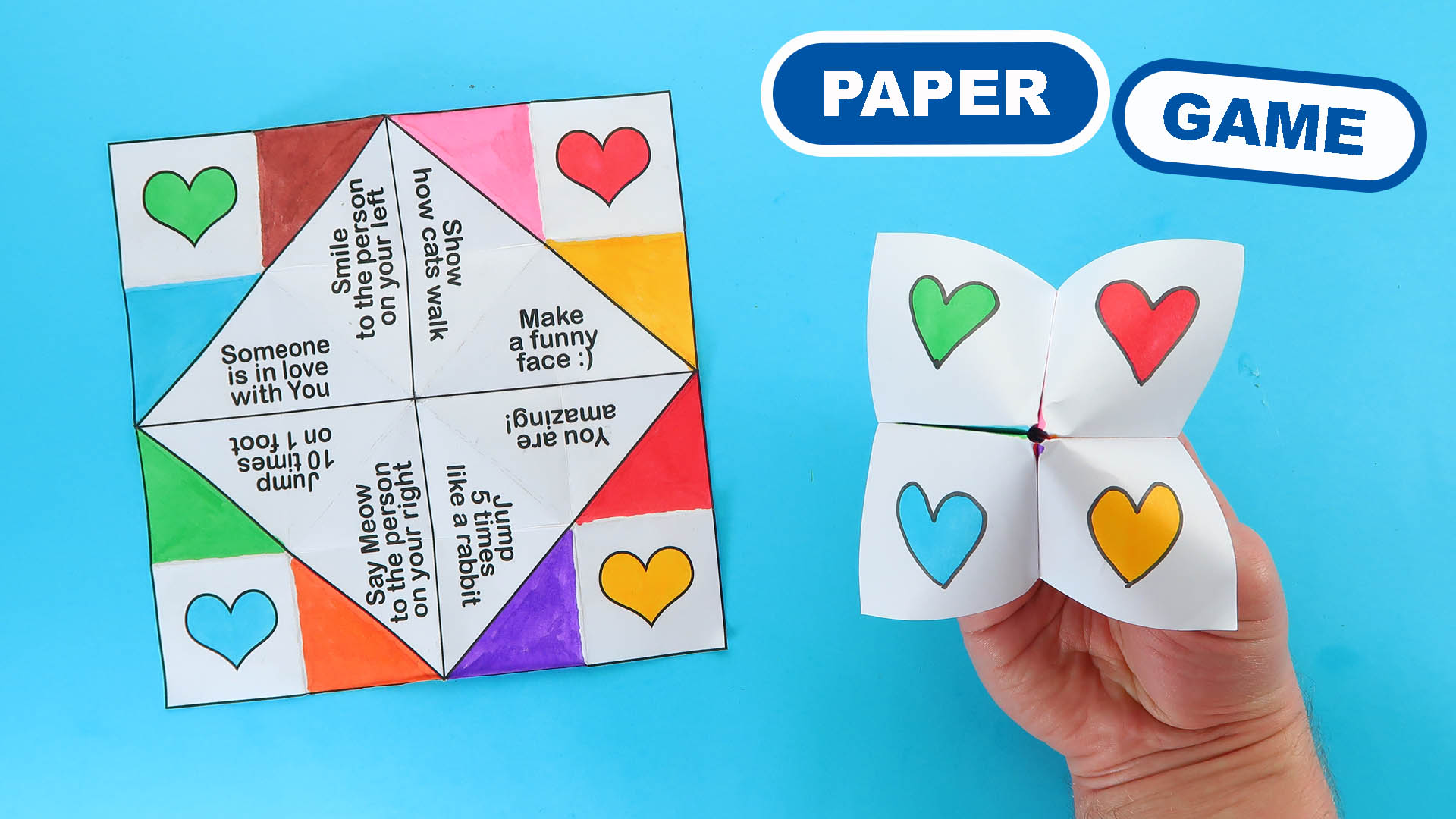
The Folding Ritual: A Step-by-Step Spell
Now, let’s get down to the nitty-gritty of creation. This is where the magic really starts to take shape, quite literally. Follow these simple steps, and soon you’ll have your very own fortune-telling device:
Step 1: The Perfect Square
If you don't have a square piece of paper, don't fret! Take a rectangular piece of paper and fold one corner down to meet the opposite edge, creating a triangle. The excess strip at the bottom can be cut or torn off. Unfold, and you'll have a perfect square. This is the foundation of our mystical artifact.
Step 2: The Diagonal Folds
With the paper colored side down (if applicable), fold the paper in half diagonally, crease, and unfold. Repeat with the other diagonal. You should now have an “X” creased on your paper.
Step 3: The Center Fold
Flip the paper over so the colored side is facing up. Fold all four corners into the center, where the diagonal creases meet. You should now have a smaller square. Precision here isn't absolutely critical, but neat folds make for a neater final product.
Step 4: The Second Center Fold
Flip the paper over again. You’ll see four smaller flaps. Fold all four of these corners into the center, just as you did before. You'll notice it’s getting a bit thicker now, a sign of good progress!
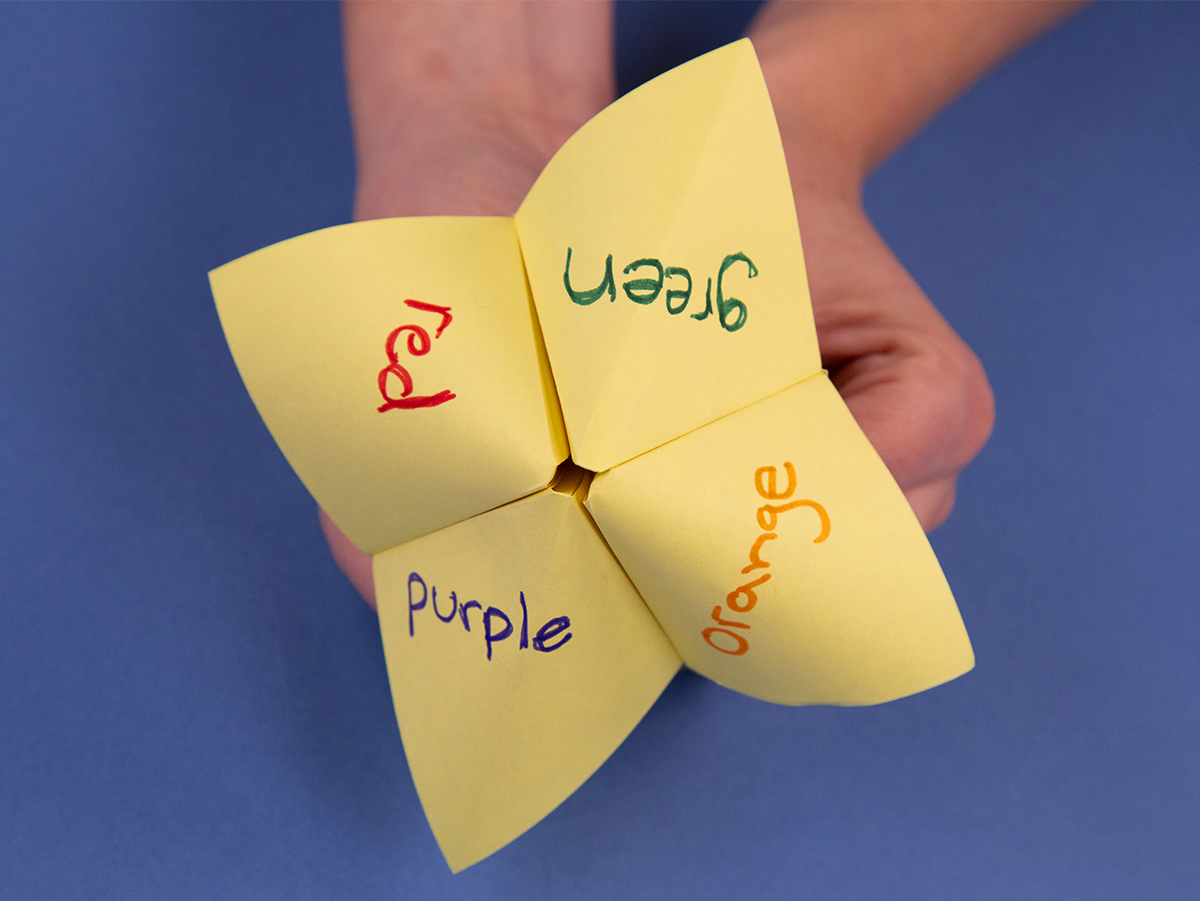
Step 5: The Finger Slots
Now, carefully slide your thumbs and index fingers into the four pockets that have formed on the underside of your folded paper. Gently push inwards, and the fortune teller will begin to take its iconic shape. You might need to pinch and adjust a little to get it just right. This is the moment of transformation!
It’s a bit like coaxing a flower to bloom, or perhaps a dragon to emerge from its slumber. The more you practice, the smoother this step will become. Think of it as a tactile meditation, a way to ground yourself in the present moment through the simple act of folding. And don’t be discouraged if your first attempt isn’t perfect; it’s all part of the learning process.
Infusing it with Fun: Colors, Words, and Wonders
This is where your fortune teller truly comes alive! The physical structure is just the beginning; the real magic lies in what you put inside. Let your creativity flow!
The Outer Shell: A Kaleidoscope of Choices
On the four outer flaps, write a word or a number in each. These are the initial choices your “fortune seeker” will make. Think about themes: colors (Red, Blue, Green, Yellow), feelings (Happy, Sad, Excited, Calm), or even whimsical categories like “Fantasy,” “Adventure,” “Mystery,” and “Comedy.”
If you're using numbered flaps, assign a color to each number. This adds an extra layer of interaction and allows for more complex predictions. For instance, if they pick “Blue” (number 2), then they move on to the next stage with the number 2. The possibilities are as endless as the rainbow!
The Inner Core: Whispers of Destiny
Once the fortune seeker has chosen a word/number and opened and closed the fortune teller a certain number of times (corresponding to their choice), they will be presented with four new options. These are typically colors again, or perhaps more abstract concepts. Again, get creative!
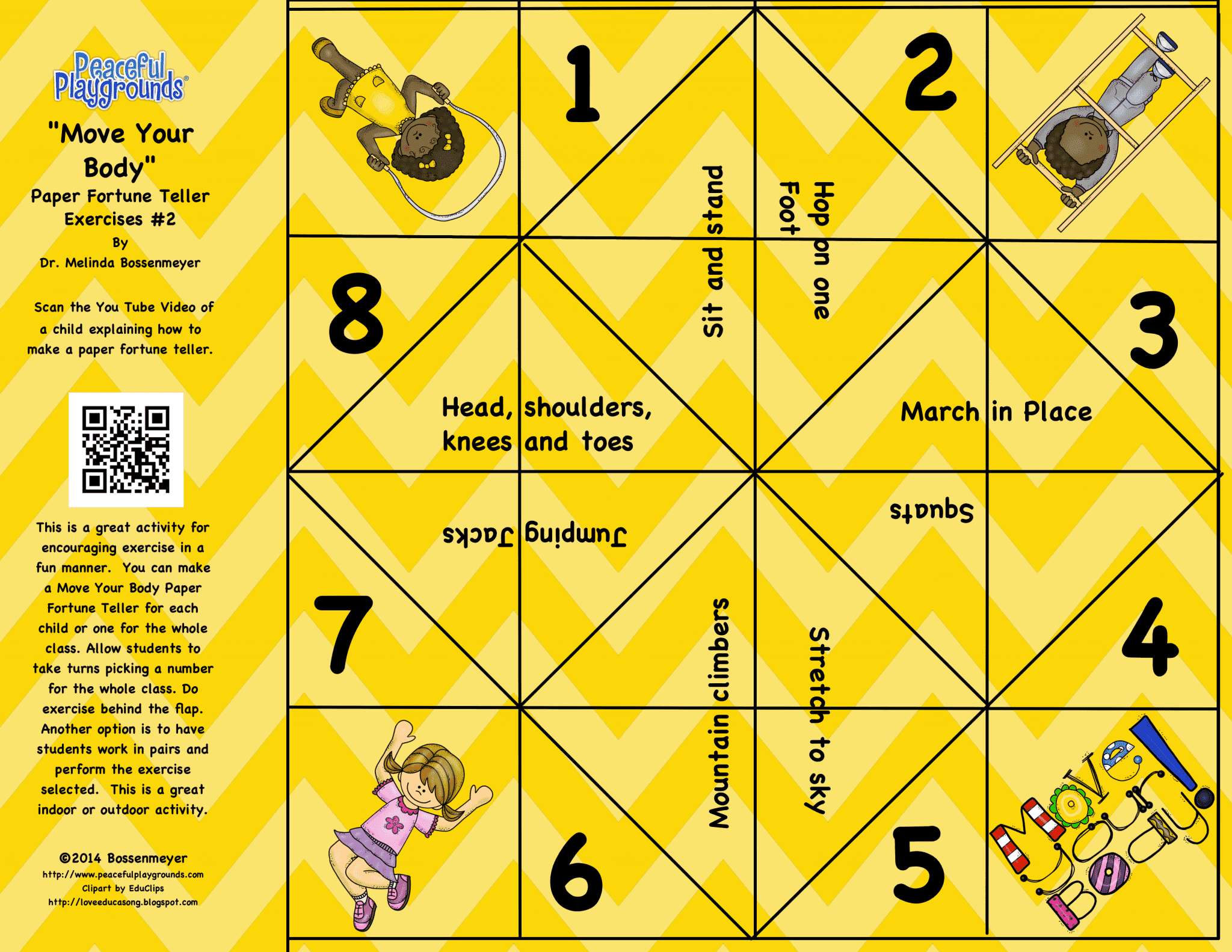
Now, lift those flaps. Underneath each of these final flaps are where the actual fortunes reside. This is your chance to be witty, wise, or wonderfully silly. Aim for a mix of positive affirmations, lighthearted jokes, and gentle advice.
Fun Fact: The number of times you open and close the fortune teller is often determined by the color or number the seeker chooses on the outer flaps. This is a simple yet effective way to add a touch of calculation and strategy to the game!
Crafting Your Fortunes: Tips for Maximum Impact
- Keep it Light and Positive: While a touch of mystery is good, avoid anything that could cause genuine worry. The goal is fun, not fear.
- Be Specific (but not too specific): Instead of "You will have good luck," try "You'll find a forgotten coin in your pocket today." Or, "A surprise encounter will brighten your day."
- Inject Humor: "Beware of rogue squirrels plotting world domination," or "You are destined to eat pizza for dinner tonight. Embrace it!"
- Include a Call to Action (optional): "You will discover a new talent if you try something new this week," or "Share a smile with a stranger today."
- Consider Inside Jokes: If you're making these for friends, tailor some fortunes to your shared experiences. This makes them extra special and hilarious.
- Use Rhyme: A well-placed rhyme can add a delightful musicality to your predictions.
Think of your fortunes as tiny gifts of encouragement, amusement, and gentle curiosity. They are prompts for conversation, sparks for smiles, and moments to pause and consider the small wonders of everyday life. You can even have a “re-do” fortune for when someone gets a less-than-exciting prediction!
Beyond the Basics: Advanced Fortune Teller Techniques
Once you've mastered the classic, why not experiment?
- Thematic Fortune Tellers: Create one for a birthday party with "birthday wishes" as fortunes, or a holiday-themed one with seasonal predictions.
- "Truth or Dare" Fortune Tellers: Replace fortunes with either a truth question or a dare. This is a guaranteed party starter!
- Storytelling Fortune Tellers: Each fortune could be a sentence that, when read in order, creates a short, whimsical story.
- Personalized Fortune Tellers: Make one for yourself, filled with affirmations and reminders of your goals and dreams.
The possibilities are truly limitless. You can even incorporate pop culture references, song lyrics, or quotes from your favorite books. Imagine a fortune teller inspired by a beloved movie, with fortunes that reference iconic scenes or characters. It’s a wonderfully personal touch.

The Joy of Sharing: More Than Just a Game
The real magic of a handmade fortune teller is in the sharing. It’s a catalyst for connection, a way to break the ice, and a source of communal laughter. Gather your family, friends, or even colleagues and take turns revealing your destinies.
It’s a simple act, but it creates a shared experience. It’s a moment of playful vulnerability where everyone can indulge in a little bit of innocent speculation. In a world that often feels rushed and serious, these small moments of lighthearted silliness are incredibly valuable. They remind us not to take ourselves too seriously and to find joy in the unexpected.
Think about the feeling of anticipation as someone unfolds your creation, their eyes wide with curiosity. And the delight when they get a prediction that makes them laugh or nod in agreement. It’s a small act of generosity, a gift of amusement and connection. You’re not just giving them a fortune; you’re giving them a moment of joy.
A Reflection: Finding Magic in the Mundane
As we put down our pens and admire our creations, it’s worth reflecting on what makes these simple paper fortune tellers so enduringly charming. In a world saturated with digital entertainment and instant gratification, there’s something incredibly satisfying about a tangible, handmade object that sparks imagination and fosters connection.
Perhaps it’s the tactile nature of the folding, the creative act of filling it with words, or the communal ritual of sharing the predictions. Whatever it is, the fortune teller serves as a gentle reminder that magic can be found in the simplest of things. It’s a testament to the power of play, the importance of imagination, and the enduring human desire to peek into the future, even if it's just for a fleeting, fun-filled moment.
In our daily lives, we can find our own little "fortune tellers." It might be a mindful walk in nature where we notice the beauty of a single leaf, a spontaneous conversation with a stranger that brightens our day, or even a delicious meal savored slowly. These are the moments that add color and richness to our existence. So, go ahead, fold a piece of paper, write some silly fortunes, and remember to embrace the playful magic that life offers, one colorful fold at a time. After all, who knows what wonderful surprises await us?