
How To Make A Model Railroad Layout

Ever get that feeling? The one where you’re scrolling through endless, perfectly curated Instagram feeds, and a little part of you wishes for something… tangible? Something you can actually touch, build, and lose yourself in? Well, my friends, if that little itch for a hands-on hobby is tickling your brain, then let’s talk about model railroads. Forget dusty attics and grumpy old men; this is a surprisingly cool, creative, and downright therapeutic world, and building your own layout is your ticket in.
Think of it as your own private, miniature universe. A place where you call the shots, where gravity is optional for your rolling stock, and where you can escape the daily grind by simply pushing a button. It’s not about chasing perfection; it’s about the joy of creation, the satisfaction of seeing something grow under your hands, and the quiet hum of tiny engines chugging along your own envisioned landscape.
The Spark: What’s Your Tiny Train Dream?
Before you start sketching elaborate mountain ranges (though, by all means, doodle away!), let’s get to the heart of it: what kind of world do you want to build? Are you drawn to the romantic charm of a steam-powered era, chugging through a vintage industrial town? Or perhaps the sleek efficiency of modern, high-speed trains zipping past contemporary cities? Maybe it’s the rugged beauty of the American West, with locomotives battling steep gradients and vast, open plains.
This initial spark is crucial. It will guide your choices of trains, buildings, scenery, and even the era you decide to represent. It’s like choosing the genre for your personal cinematic masterpiece. Don’t overthink it; let your imagination wander. Watch old movies, flip through history books, or just consider what landscape makes your soul sigh with contentment. That’s your blueprint.
Choosing Your Scale: Big Dreams, Small Spaces
Now, let’s talk size. Model railroad scales are a bit like choosing a camera lens – they dictate how much detail you can capture and how much space you need. The most popular scale, especially for beginners, is HO scale. It’s a fantastic all-rounder, offering a good balance between detail and manageable size. Think of it as the 35mm film of the model train world – versatile and widely supported.
Then you have N scale, which is smaller, allowing for more complex track layouts in a smaller footprint. It’s like going micro-four-thirds – more elements in a compact package. For those with serious space and a penchant for intricate detail, O scale offers larger locomotives and cars, often with stunning realism, akin to a medium format camera. Finally, there’s Z scale, the ultimate in compact miniaturization, perfect for tiny apartments or just a fun desk-side diversion.
My tip? Start with HO scale. The availability of rolling stock, buildings, and scenery is immense, making it easier to find exactly what you’re looking for and get your layout up and running without too much frustration. Plus, the size is forgiving enough for you to experiment with scenery and trackwork.
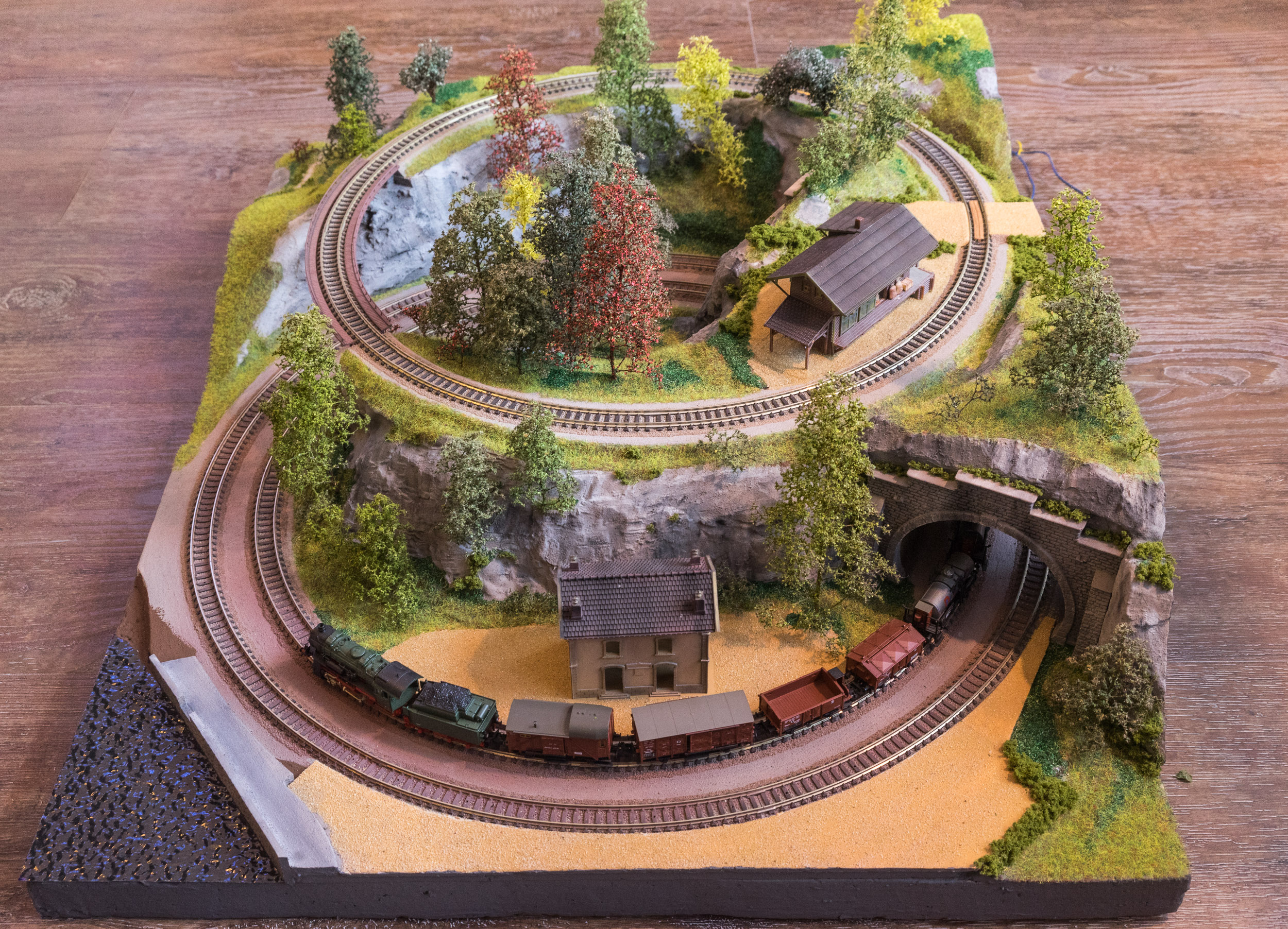
The Foundation: Where Your Tiny World Lives
So, you’ve got your dream and your scale. Now, where does this magic happen? For many, the journey begins with a sectional track system. Think of these as pre-fab building blocks for your railway. Brands like Bachmann and Kato offer easy-to-connect pieces that snap together, allowing you to create simple oval layouts, figure eights, or more complex branching lines. This is the simplest way to get trains running and test the waters.
For a more permanent and integrated feel, many modelers graduate to individual flex track. This track is bendable and allows you to create smooth, flowing curves, which are not only more aesthetically pleasing but also better for the running of your trains. You’ll need to solder joiners to connect sections and ballast it later to make it look like a real railway.
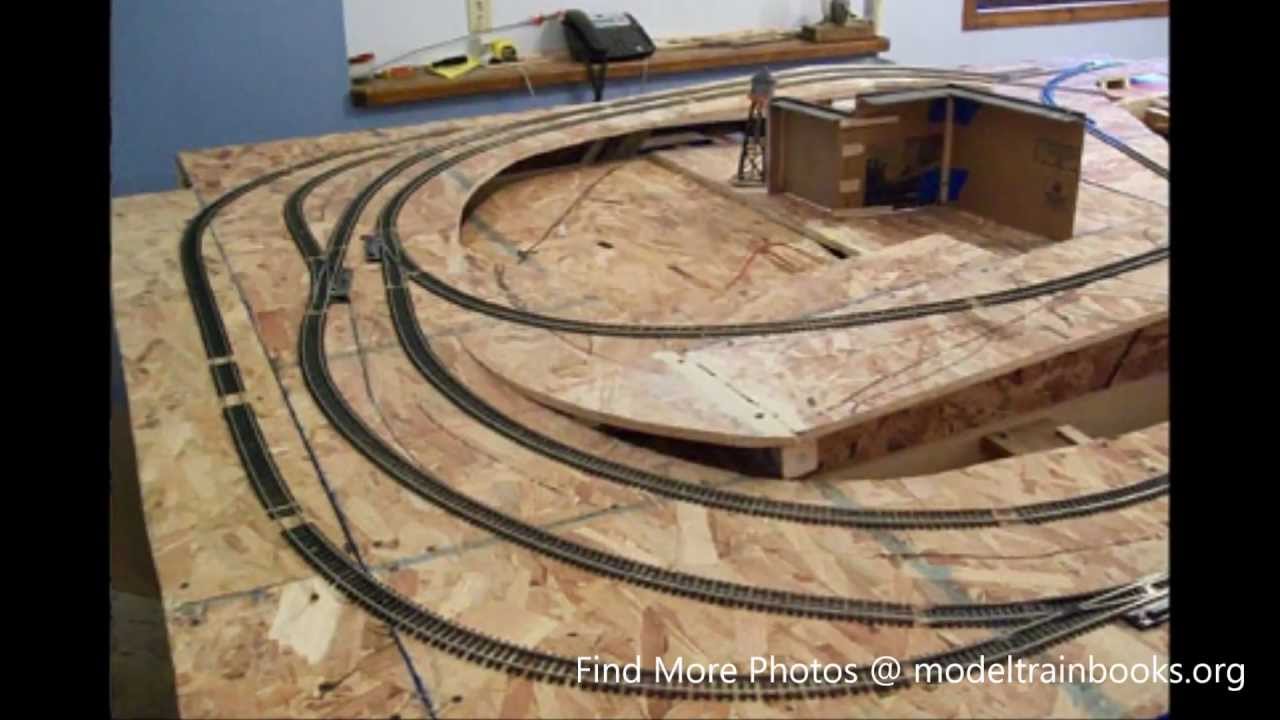
And then there’s the base. You can start with a simple piece of plywood, a shelf, or even a repurposed table. As you progress, you might build a more robust benchwork system, which is essentially a sturdy frame that supports your layout. This allows for multi-level designs and ensures your creation can withstand the test of time (and maybe a curious cat or two).
Adding the Scenery: Bringing Your World to Life
This is where the real fun, and the artistic expression, truly takes flight. Scenery is what transforms a collection of track and trains into a living, breathing world. Start with the basics: plaster cloth, which you can drape over crumpled newspaper or wire mesh to create hills and mountains. Once dry, it’s a perfect base for paint and texture.

Next comes paint. Earth tones are your best friends here – browns, greens, greys. Don’t be afraid to layer colors, dry-brushing lighter shades over darker ones to create depth and highlight textures. Think of it as painting your own miniature landscape. Reference actual photographs of the terrain you’re trying to replicate.
Then, the texture. Static grass applicators are a game-changer. They use a static electrical charge to make tiny plastic grass fibers stand up on end, mimicking real grass with uncanny realism. Sprinkle on scatter materials – fine sawdust, ground-up cork, or commercial ground foam – in various colors to represent dirt, gravel, and fallen leaves. This is where you can really let your inner landscape artist loose. It’s almost meditative, this process of sprinkling and shaping. It’s like a mindful craft session, but with trains at the end.
Don't forget the trees! You can buy pre-made trees, but for a truly custom touch, consider making your own. Twist wire into branch-like structures, then glue on clumps of fine-textured material for leaves. It sounds fiddly, but the result is incredibly rewarding. Remember that even small details, like a lone bush or a patch of wildflowers, add immense character.
Structures: The Heartbeat of Your Tiny Town
Every railroad needs places for people to live, work, and load their goods. This is where model buildings come in. You can buy them pre-assembled, in kits that require assembly, or even download and print your own building facades for a flatter, more space-saving approach.
For a classic feel, think of a charming depot, a bustling general store, and maybe a small roundhouse for your locomotives. If you’re going for a more industrial look, consider factories, warehouses, and coal towers. The key is to make them fit your chosen era and theme.
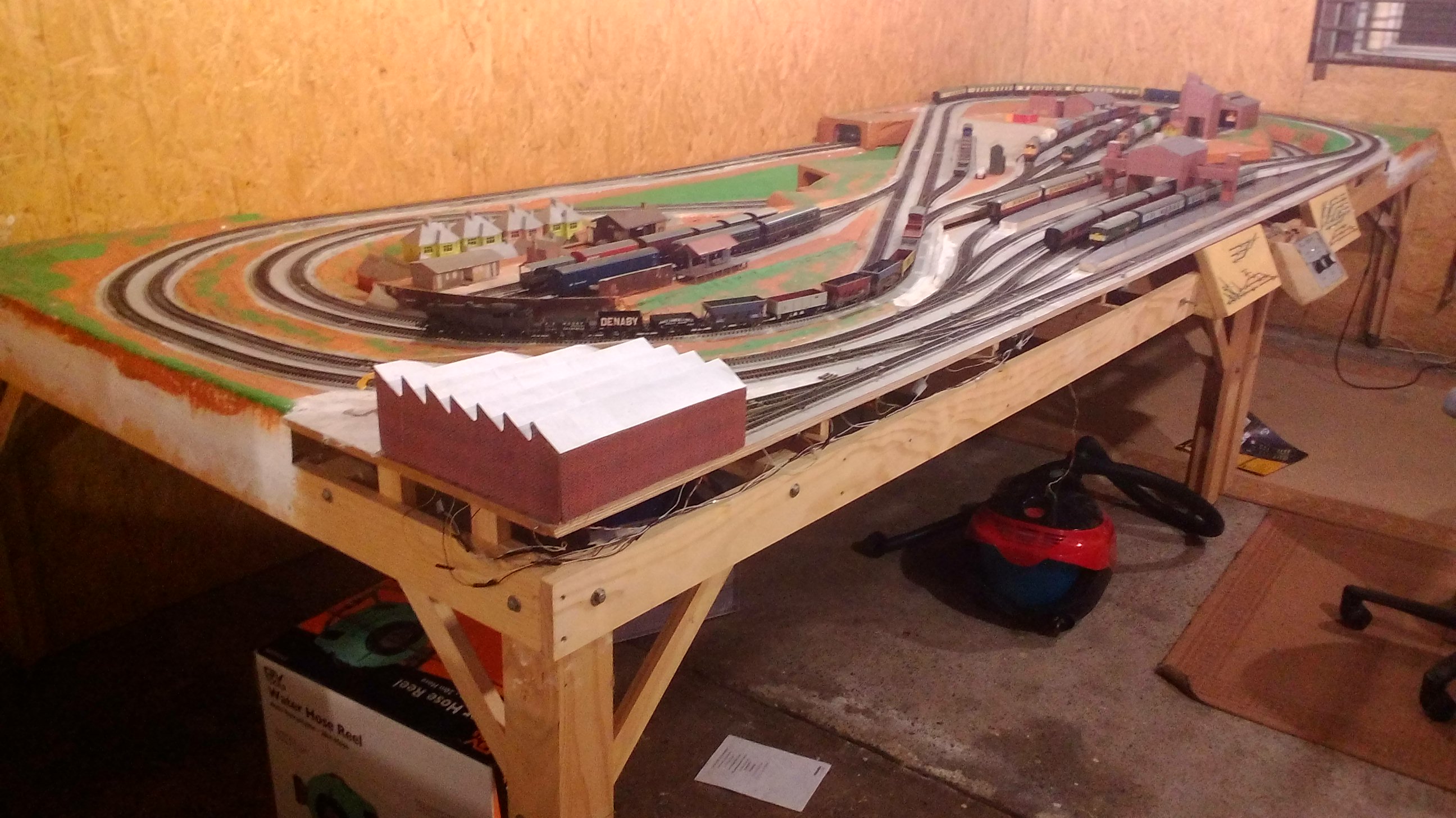
And again, detail is your secret weapon. Weather your buildings – a little black wash to simulate grime, some rust streaks, or a hint of moss. Add tiny signs, window coverings, and even miniature figures to bring your structures to life. These little touches make a world of difference. Imagine a tiny diner with a couple of figures chatting outside – it adds a narrative, doesn't it?
Powering Your Dreams: The Electric Side of Things
Now, let’s get those trains moving! For DC (Direct Current) layouts, you’ll need a power pack. This is your train's lifeline. It plugs into the wall and provides electricity to your track. You’ll connect wires from the power pack to your track, typically at two points, to ensure a consistent flow of power.
As you get more ambitious, you might consider DCC (Digital Command Control). DCC is a more advanced system that allows you to control multiple trains independently on the same track, all from a single control. It’s like having a remote control for each and every train. While it has a steeper learning curve, the flexibility and control it offers are incredible for larger or more complex layouts.
Think of it this way: DC is like a single remote for your entire TV system. DCC is like having a separate remote for every device, giving you granular control. Start with DC if you’re new; you can always upgrade later.
The Culture: More Than Just Trains
Model railroading isn't just a hobby; it’s a community. There are countless online forums, clubs, and shows where you can connect with fellow enthusiasts, share ideas, and get inspired. It’s a place where people are genuinely excited to talk about tiny wheels, intricate wiring, and the best way to paint a miniature water tower.
It’s also a window into history and engineering. You learn about different eras of transportation, the challenges of building infrastructure, and the ingenuity of past generations. It’s a hands-on history lesson, disguised as a lot of fun. Remember that iconic scene in Back to the Future where Doc Brown is frantically working on his contraption? There's a similar spirit of tinkering and problem-solving in model railroading.
Fun Facts for Your Train-Loving Brain
- The first model train was created in 1837 by German toy maker Christian Richter.
- The standard gauge for most model railroad track in the US (HO, O, S) is 16.5 mm (0.65 inches).
- The world’s largest model railroad is the Miniatur Wunderland in Hamburg, Germany, featuring over 1,300 scale miles of track!
- Many model railroaders find the repetitive motion of laying track and applying ballast to be incredibly stress-relieving.
Taking the Plunge: Your First Steps
Don’t be intimidated. Start small. A simple oval layout on a piece of plywood is a fantastic starting point. Get a starter set, run some trains, and see how it feels. Then, gradually add elements: a simple building, a few trees, some basic scenery. Most importantly, have fun. There’s no right or wrong way to do this.
Let your creativity flow. Embrace the imperfections. The beauty of model railroading is that it’s a journey, not a destination. Each layout is a reflection of its creator, a miniature world built with passion and patience. It’s a testament to the power of human ingenuity and the simple pleasure of making something with your own two hands.
A Moment of Reflection
In our fast-paced, digital lives, where so much is instantaneous and often intangible, the act of building a model railroad layout is a beautiful counterpoint. It’s about slowing down, engaging our senses, and experiencing the deep satisfaction of seeing a vision materialize, piece by painstaking, joyful piece. It’s a reminder that sometimes, the most rewarding journeys are the ones where we choose to lay down our own tracks, one small, meticulously placed section at a time. And as your tiny trains chug along, carrying their precious cargo, perhaps you’ll find a little more peace and a lot more wonder in your own world, too.