
How To Make Galvanized Metal Rust

Okay, let's talk about something a little… unconventional. We all know that galvanized metal is supposed to be tough. It’s got that cool, silvery sheen. It’s meant to resist the dreaded rust monster. But what if, just for kicks, we wanted to invite that rusty charm onto our shiny surfaces?
Think of it as giving your metal a little makeover. A rustic, vintage vibe. Who needs pristine when you can have character? We’re going to explore the art of coaxing the rust out, defying the very purpose of its existence.
It’s like teaching a cat to love the vacuum cleaner. A challenge, for sure. But sometimes, the most unexpected results are the most rewarding. Or at least, the most interesting to watch.
The Great Galvanized Deception
So, you've got this piece of galvanized goodness. Maybe it's a planter. Maybe it's an old watering can. It's practically gleaming with anti-rust pride. We're here to gently (or not so gently) persuade it to embrace its inner iron oxide.
This isn't about destroying it. Oh no. This is about transformation. It's about adding a story. A history. Even if that history is, well, manufactured.
We're essentially taking something designed to last forever and giving it a temporary, albeit beautiful, expiration date. A glorious, orange-brown expiration date.
Phase One: The Initial Nudge
First things first, we need to get past that protective zinc coating. It’s like a superhero’s shield. We need to find a way to bypass it, or at least weaken it.
One common tactic involves a little bit of acidity. Think of it as a gentle wake-up call for the metal. Nothing too aggressive, mind you. We’re not trying to dissolve it.
A mild acid can start to etch away that shiny exterior. This exposes the iron underneath, which is far more susceptible to the magic of oxidation.
Many folks recommend using a solution of vinegar. White vinegar is your friend here. It’s readily available, and it’s not going to cause a hazmat situation in your backyard.

You can soak your galvanized item in vinegar. Or, for larger pieces, you can spray it on liberally. Think of it as a vinaigrette for your metal garden gnome.
Leave it for a while. Let the vinegar work its magic. You’re looking for a dulling of the shine. A subtle change in its demeanor.
Some even use salt in conjunction with vinegar. The salt can act as a mild abrasive, helping to speed up the process. It’s like adding a little grit to the mix.
You might want to wear gloves for this part. While vinegar isn’t a Hulk-smash kind of acid, it’s always good to protect your skin. Especially if you’re doing this for an extended period.
Rinsing is important after the acidic treatment. You don’t want lingering vinegar to continue its work indefinitely. A good rinse with plain water will do the trick. Then, pat it dry. We don’t want unintended rust spots just yet.
The Catalyst: Bringing on the Moisture
Now that we’ve hinted at the iron beneath, it’s time to introduce the real rust-maker: water. Or, more accurately, moisture. And a little help from the air around us.
This is where the patience comes in. Rust, or iron oxide, is the result of iron reacting with oxygen in the presence of water. It’s a natural process, but we’re going to give it a little encouragement.
One popular method is to create a saltwater solution. This is often done in a spray bottle. It’s a simple concoction: water and salt. You can adjust the saltiness to your liking.
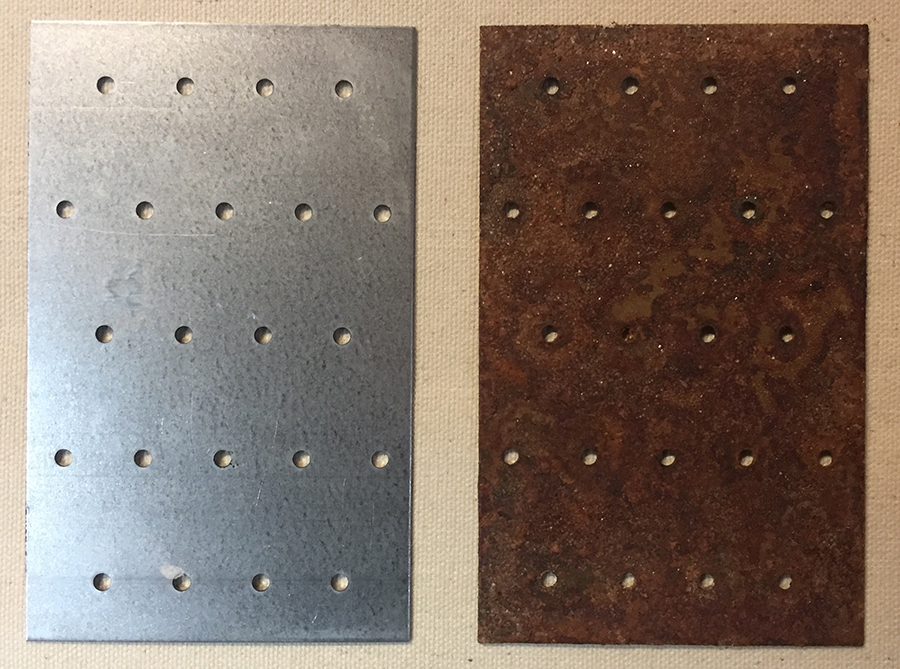
You spray this solution onto your prepped galvanized metal. Then, you let it sit. And you let it do its thing.
The key here is consistency. You’ll likely need to spray it regularly. Especially if you live in a dry climate. We want to keep that surface nice and moist.
Leaving it outside is ideal. Let the elements do their work. The sun, the air, the occasional rain shower. It’s like a spa treatment for your metal, with a rusty outcome.
You might see small orange patches appearing. This is a good sign! It means the process is starting. It’s the beginnings of that coveted patina.
Another method involves using hydrogen peroxide. Again, this is often mixed with vinegar and salt. The hydrogen peroxide can accelerate the oxidation process.
Think of it as adding a booster shot to your rust recipe. You can find recipes online for these “rust accelerators.” They’re often quite specific about the ratios.
Be cautious with stronger solutions. You’re aiming for rust, not a chemical reaction that melts your project into a puddle. Always test in an inconspicuous area first.

The goal is to create an environment where rust can thrive. We’re essentially creating a miniature, controlled rusting environment.
The Waiting Game: Embrace the Orange
This is where you learn the true meaning of patience. Rust doesn't happen overnight. It's a slow burn. A gradual transformation.
You'll need to check on your project regularly. See how the rust is progressing. Is it even? Is it where you want it?
If you’re looking for a more uniform rust, you’ll need to be diligent with your spraying and reapplication. If you’re going for a more patchy, organic look, then a little bit of neglect is actually a good thing.
Some people actually seal the rust once they’re happy with it. This stops the process and prevents it from flaking off. You can use a clear spray sealant for this. It locks in that beautiful, weathered look.
Others prefer to let it continue to evolve. They like the idea that their piece will change over time. It’s a living, breathing piece of art.
Don’t be discouraged if it doesn’t look like an ancient relic after a day. Rome wasn’t rusted in a day, and neither will your galvanized watering can be.
The satisfaction comes from the process. From watching something transform. From defying expectations.

The Artistic Interpretation of Rust
Why would anyone want their metal to rust? Some might ask. It goes against everything we’ve been taught about metal care.
But there’s an undeniable charm to rusted metal. It speaks of age. Of endurance. Of character. It’s the antithesis of sterile perfection.
Think of those beautiful, vintage garden tools. Or the weathered patina on an old cast iron skillet. There’s a warmth and a depth that new, shiny metal just can’t replicate.
We’re not talking about structural failure here. We’re talking about aesthetics. About achieving a specific look.
It’s about embracing the imperfections. The natural beauty of decay. The story that time can tell.
So, the next time you see a piece of galvanized metal, don’t just see its pristine surface. See the potential for a beautiful, rusty transformation. See the character waiting to be unleashed.
It's a rebellious act against modernity, perhaps. A nod to the past. And a rather charming way to make your garden decor stand out.
So, go forth and rust! Embrace the orange. Let your galvanized metal tell its own, slightly more interesting, story.