
How To Make Stainless Steel Look New Again
Ah, stainless steel. It’s the superhero of our kitchens, isn't it? Gleaming, tough, and (supposedly) stain-proof. It’s on our refrigerators, our sinks, our toasters, even our fancy water bottles. It’s the silent warrior against spills, splatters, and the general chaos that is modern life. We love it for its sleek look and its supposed ability to just shrug off whatever culinary disasters we throw its way.
But let’s be honest. Even our stainless steel heroes have their off days. You know the feeling. You just bought that gorgeous new appliance, and it’s so shiny you could practically do your makeup in it. Fast forward a few weeks, or let’s be real, a few days, and suddenly it’s sporting fingerprints like a celebrity on a red carpet. Then come the water spots, those little chalky ghosts that appear out of nowhere. And don't even get me started on the dreaded scratches. Suddenly, your once-pristine stainless steel looks less like a sleek kitchen goddess and more like it’s been in a wrestling match with a pack of gremlins.
It's like watching your favorite pet go from a fluffy puppy to a mud-caked monster after a quick romp in the garden. You still love them, of course, but you kinda miss the original gleam. So, what’s a homeowner to do when their stainless steel sidekick starts looking a little… well, un-stainless?
Fear not, fellow warriors of the kitchen! Making your stainless steel shine like it’s fresh off the showroom floor isn't some ancient alchemical secret. It’s more like a gentle spa day for your appliances. And the best part? You probably already have most of the ingredients chilling in your pantry or bathroom cabinet. No need for a trip to the hardware store that involves navigating confusing aisles and questioning your life choices. We're talking about simple, everyday solutions that’ll have your stainless steel singing show tunes again.
The Usual Suspects: Fingerprints and Smudges
Let's start with the most common villain: fingerprints. Those oily little invaders that appear as if by magic. You wipe them away, and five seconds later, there they are again, mocking you. It’s like trying to keep a toddler’s hands off a freshly cleaned window. Impossible!
The first line of defense, and often the most effective, is a good old microfiber cloth. Think of it as the superhero cape for your cleaning endeavors. Microfiber is like a tiny, lint-free army that’s excellent at grabbing onto dirt and oil without scratching the surface. Always use a clean one, though. A dirty microfiber cloth is about as effective as a screen door on a submarine.
Now, what do you do with the microfiber cloth? You can often get away with just a bit of warm water. Seriously. It’s like giving your appliance a gentle, refreshing shower. Dampen the cloth, wipe in the direction of the steel's grain (this is important, we’ll get to that later!), and then buff dry with a separate, dry microfiber cloth. Voilà! The gremlins are banished, at least for now.
But what if the warm water isn't cutting it? Maybe someone in your household has been stress-eating pizza directly in front of the fridge. In that case, it's time to bring out the mild detergents. A tiny drop of dish soap on your damp cloth is usually enough. Think of it as a gentle cleanser for your appliance’s skin. Again, wipe with the grain and buff dry. No need to go all Hulk-smash on it; a gentle touch is key.
Some people swear by a spritz of glass cleaner. Now, this can be effective for a quick smudge buster, but a word of caution: some glass cleaners contain ammonia, which can be a bit harsh on certain stainless steel finishes. If you go this route, make sure to use it sparingly and rinse thoroughly with a damp cloth afterward. It’s like using a strong perfume – a little goes a long way, and too much can be overwhelming.
Battling the Water Spots: Those Stubborn Little Blighters
Water spots are the bane of every stainless steel owner’s existence. They’re those whitish, chalky marks that appear after water evaporates. It’s like the ghost of a tiny, very thirsty water droplet decided to leave its mark. You can’t see them when the surface is wet, but as soon as it dries, BAM! There they are, ruining your aesthetic.
Again, the microfiber cloth is your trusty steed. But sometimes, they need a little extra persuasion. Enter vinegar. Yes, good old white vinegar. It’s like the wise, old uncle of the cleaning world, full of sensible advice and a bit of a bite.
Mix equal parts white vinegar and water in a spray bottle. Spritz this solution onto a microfiber cloth (don't spray directly onto the appliance, as it can get into nooks and crannies where you don't want it). Gently wipe the water spots, following the grain. The acidity in the vinegar helps to break down the mineral deposits that cause the spots.
After you've vanquished the water spots, give the area a good wipe with a clean, damp cloth to remove any vinegar residue. Then, the crucial step: buff dry with a dry microfiber cloth. This prevents new water spots from forming immediately.
If the water spots are particularly stubborn, you can try applying the vinegar solution directly to the cloth and letting it sit on the spot for a minute or two before wiping. It’s like giving the spot a little time-out to reconsider its life choices.

The Scratch Saga: Minimizing the Marks of Mishap
Scratches. The ultimate stainless steel nemesis. These are the little reminders of that time you slid a heavy pot across the stovetop or when the kids decided the dishwasher door was a drum. They can be infuriating because, unlike smudges, you can’t just wipe them away. They’re etched into the metal’s very being.
First things first: never use steel wool or abrasive scrubbers. That’s like trying to fix a boo-boo by giving it a papercut. You’ll only make it worse, creating a whole new host of scratches. Think of your stainless steel as having delicate skin, not being a battlefield.
For very light scratches, you might be able to buff them out with a non-abrasive cleaner specifically designed for stainless steel. These often contain fine polishing agents that can help to blend the scratch into the surrounding surface.
A popular DIY trick for minor scratches involves using a paste made from baking soda and water. Mix a few tablespoons of baking soda with just enough water to form a thick paste. Apply this paste to the scratch with a soft cloth or sponge, and rub gently in the direction of the grain. The baking soda is mildly abrasive, so it can help to smooth out the edges of the scratch.
After you've rubbed, wipe away the paste with a damp cloth and then buff dry with a clean microfiber cloth. It’s like giving the scratch a little massage to help it relax and disappear. For deeper scratches, well, those are a bit trickier. Sometimes, they’re just part of the appliance’s story. Embrace the character!
The Grain: Your Stainless Steel’s Best Friend
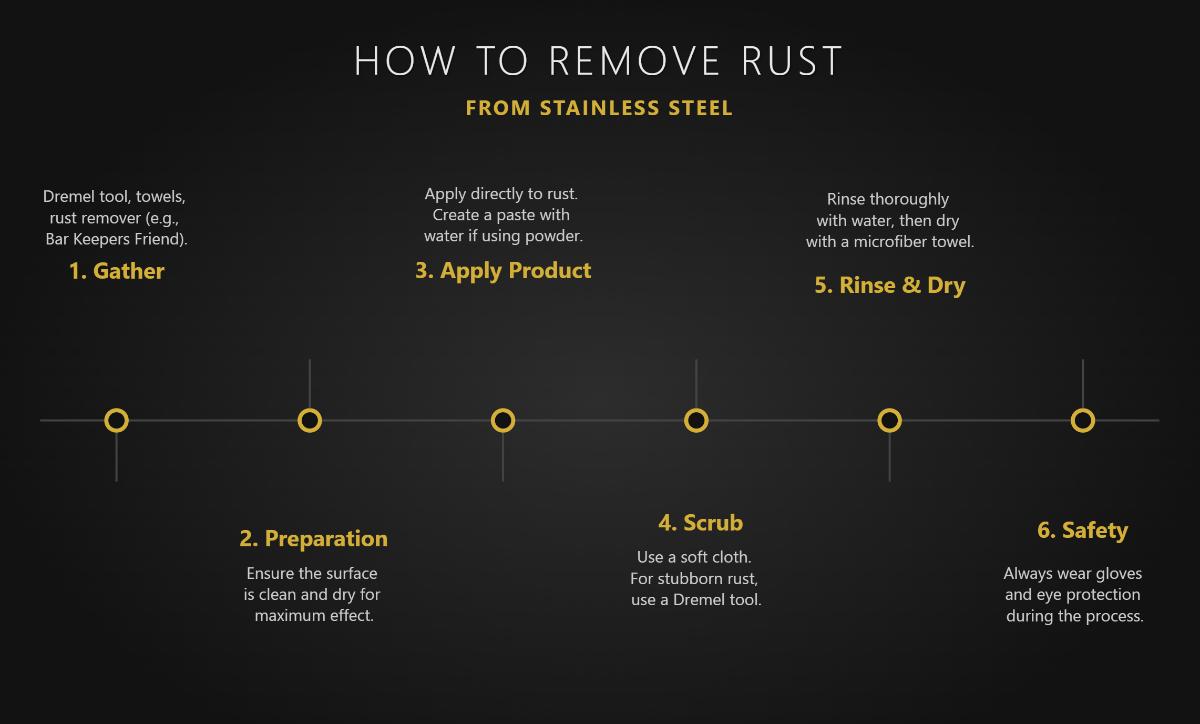
This is a tip that’s so simple, yet so often overlooked. Stainless steel has a grain, just like wood. You can usually see these faint lines running in one direction. Always, always, always wipe and polish in the direction of the grain. Think of it as combing your hair – you do it in one direction to avoid tangles and breakage. Doing it against the grain can create micro-scratches that dull the finish over time.
So, take a moment to observe your appliance. Which way do the lines go? North to south? East to west? Once you know, make that your mantra. Wipe with the grain, polish with the grain. It’s the golden rule of stainless steel care.
The Finishing Touch: Making It Shine Like a Diamond
Once you've tackled the dirt, the spots, and the minor scratches, it's time for the grand finale: making it truly shine. This is where you bring out the big guns… or, more accurately, the special finishing oils.
There are many commercial stainless steel polishes and protectors on the market. These products often contain oils that not only give the steel a brilliant shine but also create a barrier that helps repel fingerprints and smudges. It’s like giving your appliance a protective, glossy coat of armor.
Apply a small amount of the polish to a clean microfiber cloth. Then, gently rub it onto the surface in the direction of the grain. You don’t need a lot; a little goes a long way. Buff with a separate, dry microfiber cloth until you achieve a streak-free, dazzling shine.
If you don’t have a commercial polish, you can try a few drops of mineral oil or even olive oil on your microfiber cloth. Again, use sparingly and buff well to avoid a greasy finish. It’s like using a high-quality conditioner for your hair – it adds shine and smoothness without weighing it down.

The oil not only makes it look fantastic but also helps to make future cleaning a breeze. Those pesky fingerprints will just slide right off, or at least be much easier to wipe away. It’s the gift that keeps on giving!
Prevention is Key: Keeping It Spick and Span
The best way to make your stainless steel look new again is to prevent it from looking less-than-new in the first place. It's a bit like flossing – it's easier to do it regularly than to deal with a cavity later.
Keep those microfiber cloths handy. Wipe up spills and splatters as soon as they happen. Don't let them sit and harden like ancient hieroglyphs on your appliance. A quick wipe with a damp cloth or a paper towel is usually all it takes.
If you have hard water, consider drying your stainless steel sink and faucet after each use. This is the easiest way to prevent water spots from forming in the first place.
And finally, be mindful of what you put on or drag across your stainless steel surfaces. Utensils, pots, and pans with rough bottoms can cause scratches. If you’re moving something heavy, try to lift it rather than slide it. It’s about being gentle, like handling a precious antique.
So there you have it. Making your stainless steel gleam again isn't a Herculean task. It's a series of small, sensible steps that can transform your kitchen from a disaster zone back into a showroom. So go forth, armed with your microfiber cloths and a little bit of elbow grease (but not too much!), and reclaim the shine! Your appliances will thank you, and you might even find yourself doing a little happy dance when you see that glorious, fingerprint-free sheen.