
How To Paint A Metal Door To Look Like Wood

Ever looked at a plain, rather dull metal door and thought, "You know what this needs? Some serious wood appeal!"? Well, you're not alone! Transforming a metal door into a convincing wood lookalike is one of those surprisingly satisfying DIY projects that can totally elevate your home's curb appeal without breaking the bank. It’s like giving your door a stylish makeover, a bit like a celebrity swapping their everyday jeans for a designer gown. The magic behind this transformation lies in a few clever techniques and the right materials, turning something ordinary into something that has that natural, rustic charm we all love about real wood.
Why would you want your metal door to impersonate a majestic oak or a rustic pine? The benefits are numerous and quite compelling. For starters, it's a fantastic way to add warmth and character to your home's exterior. Metal doors, while durable and secure, can sometimes feel a bit… industrial. Introducing a wood grain texture can instantly make your entryway feel more inviting and cohesive with the rest of your home's aesthetic, especially if you have other wooden elements like a porch, fence, or garden furniture. It’s a visual trick that works wonders!
One of the biggest advantages is the cost-effectiveness. Real wood doors, especially high-quality ones with beautiful grain patterns, can be quite pricey. Mimicking that look with paint on a metal door is a fraction of the cost, making it an accessible upgrade for almost any homeowner. Plus, you get the best of both worlds: the security and durability of metal, combined with the aesthetic appeal of wood. Metal doors are less prone to warping, rotting, or insect damage compared to their wooden counterparts, meaning your beautiful faux wood finish will likely last for years with minimal maintenance.
And let's not forget the DIY satisfaction! There's something incredibly rewarding about taking on a project yourself and seeing the tangible, beautiful results. It’s a chance to get creative, experiment with colors, and proudly point to your handiwork every time you welcome guests. It’s a weekend warrior's dream come true, a project that offers a significant visual impact with a manageable effort.
Gathering Your Toolkit: The Essentials for Woodgrain Magic
Before we dive into the fun part, let’s make sure you have everything you need. Think of this as gathering your artist's palette for your door masterpiece. You won't need a whole workshop, just a few key players:

- Primer: This is your foundational layer. A good quality metal primer is crucial to ensure the paint adheres properly and lasts.
- Paint: You’ll need a base coat (often a light to medium brown or tan) and a darker accent color for your woodgrain. Acrylic latex paints are a popular and user-friendly choice.
- Woodgrain Tools: This is where the magic happens! You have options here:
- Woodgrain Stamped Roller: These are specifically designed to create a wood grain effect. They’re super easy to use and give a consistent pattern.
- Specialty Woodgrain Tools: Similar to rollers, these often have unique textures to mimic different wood types.
- DIY Tools: A stiff brush, a comb, or even a crumpled plastic bag can create interesting textures if you're feeling adventurous!
- Brushes: You'll want a good quality angled brush for cutting in edges and a smaller brush for details or touch-ups.
- Sandpaper: A medium-grit sandpaper for light scuffing and a fine-grit for smoothing between coats.
- Cleaning Supplies: Degreaser, rags, and water are essential for preparing the door’s surface.
- Painter's Tape: To protect any areas you don’t want to paint, like hardware or trim.
- Sealer/Topcoat: A clear, exterior-grade sealant or polycrylic will protect your beautiful new finish.
The Transformation Process: Step-by-Step to Woodsy Bliss
Now for the exciting part – bringing your door to life! Don't worry, it’s more about patience and a touch of artistic flair than complex woodworking skills.
Step 1: The Great Clean-Up
First things first, a clean canvas is a happy canvas. Thoroughly clean your metal door. Use a degreaser to remove any dirt, grime, or old paint residue. Rinse it well and let it dry completely. This step is non-negotiable for a lasting finish!
Step 2: Priming for Perfection
Apply a coat or two of your metal primer. This helps the paint stick and prevents rust. Make sure to cover the entire surface evenly. Let it dry according to the manufacturer’s instructions. If you want a super smooth finish, you can lightly sand the primer once it’s dry with fine-grit sandpaper.

Step 3: Laying the Foundation (The Base Coat)
Now it’s time for your base color. This is the main color of your wood. Apply one or two coats of your chosen base paint, allowing each coat to dry completely. Think about the type of wood you want to imitate – lighter tones for pine, richer tones for oak.
Step 4: The Woodgrain Effect - Where the Magic Happens!
This is where you’ll use your woodgraining tool. There are two main approaches:
Method 1: Wet-on-Wet Woodgraining. While the base coat is still slightly wet (or you can re-activate it with a glaze), apply your darker accent color in patches or streaks. Then, immediately use your woodgrain roller or tool. Roll or drag it across the door in a single, continuous motion, following the "direction" of your desired wood grain. The tool will blend the colors and create the wood grain pattern. You might need to wipe your tool clean periodically.
How to Paint your Door to look like Wood | Reality Daydream
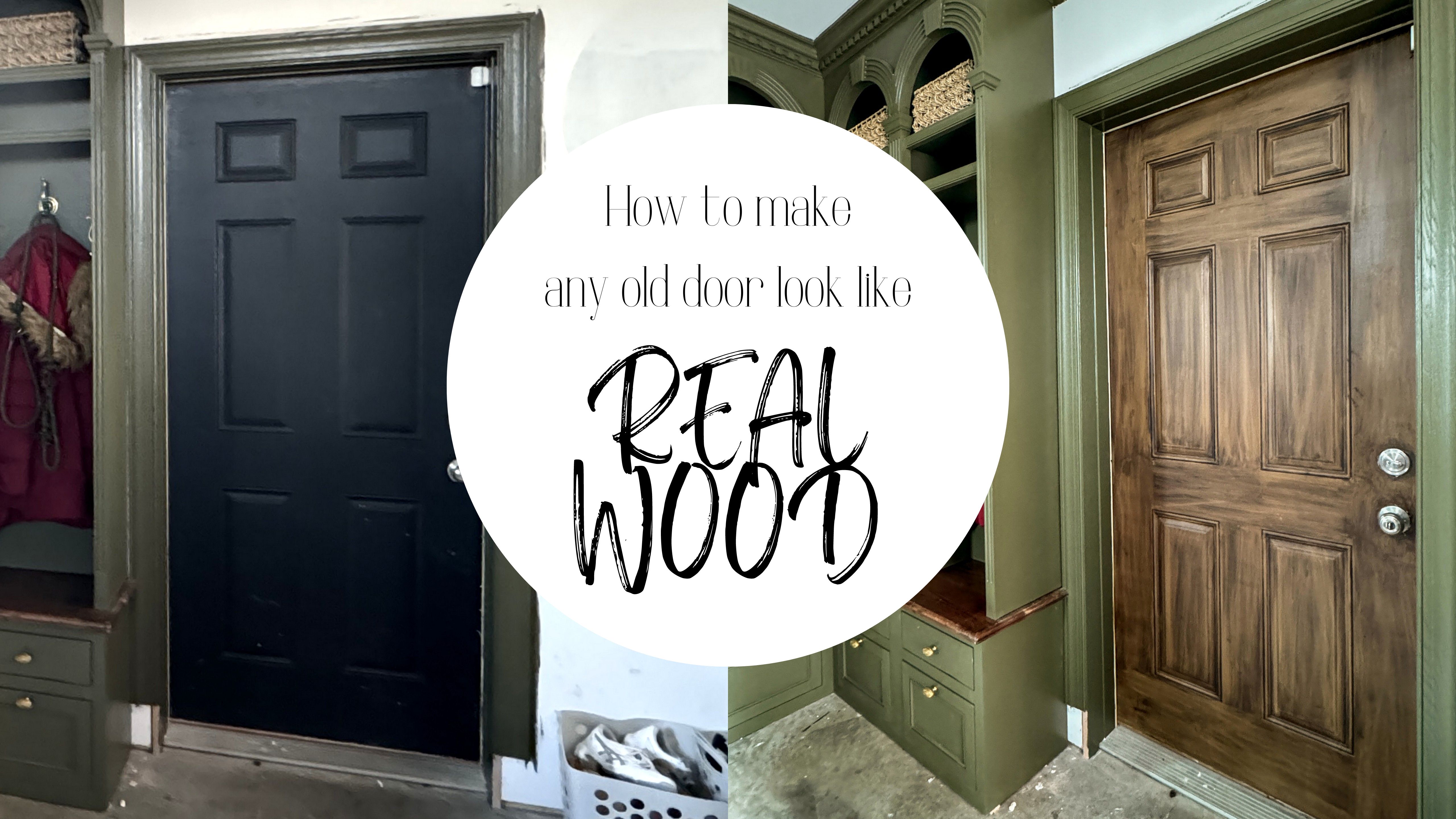
This method creates a more integrated look. You’re essentially pulling the darker color through the lighter one to form the grain.
Method 2: Glaze and Drag. Apply a woodgrain glaze over your dry base coat. A glaze is a translucent mixture that allows you to see the base color through it, creating depth. Then, use your woodgrain tool to drag through the glaze, revealing the base coat and creating the wood grain. This method often provides more control and can create deeper, more realistic-looking grain.
Whichever method you choose, remember to work in sections and practice on a piece of cardboard first to get the hang of it. Experiment with different pressures and speeds to achieve the look you want. Don’t aim for absolute perfection; natural wood has variations!

Step 5: Adding Details and Dimension
Once your base woodgrain is dry, you can add extra details. Use a smaller brush to paint subtle lines or knots, or to deepen the shadows in some areas, mimicking natural wood imperfections. This is where you can really make it look authentic.
Step 6: Sealing the Deal
Once you are absolutely thrilled with your woodgrain masterpiece, it’s time to protect it. Apply a clear, exterior-grade sealant or polycrylic. This will protect your paint from the elements and add a subtle sheen, giving it that finished wood look. Apply two thin coats for maximum durability, letting each coat dry completely.
Enjoy Your Faux-Wood Wonder!
And there you have it! A beautiful, wood-look metal door that adds charm and character to your home. It’s a project that proves you don’t need to be a master craftsman to achieve stunning results. So go ahead, embrace your inner artist, and give that metal door the wooden makeover it deserves!