
How To Paint Over Rusted Metal
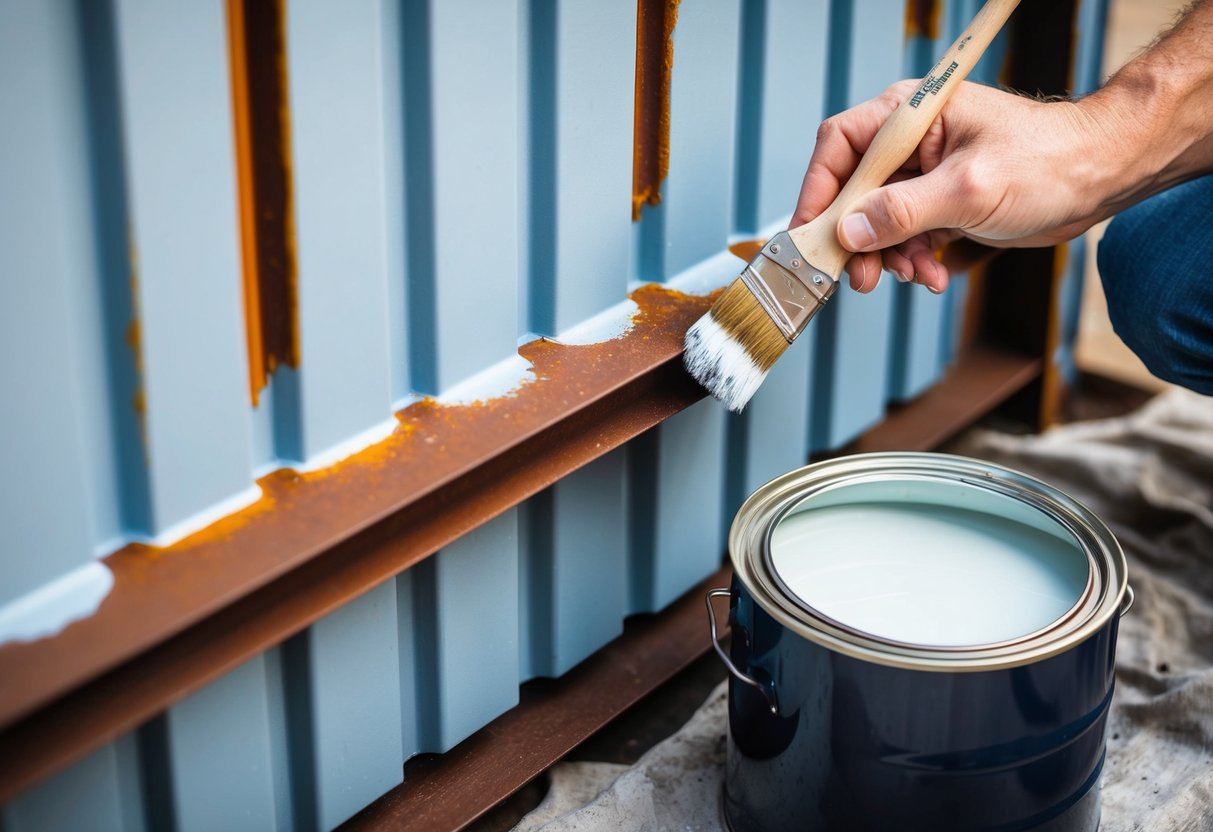
So, you've got this piece of metal – maybe it's an old garden gnome, a trusty bike frame, or even a forgotten barbecue grill – and it's looking a little… weathered. We're talking about that classic orange-brown fuzz, you know, rust. It can be a bit of a bummer, right? Makes things look sad and neglected.
But hey, what if I told you that rust isn't always the end of the story? What if it's actually a chance to give something a new lease on life? Think of it like this: your old item is just getting a bit of a makeover. It's not about hiding the past, but about building a shiny, colorful future!
Painting over rust might sound a little like trying to put lipstick on a pig, but trust me, it's totally doable and can be super satisfying. It’s like you’re becoming a metal doctor, giving it a cure and some snazzy new clothes.
Why Bother Painting Over Rust?
Good question! Why go through the hassle? Well, for starters, it stops the rust from spreading. Rust is like a bad party guest; once it starts, it wants to invite all its friends. If you leave it, it'll just keep eating away at the metal, making it weaker and weaker. Painting is like putting up a “no trespassing” sign for those pesky rust particles.
Plus, let's be honest, a freshly painted piece just looks good. It’s like giving your old friend a spa day and a new outfit. They go from looking tired and a bit grumpy to vibrant and ready for anything. Whether it’s a pop of color on a rusty fence post or a sleek finish on a metal chair, a good paint job can totally transform an item.
And think about the stories these rusty things have! That old watering can might have nurtured generations of prize-winning roses. That swing set might have witnessed countless childhood giggles. Painting over the rust isn't erasing those memories; it's preserving the object so it can continue to be part of new ones.
Okay, So How Do We Do This Magic Trick?
Alright, let's get down to business. Don't worry, it's not rocket science. We're going to approach this like a gentle, methodical transformation. Think of it as a spa treatment for your metal buddy.
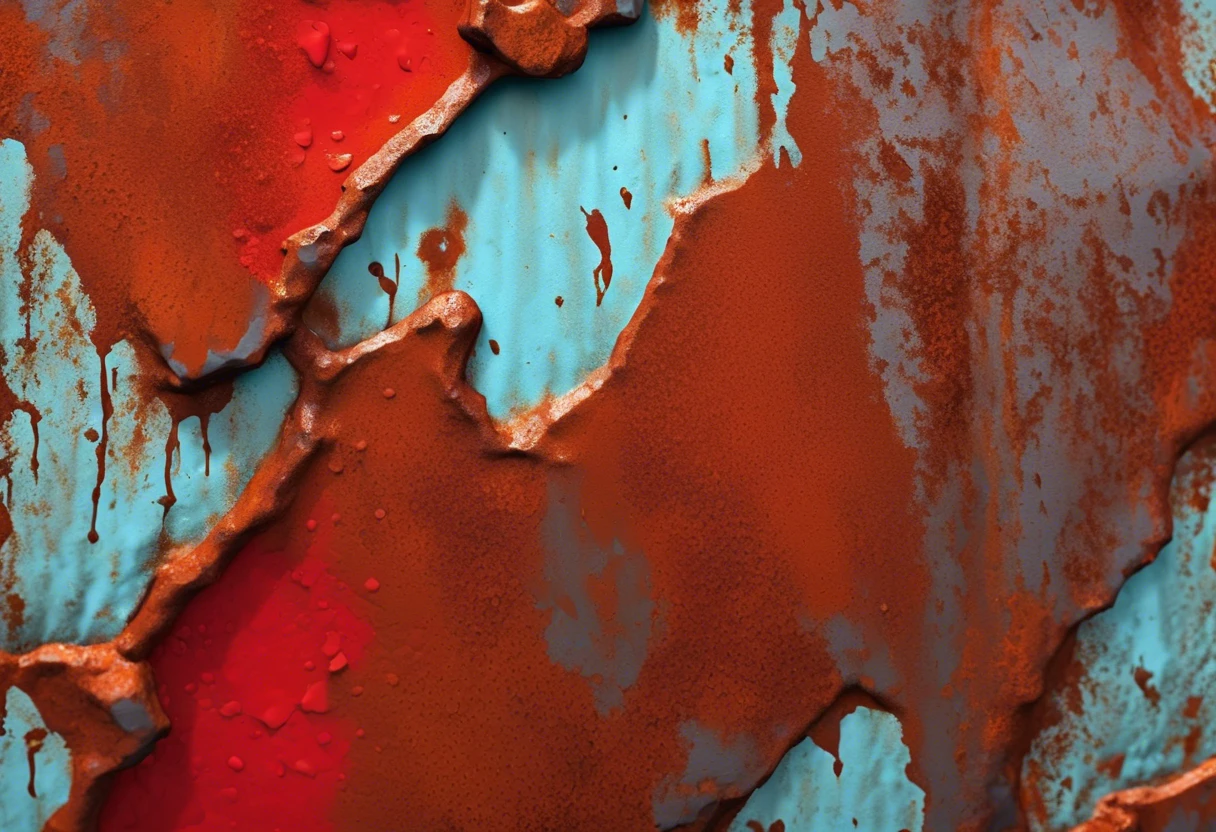
Step 1: The Great Rust Reveal (and Removal!)
First things first, we need to tackle that rust. You can't just slap paint over a big ol' rust patch and expect miracles. It's like trying to paint over a huge gash on your skin without cleaning it – not a good idea!
For light rust, a good old-fashioned stiff wire brush or some sandpaper will do the trick. Get in there and scrub! You want to remove as much of the loose, flaky rust as possible. Think of it as gently exfoliating the metal.
If you've got some really stubborn rust, you might need something a bit more powerful. Wire wheels on a drill or angle grinder can work wonders, but be careful and wear your safety glasses! Nobody wants metal flakes in their eyes, right?
Some people even swear by vinegar or lemon juice for rust removal. You can soak smaller items or apply them to larger ones, let them sit, and then scrub. It's a bit more natural, which is cool!
The goal here isn't to get the metal perfectly shiny, but to get rid of the flaky, crumbly bits. A little bit of surface rust that's firmly attached is usually okay, especially if you're using the right primer later.

Step 2: Clean Sweep and Dry Off
Once you've scrubbed away the rust, you need to get rid of all that dust and debris. A damp cloth or a tack cloth is your best friend here. You want a nice, clean surface for the paint to stick to. Imagine prepping a canvas before an artist starts painting – same principle!
And make sure it's completely dry. Water and paint don't always play nicely together, especially if you want a long-lasting finish. A good few hours in the sun, or a quick blast with a hairdryer, can work wonders.
Step 3: The Mighty Primer – Your Rust's Best Friend
This is where the real magic starts to happen. You absolutely need a good quality rust-inhibiting primer. This stuff is like a superhero cape for your metal. It’s designed to stick to the metal, seal any tiny remaining rust particles, and create a perfect base for your topcoat.
There are different types, but a spray primer is often the easiest for getting into all the nooks and crannies. Shake that can like you mean it! Apply a thin, even coat. Don't go too thick, or it might drip.

Let that primer do its thing. Read the can for drying times, but generally, you'll want to let it cure properly. This is crucial for a durable finish. Patience is key, my friends!
Step 4: Adding Some Personality (The Paint!)
Now for the fun part! You've prepped your metal, you've given it a protective layer, and now it's time to choose your color. This is where you can really let your creativity shine. Want a bright, cheerful yellow for your garden chair? Or a classic black for your gate? The possibilities are endless!
Again, using a spray paint designed for metal is often the easiest and gives a smooth finish. Apply thin, even coats, allowing each coat to dry slightly before applying the next. Think of it like layering a delicious cake – each layer adds to the overall deliciousness!
If you're using a brush, a good quality metal paint will work. Try to use long, even strokes. For that super-smooth finish, some people like to do a light sanding between coats, but that's optional.
You might need a couple of coats to get full coverage, especially if you're going from a dark rusty color to a light color. Just keep layering until you're happy with the opacity and the look.

A Few Extra Tips for a Flawless Finish
Timing is everything. Try to paint on a day that's not too humid or too cold. Extreme temperatures can mess with how the paint dries and adheres.
Ventilation is your pal. If you're spray painting, make sure you're in a well-ventilated area, or wear a mask. We want to make the metal look good, not make ourselves feel ill!
Don't skimp on quality. Using a good quality primer and paint designed for metal will make a huge difference in how long your finish lasts.
Think about the finish. Do you want a matte look, a satin sheen, or a high gloss? Choose a paint that matches your desired aesthetic.
So there you have it! Painting over rusted metal is totally achievable and incredibly rewarding. It’s a way to bring old things back from the brink, give them a new purpose, and add a splash of color and personality to your world. Next time you see something rusty and neglected, don't sigh. Smile, and think of it as your next exciting DIY project!