
How To Pattern A Shotgun For Trap

Ever watched a really good trap shooter, the kind who makes those clay pigeons just explode into a colorful confetti cloud, and thought, "Wow, that looks like fun!"? Well, guess what? It is! And while a lot of it comes down to practice, there's a little secret weapon every shooter relies on, and it's called "patterning."
Now, you might be picturing some serious, tweed-wearing folks with magnifying glasses and protractors, huddled over a workbench. And yeah, some people can get pretty detailed. But at its heart, patterning your shotgun for trap is like getting to know your trusty sidekick really, really well. It's about seeing where your gun likes to send its little pellets of love, so you can make sure they find their target with a satisfying thwack.
Think of it this way: imagine you're throwing a bunch of tiny, fast frisbees at a moving target. You want to know if they all tend to bunch up in one spot, or if they spread out nicely like a friendly wave. That's what patterning does for your shotgun. It’s a surprisingly simple concept, but the results can be surprisingly insightful.
The Big Reveal: Seeing Your Gun's Personality
So, how do we do this magical thing called patterning? Well, it usually involves a big piece of paper, something you can't miss, like a giant sheet of cardboard or, as I like to call them, "patterning targets." You stand a set distance away – usually around 25 or 30 yards for trap – and you fire a shot. Then, you walk up to your target and see where all those little pellets landed. It's like a treasure hunt, but instead of gold, you're looking for a nice, tight cluster of holes.
And here's where the fun (and sometimes the hilarious surprises) come in. Every gun is a little bit different, and even the same gun with different shells can behave like a moody artist. You might expect your pellets to go perfectly straight, but instead, you find they've decided to take a slight detour. It's like your shotgun has a mischievous streak! One day, you might be shooting your favorite Federal Top Gun shells, and they might love to cluster high and to the left. The next day, you switch to some Winchester Super X, and suddenly, they're all snug as a bug in a rug right in the center.
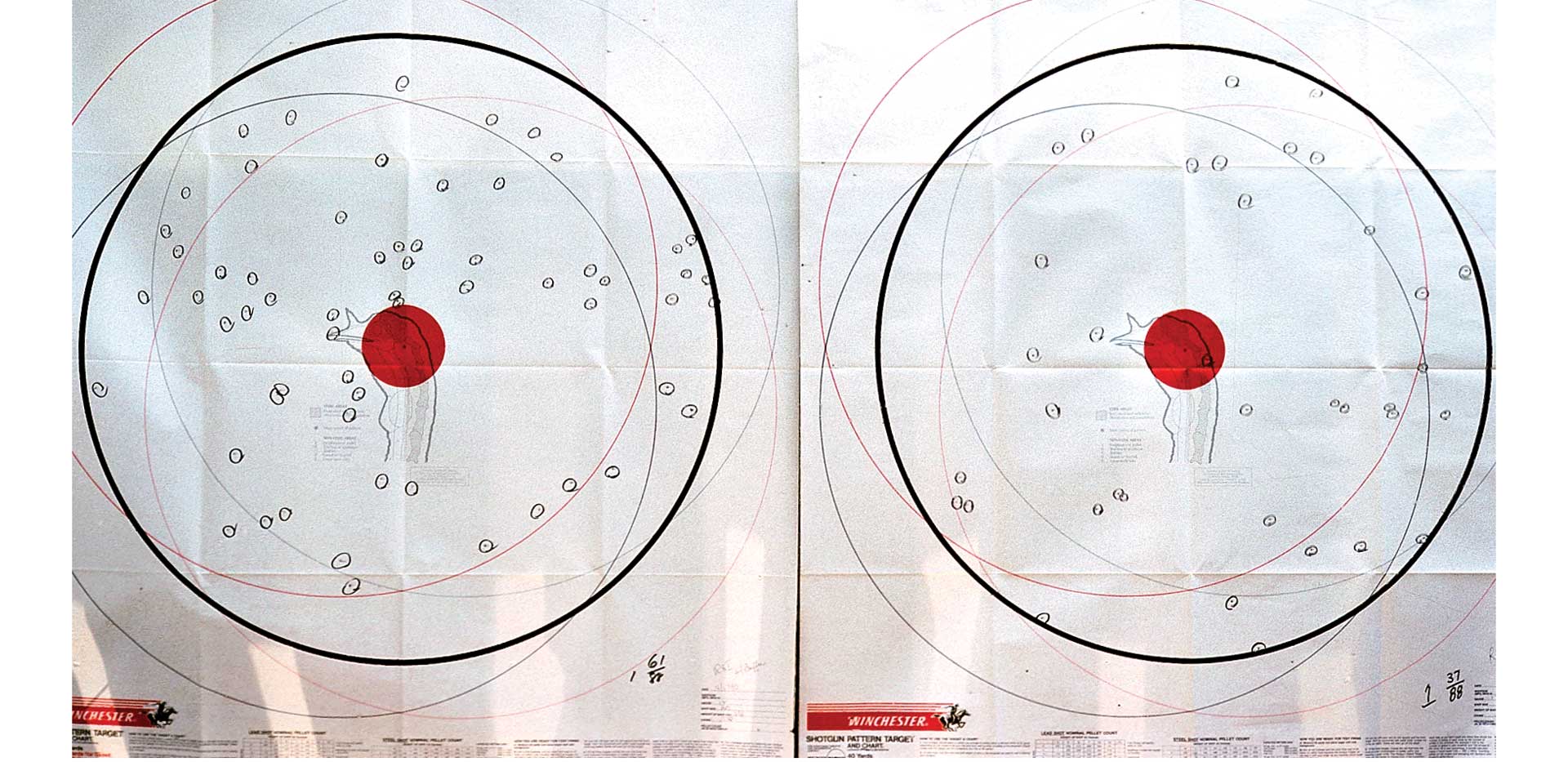
It's important to remember that this isn't about judging your shooting skills at this stage. This is about understanding your equipment. You're not the one flying through the air at 50 miles an hour; it's the clay pigeon! And your job is to get your shotgun to send its best wishes (in the form of a hundred tiny pellets) to that unsuspecting bird.
The "Ah-Ha!" Moments and the Heartwarming Connections
There's a real sense of discovery when you pattern your shotgun. You're not just aiming at a target; you're learning the 'sweet spot' of your firearm. It’s like finding out your dog’s favorite belly rub spot – once you know it, you can give them pure bliss. With your shotgun, you're finding the spot where it's most effective, most… happy to do its job.

I remember one time, I was helping my neighbor, Mr. Henderson, pattern his old over-and-under. He’d inherited it from his dad and had never really “tested” it. He was a bit nervous, fiddling with his hat. We fired a few shots, and the pattern was… well, let’s just say it looked like a grumpy porcupine had sneezed. Mr. Henderson looked crestfallen. But then we tried a different type of load, a softer one, and suddenly, the pattern tightened up beautifully, like a perfectly formed bouquet of daisies. His face lit up. He said it felt like he was finally understanding his dad’s old gun, and in a way, he was. It was a really heartwarming moment, seeing that connection form.
This process also helps you understand why sometimes you might miss a target. It’s not always about your eye being off. Maybe your gun just has a preference for where it sends those pellets, and you need to adjust your aiming point slightly to compensate. It’s about working with your gun, not just commanding it.
Making Friends with Your Shotgun
So, the next time you hear about patterning a shotgun, don't think of it as a chore or a technical nightmare. Think of it as a fun date with your firearm. It's a chance to get to know its quirks, its strengths, and its little personality. You'll learn where it shines, and you'll have a much better understanding of why you hit or miss your targets. And who knows, you might just find yourself with a newfound appreciation for the intricate dance between shooter, gun, and clay pigeon. Happy patterning!