
How To Play Heavy Metal Guitar
So, you've heard the roar. The thunderous riffs. The shredding solos that sound like lightning bolts in guitar form. You're curious about how people actually make all that noise and magic. Well, buckle up, because diving into heavy metal guitar is less about complicated rules and more about pure, unadulterated fun and power!
First off, what makes heavy metal guitar so darn cool? It’s the attitude. It’s about feeling that raw energy surge through you. It's the catharsis of letting loose and making some serious noise. Think of it like unleashing your inner rock god or goddess. It's dramatic, it's epic, and it’s just plain fun to play loud.
You don't need to be a virtuoso overnight. The journey is the best part. And honestly, the basics are more accessible than you might think. Let’s talk about what you’ll need to get started. Obviously, you’ll need a guitar. For metal, a solid-body electric guitar is your best friend. Something with humbucker pickups is usually preferred, as they give you that thick, powerful sound. Brands like Gibson, Fender (though often associated with other genres, their models can be adapted), and especially dedicated metal brands like Ibanez, ESP, and Jackson are popular choices. But don't stress too much about having the fanciest guitar when you're just starting out. Any electric guitar will do the job to get you going!
Next, you'll need an amplifier. This is where the magic happens, where your guitar's voice gets amplified and gets that signature metal crunch. You can start with a small practice amp. They’re great for learning and won't annoy your neighbors too much. As you get more serious, you might look at bigger amps that can really shake the room.
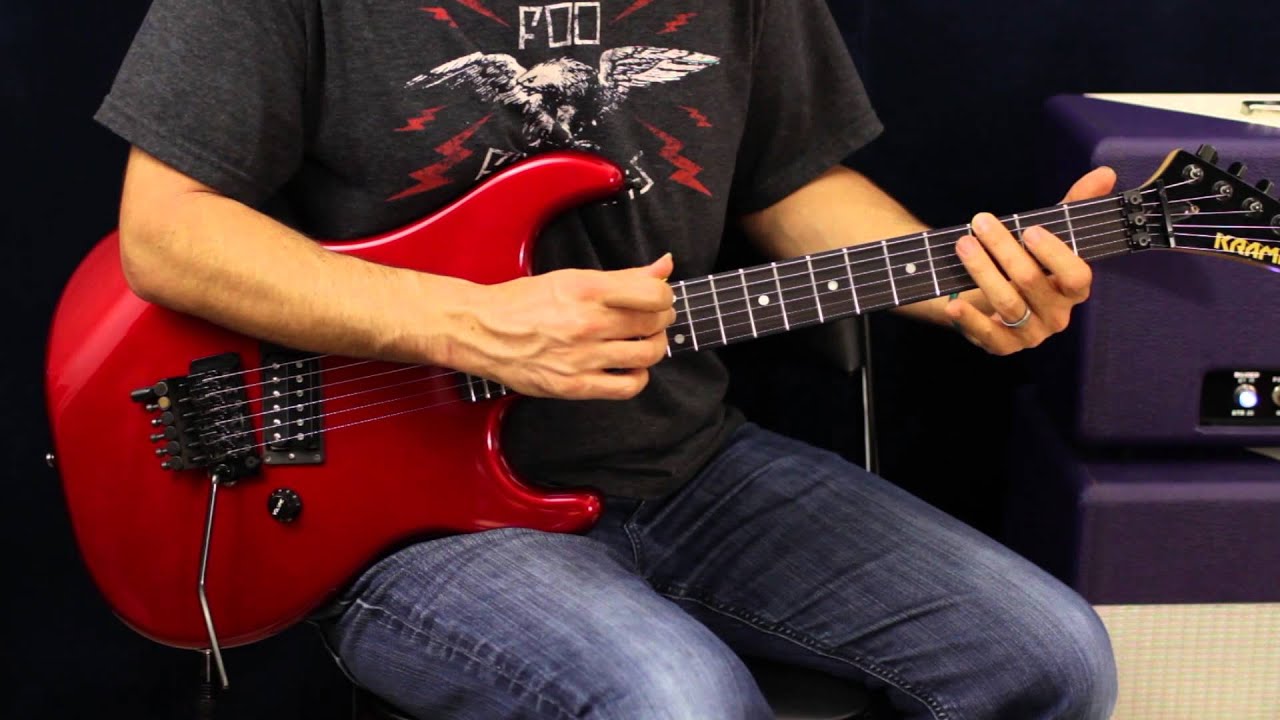
Now, for the fun part: the sounds! Heavy metal guitar is all about specific techniques. One of the most fundamental is palm muting. This is where you lightly rest the side of your picking hand on the strings, right by the bridge. It creates this percussive, chunky sound that’s the backbone of countless metal riffs. It’s like giving your guitar a rhythmic punch. Try it! You’ll hear it instantly. It makes even simple notes sound powerful and aggressive. It’s amazing how much character you can add with just this one simple technique.

Then there's power chords. These are the building blocks of most rock and metal music. Unlike regular chords which have three or more notes, power chords typically use just two or three: the root note and the fifth. They sound fuller and more powerful, perfect for those anthemic riffs. They’re also super easy to learn and move around the fretboard. You’ll be playing your favorite riffs in no time. Imagine playing a massive, stadium-filling chord – that's the power of a power chord!
What about those super-fast, crazy sounding bits? That’s often alternate picking. Instead of just picking down, you alternate picking down and up. This allows you to play notes much faster and more fluidly. It takes practice, but it’s incredibly rewarding. It’s like training your hand to dance on the strings. Many guitarists spend years honing this skill, and it’s a huge part of what gives metal its intense speed and precision.
And of course, we can’t forget distortion. This is the effect that gives metal guitars their signature gritty, overdriven, sometimes fuzzy sound. Most amps have a "gain" or "drive" knob that you can turn up to get this sound. Pedals, too, can add even more layers of distortion. It’s this fuzz that makes the guitar sound like it's roaring. It's the sonic equivalent of a leather jacket – it just feels right for metal. You can go from a slight crunch to a full-on sonic assault depending on how much you crank it up.
Learning some iconic riffs is a fantastic way to start. Think about the opening of "Smoke on the Water" by Deep Purple (okay, maybe more hard rock, but a great starting point!). Or the instantly recognizable riff from Black Sabbath's "Iron Man". These are legendary for a reason. They're catchy, powerful, and relatively simple to get under your fingers. Once you nail those, you’ll feel a sense of accomplishment that’s incredibly motivating.
It’s all about having fun and making noise you love.
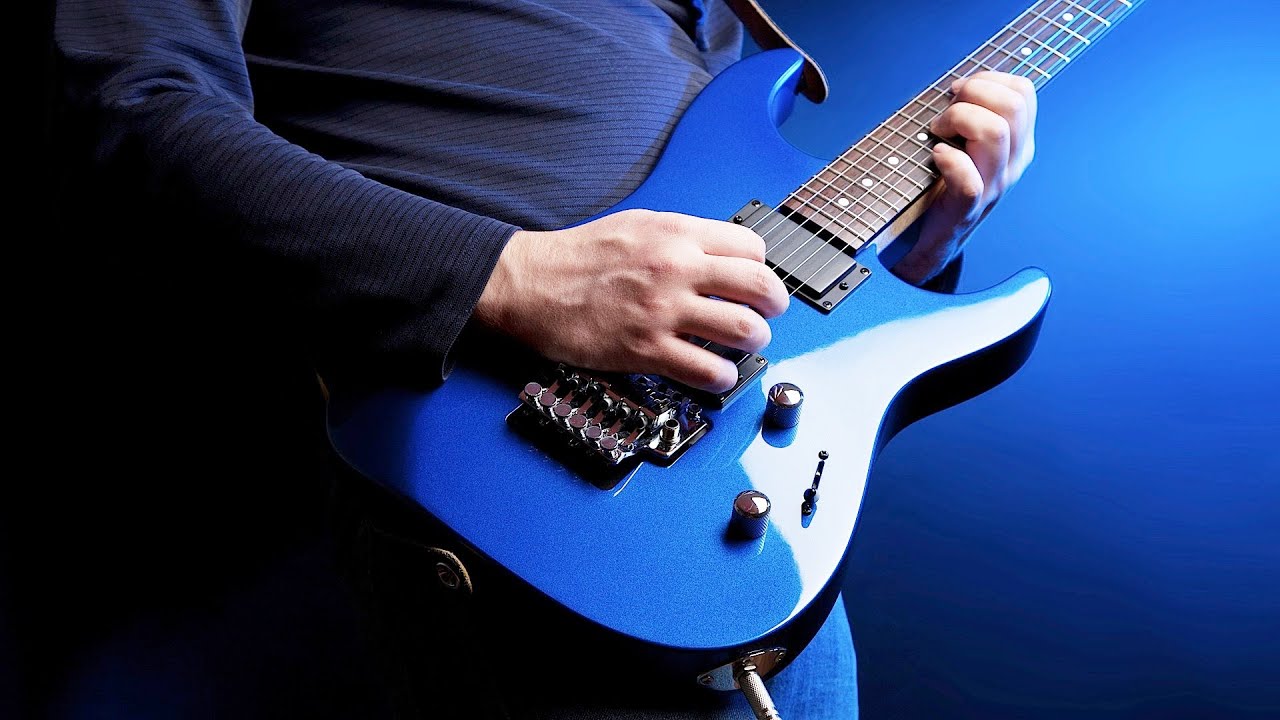
Premium Photo | Heavy metal guitarist with their guitar and amp set up

As you progress, you’ll explore more advanced techniques like hammer-ons and pull-offs, which let you play notes without picking every single one, creating smoother, more fluid lines. Then there’s tapping, where you use your fretting hand to tap notes on the fretboard, allowing for incredibly fast and complex passages. And, of course, the legendary guitar solo. This is where you get to express yourself, to weave intricate melodies and shred with wild abandon. It’s the moment where the guitar truly sings or screams its heart out.
Don't be afraid to experiment. Metal is a genre that thrives on pushing boundaries. Listen to your favorite bands. What do you hear? Try to mimic it. There are a gazillion tutorials online for almost any riff or technique you can imagine. Websites like YouTube are an absolute goldmine. You can find lessons from world-class guitarists breaking down everything from beginner riffs to mind-bending solos. Many of them are incredibly generous with their knowledge.
The most important thing is to have patience and persistence. Learning any instrument takes time. There will be moments of frustration, but there will be far more moments of triumph. That feeling when you finally nail a difficult riff or a blistering solo? It’s pure magic. It’s a feeling of mastering something powerful and creative. Heavy metal guitar isn't just about playing notes; it's about conveying emotion, energy, and a sense of rebellion. It’s about the camaraderie of musicians and the sheer joy of making music that makes you feel alive. So grab a guitar, crank up the amp (responsibly!), and start making some noise!