
How To Prepare And Cook Jerusalem Artichokes
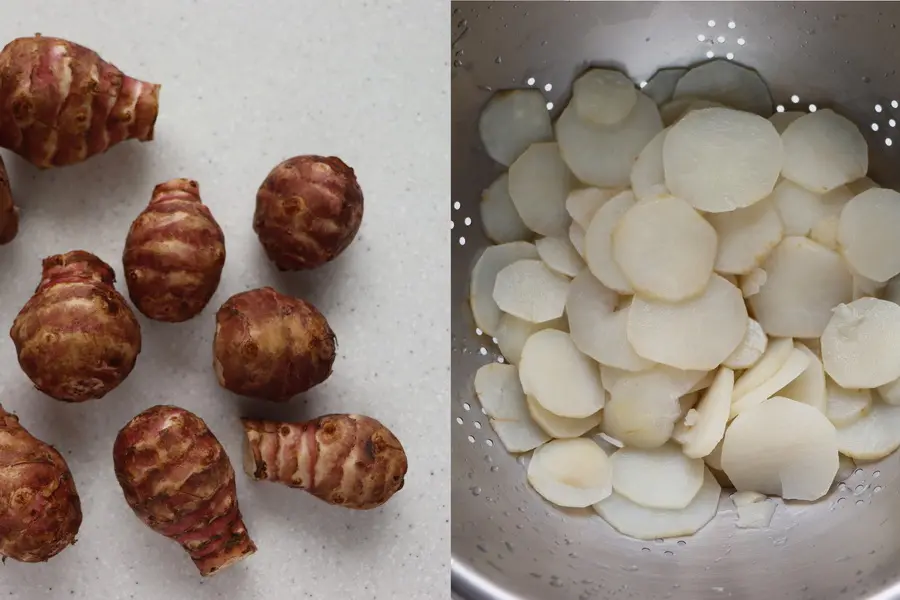
Ever stumbled upon a lumpy, knobbly root at the farmers market and wondered what on earth it was? That, my friends, is likely a Jerusalem artichoke, also known as a sunchoke. While its name might suggest a Mediterranean origin and a penchant for pasta, this unassuming tuber actually hails from North America and has a history as fascinating as its flavor. Learning to prepare and cook these fascinating roots is a delightful culinary adventure, offering a chance to explore a less-common ingredient that’s surprisingly versatile and packed with goodness.
So, what’s the big deal about Jerusalem artichokes? Their primary purpose in our kitchens is to bring a unique, slightly sweet, nutty flavor and a satisfying, often creamy texture to a variety of dishes. Unlike their potato cousins, they’re a fantastic source of inulin, a type of dietary fiber that acts as a prebiotic. This means it feeds the beneficial bacteria in your gut, contributing to a healthier digestive system. They’re also a good source of iron and potassium, making them a nutritionally sound addition to your diet.
Beyond the dinner plate, Jerusalem artichokes offer a fun opportunity for learning. In an educational setting, they can be used to teach about plant biology, demonstrating underground storage organs and the differences between root vegetables. For kids, the challenge of peeling their bumpy surface can be a fun, hands-on activity, encouraging them to try new foods. In daily life, embracing Jerusalem artichokes means expanding your culinary repertoire beyond the usual suspects. They’re a fantastic way to impress guests or simply to add a touch of novelty to your weeknight meals.
Ready to dive in? Preparing Jerusalem artichokes is simpler than you might think. The key is to wash them thoroughly to remove any dirt clinging to their nooks and crannies. You can either scrub them well and leave the skin on (especially if they’re young and tender) for a more rustic feel, or you can peel them if you prefer a smoother texture. Be warned, peeling can be a bit tedious, but the delicious results are worth it! A small paring knife works best for navigating their irregular shapes.

When it comes to cooking, the possibilities are wonderfully broad. Roasting is perhaps the easiest and most popular method. Simply toss your prepared Jerusalem artichokes with olive oil, salt, pepper, and your favorite herbs (rosemary and thyme are fantastic companions). Roast them in a preheated oven at around 400°F (200°C) until they’re tender and slightly caramelized, typically 25-35 minutes. They make an excellent side dish, adding a lovely sweetness to roasted meats or poultry.
For a creamier option, consider making Jerusalem artichoke soup. Simmering them with broth, onions, and garlic, then blending until smooth, creates a surprisingly rich and flavorful soup, often rivaling traditional potato leek. You can also thinly slice them and add them raw to salads for a delightful crunch and a hint of nuttiness, or even grate them into fritters for a crispy treat. Don't be afraid to experiment! The best way to explore Jerusalem artichokes is to just start cooking. Grab a handful, give them a good scrub, and see where your culinary curiosity takes you. You might just discover your new favorite vegetable!