
How To Prevent Stainless Steel From Sticking
Ah, stainless steel. The shiny, sturdy backbone of our kitchens. It’s the stuff of dreams, or at least, the stuff of pots and pans that don’t rust and look perpetually ready for a cooking show. But let’s be honest, sometimes our beloved stainless steel pans decide to get a little too… personal with our food. It’s like they’ve fallen in love with that pancake, that piece of fish, that perfectly seared chicken, and absolutely refuse to let go.
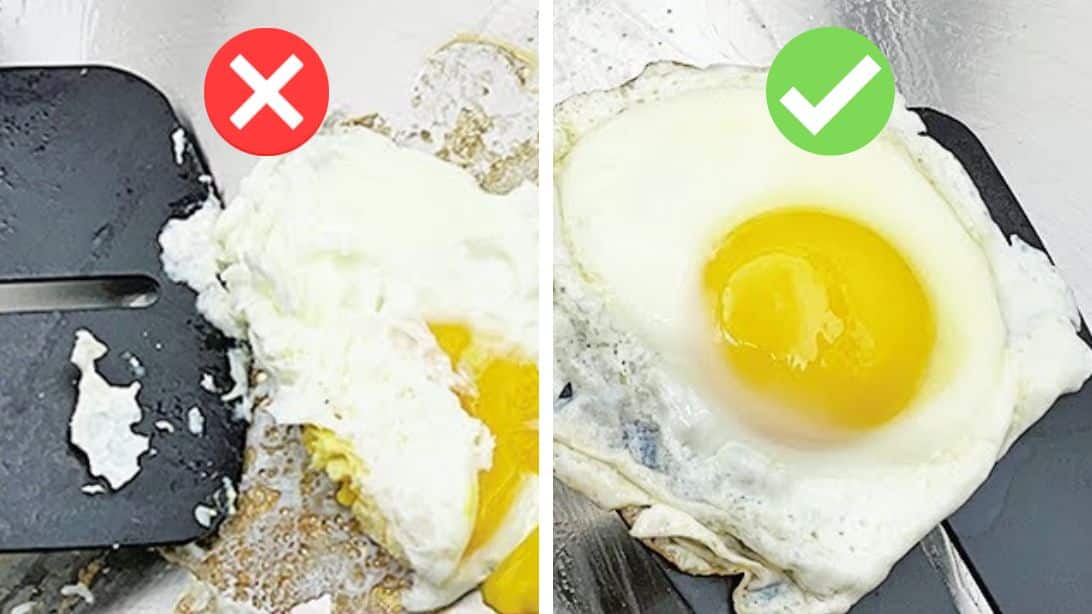
We’ve all been there, right? You’re whipping up a culinary masterpiece, feeling all confident and chef-like, and then BAM! You try to flip that beautiful omelet, and half of it decides to stage a daring escape and redecorate your pan’s surface with its gooey insides. It’s the kitchen equivalent of a toddler’s tantrum, only far less adorable and with significantly more scrubbing involved.
It’s like they're whispering, "Nope, nope, nope! This is our special bond. You can't just remove me!" And you’re left there, holding your spatula like a defeated knight, staring at the remnants of your delicious intentions. Don’t you just want to scream, "Let go, you metal fiend!"?
But fear not, fellow home cooks! This isn't some arcane magic only the pros understand. Preventing your stainless steel from turning into a sticky, stubborn adversary is more about a few simple tricks than channeling your inner wizard. Think of it as giving your pan a little pep talk before it meets its delicious destiny.
The Secret Sauce: It’s All About the Heat!
This is where most of us stumble. We’re in a hurry, we’re hungry, and we just want to get that food cooking. So, we crank up the heat and toss our ingredients in. Big mistake. Huge.
Imagine you’re meeting someone for the first time. You wouldn’t just dive into a deep, personal conversation immediately, would you? You’d ease into it, right? A friendly hello, a bit of small talk… a gentle introduction. Your stainless steel pan and your food need the same courtesy.
Preheating is your best friend. And I don’t mean just a minute or two. We’re talking a good, solid three to five minutes on medium or medium-low heat. You want the pan to get nice and evenly warm. Think of it like warming up your muscles before a workout. You wouldn’t just jump into a marathon without stretching, and your pan shouldn’t just jump into searing mode.
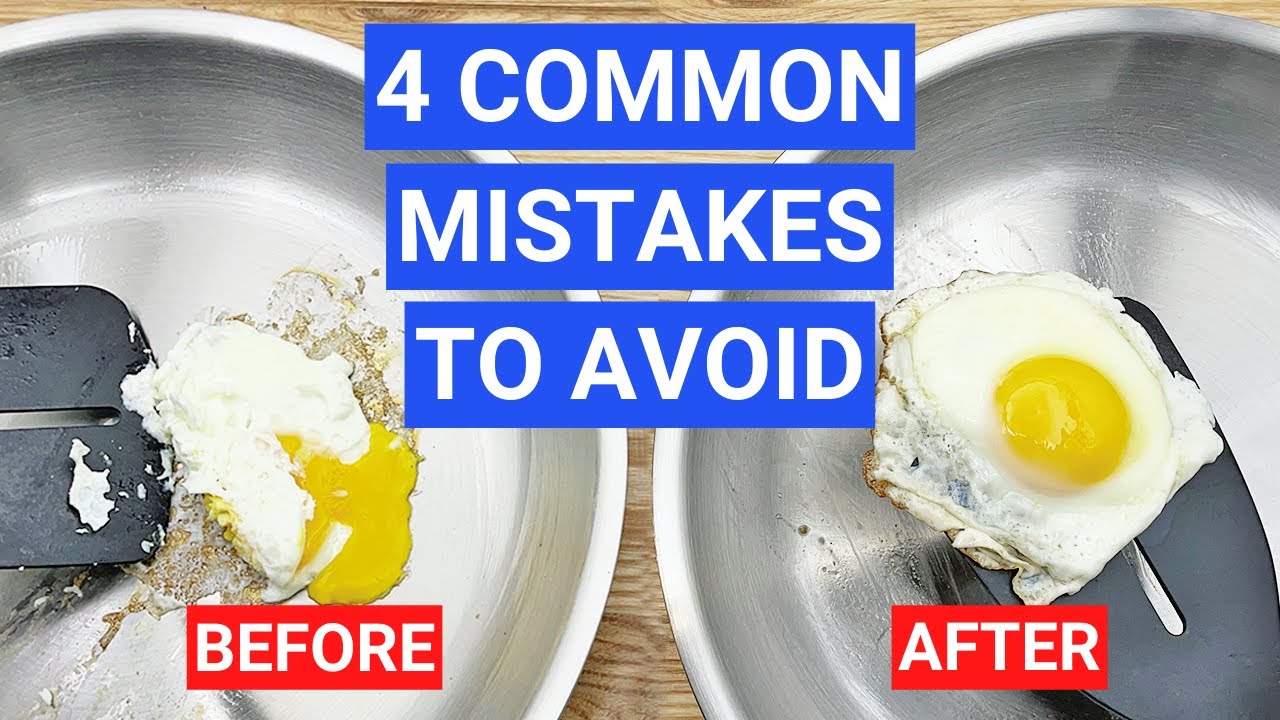
How do you know if it’s ready? This is where the old-school chef trick comes in. Flick a few drops of water into the pan. If they sizzle and evaporate instantly, it's too hot. If they just sit there, it’s too cool. But if they form little balls and dance around the pan before disappearing? Chef’s kiss! That’s the sweet spot. It’s like the pan is saying, "Okay, I'm ready to mingle!"
The Oil Whisperer: More Than Just Lubrication
Now that your pan is properly warmed up, it’s time for the oil. And this isn't just about stopping things from sticking; it's about creating a barrier, a tiny, invisible shield between your precious food and the unforgiving metal.
Here’s the deal: you need to add your oil after the pan is hot. And not just a tiny dribble. You want enough to coat the bottom of the pan. Think of it like painting a very thin, edible layer. Swirl it around, get it into every nook and cranny. It’s like tucking your food into a cozy, oiled bed.
And what kind of oil? For most everyday cooking, a neutral oil like vegetable oil, canola oil, or grapeseed oil works wonders. They have a higher smoke point, meaning they can handle the heat without burning and making your food taste like disappointment. Olive oil is great for finishing dishes or lower-heat cooking, but for that initial sear, stick to the more robust options.
The key is to let that oil get hot too! You'll see it shimmer. It's almost like a visual cue that it's ready to do its job. This is the moment of truth. When you add your food now, it should sizzle immediately, and that sizzle is a good thing. It means it’s starting to cook, not starting to cling.

The Food Release: Patience is a Virtue, Especially in the Kitchen
This is perhaps the most tempting moment to rush. You’ve got your beautifully seasoned chicken breast, it’s making that glorious searing sound, and you just know it’s time to flip it. But wait! Your pan is still doing its magic, forming that lovely crust. If you try to force it too soon, you’re asking for trouble. You’re essentially ripping off a Band-Aid before it’s ready to come off. It’s going to hurt, and it’s going to leave a mess.
Give your food a minute or two to develop that sear. You’ll feel it release naturally when it’s ready. It’s like a little nudge. The food will start to feel less “stuck” and more like it’s ready to be moved. You can gently try to lift a corner with your spatula. If it glides effortlessly, you’re good to go. If it’s still fighting you, give it another 30 seconds. This is where that chef’s intuition starts to kick in.
Think of it like coaxing a shy friend to join a party. You don’t shove them in; you offer them a friendly hand and wait for them to feel comfortable. Your food and your pan are in a similar dance. Let them get comfortable with each other before you try to change the rhythm.
The "Don't Overcrowd the Pan" Rule: Giving Your Food Space to Breathe
This is a crime against good cooking, and it’s a sure-fire way to invite sticking. You’ve got a beautiful steak, a few chicken thighs, maybe some veggies. You think, "I can fit it all in one go!" Wrong. Absolutely wrong. You’re essentially creating a food sauna where nothing can sear properly.
When you overcrowd your pan, you drop the temperature of the pan significantly. All those lovely juices from the food? They steam instead of evaporating. And what happens when food steams in its own juices in a hot pan? It turns into a sticky, mushy mess. It’s like trying to have a conversation in a crowded elevator – nobody can hear each other, and everyone’s just a little bit uncomfortable.

You want space. You want air circulation. You want your ingredients to have their own personal space to develop that gorgeous, golden-brown crust. So, if you’re cooking in batches, do it! It might take a few minutes longer, but the reward is a pan that’s happy, food that’s perfectly cooked, and minimal scrubbing later. Your pan will thank you, your taste buds will thank you, and your sanity will definitely thank you.
Beyond the Cook: Caring for Your Stainless Steel Friend
Preventing sticking isn’t just about what happens during cooking; it’s also about how you treat your pan afterwards. A well-cared-for stainless steel pan is a happy pan.
First off, let it cool down a bit before you start scrubbing. Plunging a screaming hot pan into cold water is a recipe for disaster. It can warp your pan and make cleaning even harder. Think of it like taking a hot shower immediately after a strenuous workout – not the most pleasant experience.
When it comes to cleaning, skip the steel wool and harsh abrasive scrubbers. These can scratch up the surface of your pan, making it more prone to sticking in the future. Think of those scratches as tiny little gripes that food can catch on. Instead, opt for a good quality sponge or a nylon scrubber. For those stubborn bits, a bit of baking soda and water can work wonders. It’s gentle yet effective, like a firm but loving hug.
And for those times when even baking soda needs a little backup, a gentle degreaser or a specialized stainless steel cleaner can do the trick. Just remember to rinse thoroughly and dry your pan completely after washing. Water spots are the little dust bunnies of the kitchen – they’re annoying and can dull your pan’s shine.
The Seasoning Illusion: It's Not Quite Cast Iron
Some people think stainless steel needs to be "seasoned" like cast iron. While there are some techniques to help it along, it’s not the same as building up a polymerized layer of oil on cast iron. Stainless steel is naturally non-porous, which is why it doesn’t rust. This also means it doesn’t build up that same kind of non-stick surface.
However, the preheating and oiling techniques we’ve discussed are your version of "seasoning" stainless steel. By ensuring the pan is hot enough and the oil is shimmering, you're creating a temporary barrier that acts very much like a seasoned surface. So, don’t get caught up in trying to replicate cast iron seasoning on your stainless steel. Focus on the fundamentals: heat, oil, and patience.
A Little More Love, a Lot Less Scraping
So there you have it. The secrets to a happy, non-stick stainless steel pan are surprisingly simple. It’s all about understanding the material and treating it with a little respect. Think of it as building a good relationship. You need to communicate (proper heating!), show affection (the right amount of oil!), and give it space (don’t overcrowd!).
The next time you’re faced with a stubborn pancake or a clinging piece of fish, take a deep breath. Did you preheat long enough? Did you use enough oil? Did you let it cook before trying to flip? Most of the time, the answer to these questions will unlock the mystery of the sticky pan.
And when you finally achieve that perfect sear, that effortless flip, and that satisfying scrape of the spatula to an empty pan… well, that’s a feeling of triumph, isn’t it? It’s a small victory, but in the grand scheme of home cooking, it’s a delicious one. So go forth, and conquer your stainless steel! May your meals be perfectly cooked and your scrubbing be minimal.