
How To Prevent Sticking On Stainless Steel
Okay, so let's talk about a kitchen conundrum we've all probably faced: the dreaded sticky situation with our beloved stainless steel pans. You know, the one where your perfectly seared salmon decides it's made a permanent home on the bottom, or your delicate eggs refuse to slide out like they're supposed to. It's like the pan's saying, "Nope, I'm holding onto this!"
It can be a little frustrating, right? Especially when you've spent a decent chunk of change on those shiny, sleek stainless steel beauties. They look so professional, so capable. And for the most part, they are! They're workhorses, excellent at searing, browning, and generally making your food taste amazing. But sometimes, they can be a little… clingy. So, how do we get them to chill out and release their culinary prisoners?
The good news is, it's not some ancient secret lost to the ages. Preventing sticking on stainless steel is actually pretty straightforward once you understand a few basic principles. Think of it like learning to be friends with your pan, rather than adversaries. You're working with it, not against it.
Why Does It Even Happen?
Before we dive into the solutions, let's get a little curious about why this sticking thing even happens. Stainless steel, while gorgeous, isn't naturally non-stick. Unlike those fancy Teflon-coated pans that are practically designed to repel food, stainless steel has a surface that, at a microscopic level, is actually quite rough. It’s like tiny little valleys and peaks.
When you put food in a cold or lukewarm pan, especially with a bit of oil, the food’s proteins can actually seep into those tiny crevices. Then, as the pan heats up, these proteins essentially cook and bond to the metal. It’s like they’re getting cemented in place! Not ideal for a clean release, is it?
Another culprit? Temperature. If the pan is too hot, food can burn and stick almost instantly. If it’s not hot enough, the food sits there too long, giving those proteins ample time to get acquainted with the metal surface. It’s a delicate dance, and sometimes we miss a step.

The Secrets to a Stick-Free Surface
So, what’s the secret sauce, or rather, the lack of sticky sauce? It all comes down to a few key techniques. Let's break them down:
1. Preheat Power!
This is probably the most important step, and it's so simple. You need to preheat your pan. But not just a quick zap on medium heat. You want to give it a good few minutes over medium heat (or medium-low for delicate items) until it's evenly warm. How can you tell? A quick water-drop test is your friend. Flick a tiny bit of water into the pan. If it evaporates instantly, it’s too hot. If it just sits there, it’s too cold. But if it forms a little bead that dances and glides around the pan before eventually disappearing, you're golden!
This preheating step is like creating a nice, even surface for your food. It’s also crucial for properly heating your oil. If your oil is too cold, it just soaks into the food and doesn't create that protective barrier. Think of it like trying to paint on a cold canvas versus a nicely primed one – the paint just doesn't go on as smoothly.
2. The Oil Oligarchy (of Prevention)
Once your pan is nicely preheated, it’s time for the oil. And here's where many people go wrong. They either use too much, too little, or add it too early.

Add your oil after you preheat, but before adding your food. You want the oil to shimmer slightly, indicating it’s hot enough to create a slick surface. Don't let it smoke, though! Smoke means it's too hot and can actually start to break down and cause sticking.
How much oil? You don't need to drown the pan. Just enough to coat the bottom thinly is usually sufficient. Think of it as creating a slippery moat for your food to float on, rather than a swimming pool.
And what kind of oil? A neutral oil with a higher smoke point is generally best, like canola, vegetable, or grapeseed oil. Olive oil is great for flavour, but if you're searing at high heat, it can burn.

3. Don't Crowd the Pan!
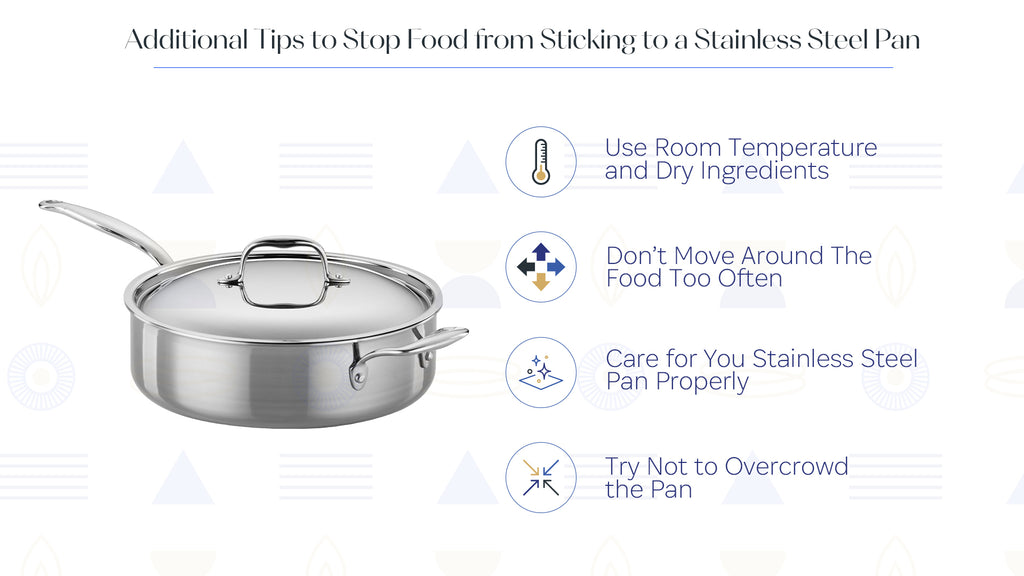
This is another biggie, especially when you’re cooking multiple pieces of food. If you cram too much into your pan, you lower the temperature of the pan dramatically. This leads to steaming instead of searing, and the food gets soggy and sticks. It’s like trying to pack too many people into a small elevator – everyone’s uncomfortable and things get messy.
Cook in batches if necessary. Give your food some breathing room. This allows each piece to get properly browned and develop that delicious crust without interfering with its neighbours.
4. Patience, Grasshopper (Let It Sear!)
This is perhaps the hardest one to master, especially when you're hungry and want to flip everything immediately. But you’ve got to resist the urge to move your food too soon. When you're searing something like a steak or fish, give it time. Let that beautiful crust develop. When it’s ready to release, it will do so almost effortlessly.
If you try to pry it away too early, you’re essentially ripping that crust off, leaving bits behind. It’s like trying to pull off a sticker when the edge hasn't quite lifted – you end up with torn paper and sticky residue. Wait for that natural release.

How do you know? Give it a gentle nudge with your spatula. If it resists, leave it be for another minute or two. If it moves freely, it’s ready to be flipped.
5. Keep it Clean, Keep it Cool
While not directly preventing sticking during cooking, proper cleaning is crucial for future non-stick performance. Always clean your stainless steel pans thoroughly after each use. Leftover food bits can become future sticking culprits.
And a final little tip: avoid using abrasive scrubbers like steel wool. These can scratch the surface of your stainless steel, creating more microscopic valleys for food to cling to. A good dish soap and a non-abrasive sponge or brush will do the trick.
So there you have it! It’s not rocket science, but a little bit of mindful cooking. By understanding your pan and treating it with a bit of respect – preheating it, using oil wisely, giving food space, and having a little patience – you can transform your stainless steel from a sticky situation into a culinary dream machine. Happy cooking!