
How To Put Metal Roof Over Shingles

So, you’ve been eyeing that sleek, modern metal roof, haven't you? It’s the kind of roof that whispers sophistication and shouts durability. Maybe you've seen it on that cool A-frame cabin you saved on Pinterest, or perhaps your neighbor just got one and it's making your asphalt shingles look a tad… well, last century. The good news? You don't necessarily have to say goodbye to your current roof to embrace the future. We're talking about a pretty neat trick: putting a metal roof right over your existing shingles. Think of it as a stylish, protective overcoat for your home. Easy, right? Well, almost!
This isn't your grandpa's DIY project where you're wrestling with tar and felt in the sweltering sun. This is more about strategic layering and smart installation. Before we dive into the nitty-gritty, let's just say this: while it's often possible to put metal over shingles, it's not always the best idea for every situation. It’s a bit like deciding to wear a stylish vest over your favorite hoodie – it can look great and add warmth, but you’ve got to make sure the hoodie underneath is in good shape.
The Allure of the Metal Roof
Why all the fuss about metal roofs? They've been around for ages, gracing everything from ancient temples to modern skyscrapers. Think of the iconic corrugated metal roofs you see on farmhouses and sheds – built to last, and they do! Today's metal roofs are far more advanced, offering incredible longevity, energy efficiency, and a stunning aesthetic. They can mimic the look of wood shakes, slate, or tile, all while being lighter and requiring less maintenance. Plus, they’re incredibly resistant to fire, wind, and hail. It's like giving your house a superhero cape.
And let's talk about that satisfying “ping” when a raindrop hits a metal roof. Some folks find it incredibly soothing, like nature's own ASMR. Others might compare it to the rhythmic drumming of a jazz solo – a little bit of urban cool for your domestic symphony. It’s definitely a sound that signifies resilience and permanence.
Is Your Shingle Roof Ready for its Encore?
This is the crucial first step, folks. You can't just slap a metal roof on anything. Your current asphalt shingle roof needs to be in pretty good shape. Think of it as the foundation of our stylish overcoat. If your shingles are curling, cracking, missing, or showing signs of significant wear and tear, it's time for a full replacement, not a cover-up. A professional roofer will be your best bet for an honest assessment. They’ll be looking for:
- Structural Integrity: Is your roof deck solid? Any soft spots? Metal roofs are heavier than asphalt, so you need a strong base.
- Moisture Issues: Any signs of leaks, water damage, or rot? These need to be addressed before anything else goes on.
- Shingle Condition: Are the shingles relatively flat and in good condition? Major damage means they won't provide a smooth surface for the new roof.
Imagine trying to paint a masterpiece on a peeling, flaking wall. Not ideal, right? Same principle applies here. Your shingles are the canvas for your new metal masterpiece.
The "Why" Behind Covering Up
So, why would you even consider this strategy? For starters, it can be a more budget-friendly option than a full tear-off. Tearing off an old roof is labor-intensive and involves disposal fees, which can add up. By layering, you're essentially skipping those steps. It can also be a quicker process, meaning less disruption to your daily life. Think of it as a speedy home makeover.
Furthermore, in some areas, building codes might have specific regulations about tear-offs. In others, a double roof might be allowed, and in still others, it might be explicitly forbidden. Always, always check with your local building department and your chosen roofing contractor. It's like checking the dress code before a fancy party – you want to make sure you're playing by the rules.
The Building Blocks: Underlayment and Ventilation
This is where the magic really happens, and where things get a bit more technical, but still totally manageable. Think of this as the essential undergarments for your stylish overcoat. You're not just stacking metal on shingles; you're creating a robust system.
Underlayment: The Moisture Barrier's Best Friend
This is arguably the most critical component. You’ll need a new layer of underlayment installed over the existing shingles. This isn't just any old felt paper. We're talking about specialized synthetic underlayment that's designed to provide a waterproof barrier. It’s like a high-tech, breathable raincoat for your roof.
Why is it so important? Because even if your shingles look okay, they’re not designed to be the primary moisture barrier when you’re adding another roof on top. This new underlayment acts as a critical second line of defense, protecting your home from any water that might eventually find its way through the metal panels. Some manufacturers recommend specific types of underlayment for this "roof-over" application, so pay attention to those guidelines.
Ventilation: Letting Your Roof Breathe
This is a big one, and often overlooked. Proper ventilation is crucial for any roof, but especially when you're adding layers. You need to ensure that air can circulate between the old shingles and the new metal roof. This prevents moisture buildup, which can lead to mold, rot, and ultimately, structural damage. Think of it as ensuring your home has good circulation – essential for health and longevity.
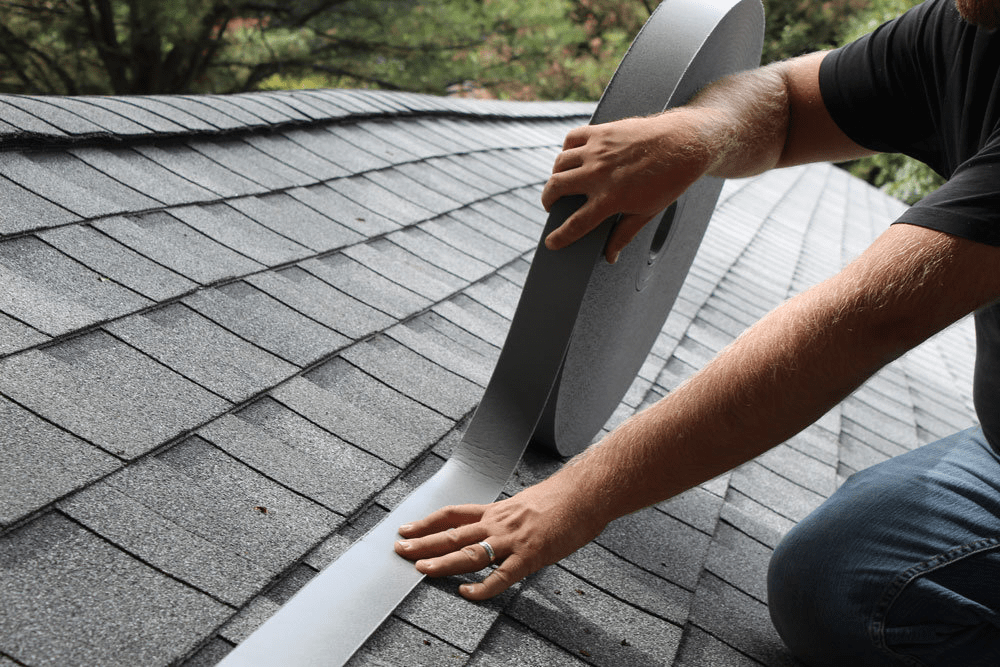
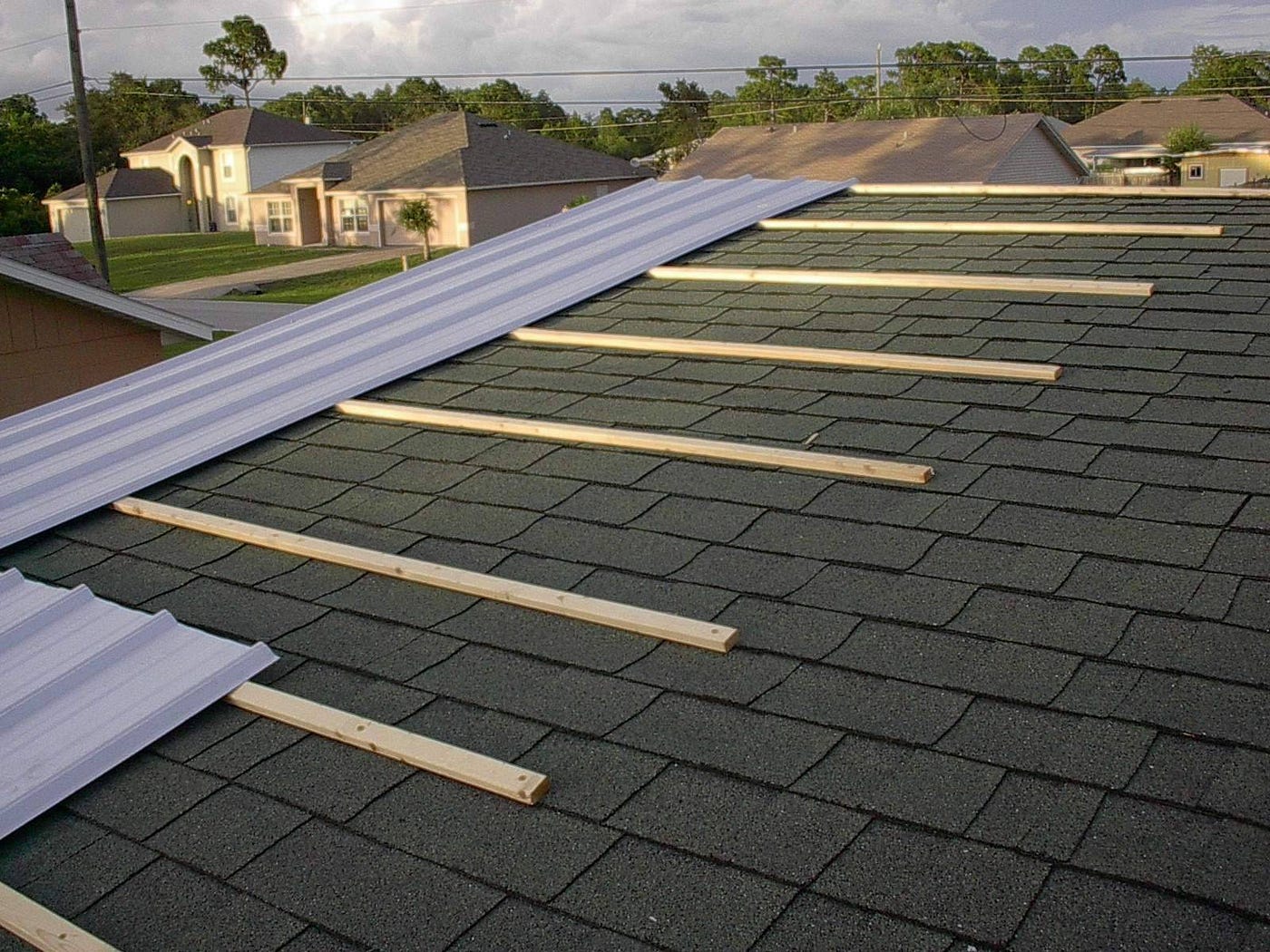
This is often achieved through the use of furring strips or battens. These are strips of wood, typically 1x3 or 1x4, that are fastened over the underlayment. They create a crucial air gap, allowing air to flow freely from the eaves (where air enters) to the ridge (where it exits). This creates a continuous ventilation path, like a well-designed highway for air.
Without proper ventilation, you're essentially trapping moisture, and that's a recipe for disaster. It's like wearing a wool sweater on a hot summer day – incredibly uncomfortable and detrimental to your well-being.
The Metal Panels: Selecting Your Style
Now for the fun part: choosing your metal! The world of metal roofing has exploded with options. Gone are the days when it was just plain corrugated. Today, you can get:
- Standing Seam Metal Roofs: These are the sleek, modern darlings. They feature vertical panels with raised seams that interlock, creating a seamless, elegant look. They're known for their durability and clean lines. Think of them as the tailored suit of the roofing world.
- Metal Shingles and Shakes: These are designed to mimic the appearance of traditional roofing materials like asphalt shingles, wood shakes, or slate. They offer the aesthetic appeal of these materials with the durability of metal. It's like getting the best of both worlds – the charm and the longevity.
- Corrugated Metal: The classic choice, still popular for its industrial charm and affordability. Great for outbuildings or a more rustic aesthetic. It’s the dependable denim of the roofing world – timeless and practical.
When choosing your metal, consider the material (galvalume, aluminum, copper, steel), the finish (painted, natural patina), and the profile. Think about your home's style and your personal taste. Do you want something bold and modern, or something that blends seamlessly with a traditional look? This is your chance to give your home a visual upgrade.

Installation: The Nuts and Bolts (Literally!)
This is where the professionals really earn their keep. While the concept of putting metal over shingles might sound straightforward, proper installation is paramount. It involves precise measurements, careful fastening, and meticulous attention to detail.
The Process, Simplified
- Inspection: As we've discussed, a thorough inspection of the existing roof is the first step.
- Preparation: If the existing roof is deemed suitable, any loose shingles are secured, and the surface is prepared.
- Underlayment Installation: The specialized synthetic underlayment is laid down and secured.
- Furries/Battens: These are installed vertically over the underlayment, creating the necessary air gap.
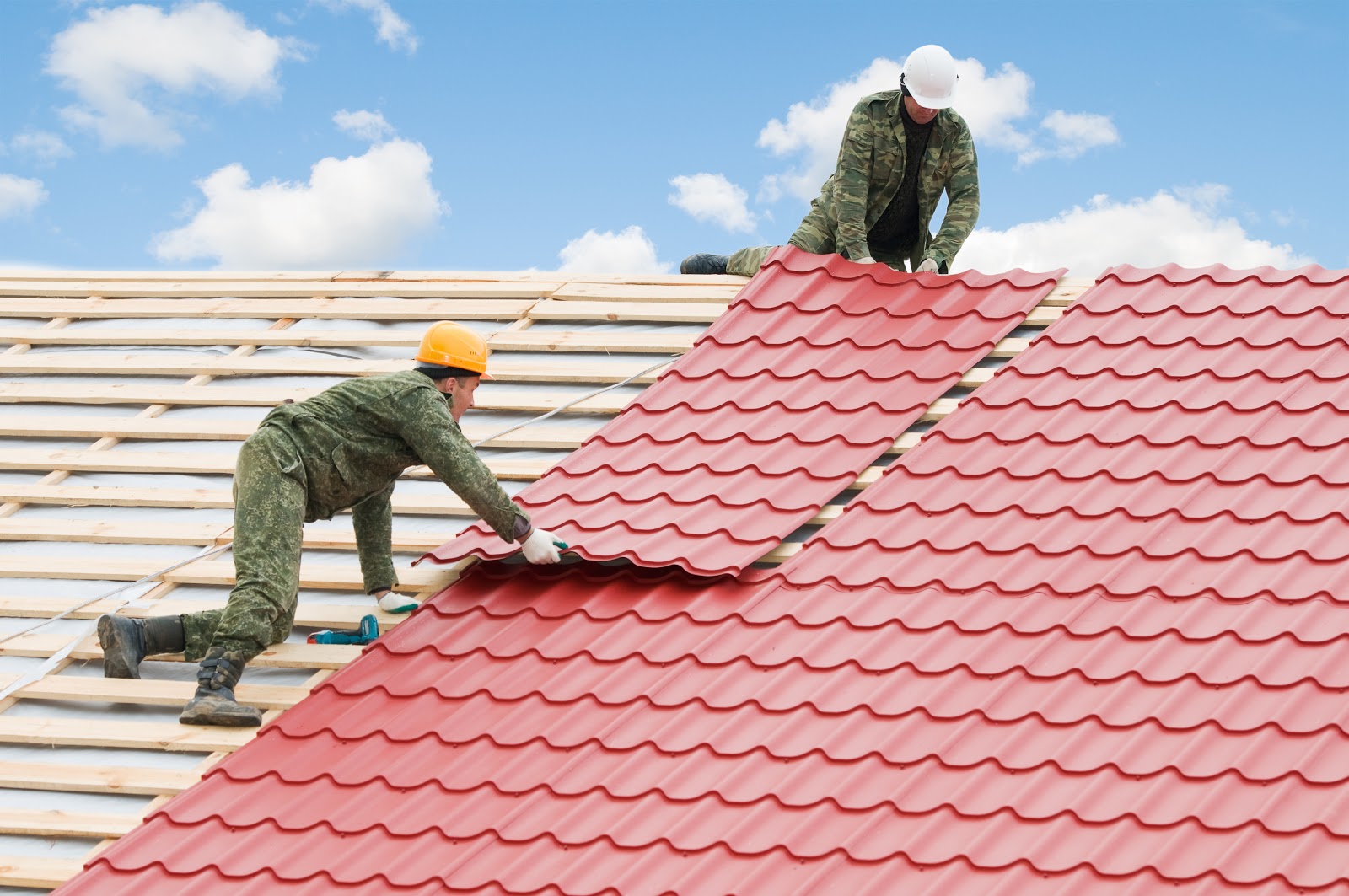
- Metal Panel Installation: The metal panels are then attached to the furring strips, starting from the bottom and working upwards. This is done with specialized fasteners that are designed to create a watertight seal.
- Flashing and Trim: This is crucial for sealing around chimneys, vents, valleys, and edges. It's the detailed finishing work that ensures the roof is completely waterproof.
It's a symphony of precision, much like a well-choreographed dance. Each movement, each fastener, plays a vital role in the final performance.
Potential Pitfalls and Things to Watch Out For
While this method can be advantageous, it's not without its potential downsides. Be aware of:
- Increased Roof Weight: As mentioned, metal roofs are heavier than asphalt. While the added weight of the metal itself isn't usually an issue over a sound shingle base, you also need to factor in the weight of the underlayment and the furring strips. A structural engineer might be consulted for older homes or those in areas with heavy snow loads.
- Warranty Concerns: Some metal roofing manufacturers may void warranties if their product is installed over an existing roof. Always check the manufacturer’s warranty terms before proceeding.
- Code Restrictions: As mentioned, some local building codes prohibit more than one layer of roofing. A quick call to your local building department can save you a lot of headaches.
- Hiding Problems: The biggest risk is that the existing shingles might be hiding underlying roof deck damage or moisture issues that aren't immediately apparent. A skilled roofer will do their best to uncover these, but it's not foolproof.
It’s like trying to disguise a slightly out-of-tune instrument with a beautiful new polish. You might make it look good, but the underlying issue could still persist if not addressed properly.
The Cool Factor: Energy Efficiency
Metal roofs are fantastic at reflecting solar radiant heat. This means they can significantly reduce your cooling costs in the summer. Think of it as your home wearing a stylish, reflective jacket, bouncing away the sun's rays. Many metal roofing systems are also ENERGY STAR® certified, meaning they meet strict energy efficiency guidelines. This is a win-win for your wallet and the planet.
Plus, in colder climates, the reflective nature can actually help melt snow and ice, reducing the risk of ice dams. It’s a multi-tasking marvel!
The Verdict: Is It Right for You?
Putting a metal roof over your existing shingles can be a smart, cost-effective way to upgrade your home's protection and curb appeal. It’s a testament to modern roofing innovation, offering durability, energy efficiency, and a sleek aesthetic.
However, it's not a one-size-fits-all solution. The condition of your current roof is the ultimate deciding factor. Always consult with qualified, reputable roofing professionals. Get multiple quotes, ask questions, and make sure you understand the entire process and any potential risks.
Think of it this way: you wouldn't wear a designer suit to a muddy obstacle course without proper preparation, right? Your roof deserves the same thoughtful consideration. When done correctly, this method can provide years of worry-free protection and add significant value to your home.
And as you enjoy the quiet hum of rain on your new metal roof, or simply appreciate its sleek profile against the sky, remember that sometimes, the most elegant solutions are the ones that build upon what's already there, adding a layer of strength and style without starting from scratch. It's a bit like finding that perfect vintage accessory that complements your modern wardrobe – it adds character and a touch of timeless appeal, making your everyday life a little more polished and a lot more resilient.