
How To Recycle Scrap Metal
Hey there, eco-curious friends! Ever find yourself staring at an old bike frame, a pile of tin cans, or even a defunct washing machine and think, "What on earth do I do with all this metal junk?" Well, you're not alone! It’s a question many of us ponder, and the good news is, it's way simpler (and cooler!) than you might think to give that scrap metal a second life. Think of it as a superhero origin story for your old stuff, transforming from rusty discard to something brand new.
So, why bother with scrap metal recycling, anyway? Beyond the obvious "saving the planet" vibe (which, let's be honest, is pretty awesome), it’s a fascinating process that’s all about giving valuable resources another go-round. It's like a giant, industrial game of Tetris, where old pieces get sorted, melted down, and rebuilt into all sorts of everyday items. Pretty neat, right?
The "Why It's Cool" Factor
Let's dive into why recycling scrap metal is more than just a chore; it's actually kinda fascinating. For starters, metals are like the chameleons of the recycling world. They can be melted down and reformed an almost infinite number of times without losing their quality. Imagine if you could just melt down your old jeans and turn them into a brand new pair – that’s the magic of metal recycling!
Think about it: that old aluminum can you toss could end up as part of an airplane wing. Seriously! Or that forgotten iron fence might become a component in a new bridge, or even part of your next smartphone. It’s like a secret society of materials, constantly reinventing themselves. This reduces the need to dig up more raw materials from the earth, which is a huge win for conservation and minimizing our environmental footprint. Less mining means less disruption to ecosystems, which is always a good thing for Mother Nature.
Plus, recycling metal is often way more energy-efficient than creating new metal from scratch. For example, recycling aluminum uses about 95% less energy than making it from bauxite ore. That's like powering your entire house for a week with the energy it takes to charge your phone for an hour! Every bit of energy saved is a step in the right direction for a cleaner planet.
What Exactly Counts as Scrap Metal?
Okay, so what can you actually toss into the "scrap metal" category? Pretty much anything that’s made of metal and you're done with! This can include:
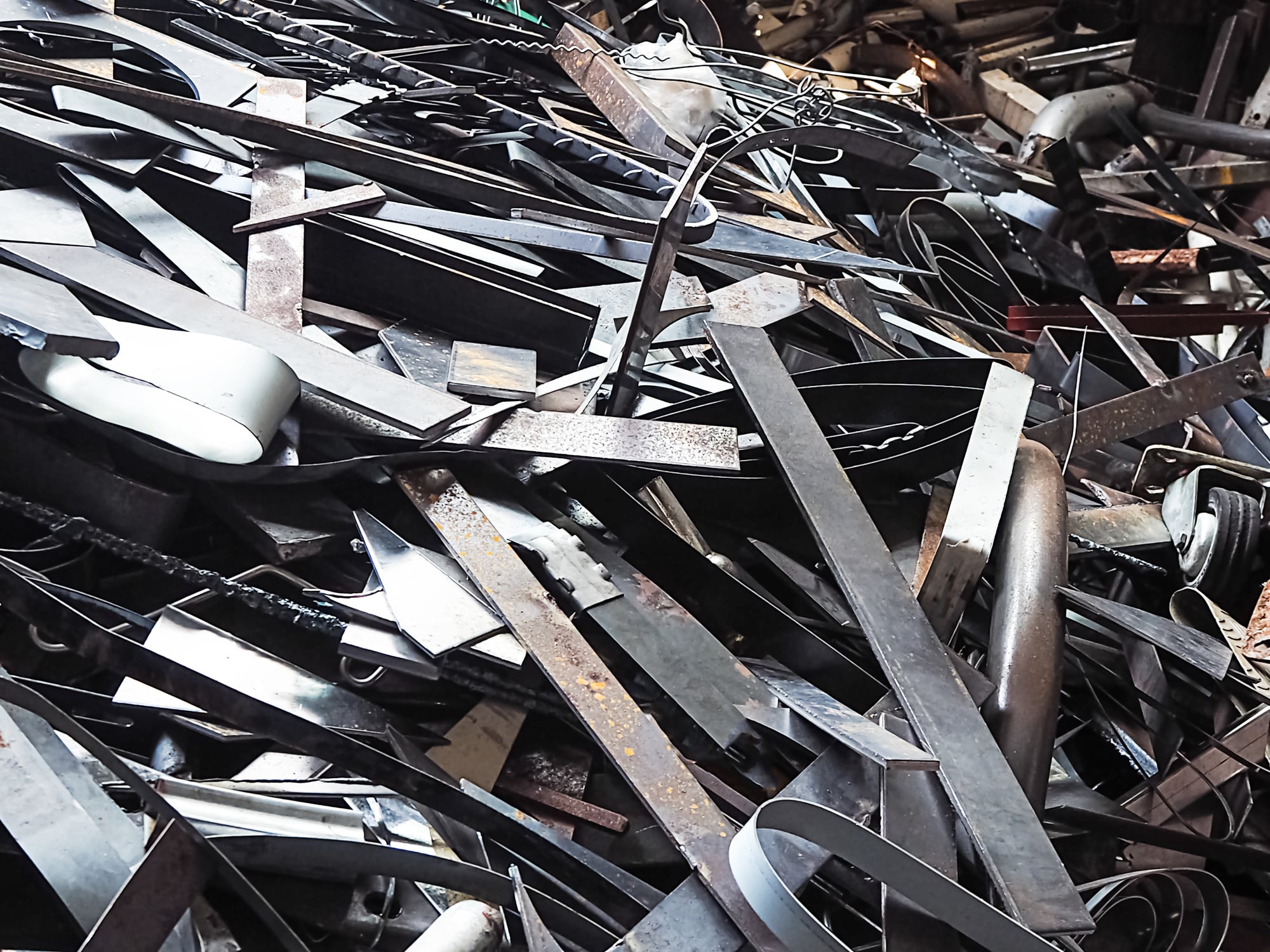
- Ferrous Metals: These are metals that contain iron, like steel and cast iron. Think old car parts (bumpers, engine blocks), appliances like washing machines, dryers, and refrigerators (make sure to remove any hazardous materials first!), metal shelving, and even old tools. These are usually magnetic.
- Non-Ferrous Metals: These don't contain iron. This is where things get really interesting! We're talking about:
- Aluminum: Cans are the classic example, but also window frames, bike frames, pots and pans (check if they're aluminum!), and even some car parts.
- Copper: Old wiring, plumbing pipes, some cookware, and electrical components are often made of copper. It has that distinctive reddish-brown gleam.
- Brass: Think old doorknobs, plumbing fixtures, and decorative items. It's that lovely gold-ish alloy.
- Stainless Steel: Utensils, sinks, and some appliance parts. It’s known for its durability and resistance to rust.
Basically, if it’s metal and it's not currently being used for its intended purpose, it's probably scrap metal waiting for its next adventure.
The "How-To" - Your Recycling Journey Begins
So, you've got your metal treasures. Now what? It’s time to get them to the right place. Here’s the lowdown:
1. Sort Your Metals (It Matters!)
This is a crucial step, and it’s not as complicated as it sounds. Most recycling centers will ask you to separate ferrous (iron-based) and non-ferrous metals. Why? Because they have different melting points and are processed differently. It’s like separating your socks from your underwear before doing laundry – just a good practice!
A simple magnet can be your best friend here. If a magnet sticks to the metal, it’s likely ferrous. If it doesn’t, it’s probably non-ferrous. Easy peasy!
2. Clean It Up (A Little Love Goes a Long Way)
You don’t need to give your scrap metal a spa treatment, but a quick rinse to remove excess dirt, grease, or food residue is usually a good idea. For appliances, it’s important to remove any hazardous components first, like refrigerants from old fridges or batteries from anything with a power source. Check with your local recycling facility for specific guidelines on this – they’ll know best!
3. Find Your Local Scrap Metal Recycler
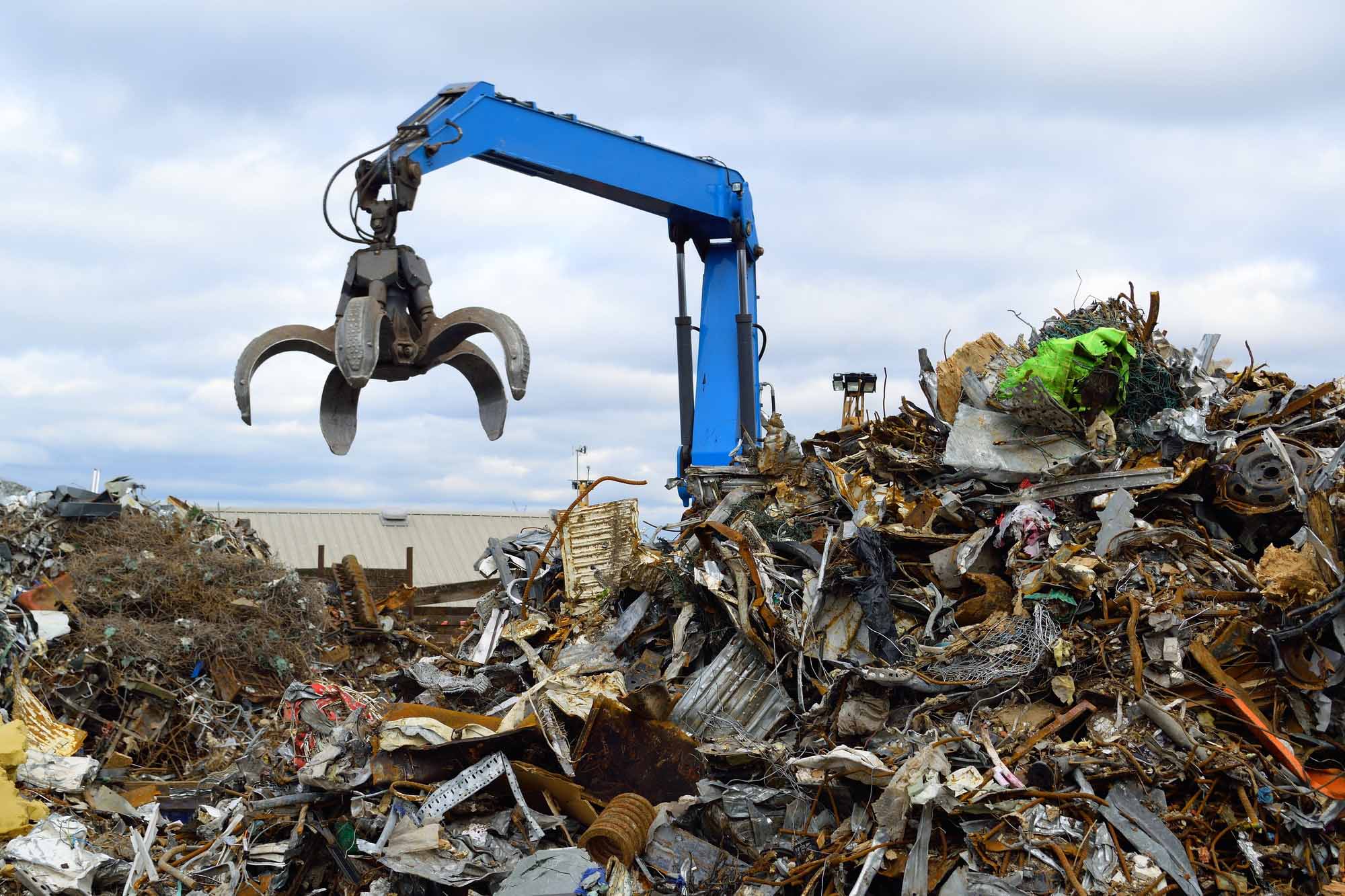
This is where the real magic happens. There are dedicated scrap metal recycling yards that are equipped to handle these materials. A quick search online for "scrap metal recycling near me" will usually bring up a list of local options.
Many of these places will actually pay you for your scrap metal! Yes, you heard that right. The value depends on the type of metal and current market prices, but it’s a nice little bonus for doing good. It’s like finding money in an old coat pocket, but with a planet-saving twist.
When you arrive, they’ll usually weigh your metal, sort it (or help you sort it if you haven’t already), and then offer you a price. It’s a straightforward process, and the folks who work there are usually pretty knowledgeable and happy to answer any questions you might have.
4. Consider Your Curbside Options
While many larger metal items won't go into your regular curbside recycling bin, some municipalities have special collection days for bulky items or specific metal items. It’s always worth checking your local waste management website to see what they offer. Sometimes, they'll even take things like old metal furniture or bicycle frames on designated days.
The Future of Your Metal
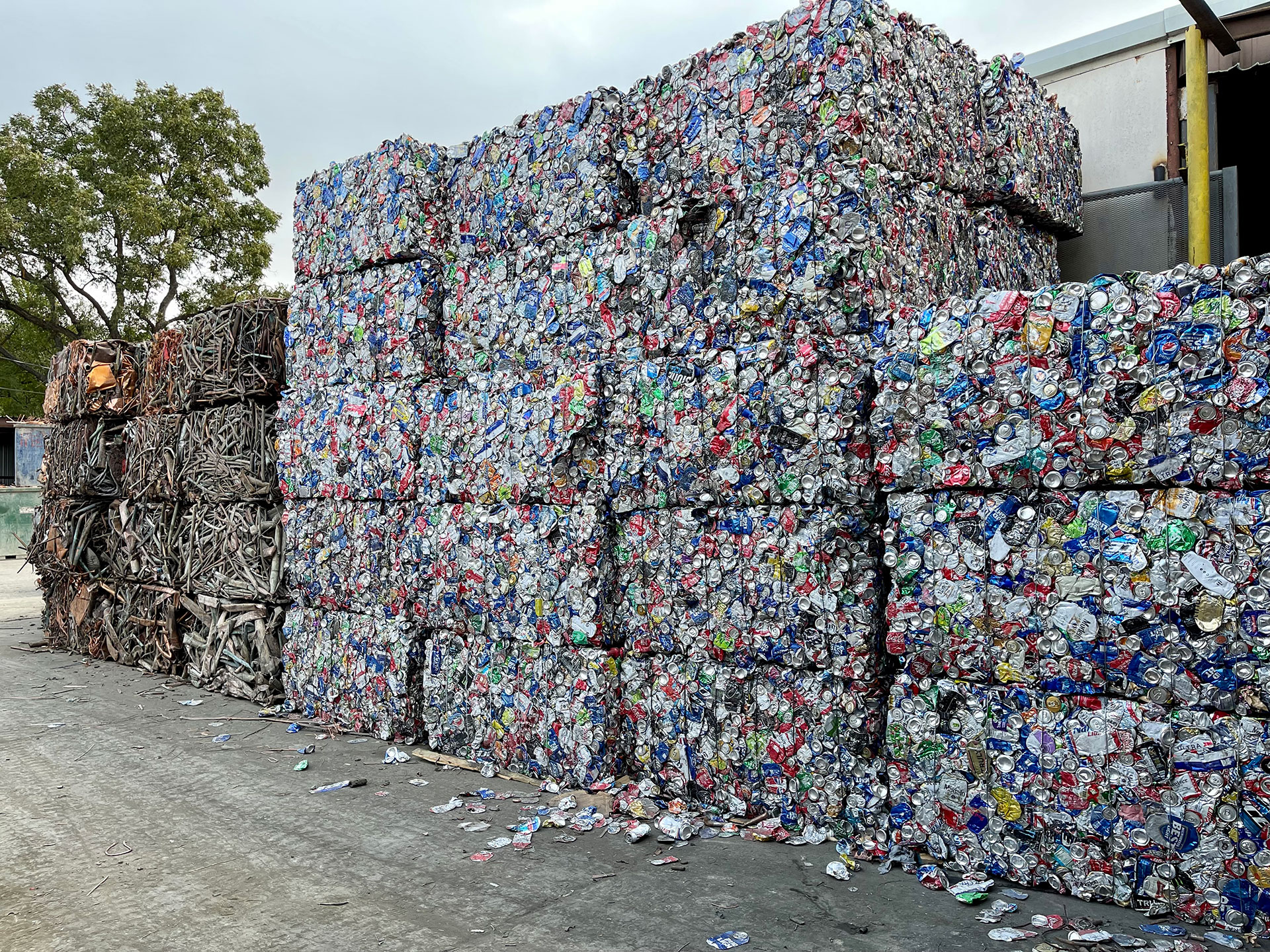
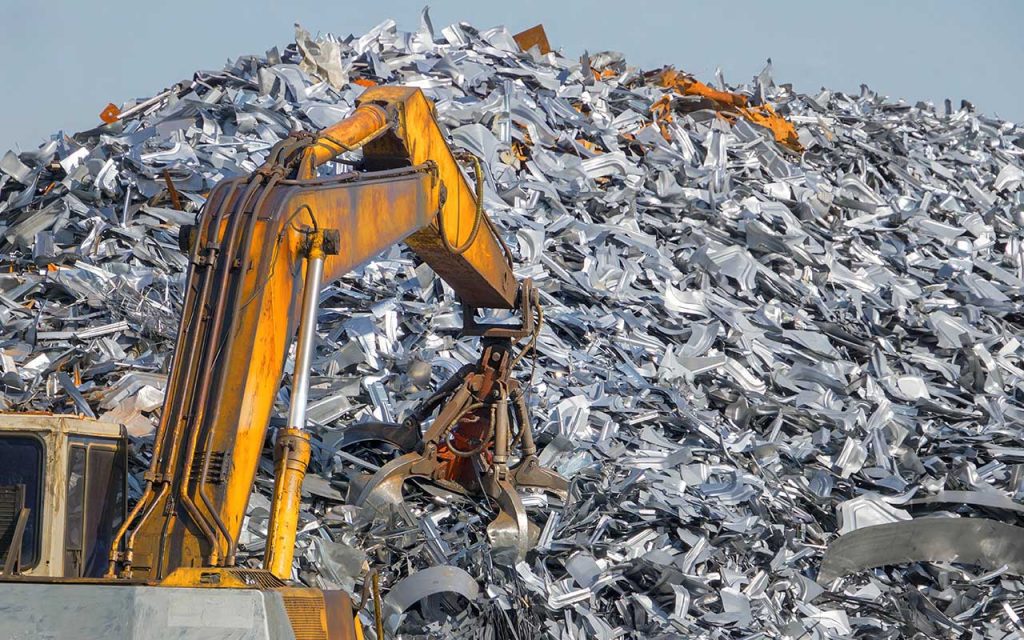
Once your scrap metal arrives at the recycling facility, it’s sorted, processed, and often baled (squashed into neat, manageable cubes). Then, it's shipped off to foundries where it's melted down at incredibly high temperatures. This molten metal is then cast into new shapes, ready to become… well, anything!
That old can might become a new can, or it could be part of a bicycle, a car, a plane, or even a piece of art. The possibilities are truly endless, and that’s the beauty of it. You’re not just getting rid of junk; you’re actively participating in a circular economy, where resources are reused and waste is minimized. It’s a powerful way to contribute to a more sustainable future, one piece of metal at a time.
So, the next time you’re decluttering or upgrading, don’t just see a pile of metal. See potential. See a resource. See a chance to be a part of something bigger. It’s a simple act with a massive impact, and honestly, that’s pretty darn cool. Happy recycling!