
How To Release A Possum From A Trap

Let's be honest, the phrase "releasing a possum from a trap" might not immediately scream "fun party game!" But hear us out! This is one of those surprisingly useful skills that can come in handy, and let's face it, there's a certain thrill in successfully and humanely dealing with a wild critter. Think of it as a mini-adventure right in your backyard. Plus, it's way more satisfying (and ethical!) than any other method you might be considering. Mastering this gentle release will not only make you feel like a backyard wildlife whisperer but also ensure your unintended guest gets back to its own possum business without any drama.
The primary purpose here is straightforward: to safely and humanely return a possum that has found its way into a trap back into the wild. Why is this important? Well, possums, or Virginia Opossums as they are scientifically known, are fascinating and frankly, quite beneficial creatures. They're nature's little pest controllers, munching on insects, rodents, snakes, and even ticks. So, trapping one is usually an accidental situation, perhaps due to a bit of garden raiding or seeking shelter. The benefits of a successful, peaceful release extend beyond just getting the possum out of your hair. It promotes a more harmonious coexistence with local wildlife. You’re preventing potential harm to the animal, which is always a good thing. It also means you're not creating a problem for someone else by relocating it somewhere it might not belong, or worse, leaving it in distress.
When you find yourself face-to-face with a possum in a trap, the first thing to remember is to stay calm. These creatures are generally not aggressive unless they feel cornered or threatened. They're more likely to play dead – a behavior known as playing possum – than to attack. So, take a deep breath and channel your inner nature documentary narrator.
Gathering Your Gear
Before you even approach the trap, it's wise to have a few things ready. You'll want a pair of thick gloves, like gardening gloves or even work gloves, to protect your hands. A long-sleeved shirt and long pants are also a good idea. Think of it as your personal possum-handling uniform! It’s also helpful to have a towel or a thick blanket handy. This isn't for smothering, of course, but for providing a bit of cover and reducing the possum's stress once the trap is open. And finally, a sturdy pair of shoes – you never know when a quick step back might be needed!
Approaching the Trap
With your gear on, it's time to make your approach. Do so slowly and deliberately. Avoid making loud noises or sudden movements. Let the possum hear you coming so it isn't startled. Speak in a calm, low voice. You can even talk to it, reassuringly, about how it’s about to be set free. Imagine you're a very polite zookeeper explaining the exciting process of a supervised escape.
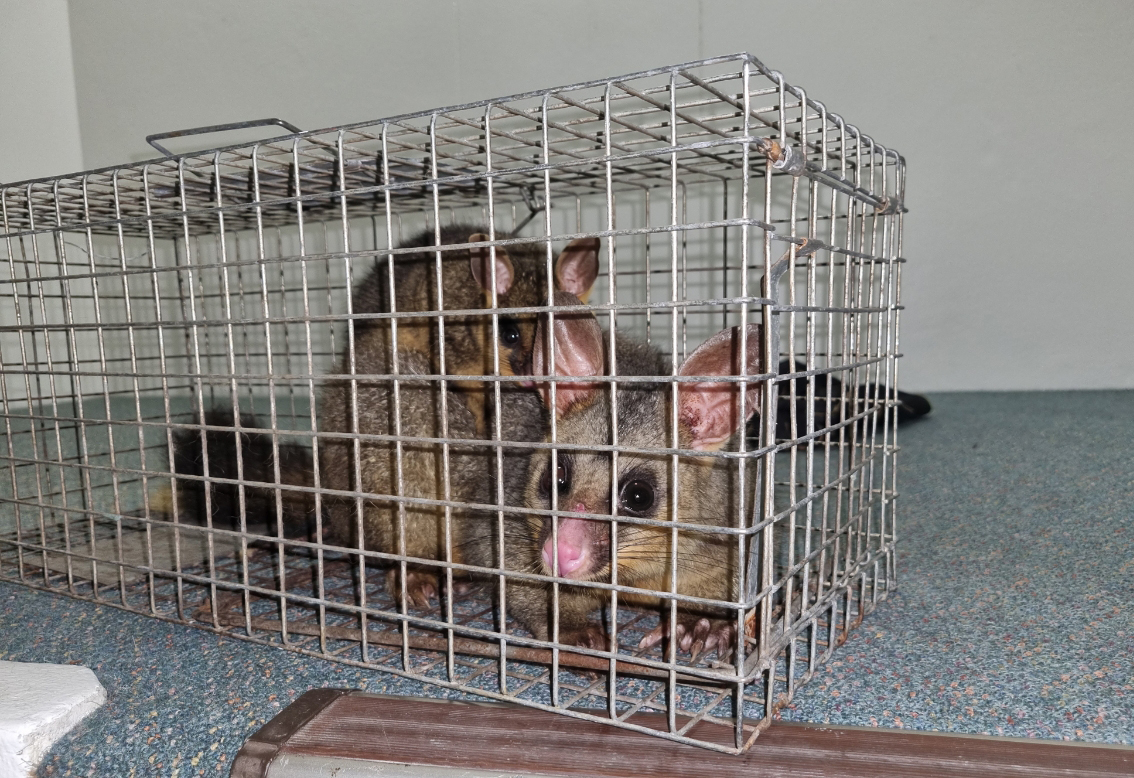
Once you're at the trap, assess its type. Most live traps are designed with a simple spring-loaded door. You'll want to position yourself so that you are not directly in front of the opening when you release the mechanism. Think of it as standing to the side, like a discreet bodyguard ensuring a celebrity’s safe exit.
The Grand Release
Now for the main event! The specific mechanism for opening the trap will vary, but typically there’s a lever or a handle connected to the door. Gently operate this mechanism. If it's a trigger plate, you might need to nudge it slightly with your foot, but be mindful of where the possum is. The goal is to open the door smoothly and without any jarring movements. As the door swings open, give the possum a moment. It might take a few seconds for it to realize it's free. You might see its little nose twitching, or it might pause to get its bearings. This is its chance to assess the situation and decide to bolt. And bolt it likely will, scampering off into the nearest safe haven.

If the possum seems hesitant, you can gently use your towel or blanket to create a slight "nudge" from behind the trap, encouraging it to move forward and out. Again, the key is to be gentle. We're not herding cattle here; we're facilitating a dignified departure for our nocturnal friend. Some folks find that placing a small piece of fruit, like a banana slice, near the opening can sometimes encourage a quicker exit, but this is usually not necessary. The natural instinct for freedom is a powerful motivator!
Aftermath and Prevention
Once the possum has made its grand escape, give yourself a pat on the back. You’ve done a great deed for both the animal and your local ecosystem. Clean the trap thoroughly afterwards, as possums can carry fleas. And if you’re finding possums are becoming a regular fixture in your traps, it might be time to consider what’s attracting them in the first place. Are there accessible garbage cans? Pet food left out overnight? Understanding their motivations can help you implement preventative measures, like securing your trash and avoiding leaving tempting food sources outdoors. Remember, the goal isn’t to eliminate possums, but to coexist peacefully. So, the next time you have an unexpected guest in a trap, you’ll be ready to be the hero of its homecoming!