
How To Remove Adhesive From Stainless Steel
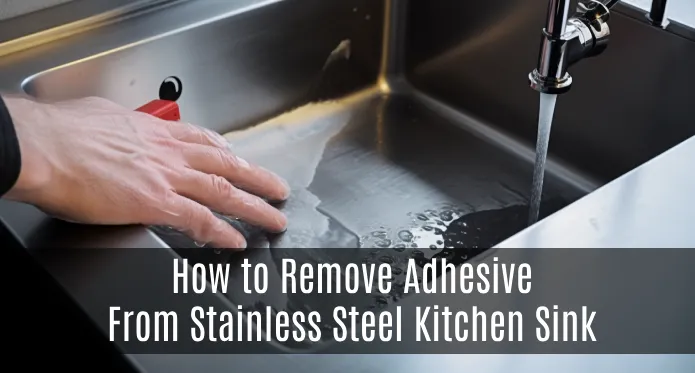
Okay, so you've got that shiny stainless steel appliance, right? The one that’s supposed to be the sleek, modern centerpiece of your kitchen. And then, bam! You peel off a label, and what’s left behind is… well, a sticky ghost of its former self. Annoying, isn't it? It's like trying to enjoy a perfectly grilled steak, only to find a rogue piece of paper stuck to the grill grates. Not ideal.
But before you start having a full-on meltdown over a bit of goo, let's take a deep breath. Removing adhesive from stainless steel isn't rocket science. In fact, it's surprisingly straightforward, and honestly, a little bit satisfying when you get it all off. Think of it like picking a tricky scab – a little effort, a little patience, and then aha! Pristine perfection.
Why is this even a thing, you ask? Well, those labels are designed to stick. They're little adhesive ninjas, clinging on with all their might. And stainless steel, while gorgeous, can sometimes be a bit… clingy itself, in the sense that it doesn’t always give up its secrets (or its sticky residue) easily.
So, what's the game plan? We're going to explore some super chill, totally doable methods. No harsh chemicals that will make your stainless steel look like it's been in a wrestling match with a brillo pad. We're talking about gentle persuasion, folks. Think of us as the calm, collected negotiators in the sticky situation.
The Gentle Giant Approach: Warm Water and Soap
Let's start with the absolute basics. Sometimes, the simplest solution is the best. You know how warm water can make things more pliable? It’s like heating up a stubborn jar lid. The warmth helps to loosen the grip of that adhesive.
So, grab a soft cloth, dip it in some warm, soapy water, and give the sticky spot a good soak. Don't go crazy scrubbing just yet. Let the warm water do its thing for a few minutes. Think of it as a little spa treatment for your stainless steel.
After it's had a good soak, try gently wiping away the residue. You might be surprised at how much comes off. If there’s still a bit clinging on, don’t despair. This is just the warm-up act.
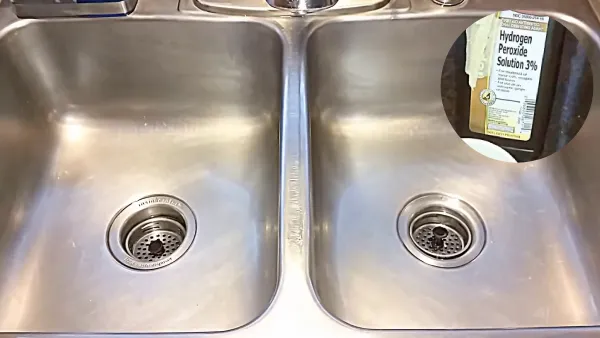
The Oil Slick Maneuver: Cooking Oil or Olive Oil
Now, this is where things get a little interesting. We're going to use the power of oil. Yes, the stuff you cook with! It sounds counterintuitive, right? Like putting more sticky stuff on sticky stuff? But trust me on this one.
Oil is a fantastic solvent for many adhesives. It breaks down the sticky bonds, making them release their hold. Think of it like this: if you have a really stubborn tangle in your hair, sometimes a little bit of conditioner or hair oil can help smooth it out. Same principle, different application.
So, grab a little bit of cooking oil – vegetable oil, olive oil, whatever you have handy – and apply it directly to the sticky residue. Let it sit for a bit, maybe 5-10 minutes. You can even use a paper towel to dab it on and then leave it there.
Once the oil has had a chance to work its magic, use a soft cloth or a plastic scraper (think credit card or something similar, nothing too sharp!) to gently coax the residue away. You might need to apply a little more oil and repeat the process. It’s like a gentle massage for the sticky spot.
After you’ve removed the goo, you’ll want to clean off any oily residue with, you guessed it, more warm, soapy water. Otherwise, you’ll have a whole new kind of “stickiness” problem!
The Heat Wave: A Hair Dryer
Another super chill method involves a little bit of heat. Similar to the warm water, heat can soften and loosen adhesives. This is especially effective for those stubborn labels that seem fused to the surface.
Grab your trusty hair dryer and set it to a medium heat setting. Hold it a few inches away from the sticky area and wave it back and forth. You don't want to overheat any one spot, just gently warm it up.
After about 30 seconds to a minute, try gently peeling off the label or scraping away the residue with a soft cloth or a plastic scraper. The warmth should have made it much more cooperative. You might need to repeat the heating and scraping process a few times.
This method is particularly great because it’s dry, so you don’t have to worry about water spots afterwards, at least not from this step. Just a quick wipe-down of any loosened bits.

The Eraser Method: A Regular Pencil Eraser
Okay, this one sounds a bit quirky, but it can be surprisingly effective for smaller bits of stubborn residue! Grab a clean, regular pencil eraser – the pink kind, or even a white one. Don't use one that's been used for lots of pencil marks, obviously!
Gently rub the eraser over the remaining sticky bits. The friction and the slight tackiness of the eraser can help to pick up and roll away the adhesive. It's like a mini-exfoliation for your stainless steel.
This works best for those little remnants that are too small to grab with your fingers or a scraper. It's a fine-tuning method, really. Think of it as the detail brush in your cleaning toolkit.
The "What Else Ya Got?" Crew: Specialized Cleaners (Use with Caution!)
Now, if you've tried the gentler methods and you're still staring down a sticky nemesis, there are more specialized cleaners out there. Products like Goo Gone or WD-40 are specifically designed to tackle adhesive. However, and this is a big "however," you need to be a little more careful with these.
Always, always test these products in an inconspicuous area first. You know, like the underside of a handle or the back of a panel. Stainless steel can react differently to different chemicals, and we don't want to create a new problem while solving an old one. It's like trying a new restaurant – you wouldn't order the whole menu on your first visit, right?
If you do decide to go this route, follow the product instructions precisely. Apply it to a cloth, not directly to the stainless steel if possible, and work the residue away. Again, a good clean-up with warm, soapy water afterwards is essential to remove any lingering cleaner and prevent streaks.
The Final Polish: Keeping it Shiny
Once you've successfully banished the sticky residue, give your stainless steel a good clean with warm, soapy water and then rinse and dry it thoroughly with a soft, clean cloth. This is crucial for preventing water spots and streaks, which can be just as annoying as the original adhesive.
For an extra bit of shine, you can even use a dedicated stainless steel cleaner or a little bit of vinegar diluted with water. Just a light wipe, and then buff it to a brilliant gleam. It's like the grand finale after a great performance.
So, there you have it! A few chill and effective ways to tackle those pesky adhesive marks on your stainless steel. Remember, patience is key. Don't rush the process, and always opt for the gentlest method first. Happy cleaning, and enjoy that beautifully clean, residue-free stainless steel!