
How To Remove Metal Stains From Pool

Ever gazed into your pool and noticed those uninvited guests? We're not talking about rogue inflatable flamingos, but those pesky metal stains that can turn your crystal-clear oasis into something resembling a rusty old bathtub. It's a bummer, right? One minute you're dreaming of a refreshing dip, the next you're wondering, "What on earth turned my beautiful blue water brown or greenish?"
Don't panic! This is a super common pool problem, and the good news is, you can totally tackle it. Think of it like this: your pool is a living, breathing ecosystem, and sometimes, even the coolest ecosystems get a little bit of... well, stuff in them. And sometimes, that stuff is metal.
So, What's the Deal with These Metal Stains Anyway?
Alright, let's get curious about where these stains come from. It's not like your pool cleaner is secretly dumping pennies in there, though that would be a fun plot twist! Mostly, these stains are caused by dissolved metals in your pool water. These metals can be present in your source water (that's the water you use to fill your pool), or they can leach in from other sources.
Imagine your pool water as a giant, refreshing drink. If your ingredients (the water and anything added to it) have a little too much mineral content, those minerals can sometimes decide to hang around and make themselves at home on your pool surfaces. It's like when you leave a wet tea bag on your counter for too long – stain city!
Common Culprits: Copper and Iron
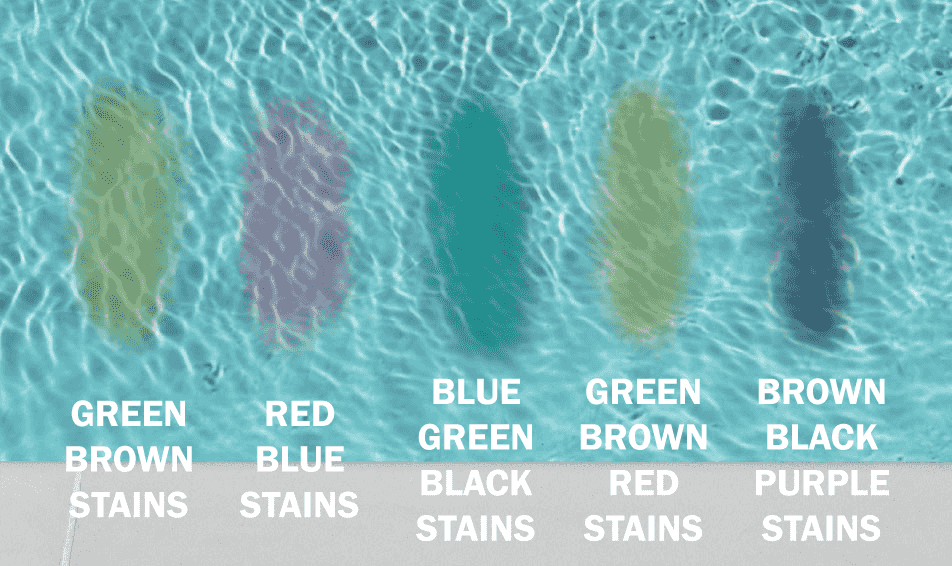
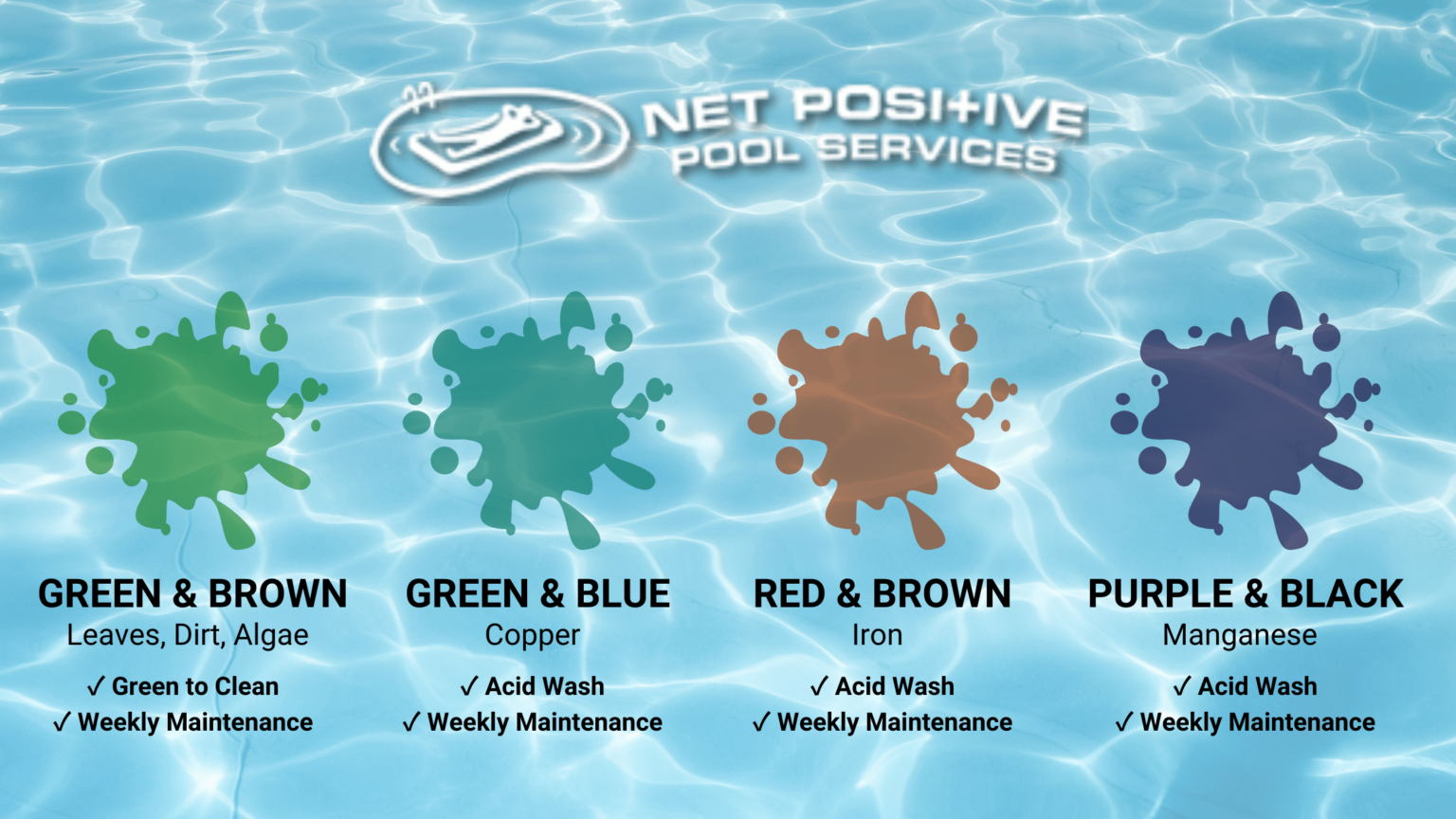
The two most frequent offenders when it comes to pool stains are copper and iron. You'll usually see copper stains as a greenish or brownish tint, and iron stains tend to be a more distinct rusty brown or even black.
Where do they come from? Well, for starters, your water source is a big one. If your tap water or well water has a naturally high mineral content, you're already starting with a potential problem. Think of it as having hard water in your house – it’s the same principle, just on a much larger scale!
Other sneaky sources include:
- Algaecides: Some algaecides contain copper. If you use them regularly, or if you add a bit too much, those copper ions can start to cause trouble.
- Metal pool equipment: Yep, even parts of your pool equipment can contribute. Old heaters, ladders, or even certain types of pool cleaners can release metals over time. It's like that old metal spoon you leave in your coffee – eventually, it might leave a mark!
- Corrosion: If your pool's pH or alkalinity is off-balance for a while, it can actually cause metal components in your pool to corrode, releasing those metals into the water. It’s a domino effect, really.
Okay, I See the Stains. Now What?
Deep breaths. We're not letting these stains win! The good news is, there are several ways to banish them. The best approach often depends on the type of stain and the surface of your pool (vinyl liner, plaster, fiberglass, etc.).
Step 1: Identify Your Stain (Like a Pool Detective!)
Before you start throwing chemicals around like a mad scientist, it's helpful to try and figure out what you're dealing with. If it's greenish, it's likely copper. If it's brownish or black, it's probably iron. This isn't always 100% accurate, but it's a good starting point.

Step 2: Test Your Water (Knowledge is Power!)
This is crucial. You need to know your pool's pH, alkalinity, and calcium hardness. Imbalanced water is often the root cause or exacerbates the problem. You can grab a test kit from your local pool store or even get a digital tester. Think of it as your pool's annual physical – gotta make sure it's healthy!
Step 3: The Chemical Attack (Carefully!)
Once you have a better idea of the stain and your water chemistry, it's time for the real work. There are a few common methods:
Ascorbic Acid (Vitamin C!)
You read that right! Ascorbic acid, the same stuff in your orange juice, is a superstar for tackling metal stains, especially copper. It's a type of reducing agent that can actually break down the metal oxides causing the stain. You can buy ascorbic acid in powder form specifically for pools. You typically add it directly to the water, and it works its magic over a few hours or days. It's pretty neat to think you're using something so natural to clean your pool!
Metal Sequestering Agents
These are your pool's bodyguards! Metal sequestering agents, also known as chelating agents, work by binding to the metal ions in the water and keeping them suspended so they can't stain surfaces. They essentially "lock up" the metals, preventing them from plating onto your pool walls. You add these regularly, especially if you have high metal content in your water, to prevent stains from forming in the first place.
Stain Removers (The Heavy Hitters)
For tougher, more established stains, you might need a dedicated pool stain remover product. These are usually more potent and are often applied directly to the stained area. Be sure to follow the product instructions very carefully, as some can be quite strong and might require specific water balance levels to work effectively and safely. Think of these as the specialized tools in your pool cleaning toolbox.
Shock Treatment (Sometimes Helps)
In some cases, a good pool shock (raising the chlorine level significantly for a short period) can help break down certain types of metal stains. However, this isn't always the best first approach and can sometimes even make copper stains worse if your pH is too high. Always test your water first!
Step 4: Scrubbing Power!
Once the chemicals have done some of their work, a little elbow grease might be necessary. Use a pool brush (appropriate for your pool surface!) to gently scrub the stained areas. This can help lift loosened particles.
Prevention is Key! (The Chillest Strategy)
Honestly, the best way to deal with metal stains is to prevent them from happening in the first place. It’s like having a really comfy couch – you’d rather prevent spills than have to scrub them out, right?
Here are some chill prevention tips:
- Regular Water Testing: Keep an eye on your pH, alkalinity, and calcium hardness. Maintaining proper balance is your first line of defense.
- Use a Metal Sequestrant: If you know you have metals in your water, or if you've had stains before, add a metal sequestrant regularly. This is your pool's shield!
- Filter Your Water: Consider using a whole-house water filter if your source water is particularly high in metals. It's an investment, but it can save you a lot of pool headaches.
- Inspect Your Equipment: Keep an eye on older pool equipment. If something looks like it's corroding, it might be time to replace it before it starts leaching metals.
- Rinse Metal Items: If you bring metal pool toys or accessories into the pool, rinse them off with fresh water afterwards.
So there you have it! Metal stains can be a bit of a nuisance, but they're definitely not the end of the world. With a little curiosity, a bit of detective work, and the right approach, you can get your pool back to its sparkling best. Now, go forth and enjoy that beautiful, stain-free water!