
How To Remove Rust Spots On Stainless Steel
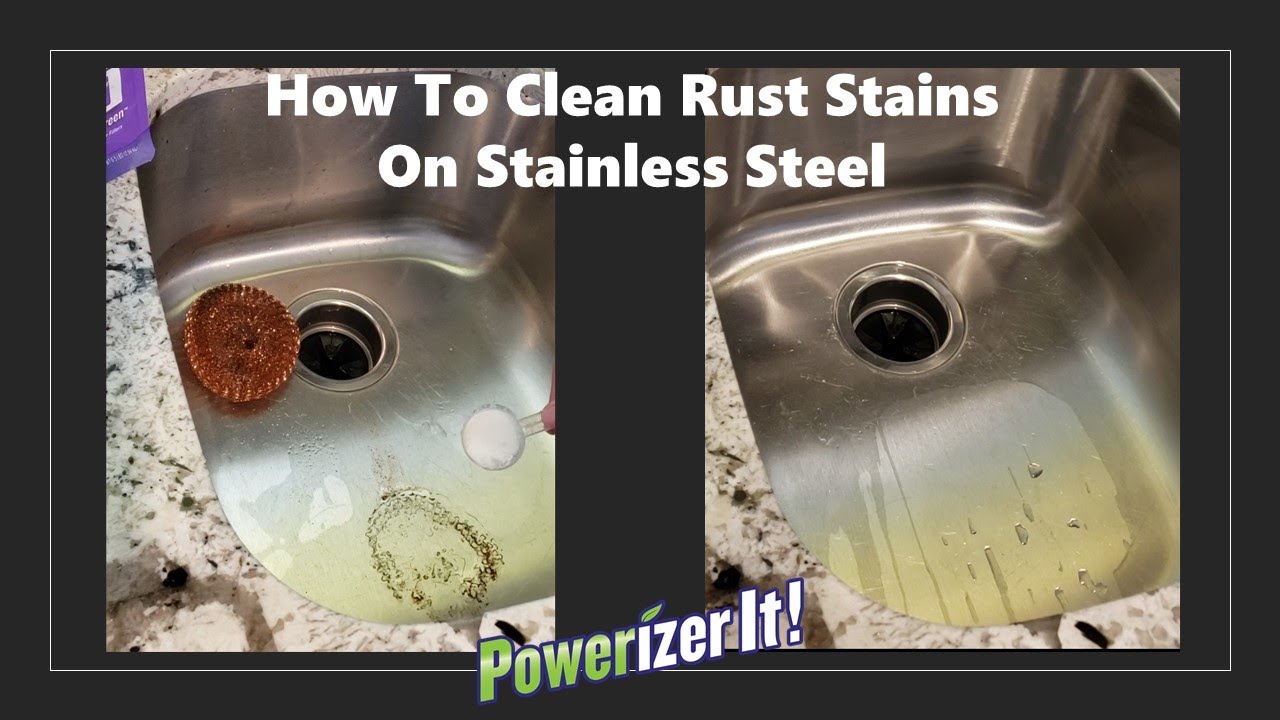
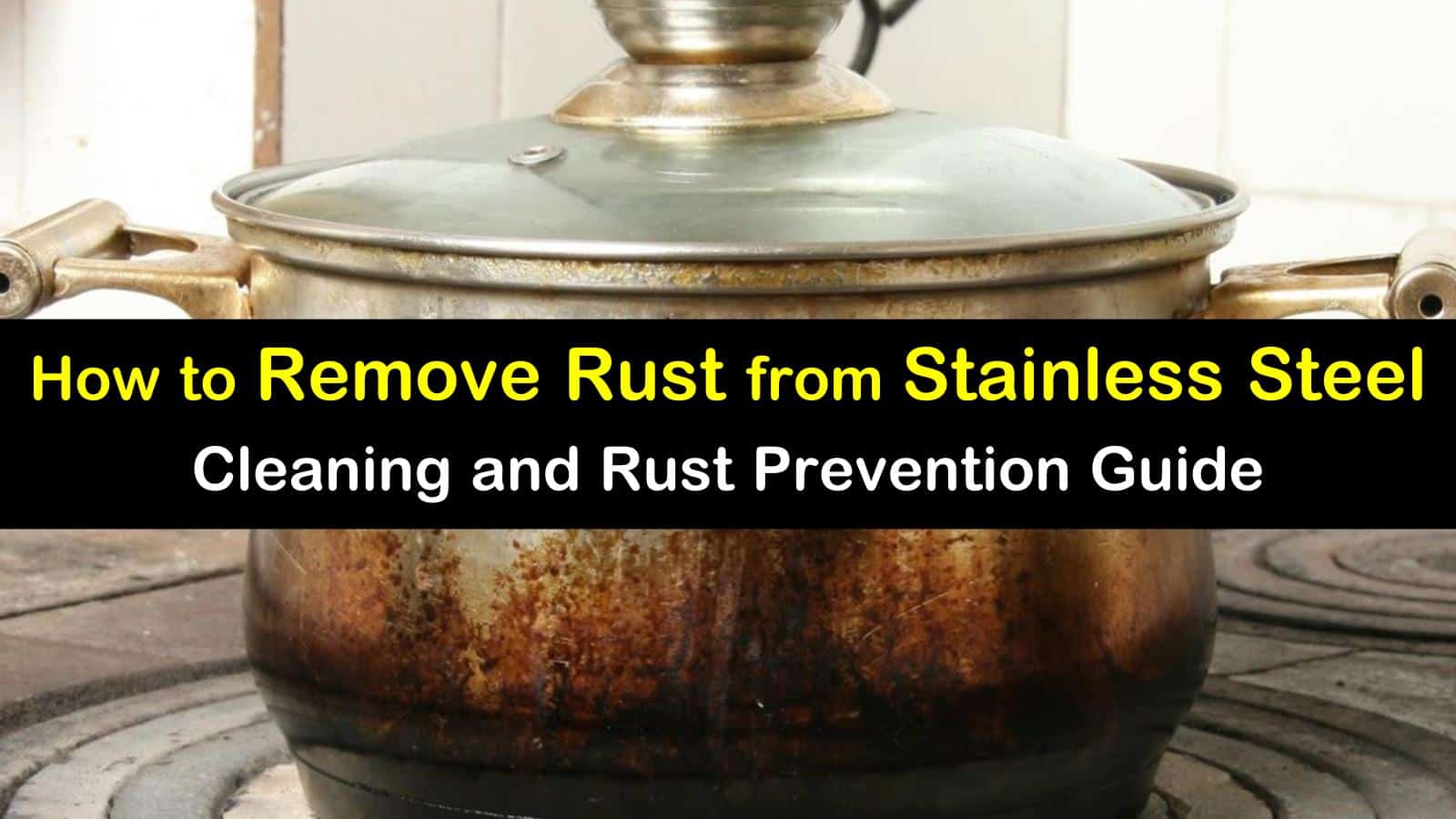
Hey there, my fellow stainless steel aficionados! So, you've got those annoying little rust spots popping up on your otherwise-gleaming appliances or cookware, huh? Yeah, I know the feeling. It's like a tiny, metallic villain trying to ruin your whole vibe. Don't you just hate that? One minute it's all shiny and perfect, the next – BAM! – a little orange blotch appears like it owns the place. What gives, right?
It’s a common problem, and honestly, a little bewildering. I mean, it’s stainless steel, isn't it? Shouldn't it be, you know, stainless? Well, turns out, it’s more like highly stain-resistant. Still pretty great, but not completely invincible. Think of it like your favorite superhero – usually unflappable, but sometimes they get a little dinged up, right? Same idea here.
The good news? You don't need a hazmat suit or a team of industrial cleaners to tackle these little blighters. Nope. We're talking about stuff you probably already have lurking in your kitchen cupboards. Seriously, it’s that simple sometimes! So, let's dive in and get that shine back. Grab your imaginary coffee cup, and let's chat about banishing those rust spots.
So, Why Do These Spots Even Show Up?
Before we start scrubbing, let's get a tiny bit nerdy, just for a sec. It’s not like your stainless steel suddenly decided to take up a new hobby in rusting. Usually, it’s a case of other metal bits making contact with your stainless steel. Think of those little metal scrubbers, or maybe a stray metal utensil left on the counter. Even tiny iron particles from your water can sometimes play a role. It’s like they’re having a little metallic party on your nice clean surface. Rude!
And another culprit? Salt. Yep, that everyday flavor enhancer can be a bit of a drama queen when it comes to stainless steel. If you leave salty food sitting on it for too long, or if your dish soap has a bit too much oomph in the salt department, it can start to create a little microscopic breakdown. It’s not a huge deal, but it’s good to know, right? Knowledge is power, people!
Sometimes, it's just a little bit of contamination from the manufacturing process, or even from the packaging. It's like a souvenir from the factory that you didn't ask for. And who likes unwanted souvenirs? Nobody, that’s who!
The Gentle Giants: Baking Soda and Water
Okay, let’s get to the good stuff! This is your absolute go-to for most minor rust spots. It's super gentle, incredibly effective, and you’ve probably got it in your pantry right now. It's like the reliable best friend of your kitchen cleaning arsenal.
Here’s the drill: grab some baking soda. You know, the stuff you use for… well, baking, and also for making your fridge smell less like yesterday’s leftovers. Mix it with a little bit of water to form a paste. Think of it like thick toothpaste. You want it to be spreadable but not runny.
Now, take a soft cloth or a non-abrasive sponge. Dip it into your baking soda paste. Gently rub the paste onto the rust spot. Don't go at it like you're trying to win a wrestling match, okay? We're going for a gentle polish, not a demolition.
Let it sit for a few minutes. This gives the baking soda time to work its magic. It’s like a little spa treatment for your stainless steel. You might even want to hum a little tune while you wait.
After a few minutes, wipe away the paste with a clean, damp cloth. Then, dry the area thoroughly with another soft cloth. Voila! You should see that rust spot starting to disappear. If it's a stubborn one, you might need to repeat the process a couple of times. Patience, my friends, is a virtue, especially when it comes to rust!
What's so great about this method? It’s super affordable and eco-friendly. No harsh chemicals, no weird fumes. Just good old-fashioned baking soda doing its thing. It’s a win-win-win!
Lemon Juice or Vinegar: The Acidic Avengers
Got a slightly tougher rust spot that baking soda just shrugged at? No worries! We’ve got other gentle heroes in our corner. Enter lemon juice or vinegar. These guys are a bit more acidic, which is exactly what we need to break down those stubborn rust particles.
Let’s talk lemon juice first. It’s natural, it smells amazing, and it’s got that zesty power. You can use straight lemon juice, or if you want to dilute it a tiny bit, that's fine too. Squeeze some onto the rust spot, or soak a cloth in it and lay it over the affected area.
Let it sit for about 10-15 minutes. Again, this is the "letting the magic happen" phase. Imagine the lemon juice having a stern but polite conversation with the rust, telling it to pack its bags.
Then, use a soft cloth to gently rub the area. Rinse with water and dry thoroughly. You should see a noticeable difference.
Now, vinegar. White vinegar is your best bet here. It’s got that same acidic punch. You can use it straight, or mix it with a bit of water. Same application as the lemon juice: apply it to the rust spot, let it sit, gently rub, rinse, and dry.
A little tip: If you’re using vinegar, you might want to open a window or two. It’s got a… unique aroma. Let's just say it's an acquired smell. But hey, a little whiff is worth a perfectly clean surface, right?
Remember, with both lemon juice and vinegar, always test in an inconspicuous area first. You know, just to be safe. We don’t want to trade one problem for another, do we?

The Mildly Abrasive Allies: Cream of Tartar and Toothpaste
Feeling a little adventurous? We’ve got a couple more tricks up our sleeves. These are for those spots that are being a bit more… persistent.
Let's start with cream of tartar. You know, that fine white powder that sometimes shows up in your baking supplies? It’s like a secret weapon. Mix cream of tartar with a few drops of water or hydrogen peroxide to make a paste. Hydrogen peroxide adds a little extra cleaning oomph, but water works just fine.
Apply the paste to the rust spot and let it sit for a while, maybe 30 minutes to an hour. Then, gently rub with a soft cloth. Rinse and dry. This stuff is pretty potent, so a little goes a long way.
And then there’s toothpaste! Yes, toothpaste! But not the gel kind. You want the classic white, paste-like stuff. It has mild abrasive qualities that can help lift the rust.
Just a little dab of toothpaste on the rust spot, rub it in gently with a soft cloth, let it sit for a few minutes, then wipe it off with a damp cloth. Rinse and dry. It’s almost… fun! Like you’re giving your stainless steel a mini facial with minty fresh breath.
These methods are a step up in terms of a little bit of abrasion, so always be gentle. We’re not trying to scratch your beautiful stainless steel, remember? Just nudge those rust spots off.
Specialized Cleaners: When All Else Fails (or You Just Want It Done Fast!)
Okay, so you’ve tried a few things and you’re still seeing those pesky spots. Or maybe you’re just one of those people who likes to have a dedicated product for everything. No judgment here! There are some excellent stainless steel cleaners out there specifically designed to tackle rust.
When you’re choosing one, look for something that’s specifically labeled for removing rust or tough stains from stainless steel. Read the instructions carefully! These cleaners can be a bit stronger, so you want to make sure you’re using them correctly and not damaging your surface.
:max_bytes(150000):strip_icc()/remove-brown-stains-from-stainless-steel-1900549_final-8bd52e68e2b5484a97b25f2e704afd90.png)
Some of these are in spray form, others are creams. Just follow the product’s directions. Usually, you spray or apply, let it sit for a specified time, then wipe and rinse. Always test in a small, hidden area first, just to be absolutely sure it’s compatible with your particular stainless steel. You know, peace of mind and all that jazz.
And hey, if you find one that works like a charm, tell me about it! We can swap recommendations. It’s like a little secret club for keeping our kitchens sparkling.
What NOT to Do: The Stainless Steel Sinners
Now, this is important. Just as there are things that work, there are also things that will make your stainless steel cry. And trust me, you don’t want a crying stainless steel appliance. It’s just… sad.
Never use steel wool or harsh abrasive pads. I know, I know, they look like they could get the job done, but they will scratch your beautiful finish. It’s like giving your car a scrub with sandpaper. Not a good look.
Avoid chlorine bleach. Seriously. Chlorine bleach is a big no-no for stainless steel. It can cause pitting and discoloration, and nobody wants that. Think of it as the ultimate betrayal to your stainless steel buddy.
Don't leave wet or dirty sponges sitting on the surface. This is a prime culprit for causing rust spots in the first place, so keep that in mind. Rinse and hang them up to dry.
And finally, don't use oven cleaners. They are way too harsh and can do some serious damage. Stick to the gentler, more targeted methods we’ve discussed.
So, basically, think of your stainless steel as a fancy fabric. You wouldn’t throw a delicate silk blouse in with your muddy jeans, right? Same idea. Treat it with a little respect, and it will reward you with years of gleaming service.
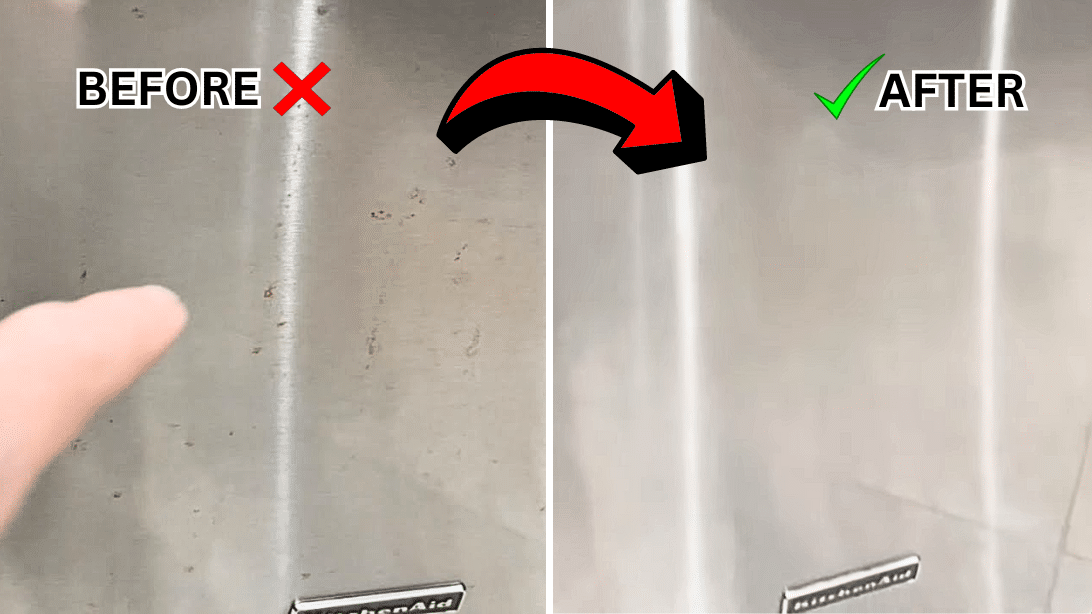
Preventing Future Rust: Be Proactive!
The best way to deal with rust spots? Don’t get them in the first place! It sounds obvious, I know, but a little bit of preventative maintenance goes a long, long way.
Wipe it down regularly. After you use your sink, your stovetop, your fridge – give it a quick wipe with a soft, damp cloth. This gets rid of any stray food particles or moisture that could lead to trouble. It takes like, 30 seconds, and it’s totally worth it.
Dry thoroughly. This is a big one. After washing anything stainless steel, make sure to dry it completely. Moisture is the rust spot’s best friend, so don’t give it any encouragement.
Be mindful of other metals. Try to avoid leaving cast iron pans, metal utensils, or steel wool sitting directly on your stainless steel surfaces. They can leave behind little iron particles that can cause rust. Use cutting boards or trivets!
Use the right cleaning products. Stick to mild dish soap and water, or the gentle methods we’ve discussed. If you do use a specialized stainless steel cleaner, follow the instructions and use it sparingly.
Check your water. If you have particularly hard water, it might be worth considering a water softener. This can help reduce mineral buildup and the risk of rust spots. It’s a bit of an investment, but if you have a lot of stainless steel, it might be something to think about.
By taking these simple steps, you can keep your stainless steel looking fabulous for years to come. It’s all about a little love and attention. Think of it as building a stronger, shinier relationship with your kitchen appliances!
So there you have it! A little chat about banishing those pesky rust spots from your stainless steel. I hope this has given you the confidence and the knowledge to tackle any rust-related emergencies. Remember, you've got this! Now go forth and shine!