
How To Restore Chrome Metal

Ah, chrome. That shimmering, almost otherworldly gleam that conjures images of sleek vintage cars, iconic diner stools, and that certain je ne sais quoi of mid-century modern design. It's got a timeless appeal, doesn't it? That lustrous finish can elevate an ordinary object into something truly special. But let's be real, time, dust, and the occasional accidental scratch can take their toll. That brilliant shine can dull, looking more like a well-worn penny than a Hollywood starlet's necklace.
Fear not, fellow lovers of all things shiny! Restoring chrome metal isn't some arcane, black-magic ritual reserved for antique dealers and automotive gurus. It's entirely achievable, even for us mere mortals who'd rather spend our weekends binge-watching that new historical drama than elbow-deep in greasy rags (though sometimes, a little grease is part of the fun!). We're talking about bringing back that zing, that sparkle, that feeling of having a little piece of retro magic back in your life.
Think of it as a little spa day for your metal. A chance to revive its youthful glow and remind everyone (and yourself) that good design, and good shine, never truly go out of style. So, grab a beverage, settle in, and let's talk about how we can coax that dazzling brilliance back out of your cherished chrome pieces.
The Gentle Approach: When Your Chrome Just Needs a Little TLC
Sometimes, your chrome isn't truly damaged; it's just a bit neglected. Think of it like a favorite silk scarf that’s lost a little of its luster. A good polish and a bit of gentle care can work wonders. This is your first line of defense, your everyday hero of chrome maintenance.
For everyday cleaning, and to tackle light grime and fingerprints, you can't go wrong with good old-fashioned soap and water. Mix a few drops of mild dish soap into warm water. Grab a soft microfiber cloth – these are your best friends in the chrome restoration world, preventing any accidental scratches. Gently wipe down the chrome surface. Then, using a separate, clean, damp microfiber cloth, rinse away any soap residue. Finally, use a dry microfiber cloth to buff it to a shine. It’s simple, it’s effective, and it’s something you can do weekly without breaking a sweat.
If you're dealing with a bit more stubborn grime, but it's still not a deep-seated issue, a mixture of baking soda and water can be your next step. Create a paste by mixing baking soda with a small amount of water. Apply this paste to the chrome with a soft cloth and rub gently in a circular motion. Baking soda is a mild abrasive, so it’s excellent at lifting away dirt and tarnish without being too harsh. Rinse thoroughly with water and dry with a microfiber cloth, just like before. You'll be amazed at how this humble kitchen staple can revive a dull surface.
You might also hear about using vinegar. Diluted white vinegar can be effective for tackling water spots and light tarnish. Mix equal parts white vinegar and water in a spray bottle. Spray onto the chrome, let it sit for a minute or two, then wipe clean with a microfiber cloth and buff dry. Just be sure to rinse thoroughly afterward, as leaving vinegar on too long can potentially etch the surface. It’s a bit like a mild chemical peel for your chrome – effective when used judiciously.

The Cultural Cachet of Chrome: More Than Just a Shiny Surface
Before we dive into more serious restoration, let's take a moment to appreciate why chrome holds such a special place in our collective imagination. Think of the sleek lines of a 1957 Chevrolet Bel Air, its chrome grille and bumpers practically defining an era of optimism and freedom. Or the utilitarian chic of classic kitchen appliances, where chrome accents made everyday items feel luxurious. Chrome became synonymous with progress, with the future, and with a bold, optimistic aesthetic that still resonates today. It’s the visual equivalent of a perfectly placed jazz solo – smooth, sophisticated, and undeniably cool.
Even in popular culture, chrome is a recurring motif. Think of the Terminator's metallic endoskeleton, a stark and powerful symbol of advanced technology. Or the futuristic, often chrome-laden designs in science fiction films and comics, cementing its association with innovation and sleekness. It’s a material that has a story to tell, a legacy of design and aspiration.
Tackling the Toughest Tarnishes: When It's Time for a Deeper Dive
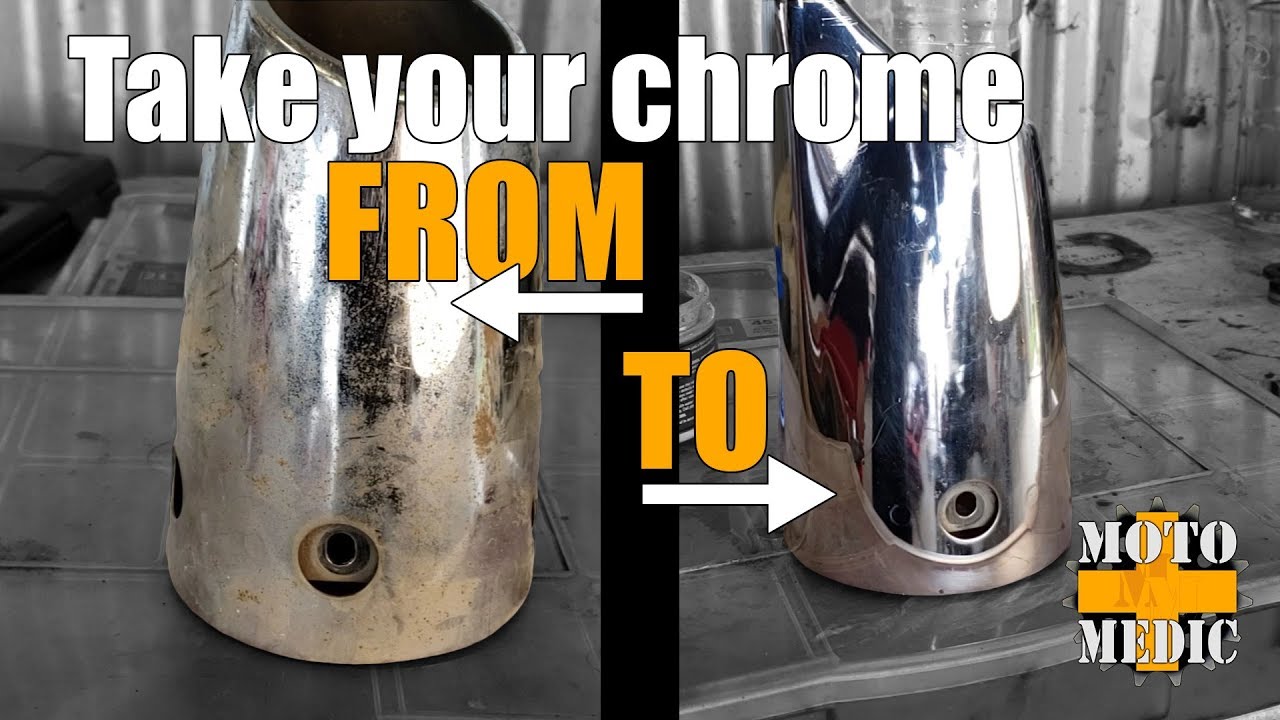
Okay, so sometimes your chrome isn't just a little dusty; it's genuinely tarnished. We're talking about those dull, grayish patches that look like they’ve been there since the Eisenhower administration. Don't panic. With a bit of elbow grease and the right products, you can bring that mirror finish back.
For moderate to heavy tarnish, a dedicated chrome polish is your best bet. There are many excellent brands on the market, each with slightly different formulations. Read the labels carefully and choose one that’s designed for automotive or household chrome. These polishes contain finer abrasives that are specifically formulated to remove tarnish without scratching the underlying chrome plating.
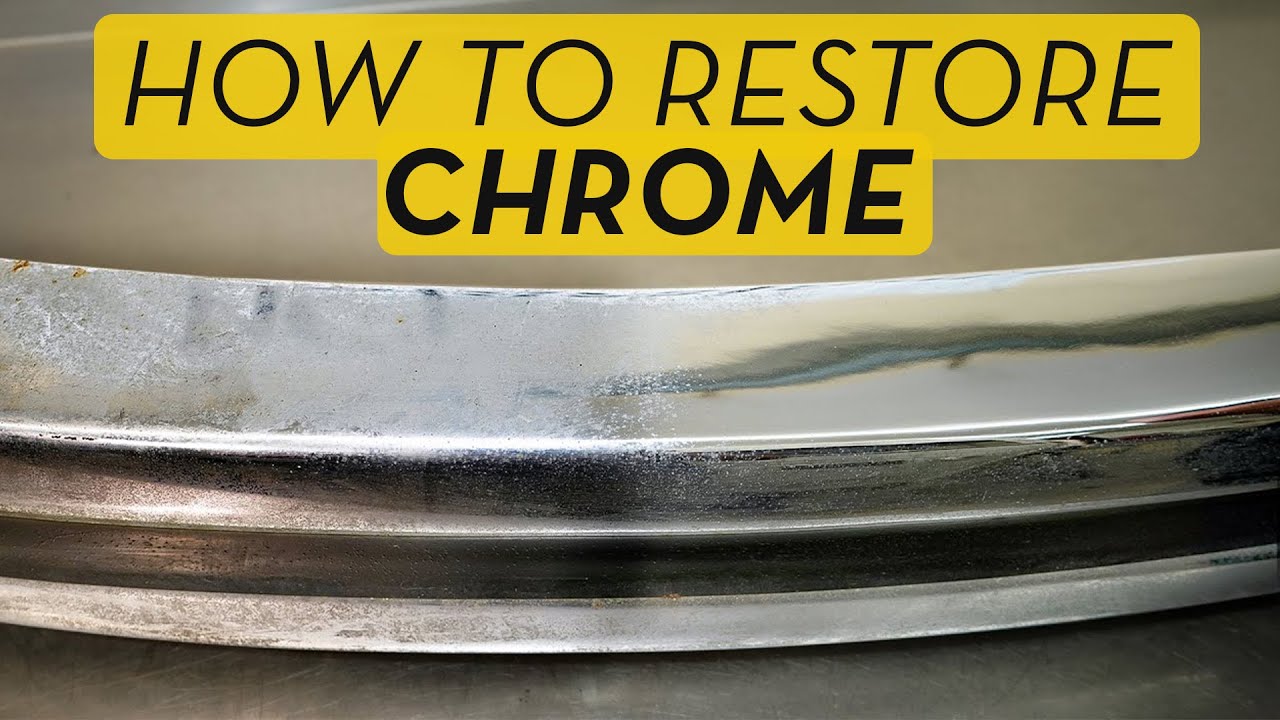
Application is key here. You’ll want to use a clean, soft cloth or applicator pad. Apply a small amount of polish to the cloth, not directly to the chrome. Then, work in small sections, using gentle, circular motions. You’ll start to see the tarnish lift away, revealing the brighter chrome beneath. Keep rotating your cloth to a clean section as it picks up the tarnish. This is where the "elbow grease" comes in – it takes a bit of effort, but the results are incredibly rewarding.
Once you've polished a section, use a separate, clean microfiber cloth to buff away any residue and reveal the shine. You’ll likely need to repeat this process over the entire piece, and you might need to reapply polish to particularly stubborn areas. Patience is a virtue, especially when it comes to chrome restoration.
A Fun Little Fact: The Science Behind the Shine
Did you know that chrome plating, or chromium plating, is a surface treatment that involves electrodepositing a thin layer of chromium onto a metal object? This process not only provides that characteristic shiny, reflective surface but also offers significant benefits like increased hardness, corrosion resistance, and wear resistance. It’s essentially giving your object a protective, super-durable, and incredibly good-looking shield. So, that gleam isn't just for show; it’s functional too!
The quality of the chrome plating can vary. You might encounter "flash chrome," which is a very thin layer, or "hard chrome," which is much thicker and designed for industrial applications. For most household items and classic car parts, you’re likely dealing with decorative chrome plating, which aims for that beautiful aesthetic. Understanding this can help you gauge how much wear and tear your chrome can withstand.
Dealing with Rust and Scratches: The More Challenging Scenarios
Now, what about the really tough stuff? Rust spots and minor scratches can feel like a chrome's worst nightmare. But even these aren't always a death sentence for your beloved shiny bits.

For rust, especially light surface rust, you can try a few things. Some of the chrome polishes mentioned earlier might be strong enough to lift light rust. If not, you might need to move to a slightly more aggressive but still safe option: aluminum foil. Yes, you read that right! Ball up a piece of aluminum foil and dip it in a bit of water or even some of that diluted vinegar solution. Gently rub the rusted areas with the foil ball. The aluminum is soft enough not to scratch the chrome but firm enough to abrade the rust. You’ll see the rust particles transferring to the foil. Rinse the area with water and dry thoroughly. Follow up with a good chrome polish to restore the shine.
For deeper rust that has started to pit the chrome, this becomes a more involved process, and sometimes, it’s beyond DIY. However, for very minor pitting, you might be able to use a very fine-grit sandpaper (think 2000-grit or higher, used wet) very cautiously, followed by aggressive polishing. This is a delicate operation, and there’s a risk of damaging the chrome if not done with extreme care. If you’re unsure, it’s often best to consult a professional.
Scratches are another tricky one. Very fine, superficial scratches can sometimes be buffed out or made less visible with a good chrome polish. The polish fills in the tiny imperfections, making them less noticeable. For deeper scratches, however, it becomes more challenging. True scratch removal on chrome plating often involves re-plating the item, which is a professional job. However, for minor nicks and scratches that don't go all the way through the plating, you can sometimes use a bit of chrome touch-up paint, available at auto parts stores. Apply it very carefully with a fine brush, let it dry completely, and then gently buff the surrounding area.
A Word of Caution: Know When to Call in the Pros
While this guide empowers you to tackle many chrome restoration challenges, it's important to know your limits. If you have a valuable antique, a highly intricate piece, or chrome that is significantly pitted or peeling, it might be worth seeking out a professional chrome plater or restorer. They have the specialized tools, chemicals, and expertise to handle these situations without causing further damage. Think of it as knowing when to call a gourmet chef for a complex dish rather than trying to recreate it yourself with a questionable recipe.
Keeping That Gleam: Regular Maintenance for Long-Lasting Shine
The best way to avoid major restoration headaches is to practice good, regular maintenance. Think of it as preventative care for your chrome. A quick wipe-down after use, especially if it's in a kitchen or bathroom where it might encounter moisture or cleaning products, can make a world of difference.
Regularly dusting with a soft cloth prevents grime from building up. If you notice any water spots, address them immediately with a microfiber cloth and a bit of water or that diluted vinegar solution. A light polish every few months, using a dedicated chrome polish, can keep the protective layer intact and the shine vibrant.
Consider using a chrome protectant spray after cleaning and polishing. These sprays add an extra layer of protection against tarnish, water spots, and fingerprints, making future cleaning even easier. It's like giving your chrome a fresh coat of invisible armor.
The Zen of the Shine: More Than Just an Object
There’s a certain satisfaction in restoring something to its former glory, isn't there? It’s not just about the object itself; it's about the process, the care, and the connection we forge with things that have a history. When you’re carefully polishing that tarnished chrome handle on an old suitcase, or bringing the gleam back to a vintage lamp, you're not just cleaning metal. You're engaging in a small act of preservation, of respecting the craftsmanship and design that went into it.
This extends beyond chrome, of course. It’s about appreciating the objects in our daily lives, giving them the attention they deserve. It’s about slowing down for a moment, engaging our senses, and finding a sense of accomplishment in bringing a little more beauty and order into our immediate surroundings. That restored gleam isn't just on the chrome; it can be a little spark of pride and contentment within you too. And that, my friends, is a shine that truly lasts.