
How To Secure Nasogastric Tube
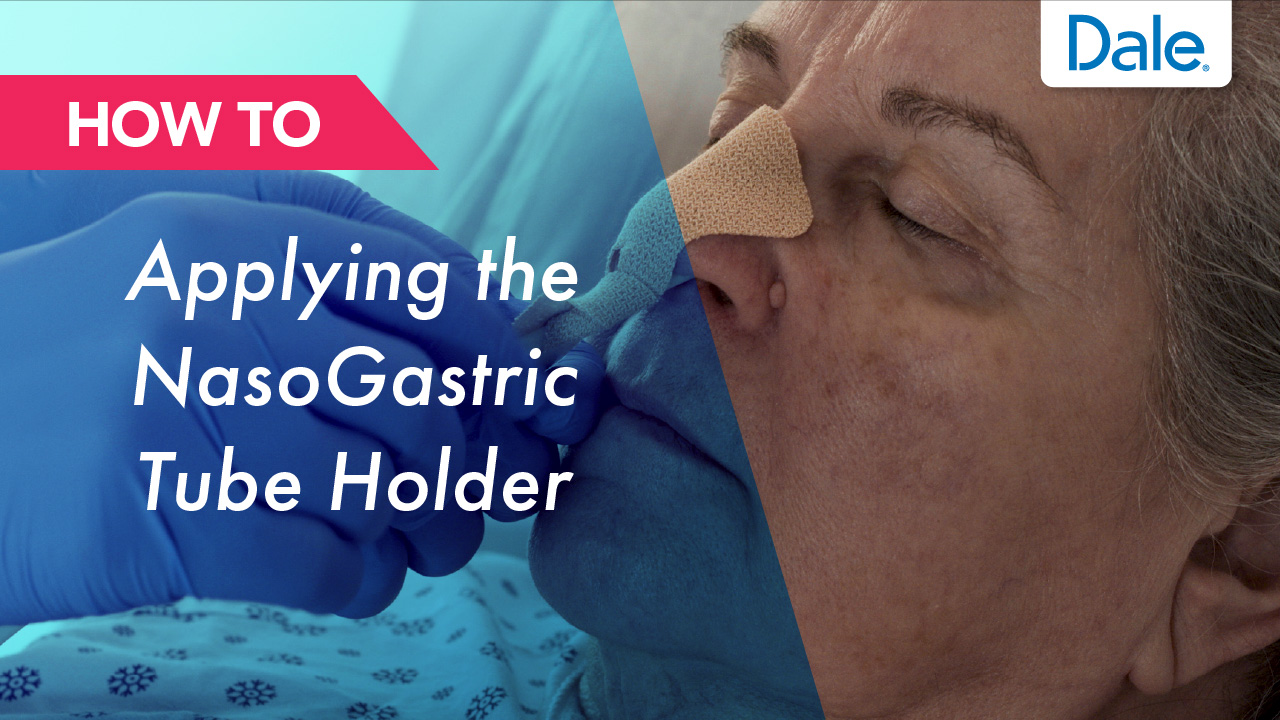
Hey there, friend! So, you've got a nasogastric tube, huh? Don't sweat it! It might sound a little intimidating at first, but securing it is actually a piece of cake. Think of it like giving your tube a cozy little hug so it stays put. We're going to get through this together, and by the end, you'll be a tube-securing pro. Ready to dive in? Let's make this as painless and even a little bit fun as possible!
First off, let's talk about why we even need to secure this thing. It's not just for kicks! A well-secured NG tube is crucial for a few big reasons. For starters, it helps prevent accidental dislodgement. Nobody wants their tube taking a surprise vacation out of their nose, right? That can be uncomfortable and, more importantly, interrupt vital feeding or medication delivery. Plus, it helps maintain proper placement, ensuring everything gets where it needs to go. And let's be honest, a tidy tube just looks and feels so much better. It's all about keeping you comfortable and safe while your body gets the support it needs. So, think of securing as giving your tube a comfy, stable home base!
Gathering Your Tube-Securing Arsenal
Before we start taping and sticking, let's make sure we have all our ducks in a row. Having everything you need within arm's reach is going to make this process super smooth. Imagine trying to build IKEA furniture without the Allen wrench – chaos! We don't want that for your tube.
So, what's in our tube-securing toolkit? Glad you asked!
The Essential Supplies
- Medical Tape: This is your main squeeze! You'll want something specifically designed for medical use, like paper tape or a gentle cloth tape. Avoid that sticky duct tape you might use for DIY projects – definitely not good for your skin! We're aiming for gentle but firm.
- Alcohol Wipes or Skin Prep Pads: These are for cleaning the skin where the tape will go. A clean surface means the tape sticks better and is less likely to irritate your skin. Think of it as prepping the runway for your tape's landing.
- Scissors: Small, clean scissors to cut your tape to the right size. Safety first, so make sure they’re not rusty or anything weird.
- Gloves (Optional but Recommended): For hygiene purposes. Even if you're doing this yourself, wearing gloves can help keep things clean and prevent the transfer of germs. It’s like putting on your superhero cape before a mission!
- A Mirror (If needed): Especially helpful if you're securing the tube yourself and need to see what you're doing. A little visual aid goes a long way!
Got all that? Awesome! Now, let's move on to the actual securing part. We’ll break it down step-by-step, so you can follow along easily.
Step-by-Step Tube Taming
Alright, deep breaths! This is where the magic happens. We're going to secure that tube so it stays exactly where it belongs.
Step 1: The Pre-Securing Clean-Up
First things first, you want to clean the skin around where the tube exits your nostril. Grab one of those alcohol wipes or skin prep pads and gently wipe the area. This removes any oils or residue that might prevent the tape from sticking well. Be thorough but gentle! You're not scrubbing for a deep clean here; just a nice, quick swipe to ensure good adhesion. Let the skin air dry for a few seconds after wiping. It's like giving your skin a spa treatment before its big taping moment.

Step 2: Preparing Your Tape
Now, let's get that tape ready. You'll want to cut a piece of tape that's long enough to secure the tube comfortably without being so long that it gets all bunched up or catches on things. A good starting point is usually a strip about 4-6 inches long. You might need to adjust this based on the size of your nose and how much slack you have in the tube. It’s a bit of an art form, really. You can also cut smaller pieces to anchor the tube in place.
Step 3: The "Anchor and Secure" Technique (The Classic Method)
This is the most common and effective way to secure your NG tube. We’re going to make a little tape "bridge" or "butterfly" to hold everything in place.
Option A: The Bridge Method
Take your strip of tape and fold it in half lengthwise, sticky side to sticky side, leaving a small portion of the sticky side exposed at each end. This exposed part will stick to your skin. Now, carefully place the folded tape over the NG tube, with the unexposed sticky part of the tape wrapped around the tube itself. The exposed ends of the tape are then stuck to the skin on either side of your nostril. It should look like a little bridge holding your tube up and over your nose.
Option B: The Butterfly Method
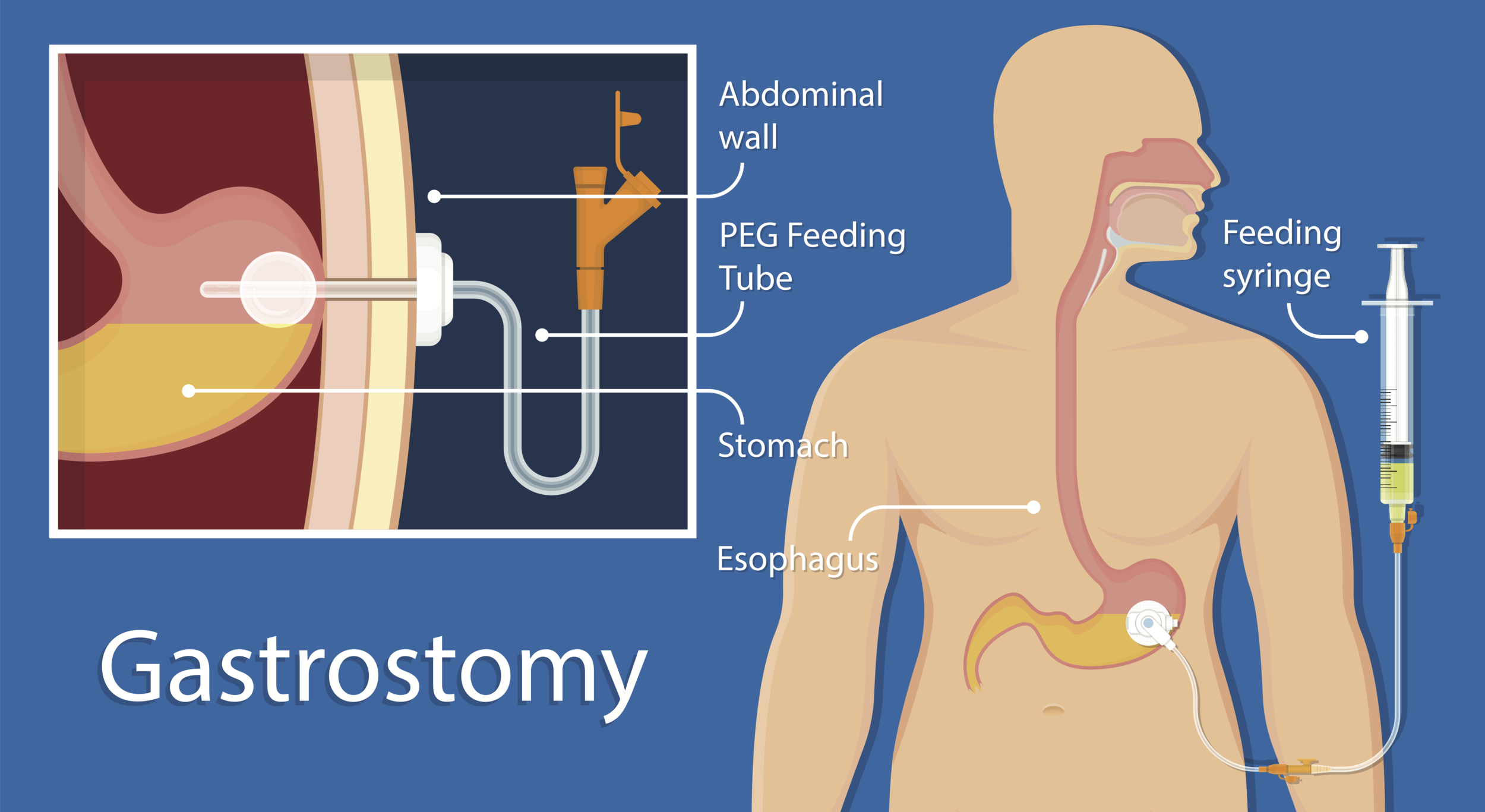
This is similar, but instead of folding the whole strip, you'll create two "wings" of tape. Cut two equal-sized pieces of tape. Take one piece and place the middle of the sticky side onto the NG tube, just above where it exits your nose. Then, wrap the two ends of the tape around the tube, securing it. Repeat with the second piece of tape, placing it slightly below the first, or on the other side of your nose if that's more comfortable or secure. It’s like giving your tube little sticky wings to keep it grounded!
Pro Tip: When applying the tape to your skin, try to stretch it just a tiny bit. This helps it adhere better and stay put. But don't pull too hard, you don't want to irritate your skin!
Step 4: Securing the Extra Tube Length
Now, what about that tail of the NG tube that’s hanging around? You don't want it dangling everywhere like a loose thread. You have a few options here:
- Taping to your cheek: Gently pull the excess tubing down and over towards your cheek. You can use another small piece of tape to secure it to your skin. Make sure it's not pulling on the tube at the nostril and that the tape isn't creating any tension. This is like tucking it in for a nap.
- Using a specialized NG tube holder: Many medical supply stores and pharmacies sell little adhesive holders designed specifically for NG tubes. These are like tinyVelcro strips or fabric pouches that attach to your skin and keep the tube neatly tucked away. They can be a great alternative to just tape, especially for long-term use. They’re the VIP lounge for your tube!
- Connecting to clothing (with caution): In some cases, you might be able to gently loop the excess tubing through a buttonhole on your shirt or secure it with a fabric clip. However, be very careful not to put any tension on the tube at the nostril. This should only be done if you’re sure it won’t cause any pulling.
The goal here is to keep the tube tidy and out of the way without creating any tension or pulling at the insertion site. It's like organizing your charging cables so they don't trip you up!
Step 5: The "How Does It Feel?" Check
This is SUPER important. Once you've secured the tube, take a moment to check in with yourself. How does it feel? Is it comfortable? Is there any pulling or tugging sensation in your nose? If it feels tight, painful, or like it's being yanked, you need to adjust it. Comfort is key, and so is preventing any skin breakdown or irritation. If it feels weird, loosen it up or reapply the tape. Your body will thank you!

Tips and Tricks for Smooth Sailing
Securing your NG tube is a skill that gets easier with practice. Here are some extra nuggets of wisdom to make the process even smoother:
Skin Care is Queen
Your skin is precious! Regularly check the skin around your nose for any redness, irritation, or breakdown. If you notice anything, you might need to switch to a different type of tape or take a break from taping if possible. Some people find hydrocolloid dressings or barrier films underneath the tape helpful in protecting their skin. It’s like giving your nose a little spa day to prevent any unwelcome drama.
Tape Rotation Game
If you’re using tape long-term, it’s a good idea to rotate the placement of the tape every few days. This means not always taping in the exact same spot on your skin. This helps distribute the adhesive's effect and prevents the skin from becoming overly sensitive or irritated in one area. Think of it as giving your nose a variety of taping experiences!
The "Don't Pull" Mantra
Seriously, this is worth repeating. Never yank or pull on the NG tube. If it feels stuck, don't force it. This can cause damage and discomfort. If you have trouble with dislodged tape or the tube itself, it’s always best to seek assistance from a healthcare professional. They’re the superheroes in this scenario!
Hydration and Moisturizing
Keeping your skin hydrated can help make it more resilient to tape. You can use a gentle, fragrance-free moisturizer on the skin around the taping area (but not directly under the tape, as that will affect adhesion). Just make sure the skin is completely dry before you reapply tape.
Listen to Your Body
This is your ultimate guide. If something feels wrong, it probably is. Don't hesitate to speak up if you're experiencing discomfort, pain, or any concerns about your NG tube or its securing. Your healthcare team is there to help you!
When to Call in the Cavalry
While securing an NG tube is often a simple task, there are definitely times when you should reach out to your healthcare provider. Don't be a lone ranger if you don't have to be!
- Accidental dislodgement: If your NG tube comes out completely or even partially, contact your healthcare provider. They'll need to assess the situation and potentially reinsert it.
- Signs of infection: If you notice increased redness, swelling, pain, warmth, or pus around the insertion site, it could be a sign of infection. Get it checked out!
- Difficulty securing: If you're struggling to keep the tube securely in place, or if the tape is consistently irritating your skin, ask for advice. There might be alternative methods or products that work better for you.
- Any concerns or pain: If you have any doubts, questions, or are experiencing discomfort that isn't relieved by adjusting the tape, don't hesitate to call your doctor or nurse.
Remember, they've seen it all before, and they want to help you feel your best!
And there you have it! You’ve conquered the art of securing your nasogastric tube. See? Not so scary, right? It’s just a little bit of taping and some TLC for your nose. Think of yourself as a master of tube management, a veritable architect of nasal tube security!
Taking care of yourself, even with medical devices, is a testament to your strength and resilience. You're doing a fantastic job, and each little step you take in managing your health is a victory. Keep up the amazing work, and remember to smile – you’ve got this!