
How To Start A Fire With A Flint

So, you wanna channel your inner cave person and spark a fire with just a rock and a bit of steel? Awesome! It’s not as hard as those survival shows make it look, I promise. Think of it like learning to ride a bike – a little wobbly at first, but oh-so-satisfying when you get the hang of it.
We’re talking about the classic flint and steel method here. Forget those fancy lighters that run out of fluid or those matches that get all soggy. This is the OG of fire-starting, and it’s pretty darn cool. Plus, you’ll have a great story to tell when you’re sitting around your own roaring blaze.
First things first, let’s talk about what you actually need. It’s not a whole lot, which is part of the beauty of it. You’ll need your flint, your steel striker, and some seriously good tinder. That’s it! Three simple things. Think of tinder as the VIP guest at your fire party; it’s gotta be ready to ignite with the slightest spark.
Now, let’s dive into the stars of the show: the flint and steel. For your flint, you don’t need a diamond, but you do need something with a nice, sharp edge. Think of it like looking for a good chip on a rock. Chert, obsidian, or even a very hard quartz can work in a pinch. The key is that it’s harder than the steel. If you’re buying a kit, you’ll probably get a nice piece of flint that’s already shaped for the job. Easy peasy!
The steel striker is usually made of high-carbon steel. It’s the thing that’s going to do all the scraping and sending those precious sparks flying. It often looks like a little hook or a curved piece of metal. Again, if you’re buying a kit, this will be included. If you’re feeling adventurous, you might be able to use the back of a carbon steel knife blade, but be careful not to damage your knife! We’re not trying to turn our trusty blade into a spark machine at the expense of its sharpness, are we?
The Magic Ingredient: Tinder!
Okay, now for the real MVP: your tinder. This is where the magic happens, or doesn't happen if your tinder is a dud. Tinder is anything that can catch a tiny spark and turn it into a flame. Think of it as the kindling for your kindling. It’s gotta be bone dry and very, very fine. We’re talking fluffy, feathery stuff.
What kind of stuff? Well, in the wild, you've got options. Dried grass that’s been rubbed between your hands until it’s like fluff? Perfect! The inner bark of certain trees, like cedar or birch, scraped and pounded until it’s a fuzzy mess? You’re speaking my language! Cottonwood fuzz, milkweed down, dried cattail fluff – these are all gold. Even some types of fungus, like Chaga, can be processed into excellent tinder.
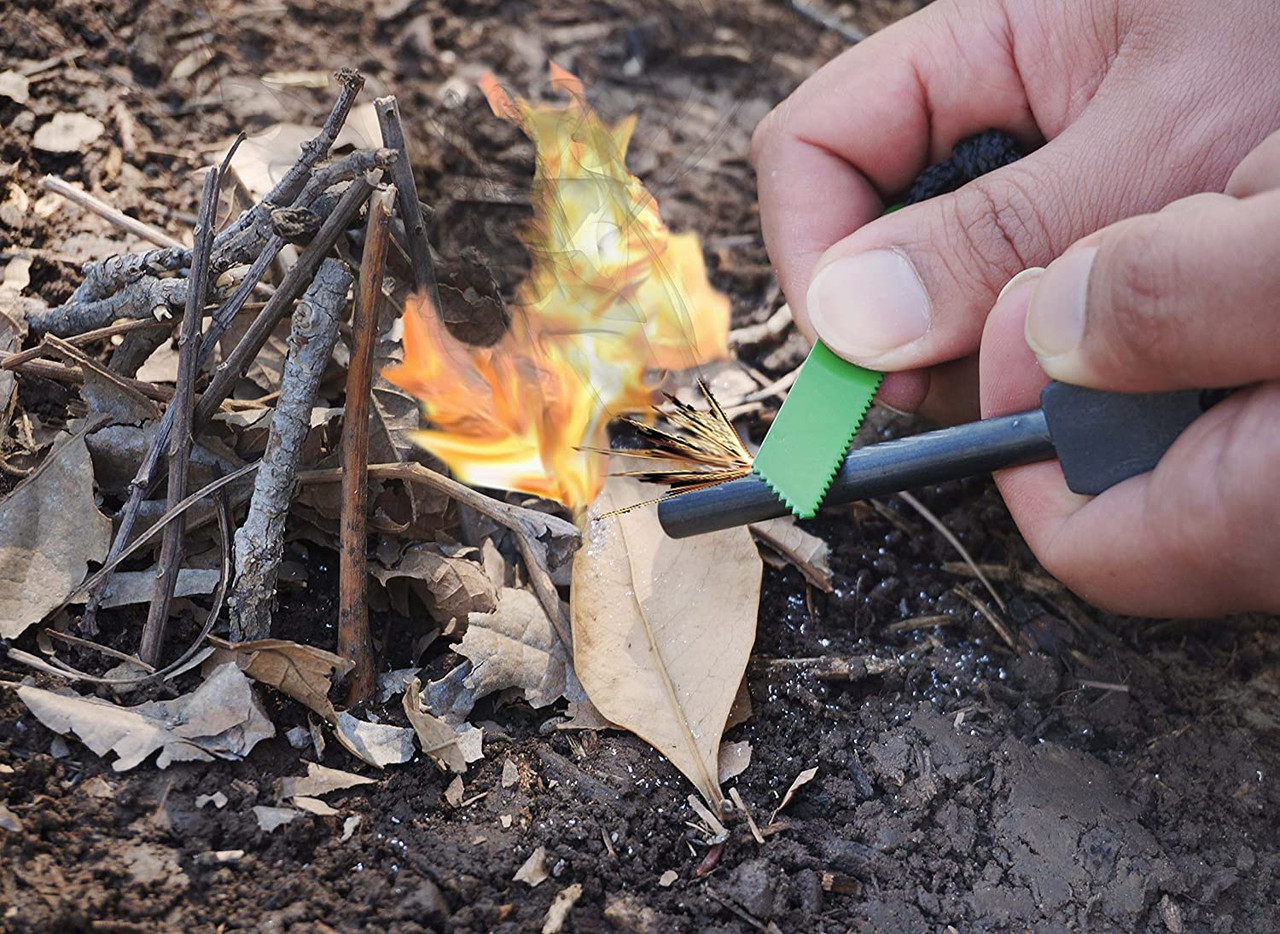
If you’re at home or in a more controlled environment, you can cheat a little (and nobody needs to know!). Cotton balls are fantastic. Stuff them in a little tin or bag and you’re good to go. Some people even char cotton balls beforehand (this is called char cloth, and it’s amazing for catching sparks), but let’s save that for another time, shall we? For now, just focus on super dry, fluffy stuff.
The most important thing about tinder is that it has to be absolutely, unequivocally, DRY. If it’s even a little bit damp, those sparks will just fizzle out like a damp firecracker. So, if you’re out in the rain, you might need to find the driest spot under a rock overhang, or even use a bit of your own body heat to dry out some promising looking fluff. It’s a bit of a treasure hunt!
Getting Your Spark On: The Technique
Alright, you’ve got your flint, your steel, and your carefully prepared tinder nest. Now for the fun part! This is where you get to feel like a true fire-whisperer.
First, create your tinder nest. This is basically a little bird’s nest made out of your tinder. It needs to be compact enough to hold the spark, but also airy enough for the flame to grow. Imagine a tiny bird’s nest, ready to welcome a precious little spark-egg.
Next, hold your flint firmly in one hand. You want the sharp edge pointing downwards. Now, take your tinder and place it right up against the sharp edge of the flint, so that a little bit of the tinder is tucked underneath the edge. Think of it as giving the flint something to grab onto.

Now, the action! Take your steel striker in your other hand. You’re going to strike the steel downwards against the sharp edge of the flint. The motion should be a quick, glancing blow, kind of like you’re trying to shave a thin sliver off the flint. The key is to scrape the steel against the flint at an angle, aiming to create friction and send sparks flying.
Where do you aim those sparks? Right into your tinder nest! You want those little fiery bits to land smack-dab in the middle of your fluffy creation. It might take a few tries. Don't get discouraged if the first few sparks don't do anything. You might need to adjust your grip, the angle of your strike, or how you’re holding the tinder.
Keep striking! The goal is to shower your tinder nest with as many sparks as possible. You'll see little flecks of red-hot steel flying off – those are your sparks! If you’re doing it right, one of those sparks will land on your tinder and start to glow.
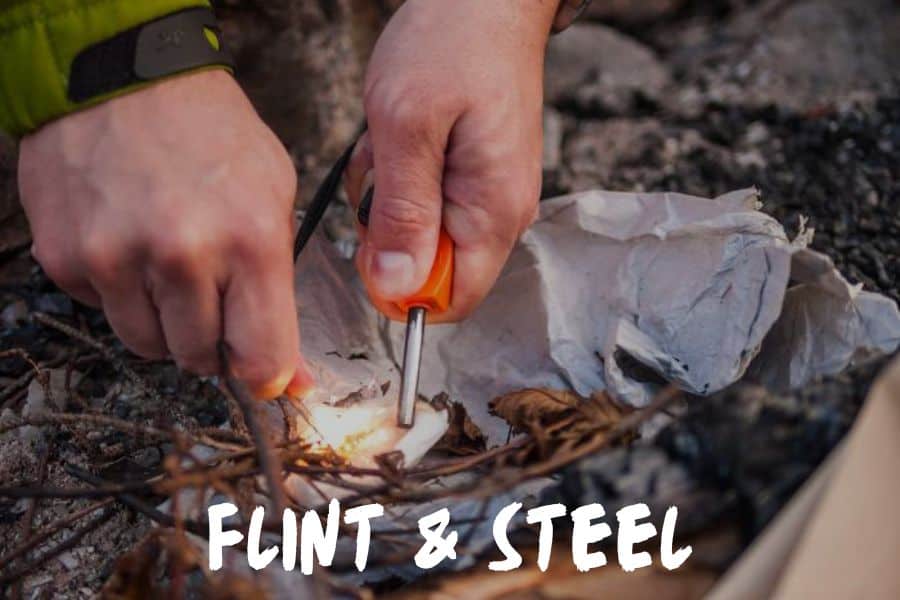
Once you see a spark catch and start to glow red in your tinder, gently cup your hands around it. Don’t blow too hard! You don’t want to blow the ember out. Instead, give it a soft, steady breath. Imagine you’re gently coaxing a shy little flame to wake up. The glowing ember will start to grow, and hopefully, it will burst into a tiny flame!
When you have a tiny flame, carefully transfer your tinder nest with the new flame into your prepared kindling. Think of this as a delicate surgery. You’ve got this precious baby flame, and you want to nurture it. Add small, dry twigs first. Gradually build up to larger pieces of wood as the fire grows stronger.
Troubleshooting Tips (Because We’re All Human!)
What if it’s not working? Don’t panic! It happens to the best of us. Here are a few things to check:
Is your tinder dry enough? I know, I know, I keep harping on it, but seriously. If it’s not perfectly dry, it’s a no-go. Try rubbing some of your tinder between your hands to see if you can fluff it up even more and ensure it's fully dry.
Are you hitting the flint correctly? The angle of your strike is important. You want a sharp, glancing blow that shaves off little bits of steel. If you’re just whacking the flint, you won’t get good sparks. Experiment with different angles and pressures.
Is your flint sharp enough? If your flint is too rounded or smooth, it won’t create the friction needed to produce sparks. You might need to find a different piece or even try to “knap” a fresh edge onto your current piece (but again, maybe save that for when you’re feeling more advanced!).
Is your steel striker clean? Sometimes, a layer of rust or dirt can interfere with the sparking process. Give your striker a quick wipe down.
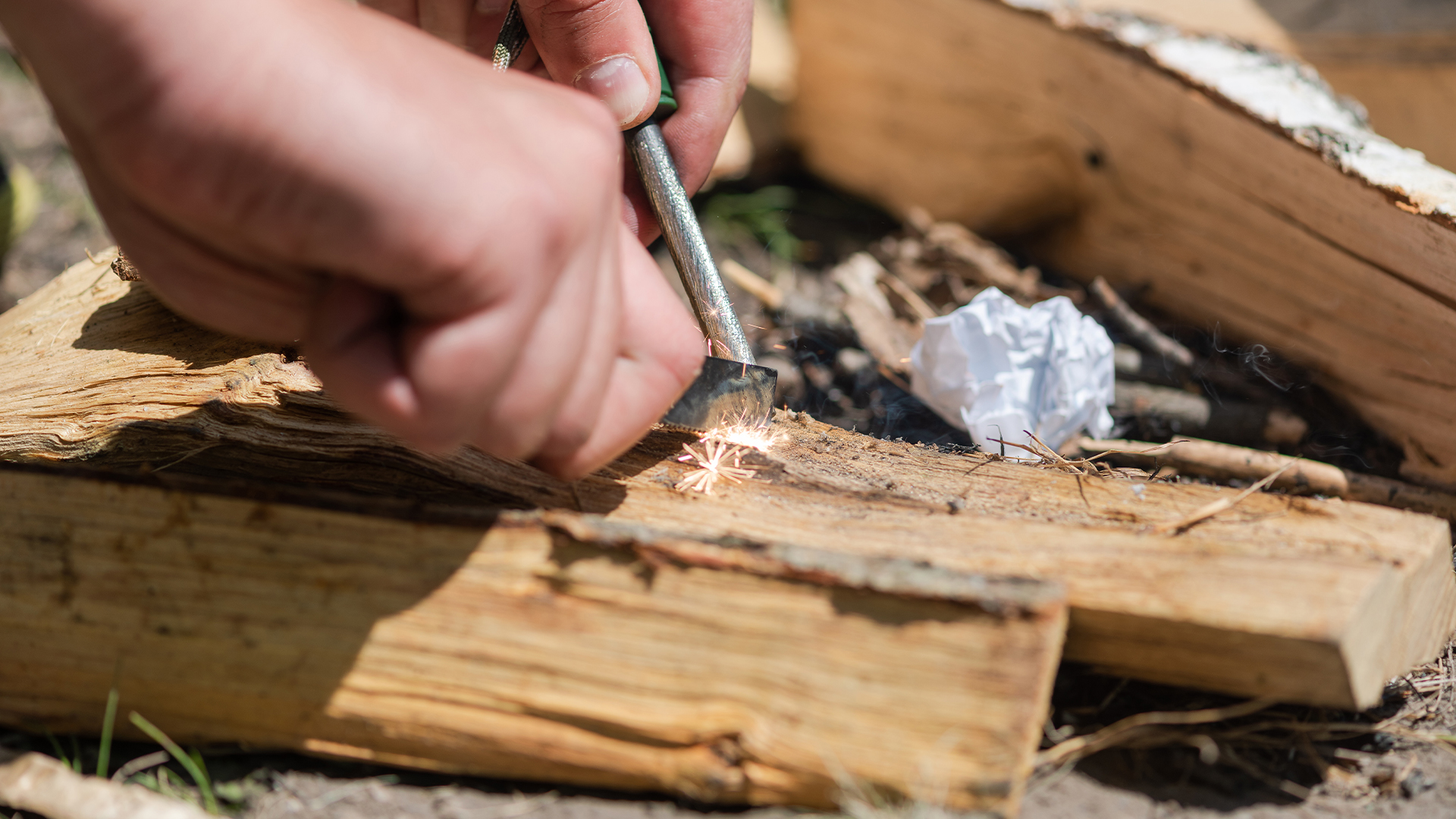
Are you aiming your sparks? Make sure your tinder is positioned so that the sparks are landing directly on it. Sometimes, you just need to get the angle right so that the sparks are showered into the heart of your tinder nest.
Are you blowing too hard? Patience, grasshopper! Gentle breaths are key to growing an ember into a flame. Too much air too soon can blow it out.
Learning to start a fire with flint and steel is a skill, and like any skill, it takes practice. Don’t beat yourself up if you don’t get it on the first try, or even the tenth. Every attempt is a learning opportunity. Think of yourself as a scientist, conducting an experiment. You’re observing, adjusting, and learning from your results.
And when it finally does work? Oh, the feeling! That first tiny spark catching, that glowing ember, and then… BAM! A beautiful, dancing flame. It’s a moment of pure triumph. You’ve harnessed the power of nature with just your own hands and a few basic tools. You’ve conquered the elements, my friend!
So go forth, my aspiring fire-starter! Grab yourself some flint and steel, gather your fluffiest tinder, and get to it. You’re about to unlock a primal skill that connects you to generations of humans who have done the same. And trust me, there’s nothing quite like the satisfaction of watching those sparks fly and knowing that you made that fire happen. Now go make some warmth and some memories!