
How To Start A Fire With Flint And Steel

Ever find yourself staring at a crackling campfire, mesmerized by the dancing flames, and wonder, "How did they even DO that?" Well, get ready to unlock a primal skill that’s not only incredibly satisfying but also seriously useful. Learning to start a fire with flint and steel is like tapping into your inner survivalist, a connection to our ancestors who mastered this art long before lighters and matches were even a glimmer in someone's eye. It’s a bit like magic, a bit like science, and a whole lot of fun!
The Thrill of the Spark
There’s a unique thrill that comes with coaxing a flame into existence with just a few well-aimed strikes. It’s a moment of quiet triumph, a testament to your own resourcefulness. Whether you're an avid camper, a bushcraft enthusiast, or just someone who enjoys a good outdoor adventure, mastering the art of flint and steel is a skill that will impress your friends and boost your confidence in any situation. Imagine being the one who can reliably get that campfire going on a chilly evening, or start a cooking fire when you need to whip up a wilderness meal. It’s not just about survival; it’s about connection – to nature, to history, and to your own capabilities.
What You'll Need: The Dynamic Duo and Their Allies
The core of our fire-starting operation is, of course, the flint and steel. Don't let the simplicity fool you; these are powerful tools. The flint, a hard, sedimentary rock, has sharp edges when it breaks. The steel, usually a piece of high-carbon steel, is designed to shave off tiny particles of itself when struck against the flint. These steel shavings heat up from the friction, glow red-hot, and become your spark.
But sparks alone won't start a fire. You need something for those glowing embers to feast on, and that's where your tinder comes in. Think of tinder as the highly flammable starter fuel. Excellent natural tinder options include:
- Char cloth: This is specially prepared cotton cloth that has been charred, making it incredibly easy to catch a spark. It’s a favorite for beginners!
- Dry grass: Look for the finest, driest grass you can find. Fluff it up to create a loose nest.
- Cotton balls: Plain cotton balls are fantastic. For an extra boost, you can soak them in petroleum jelly (Vaseline) for a longer-burning, more robust tinder.
- Birch bark shavings: The papery outer bark of birch trees is highly flammable.
- Fungus: Certain types of dry, punky fungus can work as excellent tinder.
Once you have your tinder ready, you’ll need kindling and firewood. Kindling is small, dry twigs and branches, progressively getting larger, that will catch fire from the tinder. Firewood is the larger fuel that will sustain your fire.

The Dance of Creation: Striking the Spark
Now for the exciting part! Let's break down the process. First, prepare your tinder nest. Take your chosen tinder and fluff it up into a loose ball. You want it airy enough for the spark to ignite it. If you're using char cloth, place a small piece right in the center of your tinder nest.
Next, hold your flint firmly in one hand. Position the steel strike tool so that the edge of the steel is angled downwards, almost perpendicular to the edge of the flint. The key is to have the steel tool positioned to shave off small pieces of itself when struck.
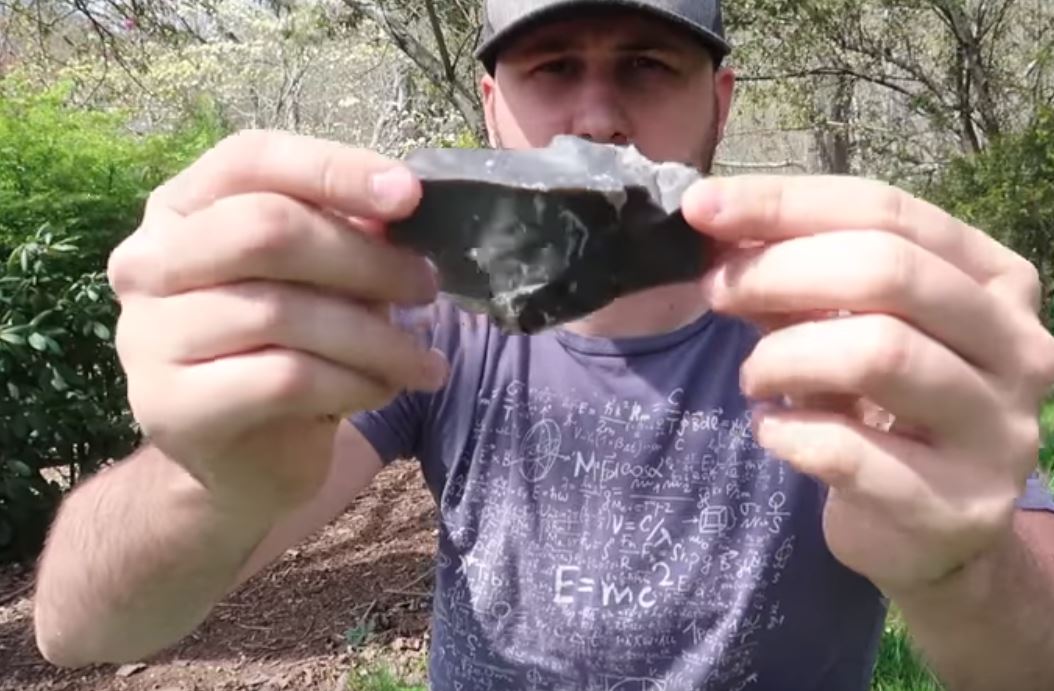
Now, for the strike! With a quick, sharp, downward motion, scrape the steel down the edge of the flint. Imagine you're trying to shave a thin sliver off the steel. You want a glancing blow, not a direct impact. The goal is to create friction that generates hot sparks.
Aim your sparks directly at your tinder nest. It might take a few tries! Don’t get discouraged. You’re looking for that tell-tale glow – a tiny red ember within your tinder. Once you see an ember, gently cup the tinder nest in your hands, being careful not to smother it. Blow gently and steadily onto the ember. You’ll see it grow, and with a bit more breath, it should burst into a flame!

Nurturing the Flame: From Spark to Blaze
Once you have a flame, it’s time to feed it. Carefully place your burning tinder nest into your prepared pile of kindling. Continue to blow gently, encouraging the flames to lick at the smaller twigs. As the kindling starts to burn well, gradually add larger pieces. Patience is your friend here. Don’t overload the nascent fire. Let it breathe and grow.
Learning to start a fire with flint and steel is a skill that rewards practice. It’s a connection to a timeless human endeavor, a way to feel more capable and at home in the natural world. So, grab your gear, find some dry materials, and embrace the adventure. The satisfaction of coaxing fire from stone and steel is an experience you won't soon forget!