
How To Take Scratches Out Of Stainless Steel
Hey there, fellow stainless steel warrior! You know that sinking feeling? You’ve just bought a beautiful new appliance, or maybe you’re admiring your trusty stovetop, and BAM! A tiny, innocent-looking scratch appears like a miniature battlefield scar. Don't panic! We've all been there. Those shiny surfaces can be a bit… dramatic sometimes. But fear not, because today we’re diving into the wonderful world of banishing those unsightly marks and getting your stainless steel looking showroom-ready again. Think of me as your kitchen detective, armed with sponges and a dash of optimism!
So, what exactly are we dealing with? Stainless steel, bless its heart, is pretty durable. But it’s not invincible. It’s usually made of iron, chromium, and other elements that give it that lovely, non-rusting sheen. The chromium forms a thin, invisible layer of oxide that protects it. However, when you introduce something abrasive – a rogue grain of sand, a clumsy utensil, or even just a vigorous scrub with the wrong thing – you can break through that protective layer and create a scratch. It’s like giving it a tiny paper cut. Ouch!
Now, before we go wielding power tools (kidding, mostly!), it’s super important to identify the scratch. Is it a light, superficial scuff? Or is it a deep gouge that looks like your cat decided to practice its ninja moves? The method we use will depend on the severity. Don’t worry, we’re not going to need a surgeon for this. Just a keen eye and a gentle touch.
The Art of the Gentle Buff: For Those Minor Annoyances
Let’s start with the easy stuff, shall we? You know, the kind of scratch that makes you go, "Oh, fiddlesticks!" This is where our trusty non-abrasive cleaners and a whole lot of patience come into play. Think of it as a spa day for your stainless steel. It needs some pampering, not a wrestling match.
Method 1: The Baking Soda Brigade
Ah, baking soda. The unsung hero of the cleaning world. It’s like the Swiss Army knife of your pantry. And guess what? It’s brilliant for mild scratches on stainless steel. Here’s how to deploy this secret weapon:
First, grab a small bowl and mix up a paste. You want it to be about the consistency of toothpaste. Think not too runny, not too stiff. Just right, like Goldilocks’ porridge, but for your fridge. You’ll need about three parts baking soda to one part water. Mix it up with a spoon or even your finger if you’re feeling brave and have clean hands.
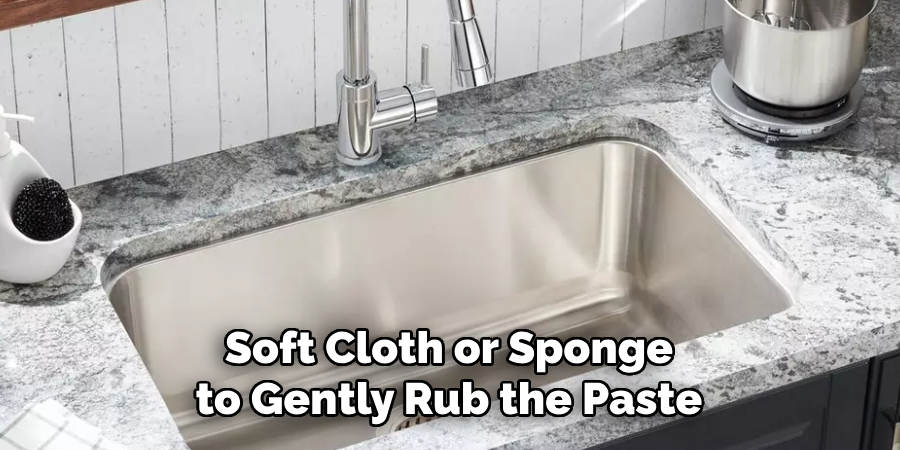
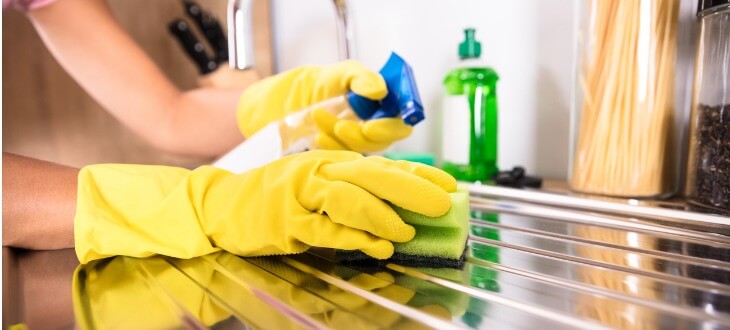
Now, get a soft cloth. We're talking microfiber, folks. No scouring pads, no steel wool – we're trying to fix the scratch, not create a whole new set of friends for it. Dip your cloth into the baking soda paste. Then, gently rub the paste onto the scratch. Here's the crucial part: rub in the direction of the grain. Most stainless steel has a visible grain, like wood. You'll notice it if you look closely. Going against the grain is like trying to comb your hair backwards – it’s just going to look messy and create more problems.
Rub gently in a circular motion, following the grain. You’re not trying to scrub the paint off, just lightly buffing. You might need to apply a bit of pressure, but don’t go crazy. After a minute or two, wipe away the paste with a clean, damp cloth. Rinse and repeat if necessary. Sometimes, a couple of passes are all it takes to make that scratch fade into oblivion.
Pro tip: If the scratch is particularly stubborn, you can let the paste sit on it for a few minutes before gently buffing. Just don’t let it dry out completely!
Method 2: The Vinegar Vitality (with a caveat!)
Vinegar is another cleaning superstar, but we need to be a little more cautious with this one. While it can help clean and polish, it’s acidic. So, while it might not remove a scratch itself, it can help with minor scuffs and make the area look a lot cleaner, which can sometimes disguise the scratch. Use this one more for general polishing after you’ve addressed the scratch itself.
Mix a 50/50 solution of white vinegar and water in a spray bottle. Lightly mist the area around the scratch. Then, using a clean, soft cloth, buff the area in the direction of the grain. This can help restore some shine and make the scratch less noticeable. Just remember, don't let vinegar sit on stainless steel for too long, especially if it’s a polished finish. A quick wipe and rinse is usually best.
Playful Aside: My kitchen sometimes smells like a salad bar after I’ve used vinegar, but hey, at least it’s clean!
When Scratches Get a Little More Serious: Bringing Out the Big Guns (Gently!)
Okay, so you’ve got a scratch that’s a bit more than a mere whisper. It’s more of a polite cough. This is where we might need to step up our game slightly, but still, we’re keeping it friendly for our stainless steel friend.
Method 3: The Toothpaste Triumph
Yep, you read that right. Regular, white, non-gel toothpaste. Not the fancy kind with baking soda already in it (though it might work, let’s stick to the basics for now). Toothpaste contains mild abrasives that can help buff out slightly deeper scratches.
Grab a dab of your chosen toothpaste and apply it directly to a soft cloth. Again, think microfiber. Gently rub the toothpaste onto the scratch, moving in the direction of the grain. You’re looking for a similar buffing motion as with the baking soda. Apply moderate pressure and work it in for a minute or two.
Once you’re done, wipe away the toothpaste residue with a clean, damp cloth. You might need to rinse and wipe a couple of times to get all the minty freshness off. Then, dry the area with a clean, dry cloth. You might be surprised at how much this can help!
Important Note: Make sure it’s non-gel and non-whitening. Those added ingredients can sometimes be harsher or leave a residue. Stick to the classic white paste.
Method 4: The Specialized Stainless Steel Scratch Remover Kits
For those scratches that are a little more than a scuff but not quite a canyon, you might consider a dedicated stainless steel scratch remover kit. These kits are designed specifically for the task and usually come with a polishing compound and abrasive pads. They’re a bit like a DIY scratch repair kit for your car, but for your kitchen.
Follow the instructions on the kit very carefully. They’ll usually involve applying the compound and then using the pads to gently buff out the scratch, always working in the direction of the grain. These can be very effective, but they also require a bit more precision. Read the reviews before you buy one, and make sure it's suitable for your specific stainless steel finish (brushed, polished, etc.).
Playful Aside: These kits can make you feel like a pro surgeon, but without the years of medical school. Just try not to hum dramatic music while you're doing it.
When All Else Fails: The Power of Professional Help (or a Good Cover-Up!)
Now, let’s be real. If you’ve got a scratch that’s deep enough to hide a small coin in, or if you’ve tried everything and it’s still stubbornly visible, it might be time to call in the cavalry. Or, at the very least, to accept that your appliance has character!
Deep Scratches: The Hard Truth
Deep scratches are tough. Like, really tough. They often go down to the base metal and can be very difficult, if not impossible, to completely remove without professional intervention. Think of it like a deep scar – it’s part of the history.
You can try more aggressive sanding or polishing compounds, but there’s a significant risk of making the situation worse. You could end up with a dull, uneven patch that draws more attention to the area. If you’re feeling adventurous and have a lot of practice with fine-grit sandpaper, you could try very, very light sanding with progressively finer grits, always in the direction of the grain. But honestly? Proceed with extreme caution.
For really deep scratches, your best bet might be to either live with it (and call it a battle scar!) or to consider professional refinishing. Some companies specialize in repairing stainless steel surfaces. It can be pricey, but it’s the surest way to get it looking like new.
The Art of Distraction: Embrace the Charm!
And sometimes, my friend, the best way to deal with a scratch is to… not deal with it. Hear me out! If the scratch is minor and doesn’t detract too much from the overall look, perhaps you can simply embrace it. Your appliance is a working part of your home. It gets used, it lives a life! A tiny scratch can be a sign of love and use. Think of it as a beauty mark.
You can also strategically place things to cover it up! A cute magnet, a small decorative item, or even a well-placed tea towel can work wonders. It’s all about perspective. Instead of focusing on the flaw, focus on all the wonderful things your stainless steel friend does for you every day. It keeps your food cold, it cooks your meals, it makes your kitchen look sleek. That little scratch is just a tiny footnote in its grand story.
Final Thoughts: Shine On, You Crazy Diamond (of Stainless Steel)!
So there you have it! A friendly guide to tackling those pesky stainless steel scratches. Remember, the key is to start with the gentlest methods and work your way up only if necessary. Always, always, always go with the grain. It’s the golden rule of stainless steel care. And a good quality microfiber cloth is your best friend.
Don’t let a few little marks get you down. Your stainless steel is still fantastic, and with a little TLC, it can look amazing. And even if a scratch remains, think of it as a reminder of all the delicious meals you’ve made, the parties you’ve hosted, and the everyday moments that make your house a home. Your stainless steel isn’t just a surface; it’s a witness to your life. So go forth, buff those scratches, and let your stainless steel shine with pride!