
How To Tell Aluminium From Stainless Steel
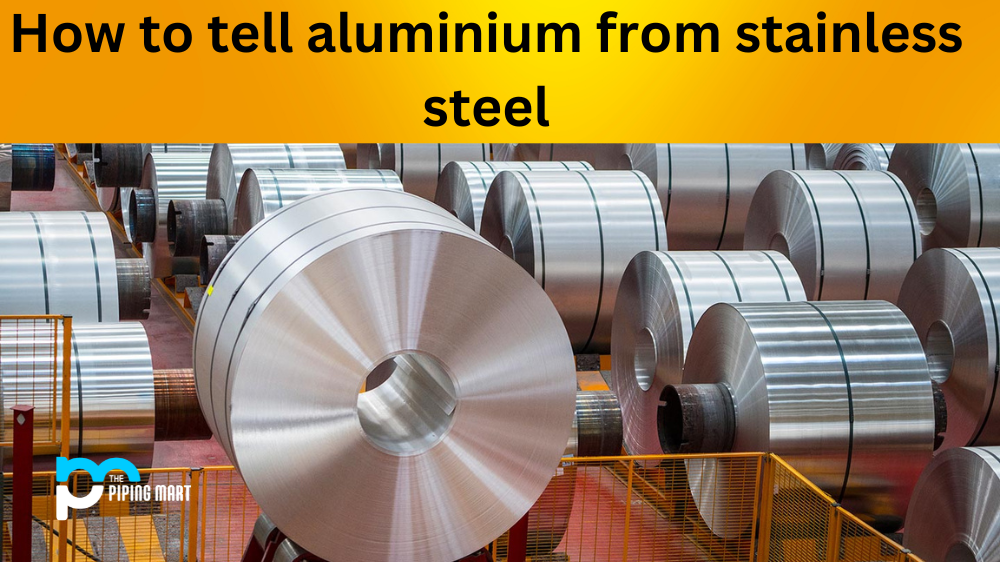
Hey there, fellow humans! Ever found yourself staring at a shiny kitchen gadget, a piece of cookware, or maybe even a bike frame, and wondering, "Is this the lightweight champ, aluminium, or the sturdy workhorse, stainless steel?" You're not alone! This little mystery pops up more often than you might think, and honestly, knowing the difference can save you some head-scratching (and maybe even a few oops moments). Think of it like knowing your cat from your dog – both are furry and can be cuddly, but they're definitely not the same, right?
Why should you even care, you ask? Well, it’s not just about impressing your friends with your metal-identification skills at a barbecue (though that's a bonus!). Knowing your aluminium from your stainless steel can affect everything from how your food cooks to how your favourite saucepan holds up over time. It’s like understanding the difference between a quick, breezy summer shower and a powerful, drenching downpour. Both are water, but their impact is quite different!
Let’s start with our first contender: aluminium. Imagine a cloud. It’s light, it’s airy, and it floats around. Aluminium is a bit like that, but in metal form! It’s a super lightweight metal. If you’ve ever lugged around a camping pot or a baking sheet that felt surprisingly easy to carry, chances are you were dealing with aluminium. It’s also known for being a fantastic conductor of heat, which is why it’s a popular choice for cookware. Think of it as the Speedy Gonzales of heat transfer – it gets hot quickly and evenly, making your pancakes cook up beautifully.
One of the tell-tale signs of aluminium is its softer nature. You can sometimes even scratch it a bit more easily than stainless steel. It’s not going to crumble in your hands, of course, but it’s definitely more pliable. Over time, especially with vigorous scrubbing, you might see some faint scratches or even a slight change in its sheen. That’s just the aluminium’s way of saying, "I've been busy making delicious meals for you!"
Now, let’s talk about its cousin, stainless steel. If aluminium is a cloud, stainless steel is more like a sturdy oak tree. It’s heavier, it’s stronger, and it feels a lot more substantial in your hands. Pick up a stainless steel frying pan, and you’ll immediately notice the difference in weight compared to a similar-sized aluminium one. It's got that satisfying heft, that feeling of quality that tells you it's built to last.

Stainless steel is also famous for its resistance to rust and corrosion. Remember that time your favourite cast iron pan got a little bit of rust because you forgot to dry it properly? Stainless steel says, "Not on my watch!" It’s remarkably tough and doesn't react with food, which is why it’s a favourite for everything from cutlery to sinks to those fancy water bottles we all seem to have these days. It's like the stoic, reliable friend who's always there for you, no matter what.
So, how do we actually tell them apart in the wild? Let’s break it down into a few easy, everyday tests. First up, the weight test. This is probably the most obvious one. Grab the item in question. Does it feel surprisingly light? Congratulations, you’re likely holding aluminium! Does it feel solid and a bit hefty? Hello, stainless steel!
Think about your old camping gear. Those lightweight pots and pans that make your backpack feel a little less like a boulder? That’s probably aluminium. Now think about your really good chef’s knife or that solid set of silverware. Those feel substantial, right? That's the stainless steel working its magic.

Next, let’s consider the magnet test. This is a bit of a clever trick! Stainless steel, specifically the kind most commonly used for kitchenware (a type called austenitic stainless steel), is not magnetic. Aluminium, on the other hand, is definitely not magnetic either. So, this test might seem a bit confusing at first! However, there are other types of stainless steel, like ferritic and martensitic, which are magnetic. So, if a magnet sticks to your item, it’s likely a magnetic type of stainless steel. If the magnet doesn't stick, it could be aluminium OR non-magnetic stainless steel. So, this test is more of a “sometimes helpful” tool rather than a definitive answer for everything.
Let's refine this a bit. If you have a magnet and you test a common stainless steel pot or knife, and the magnet doesn't stick, you can’t automatically say it’s aluminium. It could still be austenitic stainless steel. But if the magnet does stick, you can be pretty sure you're dealing with some form of magnetic stainless steel. It’s like a detective clue – not the whole story, but a very important piece of the puzzle!
Another little clue comes from the appearance. While both can be shiny, aluminium often has a softer, more matte sheen when it’s not polished to a mirror finish. It can sometimes develop a duller, slightly greyish patina over time, especially if it's older. Stainless steel, however, tends to have a more consistent, brighter, and often more reflective shine. It’s like the difference between a subtle pearl finish and a dazzling diamond sparkle.

Have you ever seen those old, well-loved aluminium mixing bowls? They might have a few dents and a slightly muted look, but they're still going strong. Contrast that with a gleaming stainless steel sink that still looks brand new after years of dishwashing. That's the visual difference at play!
Let's consider the sound. This is a bit of a more nuanced one, but you can sometimes hear the difference when you tap on the metal. Aluminium often produces a softer, duller “thud” when tapped. Stainless steel, being denser and sturdier, tends to produce a sharper, more resonant “ping” or a slightly higher-pitched sound. It’s like the difference between tapping on a cardboard box and tapping on a solid wooden table. You might need to do this a few times to get a feel for it, but it can be a surprisingly effective clue!
Imagine you accidentally drop a lightweight aluminium baking pan versus a heavier stainless steel one. The sound alone can often tell you which is which. The aluminium might just make a soft clatter, while the stainless steel could have a more “clangerous” announcement of its arrival on the floor.
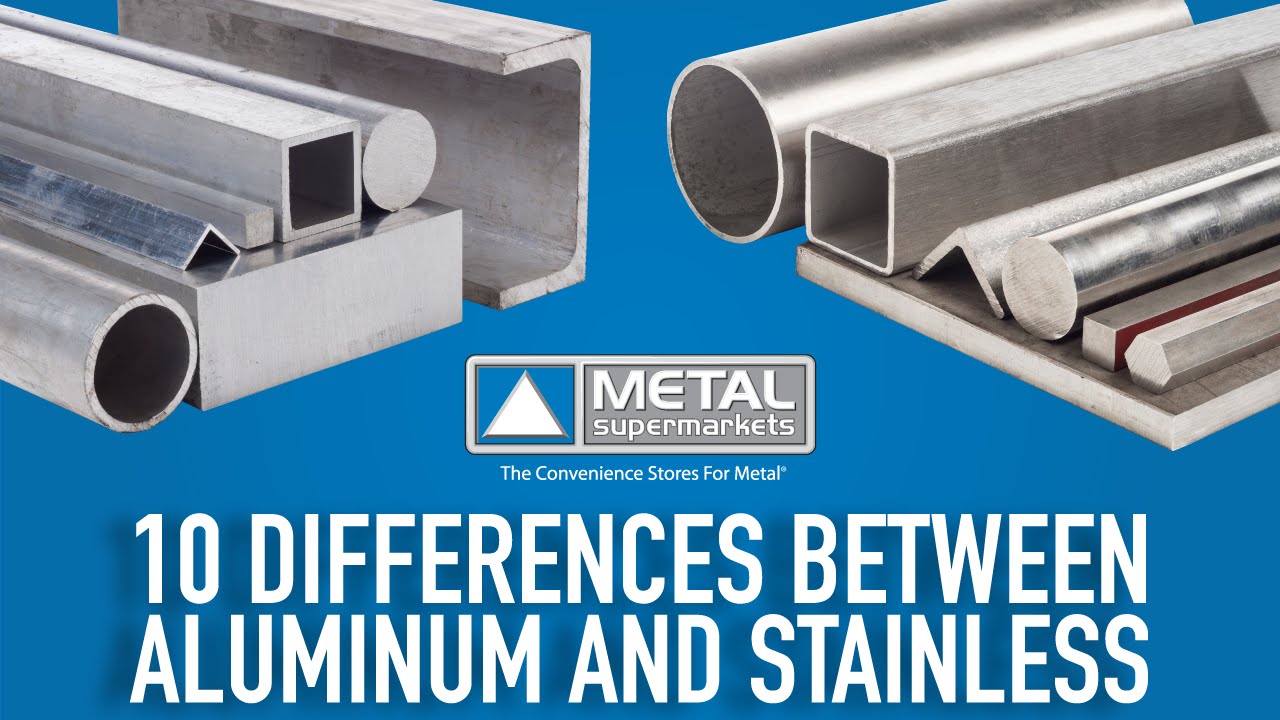
Finally, let’s talk about price and use. Generally speaking, aluminium is often less expensive than stainless steel. This is partly because it’s lighter and sometimes easier to work with in certain manufacturing processes. You’ll often find aluminium used for more budget-friendly cookware, disposable foil containers, and items where weight is a primary concern, like luggage. Stainless steel, being more durable and premium, usually comes with a higher price tag and is used for items where longevity and robustness are key – think high-end cookware, cutlery, and appliances.
So, next time you’re at a yard sale, browsing in a kitchen store, or even just cleaning out your cupboards, give your metal items a little once-over. Does it feel light? Does a magnet stick (or not stick)? How does it look and sound? You'll start to develop your own little radar for distinguishing between these two fantastic metals.
Knowing the difference isn't about becoming a metallurgist overnight. It’s about understanding the quirks and strengths of the things you use every day. It’s about appreciating why your favourite saucepan heats up so fast, or why your cutlery never seems to rust. It’s a little bit of everyday magic, a small piece of knowledge that makes life just that little bit more interesting. So go forth, my friends, and conquer the world of metal identification, one shiny object at a time!