
How To Tell If Bird Has Broken Wing

Ah, birds. Those feathered marvels that grace our skies, serenade our mornings, and generally make the world a more vibrant place. We love them, whether they’re swooping in for a snack at our feeders or just adding a splash of color to our commutes. But sometimes, life throws them a curveball, and a bird might find itself in a bit of a pickle, perhaps with a wing that’s not quite… cooperating. It’s enough to make even the most stoic among us feel a pang of concern. So, what do you do when you suspect our aerial amigos might have taken a bit of a tumble? Let’s dive into how to tell if a bird has a broken wing, with a dash of empathy and a sprinkle of practical know-how.
First things first, let’s acknowledge the sheer awe of birds. Think about it: a creature lighter than a paperback novel can defy gravity, navigate continents, and sing complex melodies. It’s pretty mind-blowing, right? This inherent fragility, combined with their incredible capabilities, makes spotting distress all the more important. And when it comes to a broken wing, it’s usually one of the most obvious signs that something’s amiss.
The Obvious Signals: When a Bird Just Isn’t Flying Right
So, you’ve spotted a bird on the ground, and it’s not zipping off into the trees like its buddies. What are the tell-tale signs that its wing might be the culprit?
The Drooping Wing: A Classic Indicator
This is probably the most straightforward clue. If a bird’s wing is visibly hanging lower than the other, or sticking out at an odd angle, that’s a pretty solid sign. Imagine if you had to hold your arm at a weird angle all day – it wouldn’t feel great, and it certainly wouldn't be functional. For a bird, a drooping wing means it can’t properly generate lift for flight. They might be trying to compensate by holding their body in a strange way, or even dragging the injured wing on the ground.
Think of it like a superhero whose cape is tangled. They might still be able to stand, but their ability to soar? Not so much. This visual cue is your first, and often loudest, alarm bell.
Inability to Fly: Grounded and Gloomy
This might seem like a no-brainer, but it's crucial. If a bird is consistently on the ground when it should be airborne, especially if it’s showing other signs of distress, it's a big red flag. Birds are built for flight. It’s their primary mode of transportation, their escape route, and their way of life. If they’re not flying, they’re in trouble. They’re vulnerable to predators, they can’t forage effectively, and they can’t get to safety.
It’s like seeing your usually energetic dog suddenly unable to chase a ball. You’d immediately wonder what’s wrong, and you’d look for the physical explanation. With birds, the lack of flight is the most undeniable symptom.
Dragging a Wing: A Sign of Serious Trouble
This is where things get particularly concerning. If a bird is observed dragging one of its wings along the ground as it tries to move, it’s almost a definitive sign of injury. This isn’t just a slightly out-of-place wing; it’s a wing that’s causing significant pain and impairment. The bird might be trying to protect it, or it might simply have no control over it.
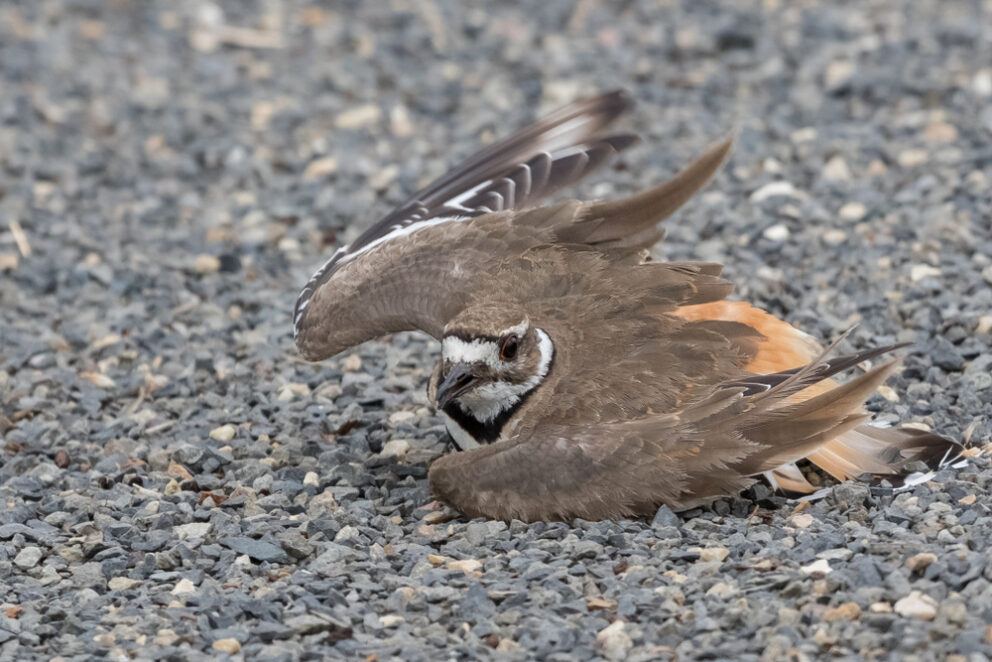
It’s a heartbreaking sight, isn't it? Like watching a dancer suddenly unable to lift their leg during a pirouette. It highlights the severity of the situation and the bird’s immediate need for help.
Subtle Clues: When the Signs Aren’t So Obvious
Sometimes, a broken wing isn’t as dramatically obvious. The bird might still be trying to move, and the injury might be more subtle. These are the times when a little extra observation comes in handy.
Uneven Flapping or Difficulty Launching
When a bird tries to take off, watch how its wings move. If you notice an uneven flapping motion, where one wing seems to be working harder or differently than the other, it could indicate a problem. They might also struggle to get airborne, perhaps making several attempts or not getting very high.
Think of it like watching someone try to swim with one arm tied behind their back. They might be able to move, but it’s going to be a struggle, and they won’t be as efficient or as graceful. This subtle asymmetry in movement is a key observation.
Clumsiness and Poor Balance
A bird with a compromised wing might exhibit general clumsiness and a lack of balance. They might waddle in an awkward way, struggle to perch securely, or even fall when they try to hop. Their entire posture might be off, as they try to compensate for the imbalance caused by the injured wing.

It’s a bit like when you’ve sprained your ankle. You’re not just limping; your whole gait is affected. Birds are incredibly agile, so any noticeable loss of that agility is a strong indicator something’s not right.
Feathers Out of Place or Damaged
Sometimes, a broken wing can lead to the feathers around the wing looking ruffled, out of place, or even damaged. The bird might be unable to preen properly, or the injury itself might have caused damage to the delicate feather structure. Look for any obvious signs of matted feathers, broken shafts, or an overall disheveled appearance in the wing area.
Feathers are like a bird’s bespoke tailoring. When they’re not in place, it’s like a beautifully tailored suit being rumpled. It speaks to a bird’s inability to maintain its own upkeep, which is often a sign of distress.
Huddled and Lethargic Behavior
When a bird is in pain or injured, it’s likely to be more subdued and less active than usual. Instead of being alert and busy, it might be found huddled in a sheltered spot, appearing lethargic or unresponsive. This is their way of conserving energy and trying to avoid drawing attention to themselves when they are vulnerable.
It’s a universal sign of distress. Even the most energetic dog will curl up when they’re not feeling well. This withdrawal into themselves is a powerful signal that help might be needed.
What To Do If You Suspect a Broken Wing
So, you’ve observed a bird exhibiting some of these signs, and you’re pretty sure it might have a broken wing. What’s the next step? It's natural to want to help, and there are ways to do it responsibly.

Observe from a Distance First
Before you rush in, take a moment to observe the bird from a safe distance. Is it actually in immediate danger? Is it being targeted by predators? Sometimes, birds can recover from minor injuries on their own, especially if they can find a safe place to rest and heal. Giving them space can also prevent them from becoming more stressed by your presence.
This is like being a good detective. You gather information before making a move. Sometimes, the best first action is to simply watch and assess the situation.
Contact Wildlife Rehabilitation Centers
This is your go-to resource. Wildlife rehabilitation centers are staffed by trained professionals who know exactly how to handle injured wildlife. They have the equipment, knowledge, and experience to assess the injury, provide treatment, and give the bird the best chance of recovery and release back into the wild.
Think of them as the avian ER. They are equipped to handle these emergencies. A quick search for "wildlife rehabilitation near me" will likely yield some excellent local options. They often have hotlines you can call for advice even if you can't immediately bring the bird to them.
Handle with Extreme Care (If Necessary)
If you absolutely must approach the bird, remember that these are wild animals, and even a small bird can inflict a surprisingly nasty bite or scratch. If you need to contain the bird for transport to a rehabber, use a clean, sturdy box with ventilation holes. Line it with a soft towel or paper towels. Approach the bird slowly and calmly.
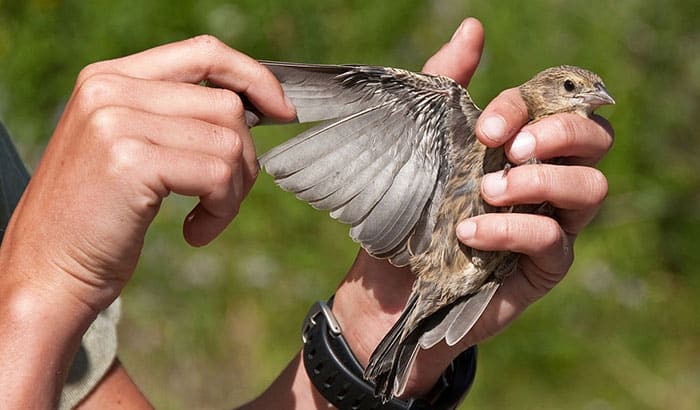
Gently guide the bird into the box. Avoid unnecessary handling. The less stress you put on the bird, the better. It’s like handling a precious, fragile antique – with utmost gentleness and respect.
Avoid DIY Treatments
It might be tempting to try and splint the wing yourself, but please resist the urge. Improper handling or splinting can cause more harm than good. You could exacerbate the injury, cause infection, or create additional pain for the bird. Leave the medical interventions to the professionals.
This is not the time to channel your inner Dr. Dolittle with a makeshift first-aid kit. Trust the experts who have dedicated their lives to this. It’s a testament to our respect for nature that we know when to call in the cavalry.
A Little Birdy Trivia
Did you know that some birds, like the swift, are so adapted to flight that they can sleep on the wing? They literally catch Zzzs while soaring through the air! This makes a broken wing for them even more devastating, as their entire existence is built around this aerial prowess.
And what about the iconic phoenix? A mythological bird that rises from its own ashes, symbolizing rebirth and immortality. While our real-life feathered friends can't quite manage that feat, their resilience and their ability to overcome adversity, with our help, can feel like a kind of magic in itself.
A Moment of Reflection
Observing an injured bird can be a humbling experience. It’s a stark reminder of the fragility of life and the interconnectedness of all living things. In our busy modern lives, it's easy to get caught up in our own routines and concerns, sometimes forgetting the quiet dramas unfolding all around us. Spotting an injured bird and taking steps to help is a small act of kindness that ripples outwards. It’s a moment where we step outside ourselves and connect with another living being in need. It’s a gentle nudge to remember our shared vulnerability and our capacity for compassion, even for the smallest among us. And in those moments, our own lives can feel a little richer, a little more meaningful, and a little more connected.