
How To Tell If Magnolia Tree Is Dead
Hey there, fellow plant parent! So, you've got a magnificent magnolia tree gracing your yard, and lately, it's been looking a little… well, a little less than magnificent. Maybe the leaves are droopy, or worse, gone. It's enough to send a shiver down your spine, right? Don't panic just yet! Before you start planning a solemn tree funeral, let's have a friendly chat about how to figure out if your beloved magnolia has truly kicked the bucket, or if it's just having a really, really bad hair day.
We've all been there. You invest time, love, and maybe even a few tears into a plant, and then BAM! It looks like it's auditioning for a role in a zombie movie. It’s a tough pill to swallow, but knowing the signs can save you a whole lot of heartache – and potentially, a whole lot of digging up a perfectly alive tree!
Is Your Magnolia Really Dead, Or Just Grumpy?
Let's break down the tell-tale signs. Think of this as a little detective mission. We’re looking for clues, just like Sherlock Holmes, but instead of a magnifying glass, we've got our trusty eyes and maybe a pair of gardening gloves.
The Branch Bend Test: A Flexible Approach
First things first, let's talk branches. This is probably the easiest and most common way to tell. Grab a twig from a lower branch – you know, one that's easily accessible without needing to scale Everest. Gently bend it. If it snaps cleanly, like a dry twig from a bonfire, that’s a bad sign. It means the wood inside is dry and brittle, and likely… well, dead. Think of it as the tree saying, "Yep, I'm done."
However, if the twig bends without breaking and maybe shows a little bit of green or moisture inside, that's a good sign! It means there's still life in there, chugging along, doing its tree thing. It might be a bit stressed, but it's not ready to join the great compost heap in the sky just yet. This is where you breathe a sigh of relief and maybe offer it a pep talk. "You got this, tree-mendous buddy!"
Scratch and See: The Barking Mad Check
This one is a little more involved, but still super easy. Grab your fingernail, or even better, a small, sharp knife (but be careful, we're not aiming for surgery here!). Find a small spot on a twig or a young branch and gently scrape away a tiny bit of the outer bark. What do you see underneath?
If you see a nice, vibrant green layer just beneath the bark, that's fantastic news! That's the cambium layer, and it’s full of life. It’s the tree's internal plumbing system, and if it’s green, it means sap is flowing and things are happening. This is the tree equivalent of a healthy pulse.
Now, if you scrape away and you see a dry, brown, or even blackish layer, that’s a less-than-ideal situation. This indicates that the living tissue beneath the bark has died. Again, it's not necessarily the end of the world for the entire tree if only a small section is like this, but it's a strong indicator that that specific branch is a goner.
Think of it like checking for a healthy blush. Green is the blush of a healthy, happy tree. Brown is… well, not so much.
The Leafy Situation: What Are They Up To?
Magnolias are famous for their gorgeous, glossy leaves. So, what are your tree's leaves doing? Or, more importantly, not doing?
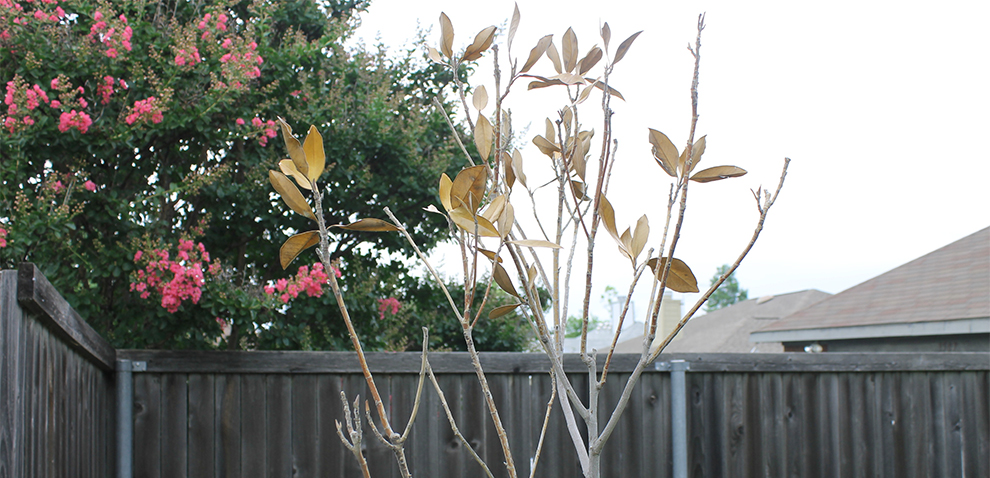
Obvious signs of a dead tree: No leaves at all, even when it should be leafing out. Or, if it does have leaves, they might be completely dried, brittle, and falling off with the slightest breeze. They might look like they’ve been forgotten in a dusty attic for a decade. If your tree is supposed to have leaves and it’s just… bare, and it’s not winter, then we might have a problem.
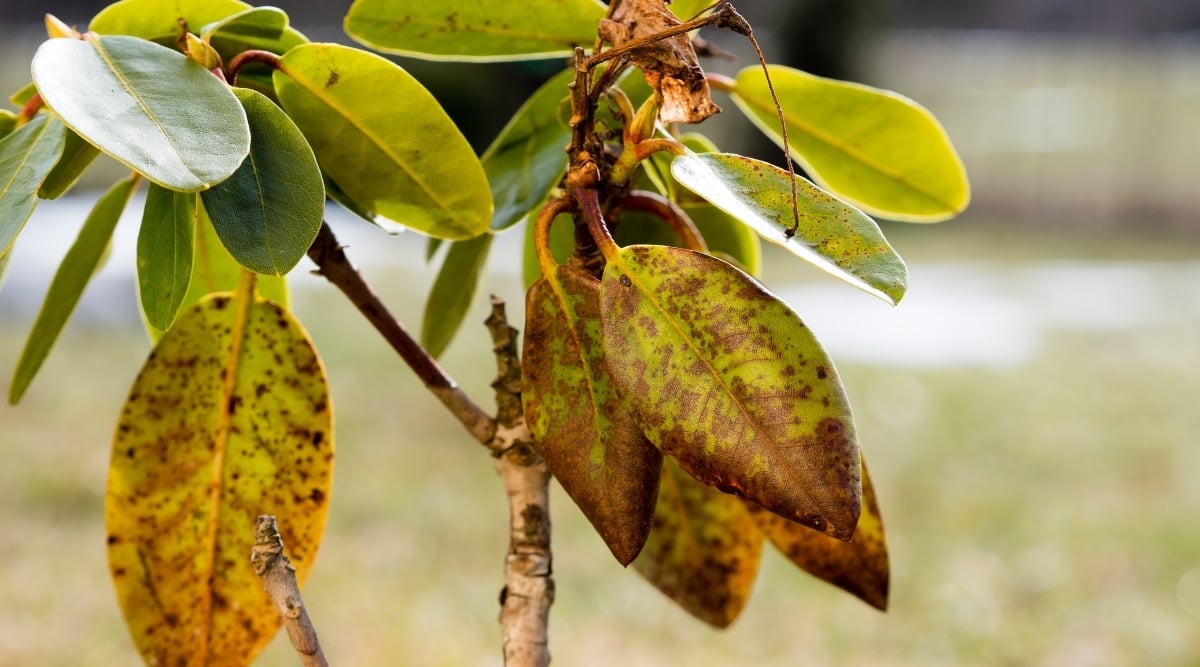
Signs of a struggling tree (but not dead!): Yellowing leaves, brown spots, wilting, or leaves that seem smaller than usual can all be signs of stress. This could be due to lack of water, too much water, pests, diseases, or even just a particularly rough season. The key here is that there are still leaves, even if they’re not looking their best. These are the trees that need your TLC, your watering can, and maybe a comforting hug (from you, not the tree… yet).
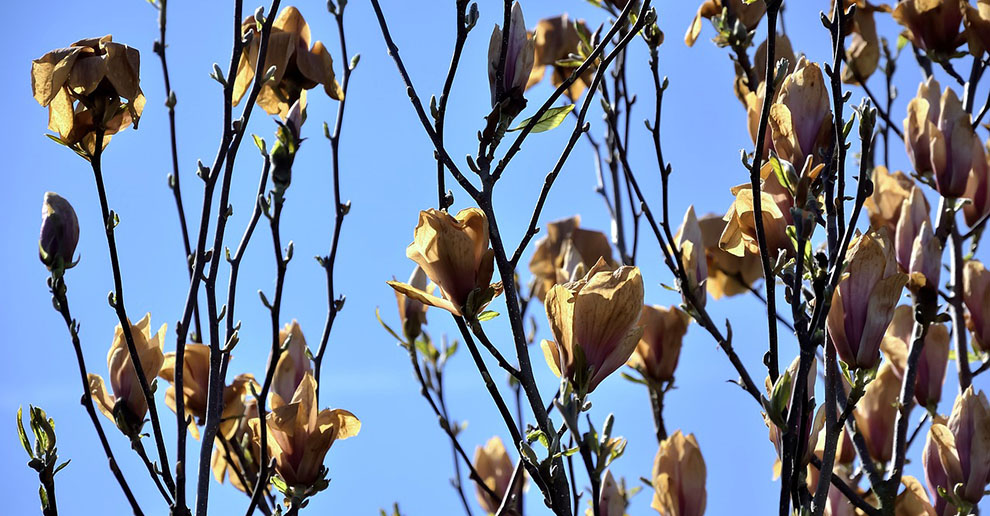
Remember, some magnolias are evergreen, meaning they keep their leaves year-round. So, if you have one of those and it suddenly drops all its foliage, that’s a definite red flag. If you have a deciduous magnolia, then bare branches in the dead of winter are perfectly normal. Don't go poking it with sticks in January!
Beyond the Obvious: Deeper Dives for the Dedicated Gardener
Sometimes, the signs aren't as glaringly obvious. You might need to do a little more snooping around.
Root of the Problem: The Underground Clues
This is the hardest one to check without getting a little messy. If you suspect your tree is truly dead, the roots might be the culprit. Healthy roots are firm and whitish or tan. Dead roots are often mushy, dark, and might even have a foul smell. If you gently dig around the base of the tree and find nothing but soggy, rotten material, that’s not a good sign for your woody friend.
However, for most of us, checking the roots is a bit… much. So, we’ll rely on the more accessible signs. Think of root issues as the "mystery illness" that’s harder to diagnose from afar.
Pest or Disease? The Uninvited Guests
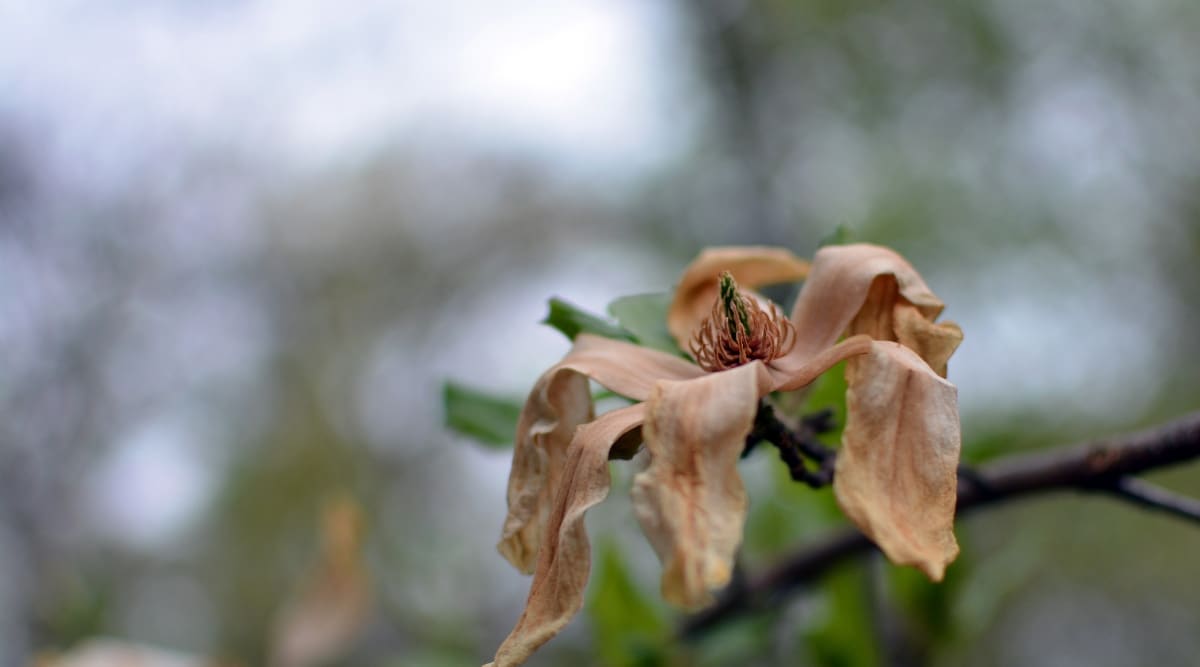
Sometimes, a tree might look dead because it's being absolutely ravaged by pests or diseases. While this isn't technically "dead" in the sense of its life force being extinguished, it can be so severely weakened that it might as well be. Look for tell-tale signs like:
- Unusual spots or lesions on the bark.
- Wilting that doesn't improve with watering.
- Insect infestations (aphids, borers, etc.).
- Fungal growth (mushrooms at the base, powdery mildew).
If you see these, it doesn't automatically mean the tree is dead, but it does mean it's in trouble. You might need to consult a local arborist or garden center for specific treatment advice. Sometimes, a little intervention can save the day!
Environmental Factors: Was it a Bad Year?
Let's be honest, nature can be a bit of a drama queen. Extreme weather can seriously stress out even the hardiest of trees. Think about:
- Drought: Was it a super dry summer? Your magnolia might be parched.
- Frost Damage: Did you have a late frost after it started budding? Ouch!
- Waterlogging: Did your yard turn into a mini-lake after a heavy downpour? Soggy roots are unhappy roots.
- Transplant Shock: Was it planted recently? New trees can take a while to settle in.
These aren't necessarily signs of death, but rather of a tree that's had a rough go. If you can identify the environmental stressor, you can take steps to mitigate it for the future.
When to Call in the Big Guns (or Just the Pruning Shears)
So, you've done your detective work. You've bent twigs, you've scraped bark, you've eyed the leaves. What’s the verdict?

If you’re seeing widespread dry, brittle branches that snap cleanly, and no green whatsoever when you scratch the bark on multiple parts of the tree, then sadly, your magnolia might have reached the end of its natural life. It happens to the best of us, and the best of trees.
However, if you’re seeing any signs of life – even just a few green buds, a bendable twig, or a bit of green under the bark on some branches – don't give up just yet! Your tree might just be dormant, stressed, or recovering. Give it time, good care, and a little bit of faith. Sometimes, a tree that looks completely dead in early spring can surprise you with a burst of life in late spring. They’re just fashionably late!
If you're really unsure, or if you suspect a serious pest or disease problem, it never hurts to consult a professional arborist. They have the expertise to give you a definitive diagnosis and offer solutions.
The Uplifting Conclusion: Every Tree's Journey is Unique
Looking at a potentially dead tree can be disheartening. It’s a loss, and it’s okay to feel a little sad about it. But remember this: every tree, like every living thing, has its season. And even when one magnificent tree’s journey ends, it often leaves behind a legacy. Perhaps it provided shade for generations, a home for birds, or simply a beautiful splash of color in your garden. That’s pretty incredible, right?
And who knows, the space left behind might be the perfect spot for a new sapling, a different kind of beauty, or even a charming little vegetable patch. The garden is always evolving, always offering new opportunities for life and joy. So, take a deep breath, be kind to yourself and your tree (whatever its state), and know that whatever happens, your gardening adventure continues. And hey, if it is time for a new tree, think of the fun you'll have picking out its replacement! More blossoms await!