
How To Tell If Metal Is Galvanized

Ever find yourself staring at a metal object, maybe a fence post, a rusty old bike frame, or even those little screws your grandpa keeps in a jar, and wonder, "Is this thing coated in something special?" Well, chances are, if it's metal and it's meant to hang out outdoors without falling apart like a sad, forgotten sandwich, it might be galvanized. And trust me, knowing a little bit about this can be surprisingly handy, and dare I say, even a tiny bit cool.
Let's break it down without any fancy lab coats or confusing jargon. Imagine you've got a brand new shiny toy. It’s all bright and looks like it’ll last forever, right? But then you leave it out in the rain. Uh oh. Most metals, especially good old steel and iron, aren't too fond of water. They get rusty. Think of rust as metal's way of saying, "This is not my happy place!" It’s like when your phone gets wet – not good, and things start to go downhill pretty fast. Rust weakens metal, makes it crumbly, and generally makes it look like it's had a very rough life.
So, what's a metal-loving person (or manufacturer!) to do? Enter the hero of our story: galvanization! It's basically giving that metal a superhero suit, a special shield, to protect it from all sorts of nasty things, especially the dreaded rust monster. Think of it like giving your favorite garden gnome a tiny, invisible raincoat.
The most common way to galvanize metal is by dipping it into a bath of molten zinc. Yep, hot, gooey zinc! It's a bit like giving your metal object a warm, comforting zinc hug. This zinc then forms a protective layer, a sort of sacrificial coating, all over the metal. Now, why "sacrificial"? That's where it gets really clever. If that protective zinc layer gets scratched or damaged, it doesn't mean the whole thing is doomed. The zinc will actually corrode (rust away) instead of the underlying metal. It's like the zinc hero bravely takes the hit for the team, allowing the metal to stay strong and intact.
Okay, so how can you, the everyday observer, tell if something has this amazing zinc shield? It's not always obvious, but there are a few tell-tale signs. Keep your eyes peeled, and you'll start spotting it everywhere!
The Visual Clues: What to Look For
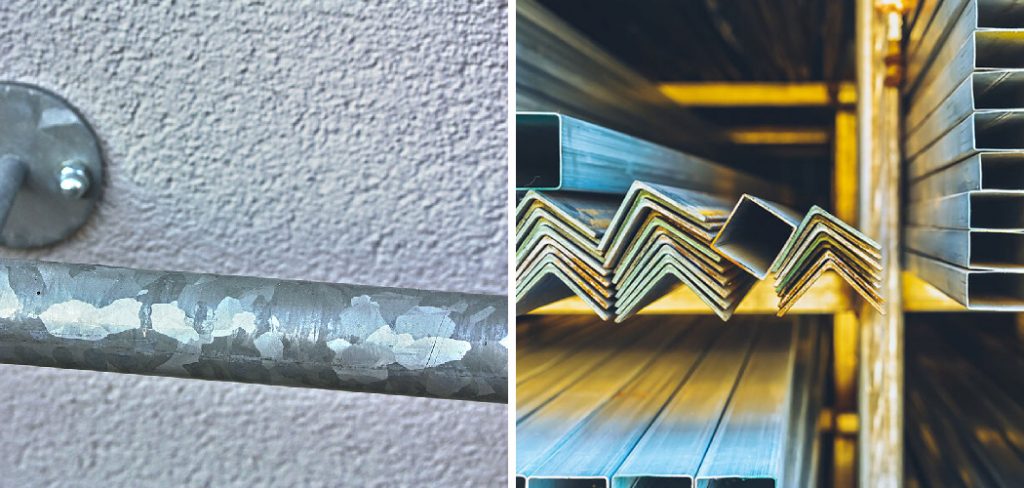
The most classic sign of galvanized metal is its appearance. Freshly galvanized steel often has a distinctive, slightly silvery-gray sheen. But here's the fun part: it's not usually a perfectly smooth, mirror-like finish. You might see a pattern, a sort of crystalline structure, that looks a bit like tiny, sparkly stars or a "spangle" effect. Think of it like frost on a windowpane, but metallic! It's pretty, and it's a dead giveaway for hot-dip galvanizing, the most common method.
Of course, not all galvanized metal looks like a disco ball. Over time, especially if it's been out in the elements, the zinc can react with the air and moisture. This can dull the shine and give it a more matte, grayish look. It might even develop a fine white powder on the surface called zinc oxide. Don't worry, that's just the zinc doing its job, forming another layer of protection. It's like the metal is putting on its winter coat!
Think about playground equipment. Ever notice how those metal swings and slides stay looking pretty good, even after years of kids climbing, sliding, and generally being their energetic selves? That's usually galvanization at work. They're built to withstand the elements and endless fun, and that zinc coating is a big part of why.
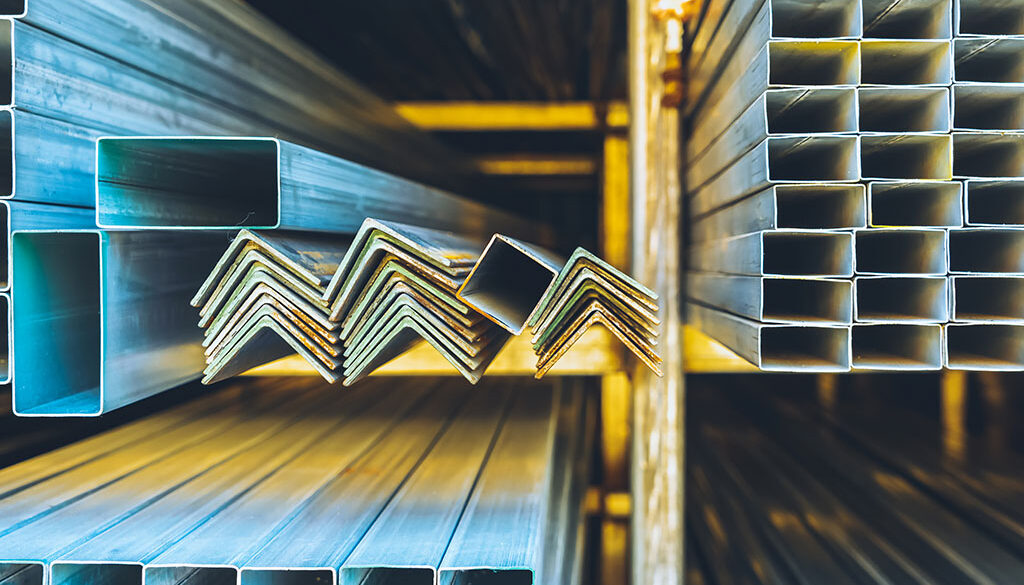
Another visual clue is the edges and corners. When metal is hot-dip galvanized, the zinc coating can sometimes be a bit thicker or have small drips at the edges. It's not usually a perfectly uniform coating like paint might be. It's a bit more rugged, a bit more "real-world."
The "Tap Test" (Sort Of!)
While you shouldn't go around tapping everything with a hammer (please!), sometimes you can get a sense of the material by its sound. Gently tap a piece of galvanized metal and compare it to a piece of ungalvanized steel of the same thickness. The galvanized piece might have a slightly different, perhaps a bit more solid or resonant, sound. This is a subtle clue, and not something to rely on solely, but it can contribute to your detective work.

The "Scratch Test" (With Caution!)
If you have an old piece of something you suspect is galvanized and you're willing to sacrifice a tiny bit (or find a spot that's already damaged), you can try a careful scratch test. Use something like a sharp key or a coin. If you can scratch off a silvery layer that reveals dark gray or black metal underneath, it's a strong indicator of galvanization. The silvery layer is the zinc, and the dark metal is the steel or iron. Be gentle, though! We’re not trying to cause a metal-spiracy here.
Why Should You Care? (Besides Being Super Smart Now!)
So, why go through all this trouble to identify galvanized metal? Well, for starters, it’s about longevity and durability. Knowing if something is galvanized can tell you a lot about its lifespan. That galvanized fence in your backyard? It’s going to stand strong for decades, resisting rust and weathering. That galvanized bucket? It’ll hold water for years without turning into a sieve.
It also tells you something about its purpose. Manufacturers choose galvanization for a reason: to protect against corrosion. So, if you see galvanized bolts, nails, or structural beams, you know they're intended for outdoor use or in environments where moisture is a concern. It’s like knowing that a raincoat is designed for rainy days – it’s functional and protective.

And let's not forget value. Galvanized items often represent a more robust investment. They'll cost a bit more upfront, perhaps, but they'll last much, much longer, saving you money and hassle in the long run. Think of it as buying quality shoes that last for years versus cheap ones that fall apart after a few months.
Plus, it's just plain interesting! The next time you're at a hardware store, a farm, or even just walking through your neighborhood, you'll start seeing galvanized metal everywhere. Those sturdy street signs? The railings on a bridge? The frame of that old tractor your neighbor is tinkering with? All likely candidates. It’s a little secret handshake you'll have with the world of metal.
So, the next time you see that silvery sheen, that crystalline sparkle, or that matte gray finish on a metal object that seems built to last, you can nod knowingly and think, "Ah, that's galvanized!" You’ll be armed with a little bit of knowledge that makes everyday objects a bit more fascinating. Happy spotting!