
How To Tell If Something Is Stainless Steel
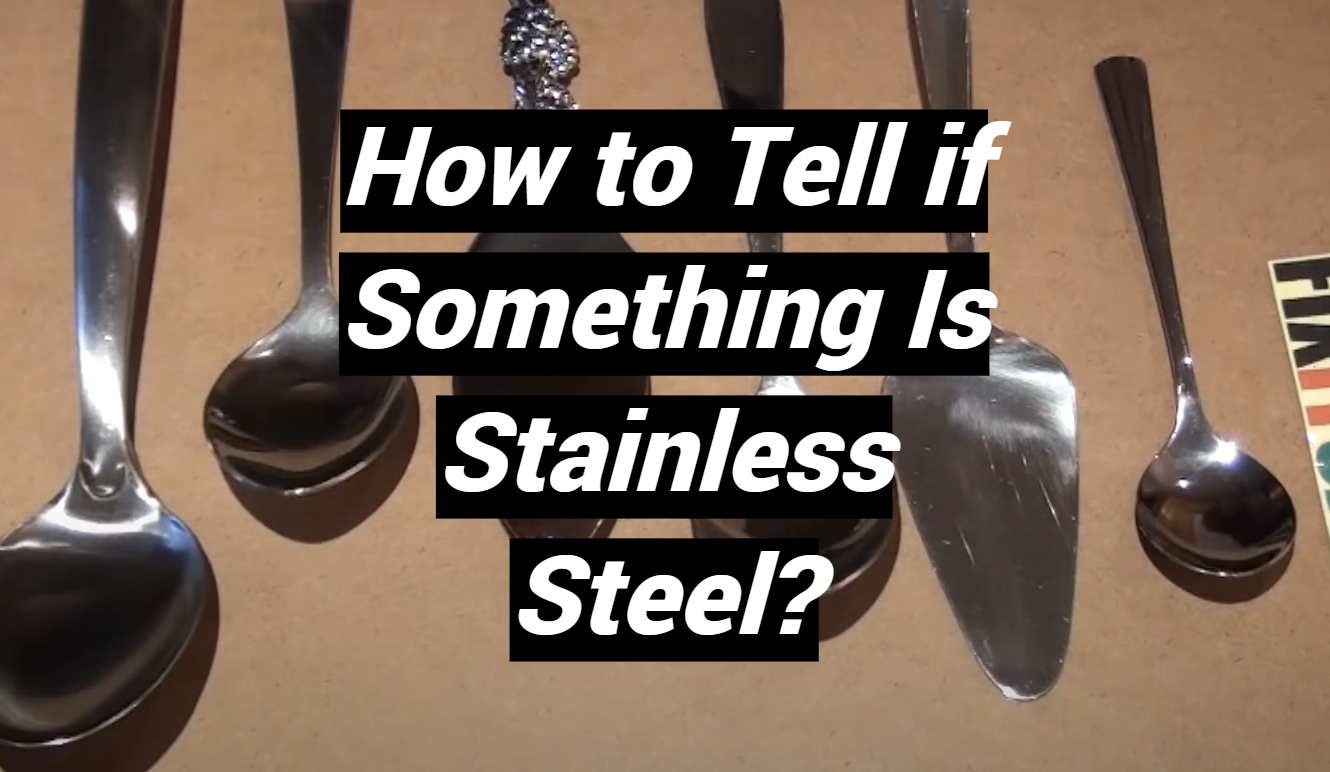
Ah, stainless steel. The unsung hero of our kitchens, the silent guardian of our bathrooms, the metallic knight in shining armor against rust and tarnish. We’ve all got it, scattered around our homes like confetti at a very practical party. From that trusty spatula that’s seen more scrambled eggs than you’ve had hot dinners, to the sleek faucet that’s weathered countless toothpaste-related battles, stainless steel is everywhere. But how do you know, really know, if that shiny thing you’re holding is the real deal, or just a pretender to the stainless steel throne? It’s a question that might have you scratching your head more often than you’d admit, especially when you’re staring at a collection of suspiciously similar-looking kitchen gadgets. You know, like that time you bought what you thought was a high-end stainless steel whisk, only for it to develop a suspicious orange blush after a week? Yeah, we’ve all been there. It’s like accidentally buying a knock-off designer handbag – it looks okay from a distance, but up close, the stitching is a bit wonky, and it just doesn’t have that certain… je ne sais quoi. Well, fear not, my fellow stainless steel sleuths! We’re about to embark on a low-stakes, highly practical investigation to uncover the secrets of this popular metal.
Let’s be honest, sometimes the lines get blurred. Is that pan truly stainless steel, or did it just have a really good polish applied at the factory? It’s a dilemma that could rival trying to decide if your cat is plotting world domination or just wants more treats. The good news is, you don't need a superhero’s x-ray vision or a chemistry degree to figure it out. We’re talking about everyday tests, things you can do with minimal fuss, perhaps even while you’re waiting for your toast to pop. Think of it as a gentle interrogation, not an intense police lineup. We’re just trying to get to the truth, one scratch-free observation at a time. Because nobody wants to discover their “stainless steel” colander has started to resemble a rusty sieve after one too many encounters with tomato sauce. That’s a culinary tragedy waiting to happen, and frankly, a bit embarrassing when guests are over.
The Magnetic Approach: A Classic for a Reason
Alright, let’s start with the most common and often the easiest trick in the book: the trusty magnet test. This is like the "who farted?" of metal identification. You grab a magnet – any reasonably strong magnet will do, like the one on your fridge that’s currently holding up a child’s drawing of a surprisingly lumpy dog – and you give the object a little nudge. Now, here's where things get a tad nuanced, so pay attention, future stainless steel whisperers. Most true stainless steels are actually not strongly magnetic. Think of them as being a bit aloof, a bit too cool for school when it comes to magnetism. They might attract a very weak magnet, or not at all. This is because the alloying elements that make stainless steel… well, stainless, can sometimes mess with its magnetic properties. It’s like adding a bit too much glitter to your slime recipe – it changes the texture!
However, and this is a big 'however', some types of stainless steel are magnetic. The most common grades used in everyday items, like your everyday cutlery or pots and pans, are often the ferromagnetic kind. So, if your teaspoon clings to the magnet like a limpet to a rock, it could still be stainless steel. Don't panic! This is where experience and a bit of common sense come in. If the magnet sticks quite strongly, especially to a brand new item that looks and feels like stainless steel, it’s a good indication you’re probably dealing with one of those magnetic varieties. It’s like recognizing a celebrity in disguise; they might have a hat and sunglasses on, but there’s still something familiar about them. You're looking for a definite pull, not a shy little nudge.
The key here is the strength of the magnetic attraction. If it’s a weak, hesitant pull, it’s less likely to be a pure, high-grade stainless steel. If it’s a strong, enthusiastic yank, it’s probably a magnetic type of stainless steel. Think of it as a first date. A shy hello is one thing, a full-on hug is another. If your magnet gets a full-on hug from the object, it’s very likely a magnetic stainless steel. If it just gets a polite nod, then it might be a non-magnetic variety, or it might be something else entirely trying to pull a fast one. This is also a good way to distinguish it from plain old steel, which is usually very magnetic. So, if your mystery metal is giving your magnet the cold shoulder, it’s probably not stainless steel. If it’s giving it a warm handshake, it could be. It's a bit like a detective assessing a suspect's alibi – you're looking for inconsistencies.
The most common types of stainless steel used in cookware and cutlery are Austenitic stainless steels (like 18/8 or 304, which you'll often see on packaging), and these are typically non-magnetic. Then you have Ferritic and Martensitic stainless steels, which are magnetic. So, the magnet test isn't a foolproof "yes" or "no," but it's a fantastic starting point, a solid clue in our investigation. It helps you weed out the obvious non-starters. Imagine you’re trying to find your keys in a cluttered room. You don't look under the sofa first, right? You check the obvious places. The magnet test is checking the obvious place for magnetic behavior.
The Visual Clues: A Shiny Subject
Let’s move on to what your eyes can tell you. Stainless steel, by its very nature, tends to have a distinctively bright, lustrous finish. It gleams. It reflects. It’s the kind of shine that makes you feel like your kitchen is ready for a magazine spread, even if it’s just your trusty frying pan. It’s not usually a mirror-like shine on every surface (unless it's been polished to perfection, which is a whole other level), but it’s a clean, consistent metallic sheen. Think of it as the difference between a polished apple and a dusty potato. Both are round-ish, but one just looks a lot more appealing and… well, finished.
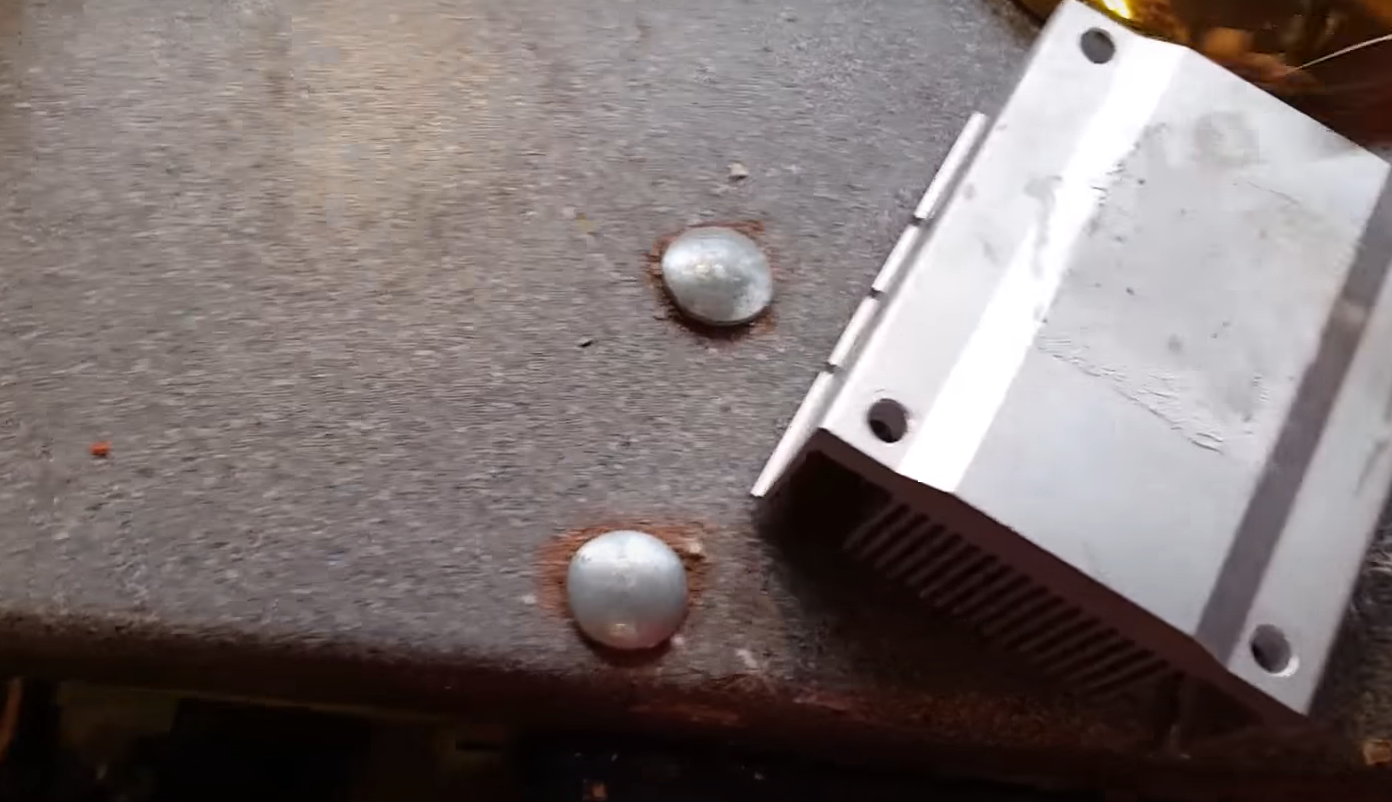
Now, compare this to something like chrome-plated steel. Chrome plating can look incredibly shiny, almost blindingly so. But sometimes, it can look a little too perfect, a little plasticky. And the key difference? Chrome plating is a coating. Over time, if it gets scratched or damaged, you might start to see rust or corrosion peeking through underneath, like a bad secret being revealed. Stainless steel, on the other hand, is the alloy all the way through. It’s like the difference between a painted wooden chair and a chair made entirely of solid, beautiful oak. One has a surface layer that can chip, the other is consistent all the way through.
Another visual cue to look out for is the color. Stainless steel generally has a cool, silvery-gray tone. It doesn’t typically have a yellowish or brassy hue, unless it’s an alloy specifically designed for that (which is less common for everyday items). If something looks almost golden or has a distinctly warm metallic tint, it’s probably not your standard stainless steel. It might be brass, or a coated metal. It’s like trying to match colors for a painting; you know when something’s just not quite the right shade. You’re looking for that clean, neutral metallic vibe.
Also, pay attention to the consistency of the finish. Is it the same shade of silver all over? Or are there patches that look duller or darker, especially in areas that get a lot of wear and tear? Stainless steel is designed to resist corrosion and staining, so a truly stainless item should maintain a relatively uniform appearance. If you see inconsistent coloration or dull spots that look suspiciously like the beginning of rust, it’s a red flag. It’s like noticing a stain on a white shirt that just won't come out – you know something’s not quite right with the fabric.
The Sound Test: A Subtle Symphony
This one is a bit more subtle, and might even seem a little… well, silly. But bear with me! Sometimes, the sound an object makes can give you a clue. Gently tap the item with your fingernail or a light, non-scratching object (like the eraser end of a pencil). Listen to the resonance. High-quality stainless steel often produces a clear, ringing sound. It's a sort of bright, almost musical tone. Think of tapping a fine wine glass versus tapping a thick, cheap mug. The wine glass gives you that beautiful, sustained note, right?
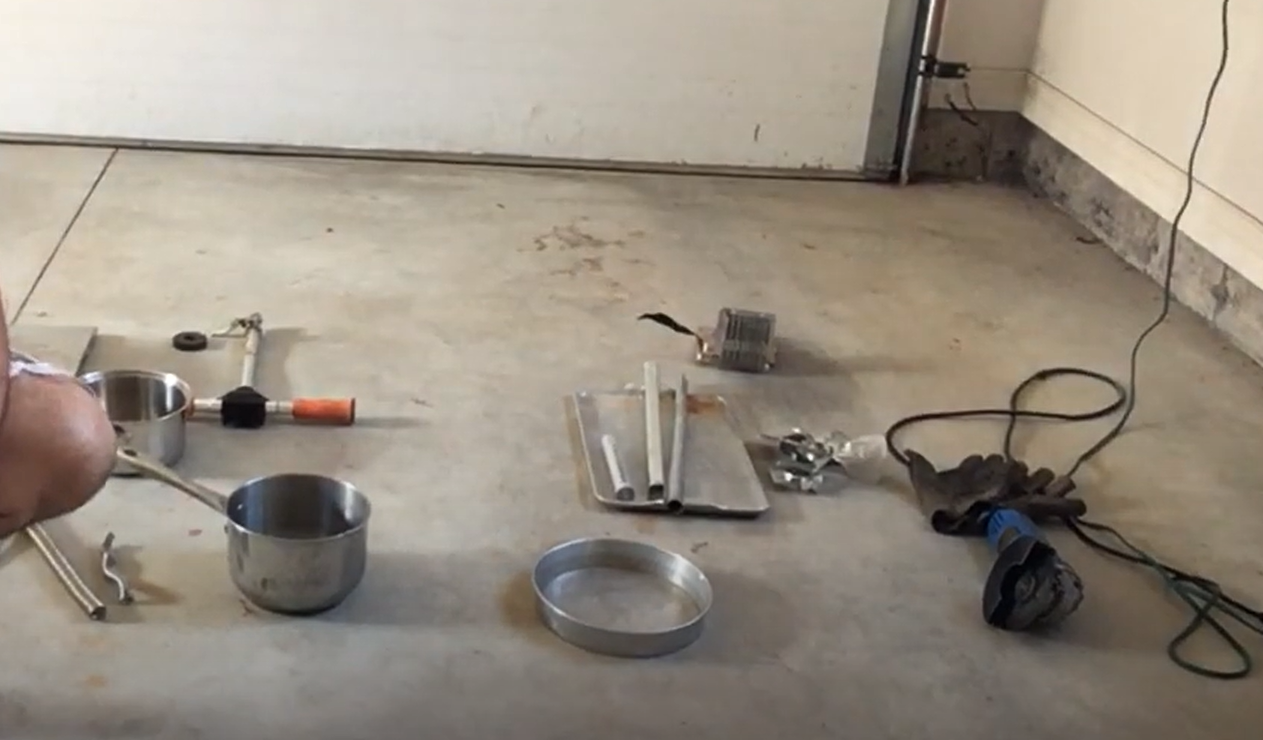
Now, compare that to something made of plain steel or a cheaper metal alloy. They might produce a duller, thuddier sound. It's like the difference between a perfectly struck chime and a dull clang. This isn't a definitive test by any means, but it's another piece of the puzzle. If you have two similar items, one you know is stainless steel and one you're unsure about, tap them side-by-side. Can you hear a difference? It’s like listening to two singers hit the same note; one might have a clearer, purer tone than the other. It’s a bit like identifying a fake diamond by its sparkle; you can sometimes hear the difference in quality.
This test is particularly useful when you're looking at cutlery or cookware. A good quality stainless steel pot might have a satisfying, almost resonant “ding” when tapped, while a cheaper, coated pan might sound more muted. It’s the subtle nuances that tell the story. Don’t expect a full symphony, but a slight difference in tone can be a helpful indicator, especially when combined with other tests. It’s like noticing a subtle tremor in someone’s voice when they’re being evasive; it’s not proof, but it’s a hint.
The Feel and Weight: A Substantial Proposition
Sometimes, you can just feel the difference. Stainless steel, especially higher-quality grades, often feels solid and substantial. It has a good weight to it. Think of a really well-made stainless steel utensil versus a flimsy, lightweight plastic one that feels like it might snap if you look at it too hard. That heft is often a sign of good quality material.
If an item feels surprisingly light for its size, especially if it’s supposed to be a solid metal piece, it might be made of a thinner gauge metal, or it could be a different, less dense alloy. Or, it might be coated steel, where the base metal is lighter. Imagine picking up a beautifully crafted sculpture versus a hollow plastic replica. The weight difference is often a dead giveaway. Stainless steel is dense, and that density contributes to its durability and its satisfying feel in your hand.
When you’re holding something that feels like it could withstand a minor earthquake (or at least a vigorous dishwashing), it’s a good sign. If it feels a bit… flimsy, a bit too easy to bend, it might not be the robust stainless steel you were hoping for. It's like the difference between a sturdy leather wallet and a cheap vinyl one; you can feel the quality difference in your hand. This tactile experience is often overlooked, but it can be a surprisingly strong indicator of quality.

The Scratch Test (Use with Caution!): A Last Resort
Okay, now we’re getting a bit more adventurous, and this is where you need to exercise extreme caution. The scratch test. This is like using a secret code word; you only use it when you’re absolutely sure no one else will hear it, and you’re willing to accept the consequences. The idea is that true stainless steel is quite resistant to scratching. So, if you were to try and scratch a small, inconspicuous area with something harder than stainless steel (like a file or a very hard carbide tool – not your fingernail, that won’t tell you anything), you’d expect very little damage, or perhaps just a slight mark that blends in with the overall finish.
If, however, you scrape it and it easily gouges or reveals a different colored metal underneath, then it’s probably not solid stainless steel. It could be plated steel, where the plating is thin and easily scratched off, revealing the base metal. This is the equivalent of finding out your "diamond" ring is actually just glass. Ouch. So, if you’re going to attempt this, pick a spot that’s hidden, like the underside of a handle or the very bottom of a pan. And for the love of all that is shiny and rust-free, use something mild. A good quality steel wool might leave a mark on some stainless steel, but it shouldn't be a deep gouge. If a regular steel object easily scratches it, that's a sign it's probably not the real deal.
Honestly, unless you’re really in doubt and have tried all the other methods, I’d skip this one. There are better ways to identify stainless steel that don’t involve potentially damaging the item you’re trying to assess. It’s like trying to solve a mystery by setting off a smoke bomb; it might reveal things, but it’s a bit dramatic and can cause more problems than it solves. Stick to the magnet, the visual, the sound, and the feel. They’re your reliable informants.
The Water Test: Rust Never Sleeps (But Stainless Steel Should Resist It)
This is a long-term test, more of an observation over time, but it's a crucial one. Stainless steel, as its name suggests, is stainless. It’s resistant to rust and corrosion. So, if you have an item that you suspect might not be stainless steel, but it’s being advertised as such, pay attention to how it holds up over time, especially in damp environments or after exposure to corrosive substances like salt or acidic foods.

Does your "stainless steel" cutting board develop little orange spots after being left out to dry? Does your utensil holder suddenly show signs of pitting or discoloration? That’s a pretty clear indicator that it’s not the high-quality stainless steel you’d expect. It’s like watching a superhero’s cape start to fray; you know they’re not quite as invincible as they seemed. True stainless steel, even the more budget-friendly grades, should resist rust for a very, very long time. If you see rust, it’s usually a sign that either it's not stainless steel, or it's a very low-grade stainless steel that's been compromised.
Think about your old, trusted stainless steel sink. It’s seen countless dishes, probably a few dropped pots, and a whole lot of water. Yet, it still gleams, right? That’s the magic of stainless steel. If the item in question starts to look like a forgotten relic from a shipwreck, it’s probably not stainless steel. This is a test of patience, but it's a very telling one. It's like judging a marathon runner by their ability to finish the race, not just their sprint at the start.
The Bottom Line: When in Doubt, Check the Label (or the Magnet!)
Ultimately, the easiest way to know for sure is to check the packaging or any labels on the item. Reputable manufacturers will often specify the grade of stainless steel used. You’ll see terms like “18/8 stainless steel,” “18/10 stainless steel,” or specific grades like “304 stainless steel.” This is like a birth certificate for your metal object; it tells you its origins and its composition. These numbers refer to the percentage of chromium and nickel in the alloy, which are key ingredients for stainless steel’s corrosion resistance.
If there are no labels, or you’re looking at a used item, then our investigative techniques come into play. The magnet test is usually your first and best bet. If it’s not magnetic (or only weakly so), it’s likely a good quality Austenitic stainless steel, the kind you see in most high-end cookware and cutlery. If it is strongly magnetic, it could be a Ferritic or Martensitic stainless steel, which are also perfectly acceptable for many applications. The real giveaway for not being stainless steel is if it’s very strongly magnetic and also starts to show signs of rust or discoloration easily.
So there you have it! A few simple, everyday ways to feel more confident about the stainless steel in your life. No fancy gadgets required, just a bit of observation and maybe a fridge magnet. Next time you’re at the store, or rummaging through your kitchen drawers, you can approach your metal objects with a newfound sense of detective prowess. You’re not just a consumer; you’re a stainless steel connoisseur, a rust-resisting rookie, a gleam-guarding guru. And that, my friends, is something to smile about.