
How To Tell If Stray Cat Is Pregnant

The other day, I was out watering my sad little herb garden (seriously, is it just me, or do basil plants have a death wish?) when I saw her. A sleek, calico cat, the kind that looks like she’s judging your life choices even when she’s just napping. She’d been hanging around the neighborhood for a few weeks, a phantom of purrs and fleeting glimpses. But this time, something was different. Her belly… it was definitely rounder. And not just “ate too much kibble” rounder, but “might be a furry, four-legged hot air balloon” rounder. My first thought, naturally, was: Oh no, is she going to have kittens?
It’s a question that probably crosses a lot of our minds when we spot a lone feline friend looking a little… fuller than usual. We want to help, right? But how do you even know if a stray cat is expecting? It’s not like they’re going to hand you an ultrasound report. So, fellow animal lovers and occasional cat-watchers, let’s dive into the subtle (and sometimes not-so-subtle) signs that might mean a litter of tiny paws is on the way.
The Belly Bump: More Than Just a Full Stomach
Okay, this is the obvious one, isn’t it? The most tell-tale sign is a noticeably enlarged abdomen. But here’s where it gets a little tricky. A cat can have a distended belly for all sorts of reasons. Maybe she’s dealing with a particularly nasty case of worms (yep, gross, I know, but a reality for strays). Or perhaps she’s got some internal swelling or fluid buildup. So, while a bigger belly is your first clue, it’s not the only one.
When you’re looking for pregnancy, you want to see a belly that’s uniformly rounded, especially towards the back half of her body. It should look like she’s got a little watermelon tucked under there. If it’s just her stomach area that’s bloated, or if the swelling is uneven, it might be something else. And trust me, as someone who’s been tempted to scoop up every slightly round kitty I see, it’s important to differentiate.
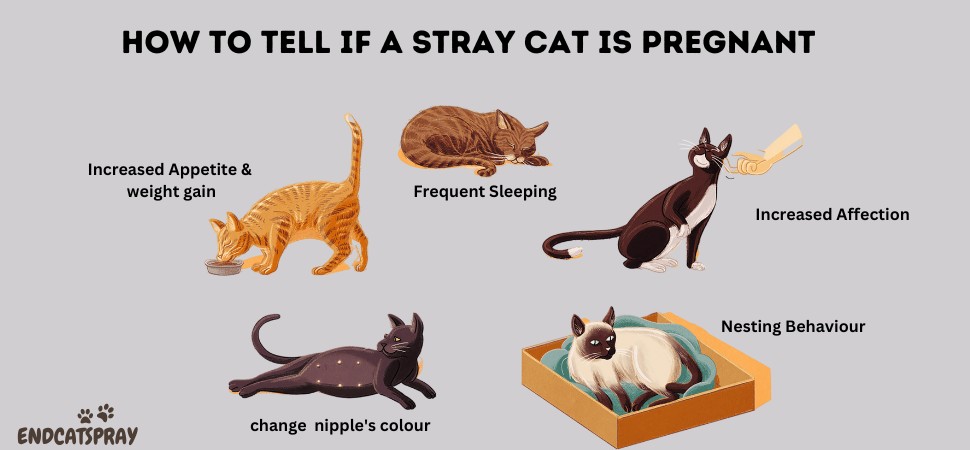
You might also notice that her nipples start to become more prominent. They can darken in color and swell slightly. This is called “pinking up,” and it’s a pretty good indicator that her body is preparing for a litter. Think of it as a gentle heads-up from Mother Nature.
Behavioral Changes: The Nesting Instinct Kicks In
Cats are pretty independent creatures, right? They march to the beat of their own drum, and sometimes that drum is just a quiet, judgmental thump. But when a cat is pregnant, her priorities shift. She might start exhibiting some significant behavioral changes. These are often driven by her primal need to find a safe, secluded place to give birth and raise her kittens.
One of the most common signs is that she’ll become more reclusive. The social butterfly might suddenly decide that human interaction is so last week. She’ll start seeking out quiet, dark, and protected spots. This could be under bushes, in sheds, garages, abandoned buildings, or even a cozy nook in someone’s backyard if she feels safe enough. You might notice her disappearing for longer periods, or becoming skittish when approached.

On the flip side, some pregnant cats can actually become more affectionate. It's like they're seeking comfort or a bit of extra security before the big event. They might start rubbing against your legs more, purring loudly, or even trying to follow you home. This can be a really confusing one, I know! It's like, "Are you pregnant, or just really appreciative of that bit of tuna I left out?" The key here is to look for other signs in conjunction with this increased affection.
Another biggie? Nesting behavior. This is when she starts gathering soft materials – leaves, grass, old rags, bits of insulation – to create a comfortable nest. If you see a stray cat diligently dragging bits of fluff into a hidden spot, that’s a strong hint she’s preparing for motherhood. She’s basically creating a five-star maternity suite, and you’re lucky if you get a peek!
Physical Changes: Beyond the Bump
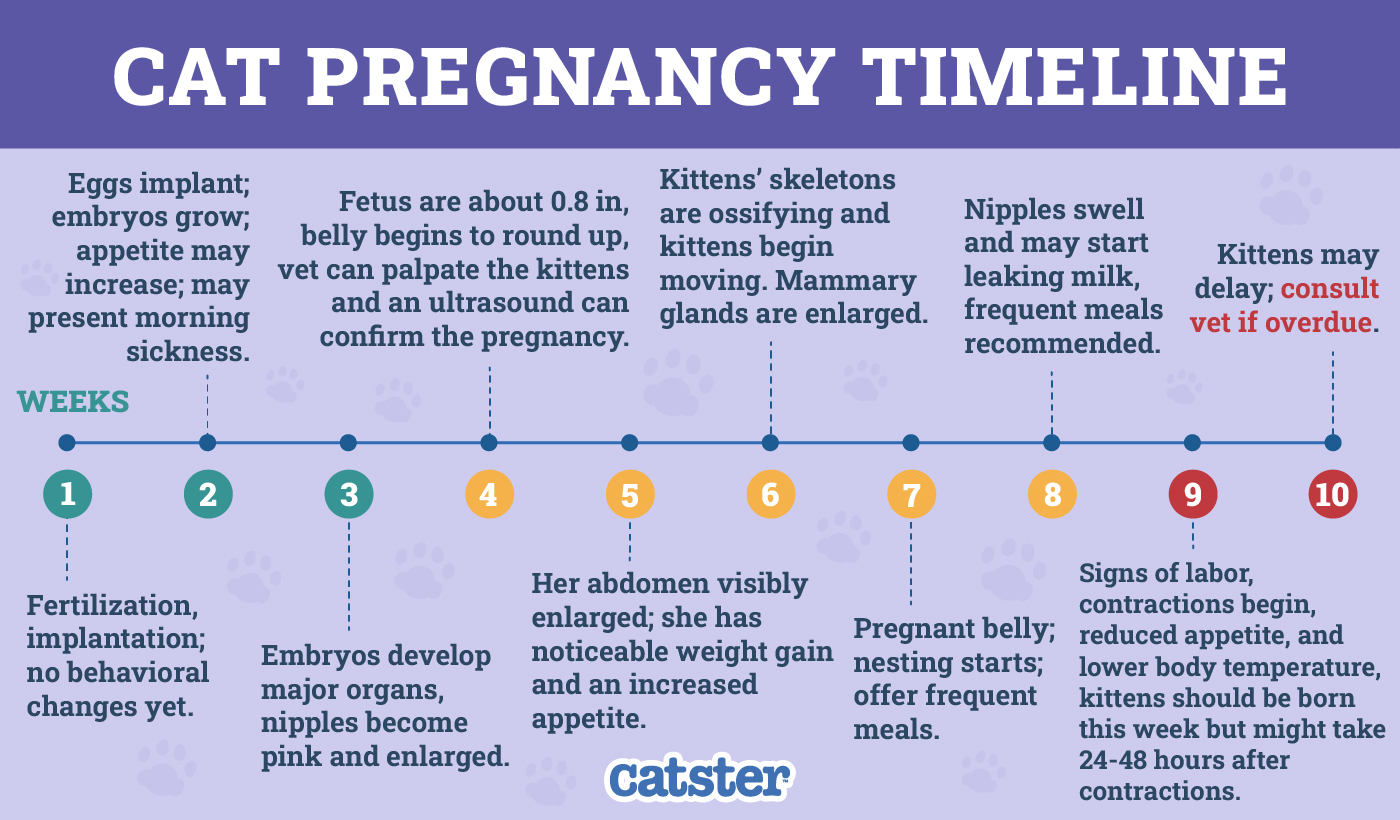
The belly is a big one, but there are other physical cues that can point to a pregnant kitty. As mentioned, the nipples will pink up. This usually happens around the third week of gestation. So, if you’re spotting a round belly and then notice those little pink dots, you’re probably on the right track.
Her appetite might change too. Many pregnant cats will experience an increase in hunger as their caloric needs grow. They’ll be eating more, and you might notice them actively seeking out food sources. Conversely, some might have a decreased appetite in the early stages, or even experience some morning sickness (yes, cats can get that too, poor things!). It’s a mixed bag, so don’t rule out pregnancy just because she’s not devouring everything in sight.
You might also observe a change in her gait. As her belly gets heavier, she might walk a little differently. She could be more wobbly, or seem to hold her hindquarters higher to compensate for the extra weight. It’s subtle, but if you’re observing her regularly, you might pick up on it.
The Waning Weeks: Signs of Imminent Birth
If you suspect a cat is pregnant, there are also signs that birth is getting close. These usually appear in the last week or two of her pregnancy. The most significant is restlessness and anxiety. She’ll be pacing, panting (sometimes, not always), and generally seem uncomfortable.
She’ll also likely be searching intensely for a nesting spot. This is her going into overdrive to find that perfect, safe place. She might try to get into places she normally wouldn’t, or be very vocal about her distress.
Another common sign is a decrease in appetite. In the 24-48 hours before labor, many cats will stop eating altogether. This is a clear indicator that her body is focused on delivering her kittens.
You might also notice her grooming herself excessively, particularly around her hindquarters and nipples. This is her getting ready for the arrival and cleaning herself up. And, if you’re incredibly lucky (or perhaps unlucky, depending on your perspective), you might even see some vaginal discharge.
What to Do If You Suspect Pregnancy
So, you’ve observed a round belly, a change in demeanor, and maybe even some nesting activity. You’re pretty sure the neighborhood stray is expecting. Now what? This is where the real work begins, and it’s important to approach it with a plan.
First, and most importantly, don’t try to catch a potentially pregnant or nesting cat by force. This can cause her immense stress, which is terrible for her and the unborn kittens. If she’s already wary of humans, trying to grab her will likely just scare her off, making her harder to help later.
Instead, focus on building trust. Leave out food and fresh water regularly. Make sure the food is high quality if possible – pregnant cats need extra nutrition. You can try leaving the food closer to your home over time, to gently encourage her to come around.
If you can gain her trust enough to approach her, a vet visit is crucial. A veterinarian can confirm the pregnancy, estimate how many kittens there might be, and check the mother’s overall health. They can also advise on prenatal care and discuss options for spaying after the kittens are weaned.
However, if the cat is truly feral and not allowing any human contact, or if you live in an area where you can’t easily access veterinary care for strays, your next best bet is to contact a local animal rescue organization or TNR (Trap-Neuter-Return) group. They have experience with feral and stray cats and can often provide resources, traps, or assistance in getting the mother and her kittens to safety.

Remember, the goal is to help. These little furballs didn’t ask to be in this situation, and a little kindness and a lot of informed action can make a huge difference. It’s a commitment, for sure, but seeing those tiny, wobbly kittens take their first steps makes it all worthwhile.
The Ethical Considerations: Spaying is Key
It’s easy to get caught up in the cuteness of tiny kittens, but it’s vital to think about the bigger picture. Every unspayed female cat can contribute to the overwhelming population of homeless animals. If you’ve helped a stray cat through her pregnancy and her kittens are old enough to be weaned (usually around 8 weeks), the absolute best thing you can do is ensure the mother cat is spayed.
Spaying prevents future unwanted pregnancies, significantly reduces the risk of certain cancers, and helps cats live longer, healthier lives. It’s a responsible step that benefits not just the individual cat, but the entire animal community. Many TNR programs and shelters offer low-cost or free spay/neuter services, so it’s worth looking into those options.
And for those adorable little kittens? They need to be socialized and found loving, permanent homes. Again, rescue organizations are invaluable here. They can help with assessment, socialization, and finding suitable adopters. It’s a whole process, but it’s a process that saves lives.
So, the next time you see a stray cat with a bit of a tummy, take a moment. Observe. Try to discern the signs. Your observation could be the first step in helping a mother cat and her future litter get the care and safety they deserve. It’s a small act of compassion that can have a ripple effect, and in the world of stray animals, every ripple counts.