
How To Tell The Difference Between Jade And Green Aventurine
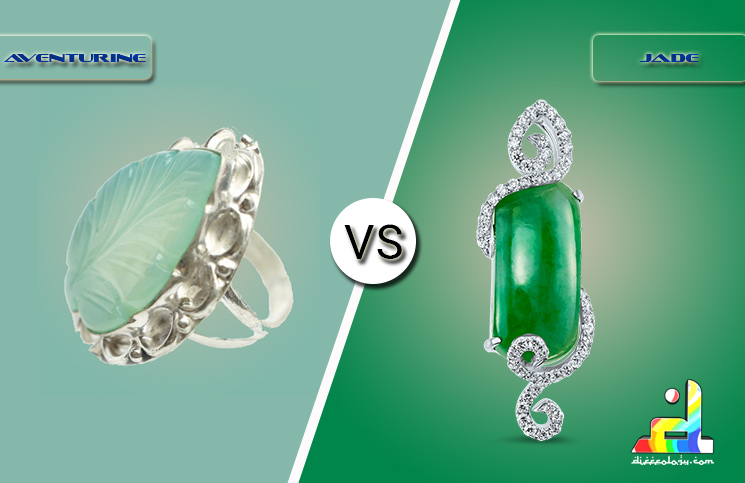
Ah, the allure of green stones! There's something incredibly grounding and uplifting about holding a beautiful piece of green gemstone, isn't there? Whether you're a seasoned collector, a spiritual seeker, or just someone who appreciates a touch of natural beauty, exploring the world of green minerals can be a deeply satisfying journey. And when it comes to those lovely verdant hues, two popular contenders often pop up: Jade and Green Aventurine. But how do you tell them apart? Fear not, fellow gem enthusiasts, for we’re about to embark on a little adventure of discovery that will have you spotting the difference like a seasoned pro!
Why bother distinguishing between these two? Well, beyond the pure joy of aesthetic appreciation, understanding the nuances of these stones can enrich your life in surprising ways. For many, the purpose of these stones is tied to their believed energetic properties. Jade is often associated with harmony, prosperity, and protection, making it a cherished stone for jewelry and talismans. It's thought to bring good luck and promote emotional balance. On the other hand, Green Aventurine is widely recognized as the "stone of opportunity," believed to boost optimism, confidence, and resilience. It's a fantastic stone for anyone looking to break free from old patterns and embrace new beginnings.
We see these beauties everywhere! Jade, especially its most prized form, nephrite and jadeite, is a staple in traditional Chinese art, sculptures, and intricate carvings that have been passed down for centuries. It’s also incredibly popular in modern jewelry, from delicate earrings to chunky bracelets, and is often found in worry stones and decorative items. Green Aventurine, with its often more vibrant and shimmering appearance due to mica inclusions, is frequently used in tumbled stones, pendants, bracelets, and even larger decorative pieces like spheres and obelisks. It’s a fantastic choice for adding a splash of color and positive energy to your living or working space.
So, how do we become green stone sleuths? The most straightforward way is by observing their texture and translucency. Jade, particularly jadeite, tends to have a fine, granular structure that feels incredibly smooth and almost waxy to the touch. It can range from opaque to semi-translucent, and when held up to light, you might see a subtle, fibrous or crystalline pattern. Green Aventurine, however, is typically more translucent and has a glassy luster. Its characteristic sparkle comes from tiny, shimmering inclusions, often mica, which give it a slightly "sugary" or "flaky" appearance under closer inspection. This sparkle is a dead giveaway for Aventurine!
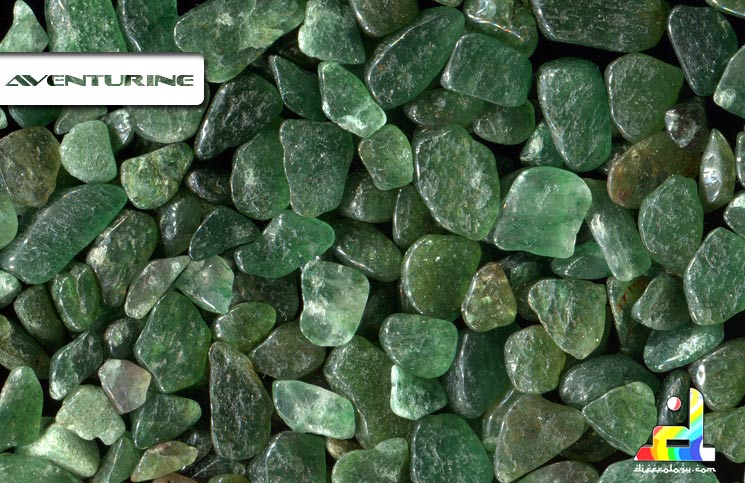
Another key difference lies in their hardness and density. Jade is a very hard stone, ranking between 6.5 and 7 on the Mohs scale. This means it’s quite durable and resistant to scratching. Green Aventurine is a bit softer, typically scoring around 6.5 on the Mohs scale, but its most significant difference is its weight or specific gravity. Jade feels noticeably heavier and denser in your hand compared to a piece of Green Aventurine of the same size. Think of it this way: a piece of jade feels more substantial, more "solid," while Aventurine might feel a tad lighter.
To enjoy these stones more effectively, consider their intended use. If you’re drawn to enduring strength and ancient wisdom, jade might be your calling. Wear it as a protective amulet or keep it in your home for good fortune. If you're seeking a boost of optimism and the courage to chase your dreams, embrace the uplifting energy of Green Aventurine. Keep a tumbled stone in your pocket for a daily dose of confidence or place it on your desk to inspire creativity. Ultimately, the best way to enjoy these gifts from the earth is to trust your intuition. Which green stone calls to you? That’s often the most important clue of all!