
How To Tell What Type Of Metal Something Is
Ever stared at a shiny object, a trusty old tool, or maybe even that weird piece of jewelry Aunt Mildred gifted you, and thought, "What is this stuff?" It’s like trying to figure out if your cat is plotting world domination or just really wants tuna – a mystery that can plague the best of us. But fear not, fellow curious cats! We’re about to dive into the wonderfully, sometimes hilariously, simple world of identifying metals, without needing a PhD in metallurgy or a secret handshake with a blacksmith. Think of this as your friendly neighborhood guide, the one that doesn't judge if you initially thought that silver-looking bracelet was actually polished tin foil.
Let’s be honest, the world is brimming with metal. From the keys in your pocket to the toaster that bravely faces your breakfast every morning, metal is our unsung hero. But not all heroes wear capes, and certainly, not all metals are created equal. Some are tough as nails, others are as soft as a whisper, and some… well, some might just make you sneeze if you’re particularly sensitive. So, buckle up, grab your metaphorical magnifying glass, and let’s get our hands a little dirty – metaphorically, of course. We’re not going full Indiana Jones here; no booby traps involved, just good old-fashioned observation and a touch of common sense.
The Obvious Stuff: What Does It Look Like?
Alright, let's start with the most basic of senses: sight. It’s like when you’re trying to pick out your own socks from the laundry basket – sometimes, the color is a dead giveaway. Is it a bright, buttery yellow? Chances are, you’re looking at something with a good dose of gold. Now, pure gold is really soft, which is why your grandma’s wedding ring isn’t made of solid, unadulterated sunshine. It’s usually mixed with other metals to make it more durable, like a superhero teaming up with a sensible accountant. So, if it’s yellow but seems a bit too tough for pure gold, it might be 14K or 18K gold, depending on how many other metals decided to crash the party.
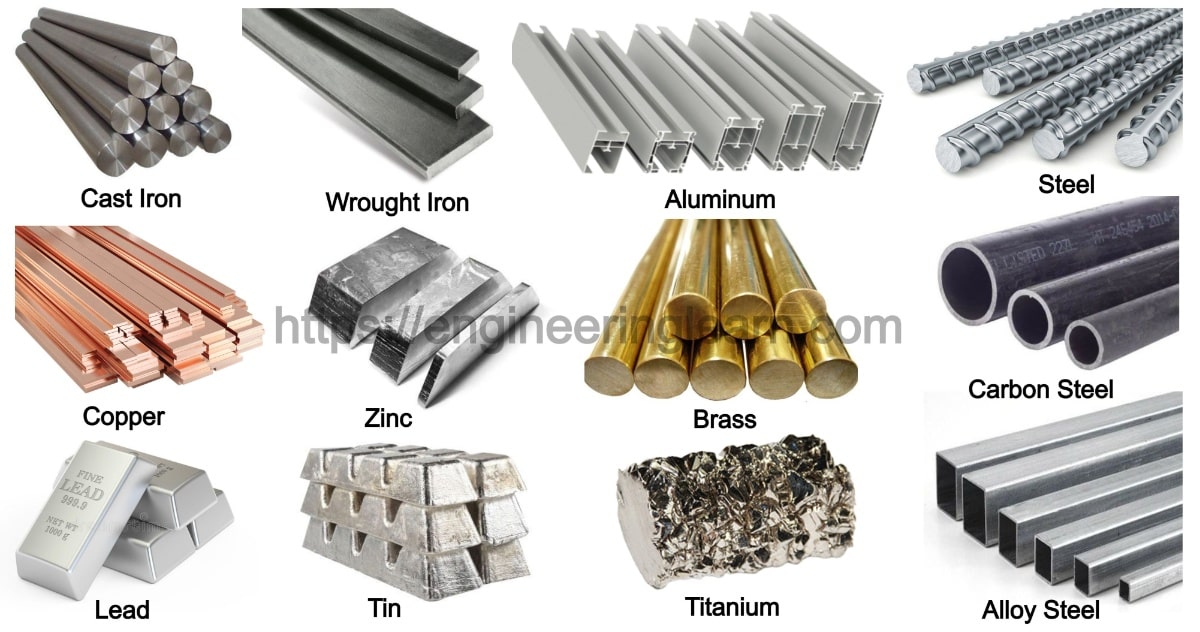
Then there’s that cool, silvery-white shine. This is where things get a little more exciting, and potentially more confusing. You could be looking at silver, which is lovely and all, but can tarnish faster than a teenager’s mood. Or, you could be staring at aluminum, that lightweight champion that makes up your soda cans and airplane wings. Aluminum is super light, so if you pick it up and it feels like a feather, you’re probably in aluminum land. Silver, on the other hand, has a bit more heft to it. Think of it like this: aluminum is the energetic puppy, always bouncing around, while silver is the slightly more dignified, but still charming, golden retriever.
And what about that grayish, sometimes dull, sometimes shiny color? That could be a whole host of things. It might be steel, which is basically iron with a bit of carbon thrown in to make it stronger. Think of your trusty screwdriver or that sturdy bike frame. Or, it could be iron itself, which, while strong, can also be a bit of a drama queen and love to rust if left out in the rain too long. Then there’s stainless steel, which is like regular steel but with a whole bunch of other stuff added – chromium, usually – to make it resist rust. It’s the superhero of kitchen utensils, basically.
Don’t forget about copper! That lovely reddish-brown color is pretty distinctive. You’ll find it in old pennies (the really old ones, mind you, before they became all coppery-bronze), electrical wires, and sometimes on decorative items. It’s got a warm glow that’s hard to miss. And then there’s brass, which is a mix of copper and zinc. It’s got a more golden-yellow hue than copper, and you often see it in decorative hardware, musical instruments, and antique fixtures. It’s like copper’s slightly more sophisticated cousin who always wears a nice scarf.
The Weighty Matter: How Heavy Does It Feel?
Now, let’s talk about heft. This is where your sense of touch comes in, and it’s a surprisingly good detective. Imagine holding a brick versus holding a balloon. Big difference, right? Metals have their own weight classes, and this can be a huge clue.
Lead, for example, is a surprisingly heavy metal for its size. If you pick up a piece of something and it feels unusually dense, like it’s full of tiny, invisible bowling balls, it might be lead. It’s soft, though, so you can usually scratch it pretty easily. Just, you know, try not to lick it or anything weird. We’re going for identification, not a science experiment gone wrong.
Gold, as mentioned, is pretty dense. So is platinum, another precious metal that’s even denser and heavier than gold. If you have something that looks silvery-white but feels like it’s made of pure gravitas, platinum is a strong contender. It’s the metal equivalent of a perfectly tailored suit – it just feels substantial.
Aluminum, remember our energetic puppy? It’s famously lightweight. So, if you’re comparing two objects of roughly the same size, and one feels significantly lighter than the other, the lighter one is a good candidate for being aluminum. It’s the metal that makes you do a double-take and say, "Are you sure this is metal?"
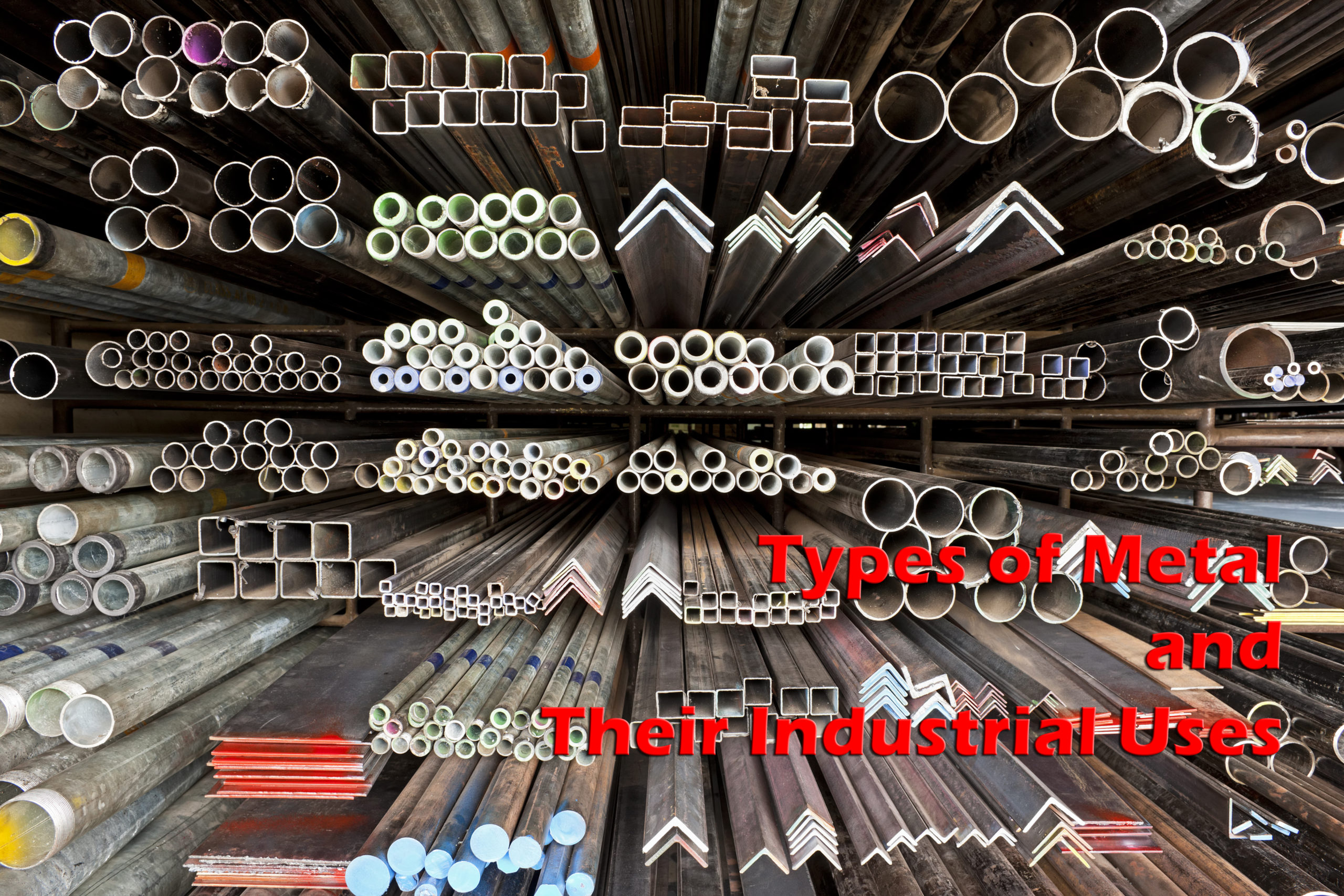
Steel and iron fall somewhere in the middle. They feel substantial, but not overwhelmingly heavy like lead or platinum. Think of a decent-sized hammer – that’s a good steel weight. Copper and brass are also in this general ballpark of heft. It’s all about that relative feeling. It’s like trying to guess the weight of a bag of groceries before you lift it – you get a general idea, and then the lift confirms (or denies) your suspicions.
The Scratch Test: A Little Goes a Long Way (Sometimes)
This is where we get a tiny bit hands-on, but remember, we’re not trying to deface priceless artifacts here. This is for those everyday objects where a minor, almost invisible scratch won’t cause an international incident. Think of it as a gentle whisper, not a shout.
The idea is to see what color metal shows up underneath the surface. For example, if you have something that’s gold-colored but you suspect it’s not solid gold (and let’s be real, most of it isn't), you can try a very, very light scratch on an inconspicuous area with something slightly harder, like a fingernail or a dull coin. If you see a different color underneath – say, a silvery or coppery tone – then your gold-colored item is likely plated. It’s like finding out your celebrity crush has a secret double life as a librarian – a little surprising, but it explains a lot.
Pure metals tend to be softer and scratch more easily. Gold, silver, lead, and copper can all be scratched relatively easily. Steel, especially hardened steel, is much tougher. If you’re trying to scratch something and it’s putting up a fight, it's probably not a soft metal.
A more definitive scratch test involves using known materials. For instance, if you have a piece of metal and you can scratch it with a fingernail, it's probably quite soft, like lead. If you can scratch it with a copper coin, it’s a bit harder. If you need something harder, like a steel nail, to make a mark, you're dealing with something tougher. This is where you might want to be extra careful, as you could damage the item if you’re not gentle. It's like trying to get a secret out of someone – sometimes you have to push a little, but you don’t want to break their spirit (or your tool).
The Magnet Test: A Stickier Situation
This is a fun one, and it’s surprisingly effective for ruling things out. Grab a decent magnet – not the flimsy souvenir kind, but something with a bit of pull. Then, see if it sticks to your metal object. It’s like a first date; some things just click, and others… well, they just don’t.
Most iron and steel are magnetic. So, if your magnet enthusiastically latches onto your item, you’re likely looking at iron or some form of steel. This includes things like regular steel screws, cast iron pans, and most of your everyday cutlery (unless it’s really fancy stainless steel). It’s the metal equivalent of a firm handshake – direct and to the point.
Now, here’s where it gets tricky: not all stainless steel is magnetic. Some types of stainless steel, particularly austenitic stainless steels (think of the really shiny, non-rusting kind you see in high-end kitchens), are not magnetic. So, if your shiny object doesn’t stick to the magnet, it could still be stainless steel. This is like meeting someone who seems ordinary at first, but then reveals they’re a secret agent. Surprise!
What about the other metals? Aluminum, copper, brass, gold, silver, and lead are generally not magnetic. So, if you wave your magnet around these, it’s like a polite wave to a stranger – no reaction. This test is great for quickly eliminating a whole bunch of possibilities. If it’s not magnetic, you can probably cross off a lot of the common steel alloys right away.
The Sound Test: Let It Sing (or Not)
This is less scientific and more anecdotal, but it can be surprisingly useful, especially if you’re dealing with coins or small metal objects. Tap it! What kind of sound does it make? It’s like listening to different types of music; some are a dull thud, others a clear ring.
Genuine silver coins, for instance, tend to have a very distinct, clear, ringing sound when tapped or flicked. It’s a bright, almost musical tone that can last a few seconds. It’s like the opening notes of a catchy song – you know it when you hear it.
Copper and brass coins often have a duller, more muted sound. They don’t ring quite as clearly as silver. They’re more like background music, pleasant but not the main event.
Modern coins, especially those made from alloys like nickel or steel, can have a variety of sounds, but often they lack the long, clear ring of silver. They might sound more like a dull clunk or a short ‘ping.’ This is where experience helps. If you’ve handled enough coins, you start to develop an ear for it.
This test is best applied to items of a similar shape and thickness. A tiny piece of metal is going to sound different from a large sheet, regardless of what it’s made of. So, while it’s a fun trick, don’t rely on it solely. It’s more of a "hmm, that sounds like silver" confirmation rather than a definitive identification.
The Spark Test (Use With Extreme Caution!)
Okay, this is where we’re venturing into slightly more advanced territory, and it requires serious safety precautions. The spark test involves grinding a small piece of metal against a grinding wheel to see the sparks it produces. Different metals produce different types and colors of sparks. This is a technique used by blacksmiths and metallurgists. And I cannot stress enough: DO NOT try this at home unless you have proper safety equipment, know-how, and are in a controlled environment. Sparks can be dangerous!
For example, carbon steel typically produces a shower of bright, white sparks that branch out. Cast iron sparks are shorter and blunter. Stainless steel sparks are usually less numerous and have a reddish hue. This is like a fireworks display, and each metal has its own unique pattern.
Again, this is not for the casual observer. It’s a professional technique that can help differentiate between various types of steel and iron alloys. For everyday purposes, stick to the visual, weight, magnetic, and sound tests. They’re much safer and just as illuminating, albeit less pyrotechnic.

Putting It All Together: The Detective Work
So, how do you actually use all this information? Think of yourself as a metal detective. You’ve got your clues, and now you need to piece them together. Let’s say you have a silvery-white ring.
First, appearance: It looks like silver or maybe white gold.
Second, weight: It feels quite heavy. This leans towards silver or maybe platinum, but less likely aluminum.
Third, magnet test: You wave a magnet near it, and nothing happens. This means it’s likely not magnetic steel, which is good news if you’re hoping it’s silver or gold.
Fourth, scratch test (very gently!): On the inside of the band, you might try a gentle rub with a fingernail. If it doesn't scratch, it's probably not pure silver. If it does, and reveals a different color underneath, it might be plated.
If it feels heavy, looks silvery, and isn't magnetic, and you’re still unsure if it’s silver or white gold, you might need to look for hallmarks. These are tiny stamps on jewelry that indicate the metal purity (like "925" for sterling silver or "14K" for 14-karat gold). These hallmarks are like the suspect's ID card – they tell you exactly what you’re dealing with.
And sometimes, it’s just about comparing. If you have a piece you know is sterling silver, and you have a mystery piece that looks similar, compare the weight and the sound when tapped. The more you interact with different metals, the more you develop an intuitive sense for them. It’s like learning to distinguish between different types of coffee beans by smell and taste – the more you experience, the better you get.
So, the next time you’re faced with a metallic enigma, don’t despair. Grab a magnet, feel the weight, have a look, and maybe even give it a gentle tap. You’ll be surprised at how much you can figure out with just a little bit of observation and a dash of curiosity. And who knows, you might just discover that your slightly tarnished spoon is actually a valuable antique, or that your sturdy paperweight is just a really dense piece of… well, you’ll know!