
How To Vent A Gastrostomy Tube

Hey there, friend! So, you've got a gastrostomy tube, or a G-tube as we lovingly call it. And you're wondering, "What's this 'venting' thing all about, and how do I do it without accidentally launching myself into orbit?" Don't sweat it! It sounds way more complicated than it actually is. Think of it like burping a tiny, very important baby – a baby that lives in your tummy. We're just giving that tummy a little air break.
Now, before we dive in, a super important disclaimer: Always, always, always follow the specific instructions your doctor or nurse gives you. They know your situation best, and their advice trumps anything I say. This is just a friendly guide to help demystify the process, not a replacement for professional medical advice. Got it? Awesome!
So, why on earth would you need to vent your G-tube? Well, sometimes, our tummies can get a bit gassy. Think of it like a tiny balloon that's gotten a little too full. This gas can build up, making you feel uncomfortable, bloated, or even a bit nauseous. Venting is simply releasing that excess air to make you feel more comfortable. It's like letting out a little "phew!" from your digestive system.
Imagine this: you've had a delicious meal (or perhaps a very necessary feeding), and your tummy is happily digesting. But sometimes, those digestive processes, or even swallowing air during regular eating or drinking, can create… well, gas. And when that gas has nowhere to go, it can make you feel like you’ve swallowed a small, grumpy badger. Venting is the gentle, controlled way of saying, "Okay, Mr. Badger, it's time to leave."
The main reason to vent is for symptom relief. If you're feeling full, bloated, experiencing stomach pain, or even if your tube seems to be draining more than expected (sometimes this can indicate trapped air pushing fluid out), it might be time to vent. Your healthcare provider will likely tell you when and how often to do this. It's not usually something you do randomly; it’s a targeted intervention.
Let's talk about the tools of the trade. For venting, you'll typically need a few things: your trusty G-tube, a syringe (usually a 30cc or 60cc syringe, but again, check with your team!), and sometimes a small container or towel, just in case of any unexpected dribbles. Think of the syringe as your G-tube's personal assistant, ready to help it out.
Step 1: Wash Your Hands!
This is the golden rule of anything involving your G-tube. Seriously, wash those hands like you're about to perform delicate surgery. Germs are the enemy, and we want to keep everything around your tube as clean as a whistle. So, soap, water, scrub-a-dub-dub for at least 20 seconds. If soap and water aren't handy, a good alcohol-based hand sanitizer is your next best friend.

Step 2: Gather Your Supplies
Get your syringe ready. Make sure it's the right size and that it's clean. If you're using a new syringe for each vent, that's fantastic! If you're reusing them, ensure they've been thoroughly cleaned and dried according to your instructions. Having everything within reach will make the process smooth and stress-free. No one likes scrambling mid-vent!
Step 3: Locate Your G-Tube Port
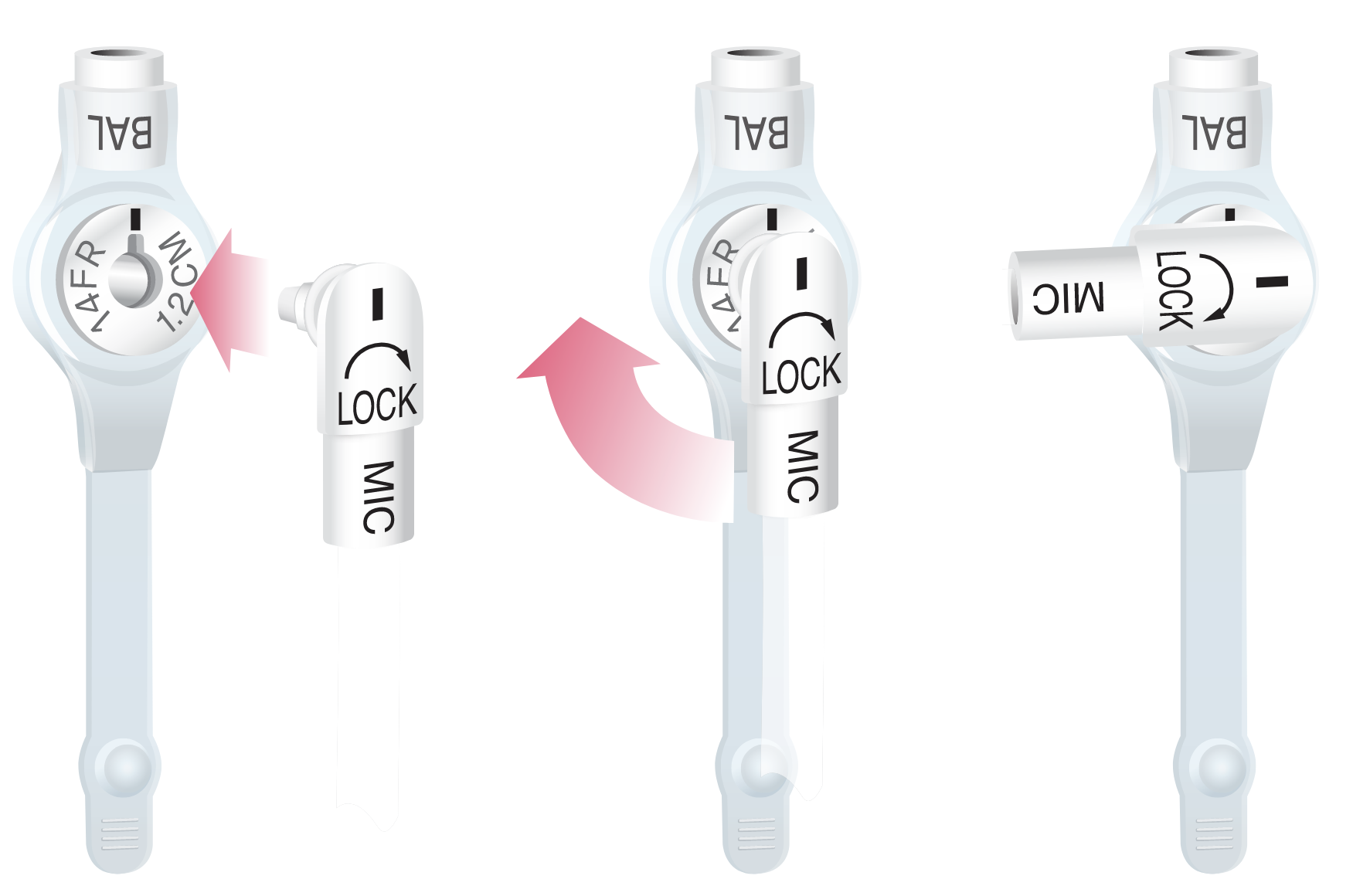
This sounds obvious, but bear with me. Your G-tube has a port where you'll connect the syringe. It's usually a small cap or a connector. Gently clean the area around the port with an antiseptic wipe or a bit of soap and water and let it dry. We're going for a spa-like experience for your tummy entry point.
Step 4: Disconnect Any Feeding or Medication Lines
If you have any feeding bags or medication lines currently connected to your G-tube, you'll need to disconnect them first. Make sure you have a clean cap or stopper to cover the port once you're done venting, to prevent any little invaders from sneaking in.
Step 5: Attach the Syringe
Now for the main event! Take your syringe and gently attach it to the G-tube port. It should fit snugly. Don't force it; if it feels like you're wrestling an alligator, something's not right. Stop and check your connection.
Step 6: The Gentle Pull – Venting Time!
This is where the magic happens. Slowly and gently, pull back on the plunger of the syringe. You're not trying to suck out a whole meal; you're just drawing out air. You might hear a little hiss or see a few bubbles in the syringe. That's the gas escaping! Some people even feel a sense of immediate relief as the pressure eases.
If you pull back and nothing comes out, don't panic. It might mean there's no significant air trapped. You can try pulling back a little more, but again, gently. If you're still not getting anything and you feel uncomfortable, it's best to consult your healthcare team. Sometimes, the G-tube might be positioned in a way that makes it difficult to draw out air, or there might be another reason for your discomfort.
A Little Note on Stomach Contents:
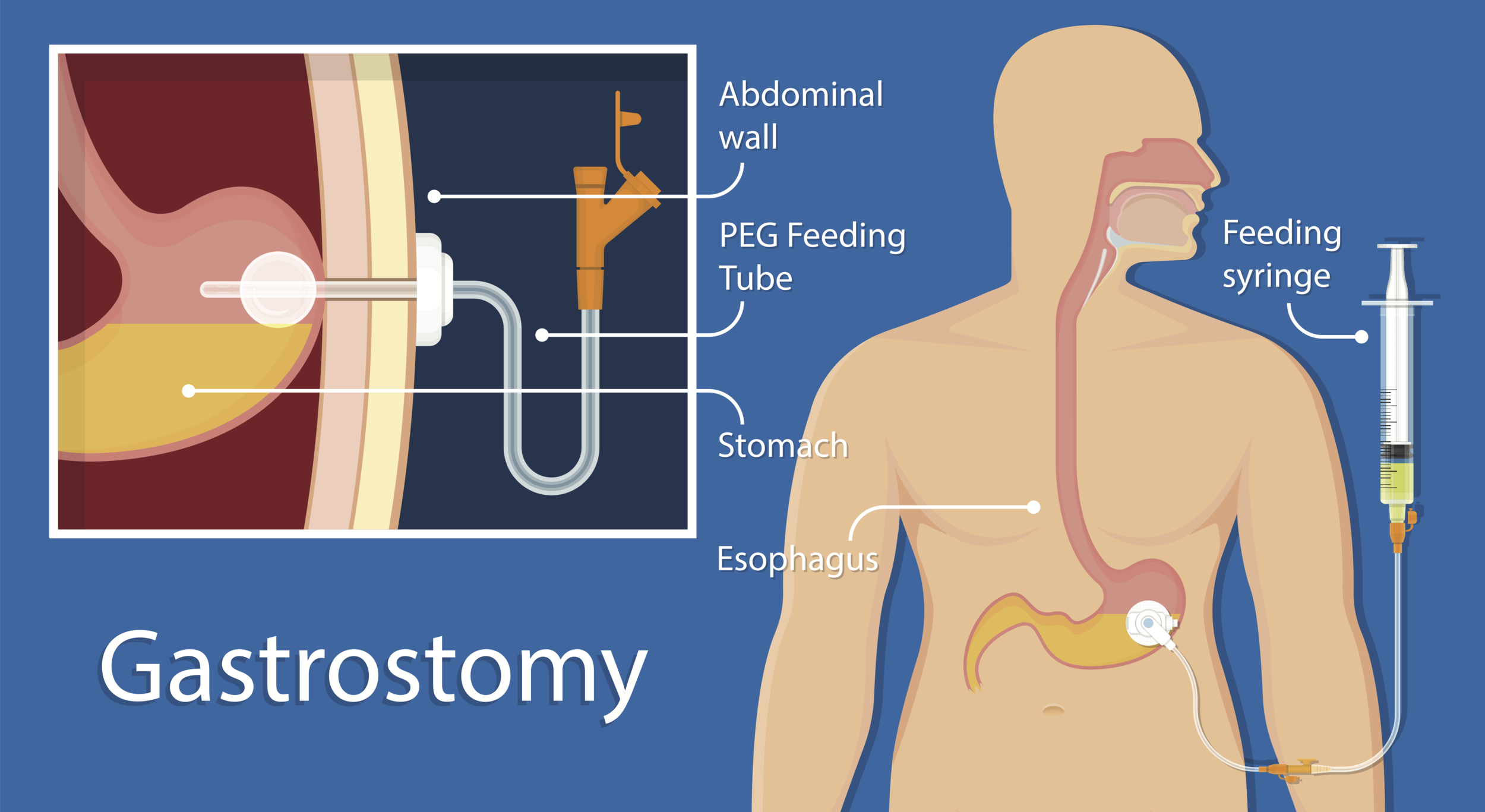
Ideally, when you're venting for trapped air, you should only be drawing out air. If you start to pull back and stomach contents (like food or liquid) begin to appear in the syringe, stop immediately. This could be a sign that the tube is blocked, or you're trying to vent when you shouldn't be. In this case, gently disconnect the syringe, cap your G-tube, and call your healthcare provider. They'll guide you on what to do next.
Some G-tubes have specific "vent" ports, separate from the feeding port. If yours does, you'll attach the syringe to that specific vent port. It's usually clearly marked. These are designed specifically for air release and are less likely to accidentally draw out stomach contents. Always double-check with your medical team which port is for venting.
Step 7: Releasing the Air (and the "Success!")
Once you've drawn a small amount of air into the syringe (or if you've decided you've vented enough), you can safely dispose of the air. If you're in a private place and your team has okayed it, you can simply disconnect the syringe and let the air escape into the open. If you're out and about, or if you want to be more contained, you can point the syringe away from yourself and others and gently push the plunger to release the air. Some people prefer to expel the air into a clean towel or a small container. The goal is just to get that excess gas out.
Congratulations! You’ve successfully vented your G-tube. High five! You’ve taken a proactive step in managing your comfort and well-being. It’s a small action, but it can make a world of difference in how you feel.
Step 8: Disconnect and Secure
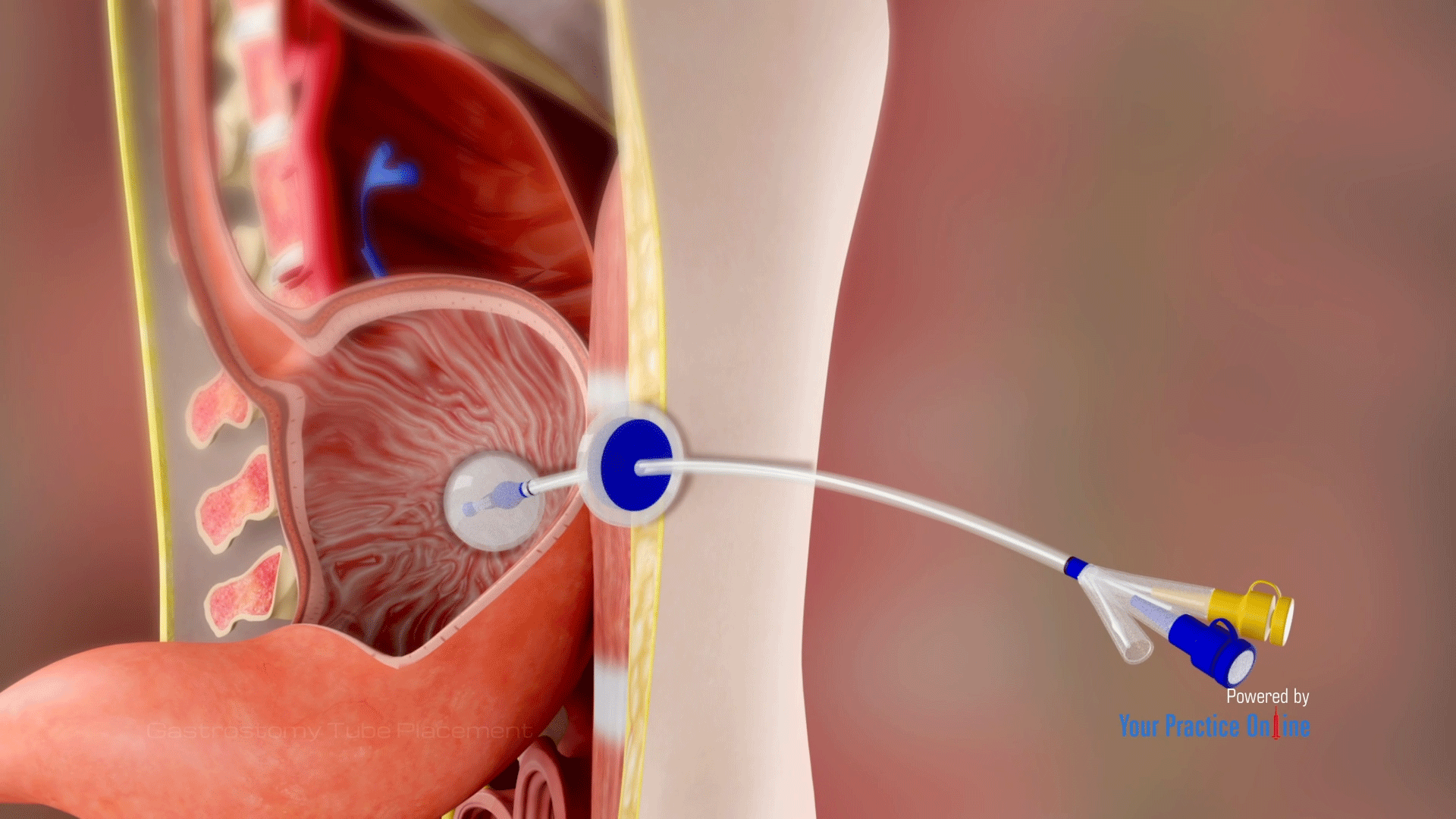
Gently disconnect the syringe from the G-tube. Cap your G-tube securely to keep it clean and prevent leaks. If you removed any feeding or medication lines, reconnect them as instructed by your healthcare provider.
Step 9: Clean Up
Dispose of the syringe properly. If you used any wipes or towels, toss them in the trash. Wash your hands again! It’s good practice to finish with clean hands.
A Few Extra Tips and Tricks:
Listen to your body. You'll get a feel for when you might need to vent. If you're feeling unusually full or uncomfortable, it's worth checking. Don't overdo it. You're just releasing a little bit of air, not trying to empty your stomach. A few gentle pulls on the syringe should be sufficient. Stay calm. If something feels a bit off, or if you're unsure, take a deep breath and reach out to your healthcare provider. They are there to help! Know your tube. Different types of G-tubes exist (like Bard, PEG, etc.). Familiarize yourself with your specific tube and its components. Your care team is the best resource for this. Timing is everything. Some people find it helpful to vent before meals or feedings to create a bit more space, while others vent if they experience discomfort after. Your doctor will guide you on the best timing for you. Keep it gentle. The key word here is gentle. We're not trying to perform a full-scale evacuation. A soft, steady pull is all that's needed.
And that, my friend, is how you vent a gastrostomy tube! See? Not so scary, right? It’s a simple technique that can bring significant comfort and help you feel more in control of your body. You’re doing a fantastic job taking care of yourself, and learning these skills is a testament to your strength and resilience. Keep up the amazing work, and remember, you've got this! Every little bit of knowledge you gain is a step towards feeling even better. Go on, you’ve earned a smile!