
How To Wash A Stainless Steel Water Bottle

So, you’ve got one of those fancy stainless steel water bottles, huh? The ones that look super sleek and keep your water ice-cold (or piping hot) for, like, ever. They’re basically superheroes of hydration. But even superheroes need a little TLC. And by TLC, I mean a good wash. Sounds simple, right? Wrong! Or, well, not entirely wrong. It’s actually kind of fun to get into the nitty-gritty of keeping your trusty metal sidekick sparkling. Let’s dive in!
First off, why even bother? You might be thinking, “It’s just water! What’s the big deal?” Ah, my friend, this is where the magic (and a little bit of science) happens. Those bottles are designed to be a fortress for your beverage. But even fortresses can get a little…erm…fragrant. Think of it like this: your bottle is your personal, portable spa. You wouldn’t want to soak in a grimy tub, would you? Same goes for your H2O!
Let’s talk about what’s really going on in there. Over time, tiny little microscopic critters, we’re talking bacteria and mold, might decide your bottle is the perfect place for a rave. Yeah, a rave. Imagine tiny disco balls and flashing lights, but instead of fun music, it’s just…ew. And that funky smell? That’s their party favor.
The Dirt on Dirt (and Other Fun Stuff)
Besides the invisible rave party, there are other things lurking. If you’re adding anything other than plain water – think juice, coffee, tea, or those fancy electrolyte powders – you’re basically inviting a whole new set of characters to the party. Sugars and proteins are like VIP passes to the germy bash. And don’t even get me started on the lip balm residue. It’s a thing. A real, sticky, sometimes fuzzy thing.
And the lid! Oh, the lid. This is often the real MVP of grime accumulation. Think about it. It seals in your drink, it gets touched by your hands (which, let’s be honest, have probably touched everything), and it’s a tight-knit space where moisture can get trapped. It’s basically a miniature swamp motel for bacteria. Charming, I know.
So, what’s the solution to this potential germ circus? A good old-fashioned wash. But not just any wash. We’re talking about a proper clean. And guess what? It doesn’t require a hazmat suit or a degree in chemistry. Just a few household items and a little bit of elbow grease.

Your Bottle’s Spa Day: The Nitty-Gritty
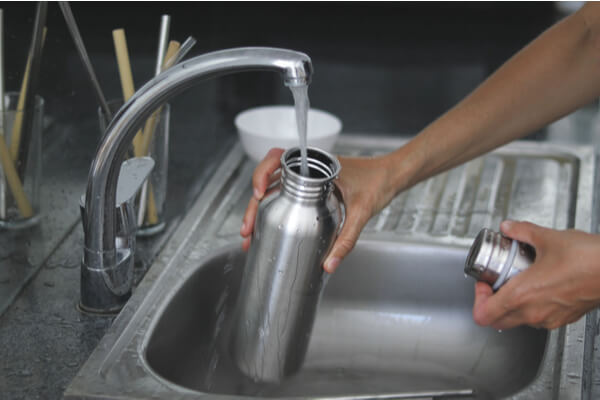
Okay, gather ‘round, aspiring bottle janitors! Your first line of defense is simple: hot water and soap. Yes, the classics! Don’t be shy with the hot water. It’s like a nice, warm hug for your bottle, but it also helps to loosen up any stubborn gunk. A few drops of dish soap, nothing fancy, just your regular sudsy stuff, will do the trick.
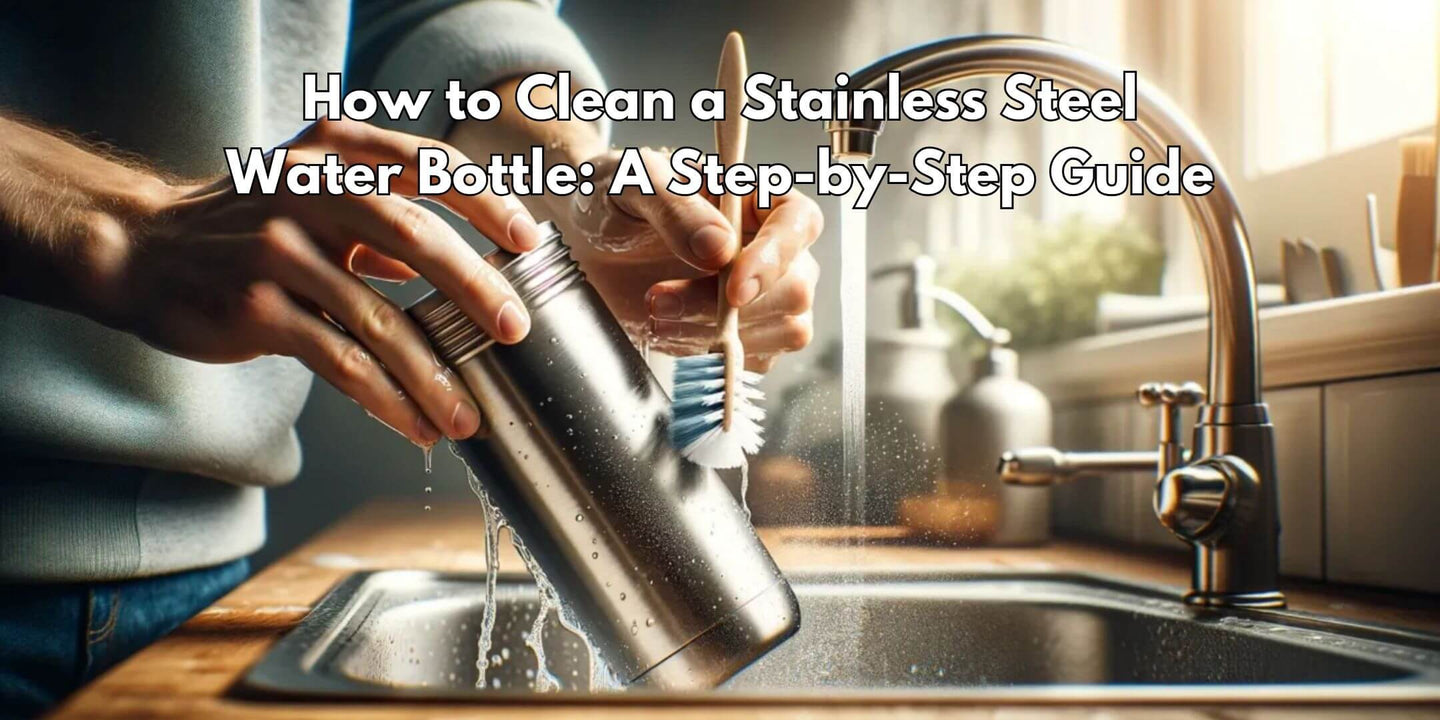
Now, for the scrubbing. This is where things get a little interesting. Most bottles come with a wide mouth, which is great for easy drinking, but sometimes a bit of a pain for cleaning the very bottom. Enter the bottle brush. These are lifesavers! They’re long and skinny, with bristles designed to reach into every nook and cranny. It’s like a mini-maid for your bottle. Give it a good swirl, making sure to get all the way down to the bottom. Imagine you’re tickling the inside of your bottle. Make it giggle with cleanliness!
Don’t forget the lid! This little guy needs some special attention. Unscrew all the parts if you can. Many lids have little gaskets or straws. These are prime real estate for mold and mildew. Use a smaller brush, maybe even an old toothbrush, to get into all those tiny grooves and seals. Think of it as a deep-tissue massage for your lid. Be thorough!
The Deep Clean Dive
Now, for those times when your bottle is feeling a little…off. Maybe it’s been a while, or you’ve had something a bit potent in there. Time for a deep clean! And the secret weapon? Baking soda. This stuff is a miracle worker. It’s a natural deodorizer and a gentle abrasive. It’s like the eco-friendly superhero your bottle needs.
Here’s how to do it: put a couple of tablespoons of baking soda into your empty bottle. Then, fill it up with hot water. Give it a good shake. Let it sit for a few hours, or even overnight. The baking soda will work its magic, absorbing any lingering odors and breaking down any tough residue. When you rinse it out, you might be surprised at how fresh it smells. It’s like a spa treatment with a mild chemical reaction that’s totally safe and effective.
Another fantastic option for a deep clean is white vinegar. You know, the stuff you put on your fries? It’s also a fantastic disinfectant and deodorizer. Mix equal parts white vinegar and water in your bottle. Let it sit for a few hours, or overnight. Then, rinse thoroughly. The vinegar smell might be a little strong initially, but it will dissipate as it dries, leaving your bottle smelling clean and fresh. It’s like a detox for your drinkware!
The Quirky Truths About Bottle Cleaning
Did you know that stainless steel, while awesome, can actually get tiny scratches over time? These little imperfections can be havens for bacteria. That’s another reason why a good scrub is important! We’re not trying to polish it to a mirror finish, but we are trying to keep those tiny inhabitants from setting up permanent residence.

And what about those water bottle cleaning tablets? They’re like the fancy, pre-packaged spa treatments. They work, and they can be super convenient. Just pop one in, fill with water, and let it do its thing. They often contain citric acid or other cleaning agents that are designed to tackle tough stains and odors. Think of them as the luxury spa package for your bottle. Fancy, but effective!
One more quirky fact: some people swear by using rice for cleaning. You heard me right, uncooked rice! Put a little bit of uncooked rice in your bottle, add some warm water and a drop of soap. Then, shake it like you’re trying to win a maraca competition. The rice acts as a natural scrubber, getting into all those nooks and crannies. It’s a bit unconventional, but hey, whatever works, right? It’s like a little culinary adventure for your cleaning routine!
The Drying Dilemma
Okay, so you’ve scrubbed and rinsed. You’re almost there! But there’s one crucial step: drying. And this is where many people go wrong. Letting your bottle air dry upside down in a dish rack is great, but it’s not always enough to get rid of all the moisture, especially in the lid. Trapped moisture is an invitation for more germ parties.
So, after you’ve let it drip dry for a bit, grab a clean, soft cloth and give the inside a good wipe down. Get into every corner you can. For the lid, make sure to dry all the parts thoroughly. If your lid has a straw, take it out and dry it separately. You can even use a straw brush for this. It’s all about eliminating those damp environments.
And a pro tip: don’t just shove your wet bottle back into your bag. Let it breathe! Leaving the lid slightly ajar or the bottle completely open will help it dry out completely and prevent that musty smell from developing.
Making It a Habit
The most important thing about keeping your stainless steel water bottle clean is consistency. Think of it as a daily ritual. A quick rinse after each use, followed by a proper wash every few days, will keep things in tip-top shape. It’s much easier to maintain a clean bottle than to tackle a biohazard situation!
So there you have it! Washing your stainless steel water bottle isn't just a chore; it's an act of self-care for your hydration habits. It’s about enjoying your water the way it was meant to be enjoyed: fresh, clean, and free from any unwanted party guests. Now go forth and make your bottle sparkle! Your taste buds (and your immune system) will thank you.