
I Think I Know More About American Girl Dolls
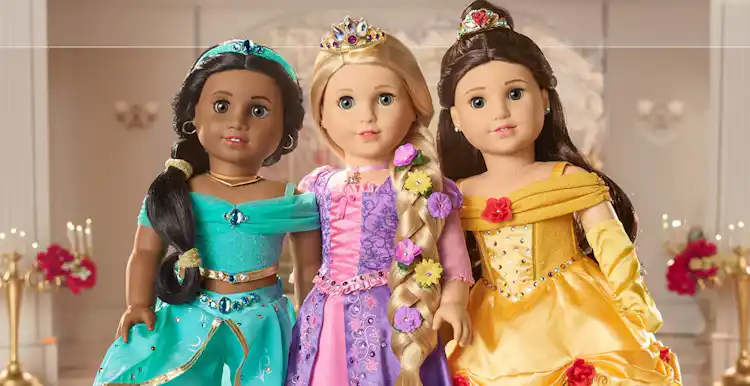
Okay, confession time. I think I know way too much about American Girl dolls. Like, way, way too much. It’s a little embarrassing, but also, like, totally hilarious. My brain is basically a walking encyclopedia of 18th-century colonial history disguised as a doll collection. Don't judge me. You probably have your own weirdly specific obsession, right?
It all started innocently enough. A friend’s kid got one. Then another friend’s kid. Suddenly, my social media was flooded with tiny bonnets and gingham dresses. And then, BAM! I was hooked.
It’s not just about the dolls themselves. Oh no, it goes so much deeper. It’s about the stories. Each doll comes with a whole backstory. Like, Kirsten Larson. She's from Sweden, right? Came to America in the 1850s. Her family’s trying to make a new life. It's actually kind of touching, when you think about it. She’s all about being resourceful and working hard. And her braids? Iconic.
Then there’s Addy Walker. Her story is a little heavier. She escapes slavery in 1864. It's a powerful narrative. It really makes you think about history in a different way. And the detail! The way they describe her mother’s strength, her determination. It’s not just a doll; it’s a whole piece of American history, made tangible.
And who could forget Felicity Merriman? She’s a feisty colonial girl in Williamsburg. Loves horses. Loves adventure. She’s all about breaking the rules a little. And honestly, I kind of relate to that. She’s got this independent spirit. Plus, her dresses are so pretty. Think big skirts and lace. Very Jane Austen, but with more running around and less societal pressure.
But here’s where it gets really fun. The quirky details. Like, did you know that Kirsten’s dollhouse furniture was designed to be historically accurate? I’m talking tiny, hand-stitched quilts and minuscule spinning wheels. It’s insane! Someone actually put that much effort into making a doll-sized world.
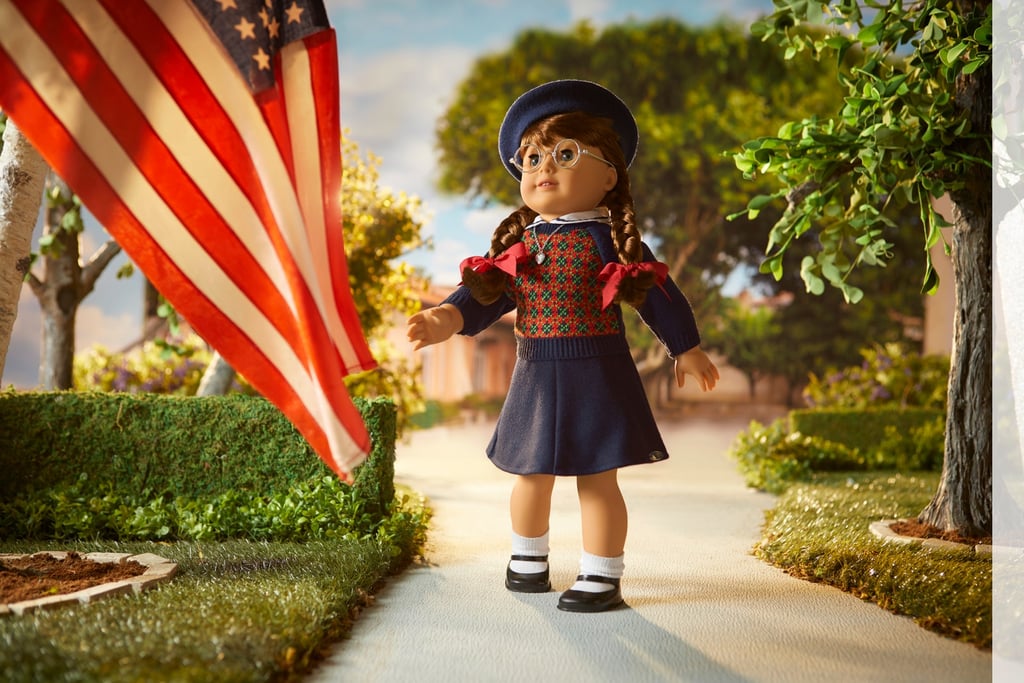
And the accessories! Oh, the accessories. They have everything. For Kirsten, there are tiny wooden shoes. For Addy, a little sewing basket. For Felicity, a whole set of tea party dishes. You could probably furnish a real apartment with all the miniature stuff they sell. It’s a collector's dream, or nightmare, depending on your bank account.
Let’s talk about the “Just Like You” dolls for a sec. They're the customizable ones. You pick the skin tone, hair color, eye color, etc. It’s great for inclusivity, which is awesome. But the sheer number of combinations? My brain hurts trying to remember them all. I swear, they’re breeding.
And the names! They’re so… specific. Josefina Montoya. She’s from New Mexico in 1824. Her family’s adobe house. It’s a whole vibe. She’s all about healing and plants. And her braids? Different from Kirsten’s. More intricate. See? I told you I knew stuff.
Then there’s Caroline Abbott. War of 1812 era. Her dad’s a shipbuilder. She’s on the coast of Maine. Storms and hardship. It’s dramatic. And her hair is usually in these cute little curls. It’s like a historical telenovela, but in doll form.
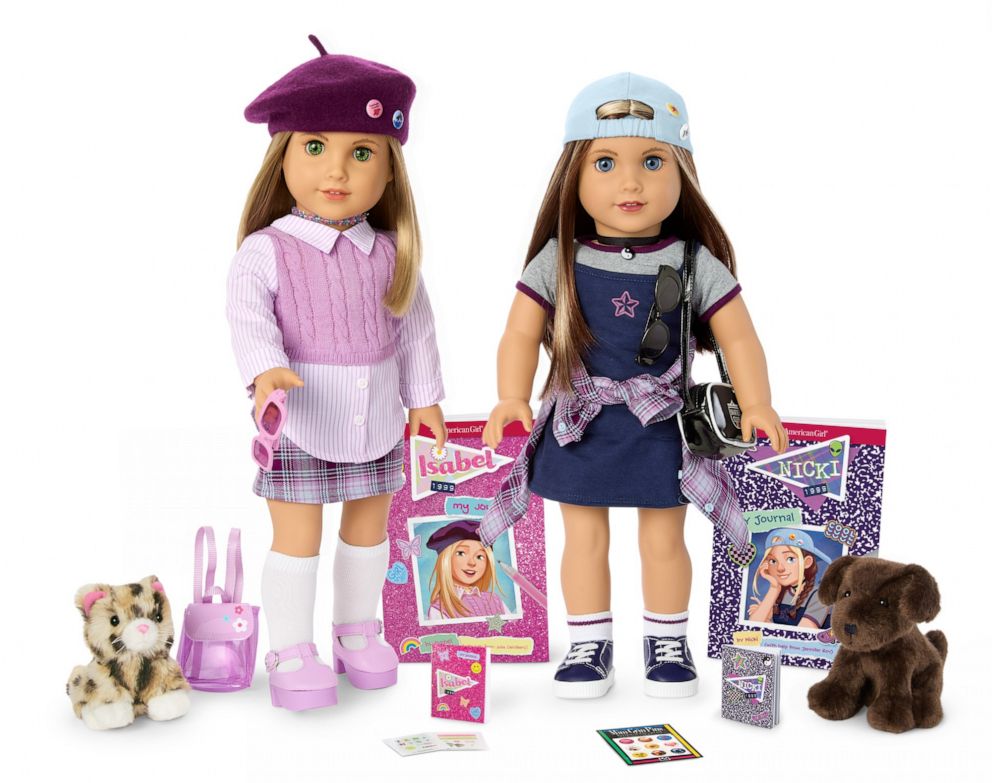
And don't even get me started on the historical context. They’ve done their homework. Like, seriously. They’ve got historical consultants and everything. It’s not just made up. They teach you stuff! About the Civil War, about westward expansion, about what life was like for girls centuries ago. It’s education disguised as playtime. Sneaky, right?
And the language! The way the characters speak. It's a little old-fashioned, but not so much that you can't understand it. It’s charming. It transports you. You’re reading about Kirsten struggling to learn English, and you’re like, “Aw, girl, I get it.”
One of the funniest things is how seriously some people take it. I’ve seen people arguing online about the historical accuracy of a doll's shoelaces. Shoelaces! It’s hilarious. But it also shows how much people care. It’s a whole community.
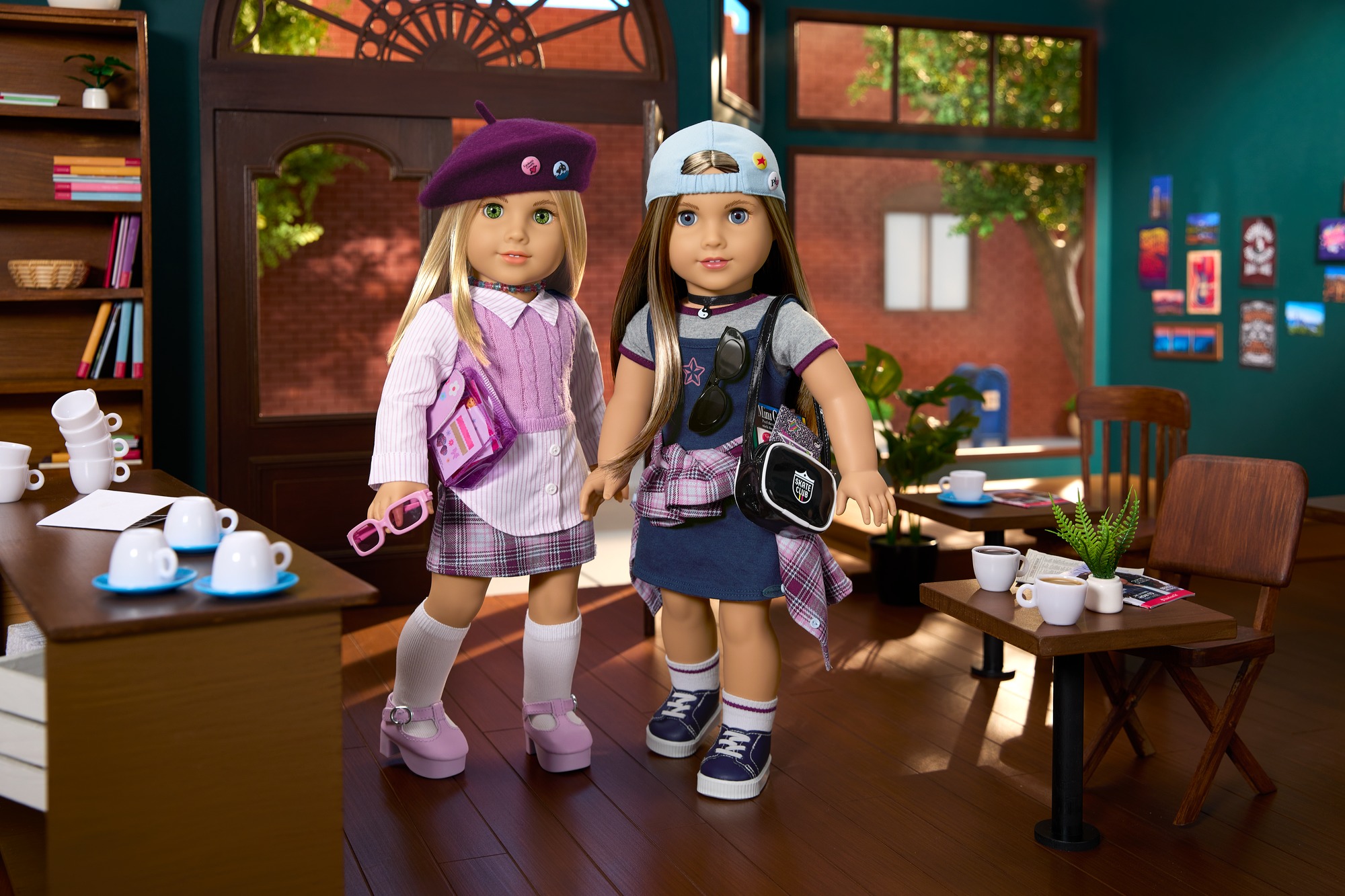
And the sheer volume of it all. They’ve been around forever. Well, since 1986. That’s a lot of dolls. A lot of stories. A lot of tiny outfits. I’m pretty sure if you stacked all the American Girl dolls ever made, they’d reach the moon. Or at least, like, the top of a very tall tree.
It’s the details that get you. The little touches. The way the fabrics are chosen. The embroidery on a dress. The way the hair is styled. It’s all so deliberate. So well-crafted. You can’t help but appreciate the artistry.
And the nostalgia factor! For many of us, these dolls were a huge part of our childhood. Or our nieces', or our daughters'. Even if you never owned one, you probably know someone who did. They’re a cultural touchstone. Like leg warmers, or the Macarena. Except, you know, less embarrassing. Mostly.
So yeah, I think I know more than I should. But is it a bad thing? I don’t think so. It’s fun! It’s interesting! It’s a little window into the past, all dressed up in a pretty dress. And honestly, I wouldn’t trade my extensive knowledge of historical doll attire for anything. Well, maybe for a real talking doll. That would be pretty cool.
:focal(628x291:629x292)/https://tf-cmsv2-smithsonianmag-media.s3.amazonaws.com/filer/ed/b2/edb279b1-99ce-4408-83d8-d495c62495ab/ag_social.jpg)
Maybe the next thing I'll learn about is their boy doll counterparts. Did you know they have those too? Mind. Blown. See? The rabbit hole goes deeper.
The best part is, it’s just… fun. It's not serious. It's not life-or-death. It's dolls with stories. And sometimes, that's exactly what you need. A little bit of whimsy. A little bit of history. A whole lot of tiny, well-made accessories. And if that makes me a little obsessed? So be it.
I’m just saying, if you ever need to know the proper way to tie a bonnet for a 1774 colonial girl, or the significance of a specific type of quilting stitch in the 1860s, you know who to call. I'm your girl. Or, you know, your doll expert.
It’s a whole world, really. A miniature, historical, fabric-covered world. And I’m just happily lost in it.