
Inner Tubes For Bikes Size Guide
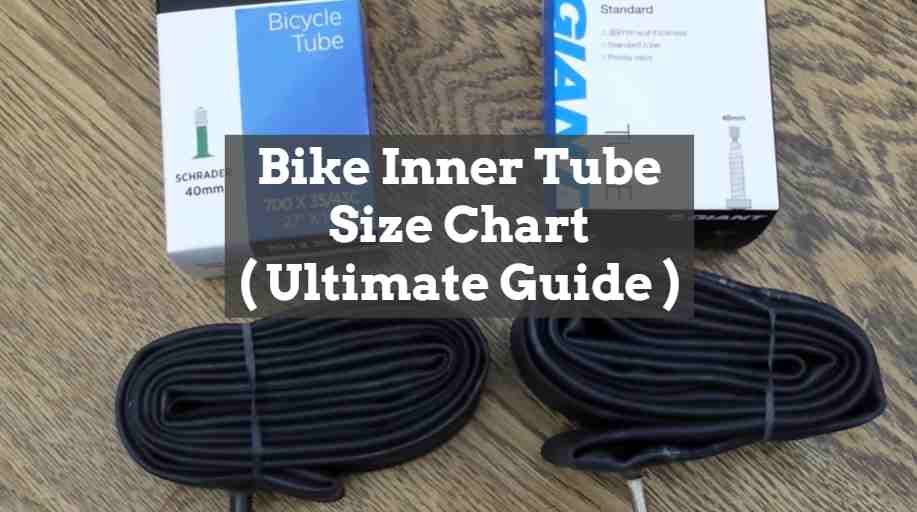
Hey there, fellow pedal-pushers and adventure seekers! Ever found yourself staring at your bike, wondering what's going on inside those big black rings of rubber? Yep, we're talking about inner tubes. The unsung heroes of every ride, right?
Now, I know what you might be thinking. "Inner tubes? Seriously? Is this going to be as exciting as watching paint dry?" Well, buckle up, buttercup, because understanding your inner tubes can actually be a game-changer for your cycling joy. Think of it as unlocking a secret level in your biking experience!
You see, for a long time, I just grabbed whatever looked vaguely like the tube that fell out of my wheel. It seemed to work, mostly. But then came those dreaded "slow leaks," those infuriating moments when you inflate your tire with all your might, only to find it looking a bit sad and saggy an hour later. Sound familiar? We've all been there. And often, a little knowledge about the right size inner tube could have saved us the deflationary drama.
So, let's demystify this whole inner tube sizing thing. It’s not rocket science, I promise! In fact, it’s more like following a recipe, and once you get the hang of it, you'll be a tube-changing pro, ready to tackle any puncture that dares to cross your path.
The Numbers Game: What Do Those Sizes Actually Mean?
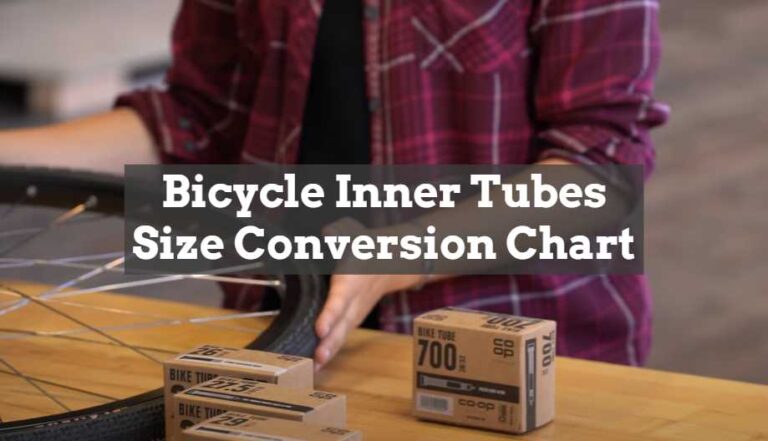
Okay, so you’ve probably seen numbers like "700c x 23-25" or "26 x 1.75-2.125" printed on the side of your tires and maybe even on that old inner tube you're about to replace. These aren't random scribbles; they're your secret code to finding the perfect fit!
Let's break down the most common types. For road bikes, you'll often see the "700c" system. The "700" refers to the approximate diameter of the wheel (in millimeters, though it’s a bit more complex than a perfect circle!), and the "c" is an old designation that's pretty much standard for modern road bikes. The real magic happens with the second set of numbers, like "23-25" or "28-32." These tell you the range of tire widths that the inner tube is designed to fit.

So, if your road bike tire says "700x25c" on the sidewall, you're looking for an inner tube that covers that 25mm width. Most tubes designed for this range will say something like "700c (23-28mm)" or "700c x 25/28." The key is that your tire width falls within the tube's specified range. Too small, and the tube will be stretched too thin, risking a blowout. Too big, and it might bunch up, leading to an uneven ride or, you guessed it, a puncture.
For mountain bikes and hybrids, you'll often encounter the "26," "27.5" (or 650b), and "29" inch systems. These numbers generally refer to the diameter of the wheel. And again, the second part, like "1.75-2.125," indicates the range of tire widths (in inches) that the tube is designed for. So, if your chunky mountain bike tire is labeled "29 x 2.2," you'll want an inner tube that says "29er (2.0-2.3)" or something similar. See? It’s all about finding that happy middle ground.
Why Does Getting the Size Right Actually Matter? (Spoiler: It Makes Life Easier!)
You might be thinking, "Okay, but if I'm a few millimeters off, what's the big deal?" Well, my friend, that "little" difference can actually have a surprisingly big impact on your cycling experience. And not in a good way!

Firstly, and most importantly, using the correctly sized inner tube significantly reduces your risk of flats. A tube that's too small is like trying to cram a big sausage into a tiny bun – it's going to burst! Conversely, a tube that's too large can wrinkle and bunch up inside the tire, creating weak spots that are just begging for a sharp piece of glass or a rogue thorn to exploit.
Secondly, the right fit ensures a smoother, more comfortable ride. When your inner tube is properly inflated and snug within your tire, it can do its job of cushioning you from bumps and vibrations. A poorly fitting tube can lead to a lumpy, bumpy ride that feels less like gliding and more like being rattled around in a tin can. And who wants that when you're out enjoying the fresh air?
Thirdly, and this is a big one for those of us who like to tinker (or at least try to), installing the correct size tube is so much easier. When you’re wrestling a tube that’s the wrong size into a tire, it's a recipe for frustration. Fingers get pinched, tire levers slip, and you might even end up damaging the new tube before it's even properly seated. But with the right tube? It’s a breeze! You’ll be in and out in no time, ready to get back on the road (or trail!).
Valve Stems: The Other Important Piece of the Puzzle
While we're on the topic of inner tubes, it would be a crime not to mention valve stems. These are the little metal or rubber bits that stick out of your wheel, through which you pump air. There are two main types you'll encounter:
Presta Valves
These are the sleeker, more common valves on road bikes. They have a thin shaft and a small nut at the top that you need to unscrew before you can inflate. They're often preferred for higher pressures and have a generally more aerodynamic profile. Plus, they just look kind of fancy, don't they?
Schrader Valves
These are the sturdier, wider valves you'll find on most cars, many mountain bikes, and some hybrid bikes. They look like a car tire valve and are generally easier to use, especially if you're just starting out. You can usually pump them up with a standard bike pump or even a gas station air pump.
When you buy an inner tube, it will come with either a Presta or Schrader valve. Make sure the valve type on your new tube matches the valve hole in your rim. Most rims are designed for one or the other, though some have removable inserts that allow you to switch. If you're unsure, just peek at your current tube or wheel!
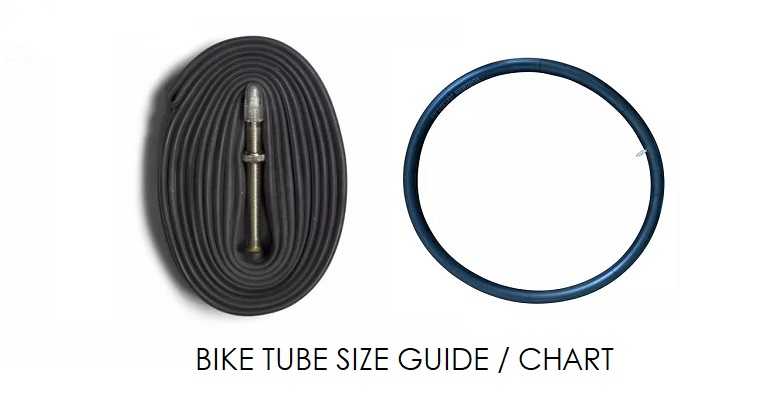
So, How Do You Find Your Tube's Perfect Fit?
It’s surprisingly simple, really! There are a few ways to go about it:
- Check your tire sidewall: This is your primary source of truth! Look for the numbers we discussed earlier.
- Look at your old inner tube: The size is usually printed right on it. This is the easiest if you have a spare one lying around.
- Consult your bike's manual: If you still have it, your bike's manual will often list the recommended tire and tube sizes.
- Ask your local bike shop: These folks are wizards when it comes to all things bike. They can usually tell you in a flash.
Once you have the size range and valve type, you can confidently go out and find the perfect inner tube. Think of it as a little treasure hunt! And when you find it, you'll feel a sense of accomplishment that’s almost as good as a perfectly executed hill climb.
The next time you need to replace a tube, don't just grab the first one you see. Take a moment, check those numbers, and choose wisely. You'll be rewarded with smoother rides, fewer headaches, and more time actually enjoying the freedom of cycling. It’s a small detail, but it makes a world of difference.
So, go forth, embrace the numbers, and may your rides be ever smooth and puncture-free! Happy cycling!