
Interesting Facts About The Loch Ness Monster

Alright folks, gather 'round! Let's have a little chinwag about something that tickles our fancy, something that lurks in the murky depths and has us all scratching our heads: the Loch Ness Monster. Now, I know what you're thinking. "Nessie? That old chestnut?" But stick with me, because even if you think it's all a bit of a tall tale, there are some genuinely quirky and downright hilarious things about this whole mystery that make it feel as relatable as a misplaced car key or a stubbornly blinking "check engine" light.
Think about it. We all have that one friend, right? The one who's always got a wild story, a slightly unbelievable anecdote that you almost want to believe, but just can't quite wrap your head around. Maybe it's the tale of the squirrel that stole their sandwich right out of their hand at the park, or the time they swore they saw a badger wearing a tiny hat. Nessie, in a way, is like the ultimate version of that friend. She's the Scottish super-friend who might have a secret, and we're all just dying to know what it is.
The whole Nessie saga really kicked off in 1933, didn't it? Before that, it was just a lake. Pretty, sure, with some dramatic hills and the occasional sheep looking contemplative. But then, bam! Suddenly, there were sightings. It was like the lake suddenly decided it was bored and wanted to join the celebrity gossip circuit. And let's be honest, who hasn't felt that urge to inject a bit of excitement into their routine? Maybe your routine involves a lot of spreadsheets, or folding laundry. Lake Ness probably felt a similar vibe.
One of the most famous early accounts comes from a couple, the Spicers, who claimed to see "a most extraordinary form of animal" crossing the road in front of their car. Now, picture this: you're driving along, enjoying the scenery, maybe humming along to the radio, and then BAM! A creature that sounds like a cross between a giraffe and a sea serpent decides to take a leisurely stroll. I'd probably do a double-take, then check if I’d accidentally put in the wrong kind of coffee that morning. It’s the kind of thing that makes you question reality, just like when you swear you left your phone on the counter, only to find it in the fridge. Happens to the best of us!
The Curious Case of the Plesiosaur
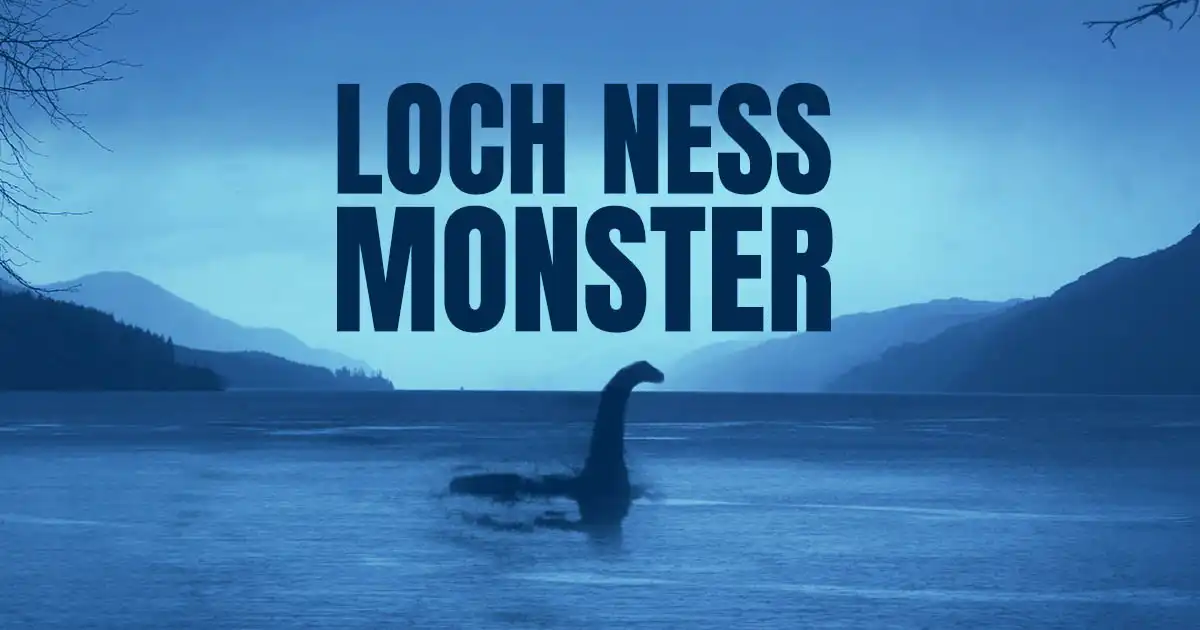
Now, let's talk about what Nessie is supposed to look like. The classic image, the one that pops into everyone's head, is that of a plesiosaur. You know, the long-necked marine reptile that’s been extinct for, like, ages. It’s like finding a flip phone in a drawer full of smartphones – completely out of place, but undeniably intriguing.
The idea that a creature from the dinosaur era could be hanging out in a Scottish loch is, well, it’s a stretch, isn’t it? It's like finding a dodo bird at your local supermarket. But the sheer persistence of this idea is what makes it so charming. People want to believe in something ancient and mysterious. We like the idea that there are still secrets tucked away in the world, places where the old ways might still linger.
Think about the sheer logistics. If a plesiosaur was living in Loch Ness, it would need to be quite the survivor. It would have to adapt to freshwater, deal with the Scottish weather (which, let's face it, can be a bit "character building"), and probably develop a taste for haggis. I’m not sure a prehistoric reptile would be a fan, but hey, stranger things have happened. Maybe Nessie has a secret gourmet palate.
The “Surgeon’s Photograph” and its Aftermath
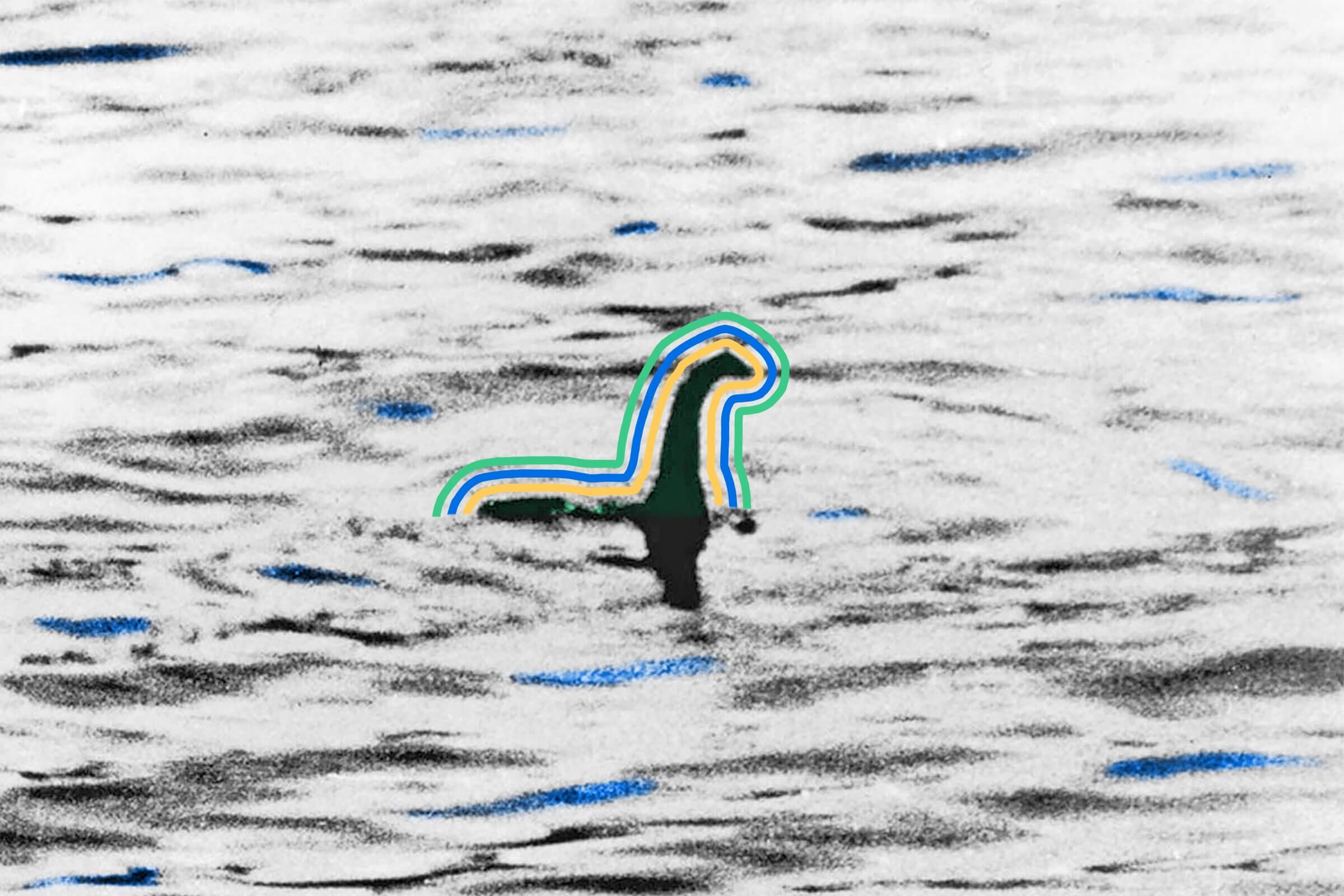
Ah, the "Surgeon's Photograph." This is the big one, the photo that really cemented Nessie in the popular imagination. Taken in 1934, it showed what looked like a long neck and a small head emerging from the water. It was blurry, it was dramatic, and it was perfect for a headline. It was the photo equivalent of that one particularly unflattering selfie you swear you’ll delete but never do because, well, it’s got a certain je ne sais quoi.
For decades, this photo was the definitive image of Nessie. It fueled countless expeditions, inspired books, and probably sold a boatload of tartan scarves. It was the proof everyone was looking for, the visual confirmation that something truly extraordinary was out there.
Except… it wasn't. Later on, it turned out that the famous photo was actually a cleverly staged hoax. A toy submarine with a sculpted head attached. Now, while that might sound like a letdown, it’s actually more interesting in its own way. It tells us something about our own desire to believe. We wanted to see Nessie so badly that we were willing to accept this picture as gospel. It’s like when you’re convinced you heard a ghost, only to realize it was just the cat knocking something over. The thrill of the possibility is often as potent as the reality.
And the people who confessed? They were probably just having a bit of fun, like a bunch of mates pulling a prank. We’ve all done it, haven’t we? Put on a silly hat, made a funny face, tried to convince someone of something ridiculous. The "Surgeon's Photograph" was just a really elaborate prank with a very, very long shelf life.
The Great Nessie Hunts
The existence of Nessie, or the lack of definitive proof, has led to some truly epic treasure hunts. Scientists, amateur sleuths, and people with a lot of free time have descended upon Loch Ness with sonar equipment, submarines, and enough enthusiasm to power a small city. It’s like a real-life episode of a detective show, but instead of a grumpy inspector and a convoluted murder, we have a murky lake and a potentially shy monster.
These expeditions are always fascinating. They’re filled with hope, with anticipation. You can just imagine the researchers huddled around their sonar screens, their eyes glued to the flickering lines. "Is that… is that her?" they whisper, their hearts pounding. It’s the same feeling you get when you’re waiting for a package to arrive, and you keep checking the tracking information every five minutes. That moment of pure, unadulterated expectation.
Some of these hunts have produced some pretty intriguing sonar readings. Blips and blobs that could be a giant creature. Or, you know, a large school of fish. Or a sunken log. Or maybe just a particularly enthusiastic otter. The ambiguity is what keeps it alive, isn’t it? It’s the “maybe.” The “what if.” It’s the equivalent of finding a single, perfectly preserved Lego brick in your garden and wondering if a tiny civilisation of builders is operating just beneath the surface.
Then there was the time they used a fleet of submarines. Imagine that! A whole flotilla of underwater vehicles, all trying to get a peek at our elusive friend. It's like a massive game of hide-and-seek, but with very expensive toys and a whole lot of dampness. And the funny thing is, even with all this technology, all these sophisticated gadgets, we still haven’t got that clear, undeniable photograph. It’s like trying to catch a particularly slippery fish – the moment you think you’ve got it, it wriggles away.
The Psychological Side of Nessie
Beyond the sonar pings and the blurry photos, there’s a really interesting psychological aspect to the Loch Ness Monster. Why are we so drawn to this idea? Why does it continue to capture our imaginations, even after decades of searching? It’s a bit like our fascination with ghost stories or UFOs. There's something inherently appealing about the unknown, about the possibility of something extraordinary existing just beyond our everyday experiences.
Think about it. Life can be pretty routine, can't it? Wake up, go to work, come home, eat dinner, watch telly, sleep, repeat. It’s all very… predictable. Nessie, on the other hand, is the ultimate disruptor of predictability. She’s the wild card, the unexpected plot twist in the otherwise mundane narrative of our lives. She’s the sudden burst of glitter on a grey day.
We like to believe in mysteries. We like to think that there are still parts of the world that are wild and untamed, places where anything could happen. It’s a comforting thought, in a strange way. It means the world is bigger and more mysterious than we sometimes give it credit for. It’s like finding an extra biscuit in the packet – a little bonus of delight.

Also, let's not forget the economic impact. Nessie is a massive tourist attraction. People flock to Loch Ness, hoping for a glimpse. Hotels, gift shops, boat tours – they all owe a considerable debt to our shy, water-dwelling friend. It's a modern-day fairy tale that’s created real jobs and brought prosperity. So, even if Nessie is just a figment of our collective imagination, she’s a rather beneficial figment, wouldn’t you say? She’s the celebrity endorsement that keeps on giving.
The Ongoing Enigma
So, where does that leave us with Nessie? Well, the truth is, we still don't know. The mystery persists. There’s no definitive proof, but there’s also no definitive disproof. She remains elusive, a whisper in the wind, a ripple on the water.
And perhaps that’s the most interesting fact of all. The Loch Ness Monster isn't just a creature; she's a testament to our enduring curiosity, our desire for wonder, and our willingness to believe in the extraordinary. She’s the ultimate conversation starter, the reason why a quiet loch in Scotland remains one of the most talked-about places on Earth. She’s like that inside joke you have with a friend – it might not make sense to anyone else, but it’s special and enduring because of the shared experience and the anticipation of what might be.
Maybe one day, we'll get that crystal-clear photo, that irrefutable evidence. Or maybe, just maybe, Nessie will forever remain a legend, a beautiful, intriguing enigma swimming just out of reach. And honestly? I think there’s a certain magic in that. It’s the magic of the unknown, the thrill of the chase, and the simple, enduring joy of a good story. So next time you’re staring out at a body of water, take a moment. You never know what – or who – might be watching back.