
Investing In Rare Earth Metals
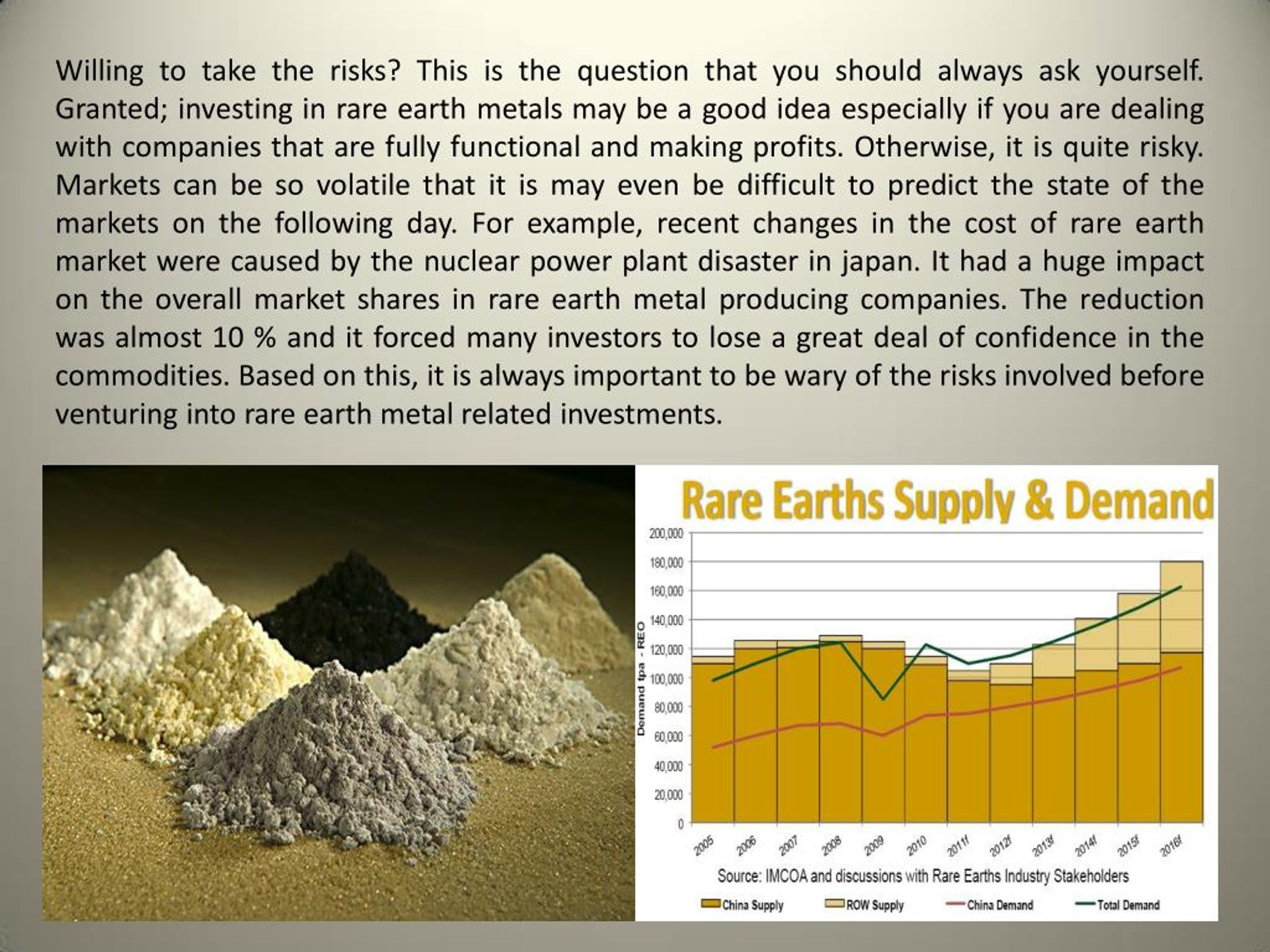
You know, I was recently rummaging through an old electronics bin – the kind that’s been accumulating dust bunnies and forgotten gadgets for, well, let's just say a while. I pulled out this ancient flip phone, the kind that felt like it weighed a pound and had buttons you could actually feel clicking. And I got thinking, what makes this thing, and so many others, work? It wasn't just the plastic and wires, right? There’s some seriously cool, albeit invisible, stuff inside.
That’s when it hit me: rare earth metals. These aren't your grandma's gold bars or silver coins. They're the unsung heroes of our modern lives, the literal building blocks of the technology we rely on every single day. And, as it turns out, they’re becoming a pretty hot topic for anyone with an eye on the future – and maybe a little bit of risk tolerance.
So, let’s dive in. What exactly are these mysterious "rare earths," and why should you even care? Forget dusty textbooks; think of this as a casual chat over a (virtual) coffee. We're going to unpack this whole investing thing, no jargon overload, I promise.
The "Rare" in Rare Earth? It's a Bit of a Misnomer.
Here’s where things get a tad ironic. The term "rare earth" is actually a bit misleading. These elements – all 17 of them, if you’re curious (neodymium, praseodymium, dysprosium, anyone?) – aren’t actually rare in the Earth's crust. In fact, some are more common than lead or copper.
So why the fancy name? Well, it's more about how they occur. They're rarely found in concentrated, economically viable deposits. Think of it like finding gold – sure, there’s gold somewhere in the ground, but you need to find a rich vein to make it worth mining. The same applies here. They’re usually scattered amongst other minerals, making extraction a complex and often expensive process.
And when I say complex, I mean really complex. Mining and processing these metals can involve a cocktail of chemicals and a whole lot of specialized know-how. It's not like digging up potatoes, that's for sure.
Why Are We Even Talking About Them? The Tech Connection.
Okay, so they're tricky to get. Why bother? Because, my friends, they are essential. Seriously, try to imagine your life without them for a second.
That smartphone you're probably holding (or scrolling on, let’s be honest)? It uses neodymium for the speakers and magnets. Your laptop? Neodymium and praseodymium for the screen. Electric vehicles? They rely heavily on neodymium and dysprosium for their powerful electric motors. And let’s not forget wind turbines, which use neodymium-iron-boron magnets to capture wind energy.
The list goes on and on. They’re in your MRI machines, your GPS devices, your defense systems, your LEDs, your earbuds – practically everything that hums, beeps, or powers our modern world.
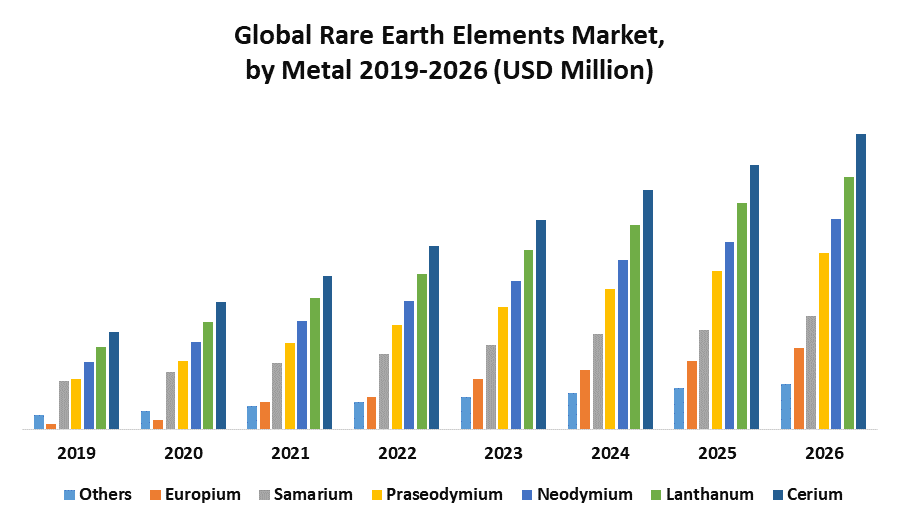
It's kind of mind-blowing, isn't it? These seemingly obscure elements are the invisible engines of our technological advancement. And as the world pushes towards greener energy and more sophisticated tech, the demand for these metals is only going to skyrocket. Think about it: more EVs, more wind turbines, more advanced electronics. That means more demand for the ingredients.
The Geopolitical Angle: It's Not Just About the Minerals.
Now, here’s where the story gets a little more… interesting. The supply chain for rare earth metals is, shall we say, concentrated. For a long time, China has dominated the global production and processing of these crucial materials. We’re talking a significant chunk of the world’s supply.
This has led to a bit of a strategic vulnerability for other countries. Imagine if your entire supply of a critical component for your country’s defense or energy sector came from a single source that could, for whatever reason, decide to restrict its export. It’s enough to make even the most laid-back investor a little twitchy, right?
This concentration has fueled a global effort to diversify supply chains, to find new sources, and to develop more efficient and environmentally sound processing methods outside of the dominant player. This, in turn, creates opportunities for investors who are looking at the long game.
So, How Do You Actually "Invest" in This Stuff?
Alright, let's get down to business. You can’t exactly walk into a jewelry store and buy a neodymium necklace (though that would be a conversation starter). Investing in rare earth metals is a bit more… indirect.
Here are a few of the main avenues:
1. Rare Earth Mining Companies
This is probably the most direct way. You can buy shares in companies that are actively involved in exploring, mining, and processing rare earth elements. These are often publicly traded companies, meaning you can buy their stock through your regular brokerage account.

Pros: You're directly tied to the success of the extraction and production. If the company finds a rich deposit and processes it efficiently, you could see some good returns. Plus, you’re supporting the development of new supply chains.
Cons: Mining is inherently risky. There are operational risks (equipment breakdowns, accidents), geological risks (finding out the deposit isn't as rich as you thought), and regulatory risks (environmental permits, government policies). Also, commodity prices can be volatile. The price of rare earths can fluctuate based on supply and demand, geopolitical events, and the overall economic climate. You're essentially betting on the company’s ability to navigate all of this.
Think of it like this: you're investing in a company that's digging for treasure, but the treasure map is complicated, the digging tools are expensive, and sometimes the weather makes it impossible to work.
2. Rare Earth Exchange Traded Funds (ETFs)
If picking individual mining stocks feels a bit too much like playing Russian roulette (with slightly better odds, maybe), an ETF can be a good alternative. These are funds that hold a basket of different rare earth mining companies. This offers diversification, meaning your investment isn't tied to the fate of just one company.
Pros: Instant diversification. Lower risk than picking individual stocks. Often has lower management fees than actively managed funds. It’s a way to get exposure to the sector without having to become an expert on every single company.
Cons: You're not getting the same potential for massive gains as you might with a single, highly successful mining company. You're also invested in the performance of the entire sector, so if the whole rare earth market takes a dive, your ETF will too. You're paying management fees, even if they're small.
This is like buying a mixed bag of fancy chocolates. You might not get the one absolutely divine truffle, but you're unlikely to end up with a chocolate you detest.
3. Companies That Use Rare Earth Metals
This is a slightly different approach. Instead of investing in the miners, you invest in the companies that are the consumers of these metals. Think manufacturers of electric vehicles, advanced electronics, or renewable energy technology. Their success is tied to their ability to source these critical components.
Pros: You're investing in established industries with potentially strong growth prospects. If the demand for EVs or renewable energy booms, these companies stand to benefit. You might also benefit from their innovation and market share growth.
Cons: Your investment is indirectly tied to rare earth metals. If there's a severe shortage or a massive price spike in rare earths that the company can't absorb, it could impact their bottom line. You're not directly benefiting from the rising prices of the metals themselves, but rather from the products they enable.
This is like investing in a bakery. You're not investing in the wheat farmer, but in the baker who makes amazing bread. The baker needs the wheat, but their success is built on their baking skills and customer base.
Things to Ponder Before You Jump In
Before you start clearing out your savings account for that promising-sounding rare earth startup (hold your horses!), there are a few more things to chew on. This isn't a get-rich-quick scheme, and like any investment, it comes with its own set of challenges and risks.
Volatility is Your Friend (and Foe)
As I mentioned, the prices of commodities, including rare earth metals, can swing wildly. Geopolitical tensions, new discoveries, changes in demand, or even technological breakthroughs that reduce reliance on certain metals can all cause price shocks. This means potential for significant gains, but also significant losses. Are you prepared for that rollercoaster?
The Environmental Factor
Mining, in general, isn't the most environmentally friendly activity. Extracting and processing rare earth metals can be particularly challenging, involving chemicals and potentially generating waste. While companies are increasingly focusing on sustainability and cleaner methods, it's a factor to consider. Investors are increasingly scrutinizing the Environmental, Social, and Governance (ESG) practices of companies. You might want to do your own digging (pun intended) into this aspect.

Technological Disruption
Innovation moves at lightning speed. While rare earth metals are crucial now, what about the future? Scientists and engineers are constantly looking for alternatives or ways to reduce the amount of rare earths needed in products. A breakthrough could, in theory, reduce demand. It's a long shot, perhaps, but something to keep in the back of your mind in the very long term.
Do Your Own Research (DYOR – The Golden Rule!)
This is probably the most important piece of advice I can give you, no matter what you're investing in. Don't just jump on a trend because you heard about it on a blog (guilty as charged for writing this one!).
Understand the companies you're investing in. What are their assets? What's their management team like? What are their competitive advantages? For ETFs, understand what’s in the basket. For consumer companies, understand their market position and their reliance on specific materials.
Read financial reports, follow industry news, and if you're unsure, talk to a qualified financial advisor. Seriously, they can be super helpful.
The Bottom Line: A Peek into the Future
Investing in rare earth metals isn't for the faint of heart. It's a sector with huge potential, driven by the undeniable march of technology and the growing need for sustainable energy. But it's also a sector that's complex, politically sensitive, and prone to volatility.
Think of it as investing in the invisible infrastructure of our future. The gadgets we hold, the cars we drive, the energy that powers our homes – they all rely on these often-overlooked elements. And as the world continues to innovate, the demand for these "rare" metals is only likely to grow.
So, the next time you pick up your smartphone or admire a wind turbine, take a moment to remember the unsung heroes within. And if you're feeling adventurous and have done your homework, maybe, just maybe, there's an opportunity to invest in that silent, powerful future.