
Is 18 8 The Same As 304 Stainless Steel
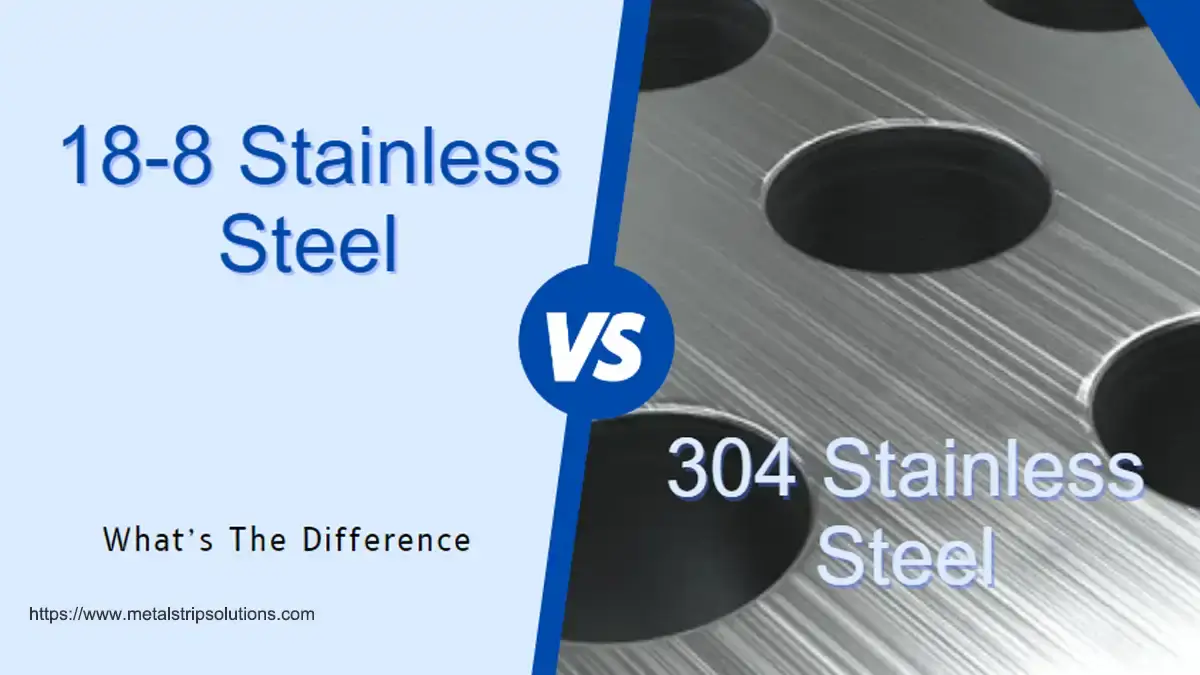
Hey there, metal mavens and kitchen kings and queens! Ever find yourself staring at a shiny new pot, a fancy knife, or maybe even your car's exhaust pipe, and wondering, "What in the tarnation is this stuff made of?" And then you spot it – a little inscription, maybe 18/8 or the slightly more mysterious 304. You squint, you tilt your head, you might even whisper it aloud like a secret code. And then the big question pops into your brain, right? "Are 18/8 and 304 stainless steel, like, the same thing?"
Well, grab yourself a comfy seat, maybe a cup of your favorite beverage (in a stainless steel mug, naturally!), because we're about to dive into the wonderful world of stainless steel, and I promise, it's going to be more fun than watching paint dry. Actually, it'll be way more fun than watching paint dry. Unless it's really interesting paint. But still!
So, let's get this stainless steel party started. Think of stainless steel as a superhero family. Most stainless steels are made by adding chromium to regular steel. Chromium is like the super-duper ingredient that makes steel resist rust and corrosion. It's basically like giving your steel a shiny, invulnerable shield. Pretty neat, huh?
Now, when we talk about 18/8 stainless steel, we're using a shorthand, a kind of "nicknamish" way to describe its composition. It's a bit like calling your best friend "BFF" instead of their full, proper name. What do those numbers actually mean, you ask? Well, it's not a secret handshake or a hidden riddle. It's actually quite straightforward!
The 18 in 18/8 refers to the approximate percentage of chromium in the alloy. So, we're talking about roughly 18% of that rust-fighting superhero ingredient. More chromium means a stronger, more resistant shield. It’s like… leveling up your armor!
And the 8? That refers to the approximate percentage of nickel. Nickel is another important player in the stainless steel game. It helps make the steel even more corrosion-resistant and also gives it that lovely, smooth, malleable quality. It's like giving your superhero a bit of extra flexibility and grace, so they can do cool superhero moves without cracking.
So, when someone says "18/8," they're basically saying, "Hey, this stainless steel has about 18% chromium and about 8% nickel." It's a quick and easy way for people in the know to communicate. Think of it as insider lingo for all you stainless steel enthusiasts out there!

Now, let's shift gears and talk about 304 stainless steel. This one sounds a bit more official, doesn't it? Like it’s got a badge or something. And in a way, it does! 304 is actually a grade designation. In the world of metals, there are different "families" or "series" of stainless steel, and within those, there are specific grades. It's like classifying different breeds of dogs – they're all dogs, but a Poodle is different from a Bulldog, right?
The 300 series of stainless steels are the austenitic ones. Don't let that fancy word scare you! Austenitic stainless steels are the most common and widely used type. They're known for their excellent corrosion resistance, good formability, and their ability to be used in a wide range of temperatures. They're the workhorses of the stainless steel world, the reliable ones who always get the job done.
And 304 is the rockstar of the 300 series. It's the most popular grade of stainless steel in the entire world. Seriously, it's everywhere! From your kitchen sink to your medical equipment, to your car parts – you name it, 304 is probably lurking around, looking all shiny and corrosion-free.
So, here’s the million-dollar question, the one that’s been tickling your brain: Is 18/8 the same as 304 stainless steel? Drumroll, please… Yes, in most practical terms, they are the same thing!

Mind. Blown. Right? It's like discovering your favorite comfort food is actually the same dish with a fancy French name. Delicious either way, but now you know!
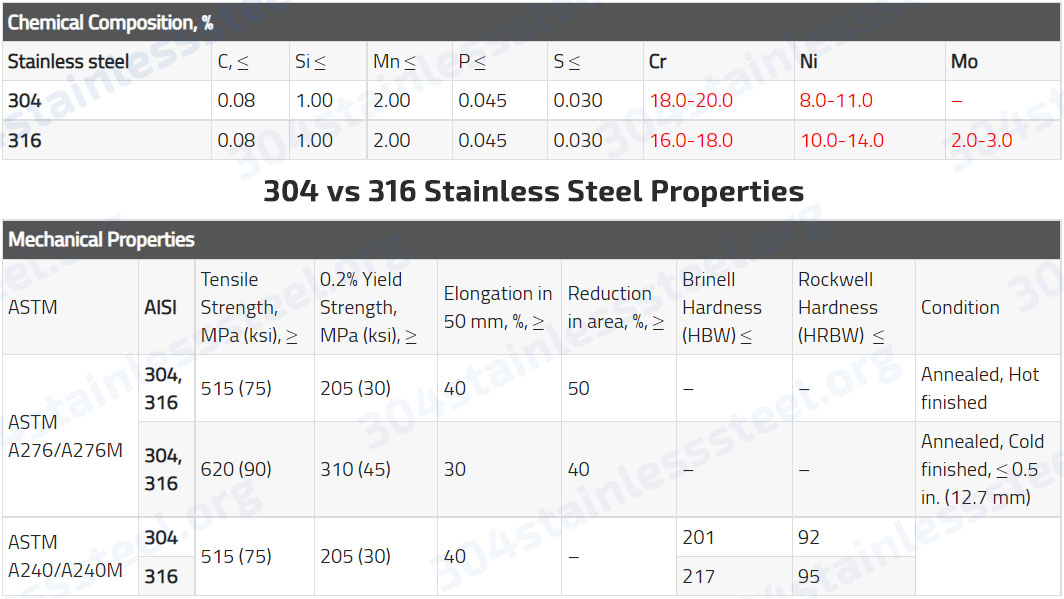
Why are they the same? Because the typical composition of 304 stainless steel falls squarely within the parameters described by 18/8. The exact chemical composition of 304 is usually around 18% chromium and 8% nickel, with other elements like carbon, manganese, and silicon present in smaller amounts.
So, when a manufacturer labels something as 18/8, they are usually referring to a stainless steel that meets the specifications for grade 304. It's a descriptive name that highlights the key alloying elements that give it its desirable properties.
Think of it this way: "18/8" is like saying "a golden retriever." It tells you the general look and feel. "304" is like saying "a purebred Golden Retriever, registered with the kennel club." It's a more specific, official classification that guarantees certain standards and qualities.
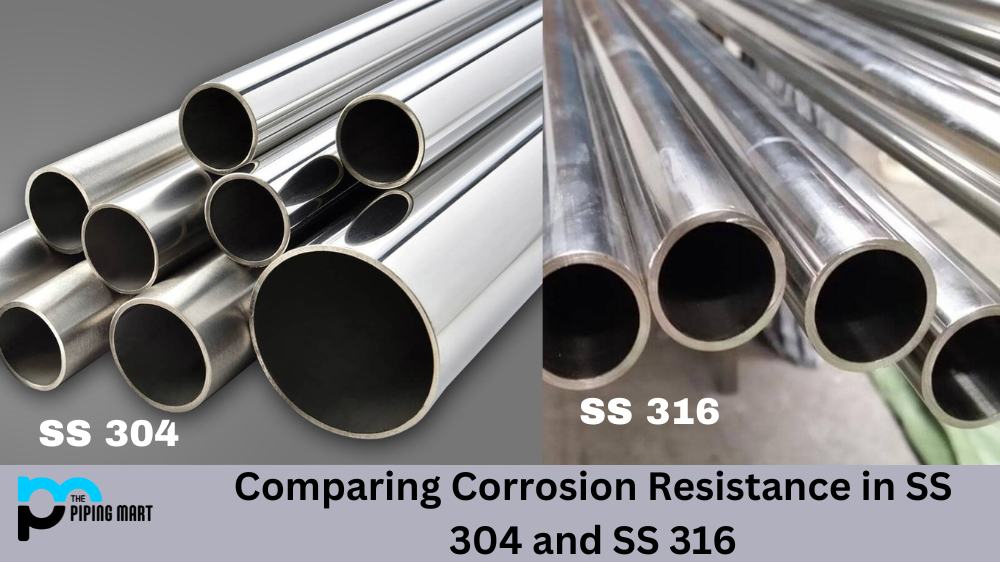
However, it's worth noting that sometimes, "18/8" can be a bit more of a general description. While it usually means 304, there might be some slight variations. For instance, some 18/8 might have a tiny bit more or less nickel or chromium, or slightly different amounts of other elements. But these variations are generally so minor that they don't significantly impact the performance or properties for everyday use.
The 304 grade designation, on the other hand, implies a adherence to a specific set of chemical and physical standards set by organizations like ASTM (American Society for Testing and Materials). So, when you see "304," you can be more confident that it's met those rigorous requirements.
But for your average kitchen utensil, your water bottle, or even that sleek car trim, the difference between a true 304 and a well-made 18/8 is practically negligible. You're getting the same excellent rust resistance, the same durability, and the same shiny appeal. So, you can stop worrying about whether your ladle is betraying you with a slightly different elemental blend.
It's kind of like when you're choosing between two very similar shades of blue paint. One might be called "Ocean Breeze" and the other "Deep Sea." They might have slightly different undertones, but from a distance, they both look like a beautiful, calming blue, right? And you're probably going to be happy with either one to paint your beach-themed room.
So, the next time you're shopping for stainless steel goods, you can feel smugly informed. You can look at a product labeled 18/8 and think, "Ah, yes, a lovely example of grade 304 in its casual attire!" Or you can see "304" and nod wisely, knowing you're getting the globally recognized standard of excellence.
It's all about the building blocks, the fundamental recipe that makes stainless steel so awesome. And that recipe, for both 18/8 and 304, is a harmonious blend of chromium and nickel, creating a material that stands strong against the elements and looks good doing it.
It’s fascinating, isn't it? How a few simple numbers can tell such a detailed story about a material? It’s like reading a secret language of the universe, but instead of unlocking ancient mysteries, you’re unlocking the secrets of your cookware. Which, let's be honest, is probably more useful on a daily basis.
So, there you have it! The mystery of 18/8 versus 304 stainless steel, solved! They're basically the same superhero, just with different nicknames depending on who's doing the talking. One is the friendly neighborhood description, and the other is the officially recognized superhero name.
And the best part? Whichever label you see, you can generally trust that you're getting a fantastic, durable, and corrosion-resistant material that will serve you well. So go forth, embrace your stainless steel treasures, and know that you've got the inside scoop. May your pots gleam, your knives stay sharp, and your everyday life be filled with the quiet confidence that comes from understanding the humble, yet mighty, stainless steel. Keep shining!