
Is Aluminum A Non Ferrous Metal
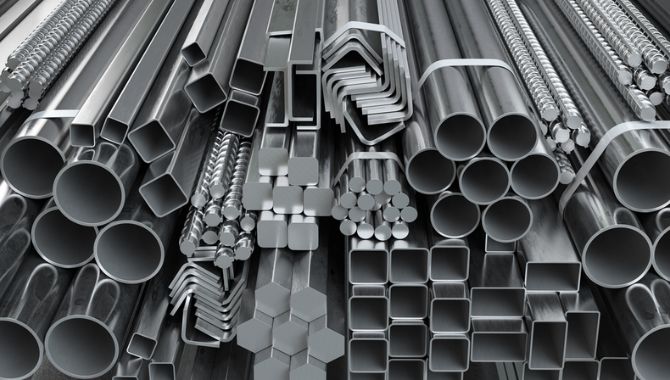
Ever wondered why your soda cans and airplane wings behave so differently? It all comes down to the fascinating world of metals, and today, we're diving into a question that might seem a bit technical but is actually super useful to know: Is aluminum a non-ferrous metal? Get ready for a lighthearted exploration of what makes this common material tick, and why understanding its classification can be surprisingly practical in your everyday life, from fixing a leaky faucet to appreciating the engineering marvels around you.
Unpacking the "Non-Ferrous" Secret
So, what's the big deal with "non-ferrous"? It's actually quite simple, and frankly, a little bit of a linguistic clue! The "ferrous" part of the word hints at its opposite: iron. Metals that are considered "ferrous" are those that contain iron, and this is where things get interesting. Iron is a key component in many strong, durable, and historically significant metals, like steel and cast iron. These have been the backbone of construction, tools, and machinery for centuries.
But what about our friend aluminum? Does it play in the same sandbox as iron? Nope! This is where the "non" in non-ferrous comes into play. Aluminum is indeed a non-ferrous metal. This means it's a metal that does not contain iron. This absence of iron gives aluminum a whole different set of characteristics, making it ideal for applications where iron-based metals might not cut the mustard (or, more accurately, rust away!).
Why Does This Classification Matter?
You might be thinking, "Okay, so aluminum doesn't have iron. Why should I care?" Well, understanding this distinction opens up a whole world of practical knowledge. Think about it:

- Rust Resistance: This is a big one! Ferrous metals, especially iron and steel, are notorious for rusting when exposed to moisture and air. They form that unsightly reddish-brown oxide. Aluminum, on the other hand, forms a protective oxide layer that actually prevents further corrosion. This is why aluminum is so fantastic for outdoor furniture, gutters, and even boat hulls. You won't see your aluminum patio chairs turning into rusty heaps after a summer shower!
- Weight: Aluminum is significantly lighter than most ferrous metals. For every pound of steel, aluminum is roughly one-third the weight. This is a game-changer for industries like aviation and automotive manufacturing. Think about how much fuel it saves to fly lighter planes or drive lighter cars!
- Electrical Conductivity: Aluminum is an excellent conductor of electricity, second only to copper. This makes it a popular choice for electrical wiring, especially in overhead power lines where its lightweight nature is also a huge advantage.
- Malleability and Ductility: Aluminum is incredibly easy to shape. It can be drawn into thin wires, hammered into thin sheets, and cast into complex shapes. This makes it versatile for countless manufacturing processes, from crafting intricate jewelry to forming the sleek bodies of electronics.
- Recyclability: Aluminum is one of the most recyclable materials on the planet. Recycling aluminum uses a fraction of the energy required to produce it from raw ore. This makes it a very sustainable choice, which is increasingly important in our eco-conscious world. Your soda can could be back on the shelf as a new can in as little as 60 days!
Where You'll Find Our Non-Ferrous Friend
The benefits of aluminum being non-ferrous translate into its widespread use. You've encountered it countless times today without even realizing it!
Think about your kitchen: From your baking sheets and foil wrap to pots and pans, aluminum is a culinary staple. Its even heating properties and non-reactive nature make it perfect for cooking.
Ferrous vs non ferrous metal recycling - GME Recycling

And outside the kitchen?
- Construction: Window frames, siding, roofing, and structural components in some buildings utilize aluminum's strength and corrosion resistance.
- Transportation: As mentioned, airplanes are famously made from aluminum alloys due to their high strength-to-weight ratio. Cars, trains, and even bicycles benefit from its lightness.
- Electronics: The casings of your smartphones, laptops, and other gadgets often feature aluminum for its sleek look, durability, and heat dissipation properties.
- Packaging: Beyond soda cans, aluminum is used for food containers, flexible packaging, and pharmaceutical blister packs.
The Verdict Is In!
So, to put it simply and definitively: yes, aluminum is a non-ferrous metal. This classification isn't just a dusty old textbook fact; it's the key to understanding why aluminum is so prevalent, useful, and frankly, pretty darn amazing in our modern world. Next time you admire the shine of a polished aluminum surface or effortlessly lift a light aluminum product, you'll know that its "non-ferrous" nature is working its magic!