
Is Aluminum Foil A Conductor Of Electricity

Remember that time you were trying to wrap leftovers, and that super thin sheet of aluminum foil just… wouldn't cooperate? It was like a rebellious teenager, crinkling and tearing in all the wrong places. Maybe you were wrestling with it, muttering under your breath, when suddenly, zap! Okay, maybe not a zap in the literal sense, but I’ve had those moments where I’ve wondered if I was about to get a mild shock from the sheer static cling of the stuff. It got me thinking, and with a healthy dose of kitchen-based curiosity, I decided to delve into the electrifying question: is aluminum foil a conductor of electricity?
Because let’s be honest, we use this stuff for everything, don’t we? From keeping our delicious baked potatoes warm to creating those impromptu little bowls for rogue onion bits while chopping. It’s practically a kitchen superhero. But what happens when this culinary chameleon meets a more… electrifying environment? Is it just a flimsy wrapper, or does it have some hidden talents?
So, let’s break it down. What even is a conductor of electricity? In simple terms, it's anything that allows electric current to flow through it easily. Think of metals – they’re generally pretty good at this. They’ve got these tiny little things called free electrons zipping around, and when you apply a voltage, these electrons get nudged along, creating that flow we call electricity. It’s like a tiny, organized parade of charged particles.
Now, aluminum. What’s the deal with aluminum? Well, that silvery-shiny metal that makes up our trusty foil? It's actually a metal, and metals, as we just established, are usually pretty good conductors. This is because, just like other metals, aluminum atoms have those free electrons that are just waiting for a chance to move.
So, based on this basic science 101, the answer seems like a resounding YES. Aluminum foil is a conductor of electricity. It’s not the best conductor out there – copper and silver usually take the gold medal in that race – but it’s definitely in the game. It allows electric current to pass through it. Pretty neat, right?
But wait a minute. If it's such a good conductor, why aren't we seeing people wrapping their entire houses in foil to power their appliances? Or using it for intricate electrical wiring? There must be more to this story than just "it conducts electricity." And you’d be absolutely right to ask that!
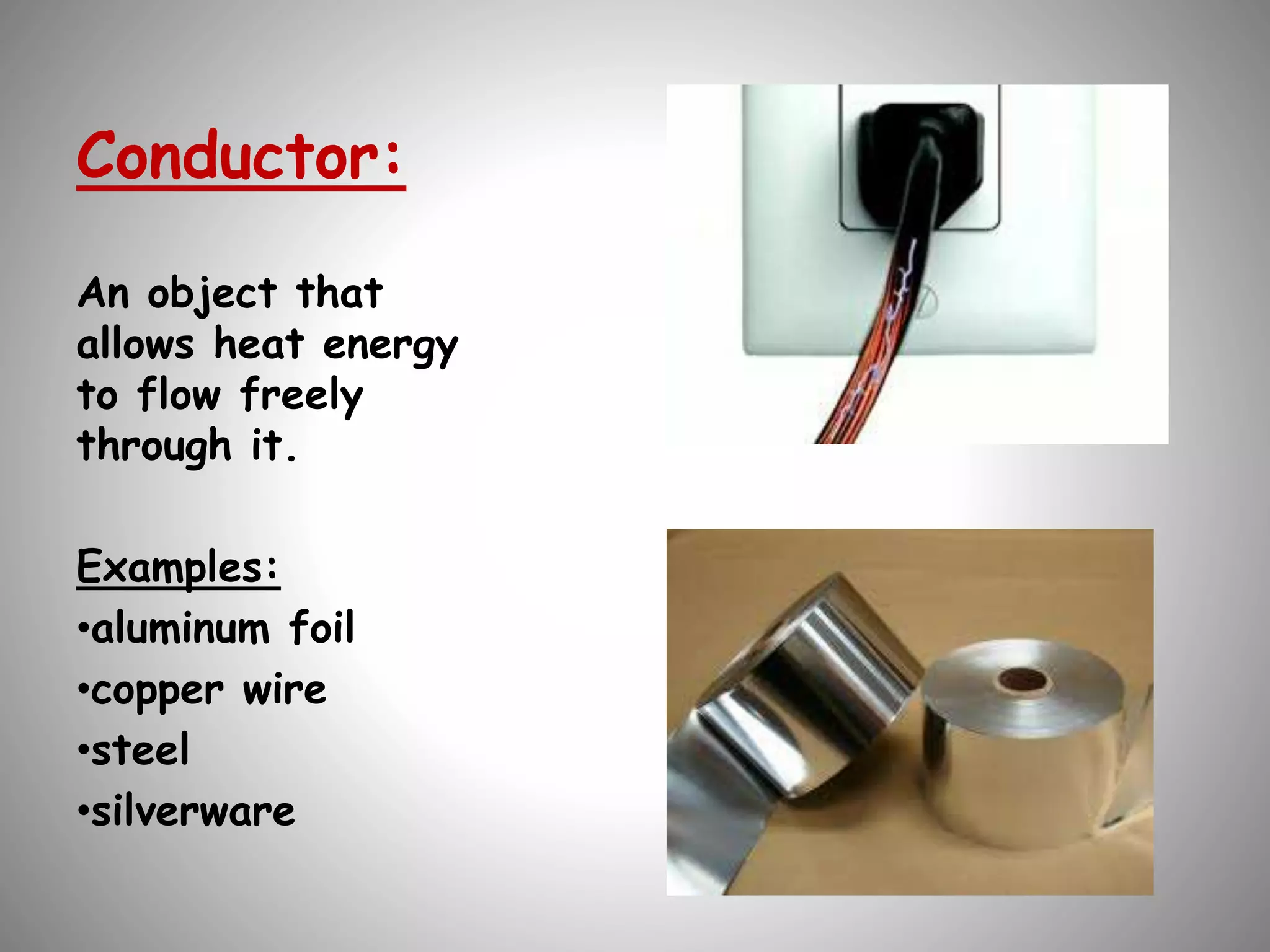
One of the biggest factors is the thickness of the foil. That kitchen foil you’re using? It's incredibly thin. We’re talking about fractions of a millimeter. This means that while the aluminum itself can conduct electricity, the path for that electricity is really, really short and incredibly narrow. Imagine trying to get a massive amount of water through a tiny, almost invisible straw. It's going to restrict the flow, right?
This thinness means that aluminum foil has a higher resistance than, say, a thick copper wire. Resistance is basically the stuff’s opposition to the flow of electricity. The higher the resistance, the harder it is for electricity to get through, and the more energy gets lost as heat. So, while it can conduct, it's not exactly the most efficient conductor for carrying large amounts of current over any significant distance.
Think about those times you’ve accidentally poked a hole in the foil while wrapping a pie. If you’re dealing with a significant electrical current, that little hole is a problem. It creates a point of weakness, and the electricity might try to find a different, potentially more dangerous, path. Or, if the current is strong enough, it could cause that thin foil to heat up rapidly and even melt or ignite. Not ideal for your kitchen, or anywhere else, really.

So, while you won't be upgrading your home’s wiring with Reynolds Wrap anytime soon, the conductivity of aluminum foil still has its… interesting applications. Have you ever seen those survival shows where people use foil for signaling? That’s because its shiny surface can reflect sunlight, but it’s also a conductor that can be used in some rudimentary ways to complete a circuit, if you’re in a bind and know what you’re doing.
The Kitchen and Beyond: Where Conductivity Matters
Let’s bring it back to the kitchen. Besides wrapping food, where else might aluminum foil’s conductivity play a role, even indirectly? Well, think about your microwave. You're probably told never to put metal in the microwave, right? And aluminum foil is a prime example of why. The rapid heating and arcing that can occur are a direct result of the foil’s conductive properties interacting with the microwave’s electromagnetic radiation.
It’s like a tiny metal trap inside your microwave. The microwaves bounce off the foil, causing those frustrating and potentially dangerous sparks. This is because the electric fields generated by the microwaves can induce currents within the foil, and these currents can become concentrated at sharp edges or points, leading to electrical breakdown and arcing. So, while it’s a conductor, it’s a conductor that’s best kept out of the microwave!
On the flip side, there are some clever uses for its conductivity in a more controlled environment. For instance, some people use small pieces of aluminum foil to create makeshift shielding for sensitive electronic components when working on projects. It’s not professional-grade, of course, but it can offer a basic level of electromagnetic interference (EMI) shielding. It's kind of like creating a little Faraday cage, albeit a very basic and temporary one.

And then there's the scientific and industrial side. Aluminum is used extensively in electrical applications, just not usually in the paper-thin form we find in our kitchens. Thick aluminum wires are used for power transmission lines because they are lighter and cheaper than copper, although they have higher resistance. So, the material itself is definitely a player in the world of electricity.
So, is it a conductor? Absolutely. Is it the best conductor for all jobs? Nope.
It's all about context, isn't it? The same material can be brilliant in one situation and a hazard in another. It's like a Swiss Army knife – great for a lot of things, but you wouldn't use the tiny screwdriver to build a house. Aluminum foil is fantastic for keeping your lasagna warm, but it’s a definite no-fly zone for your microwave.

The takeaway here is that while aluminum foil is made of a conductive material, its extreme thinness significantly impacts how it behaves with electricity. It can conduct, but with limitations. It has higher resistance, and the risk of damage or danger increases with higher currents or specific applications like microwave ovens.
Think of it as a shy conductor. It’s willing to participate, but it’s a bit delicate and prefers to stick to its designated roles. It’s not going to be powering your entire neighborhood, but it’s definitely not an insulator either. It sits somewhere in the middle, and understanding that is key to using it safely and effectively in the kitchen and beyond.
Next time you're wrestling with that roll, remember its hidden electrical talents – and its limitations. Maybe you'll look at that crinkly sheet a little differently, with a newfound respect for its metallic nature. And whatever you do, keep it away from the microwave. Your appliances will thank you!
It’s a good reminder that even the most mundane household items have fascinating scientific properties if you just take a moment to wonder about them. Who knew that something you use to wrap your sandwiches could be a topic of electrifying discussion? The world is full of surprises, and sometimes, they're right there in your kitchen drawer.