
Is Blessed Thistle And Milk Thistle The Same

Ever found yourself staring at two bottles of herbal goodness in the health food store, both looking vaguely similar and whispering promises of wellness? You might be wondering, "Are Blessed Thistle and Milk Thistle basically the same thing?" It's a question that pops up more often than you'd think, and the answer is a fun little botanical puzzle!
Think of it like this: they're both members of the same big plant family, the Asteraceae. This is the same family that gives us sunflowers and daisies. So, they share some family resemblances, but they are definitely not identical twins.
Let's start with the star of the show, the one you probably hear about most: Milk Thistle. Its scientific name is Silybum marianum. This plant is pretty striking with its large, spiky leaves that often have white markings, looking like little milk splashes. That's where the "milk" part of its name comes from!
The real magic in Milk Thistle comes from a compound called silymarin. This is the superstar ingredient that people often talk about when they're looking to support their liver health. It's like the Beyoncé of the thistle world for liver care, commanding attention and getting things done.
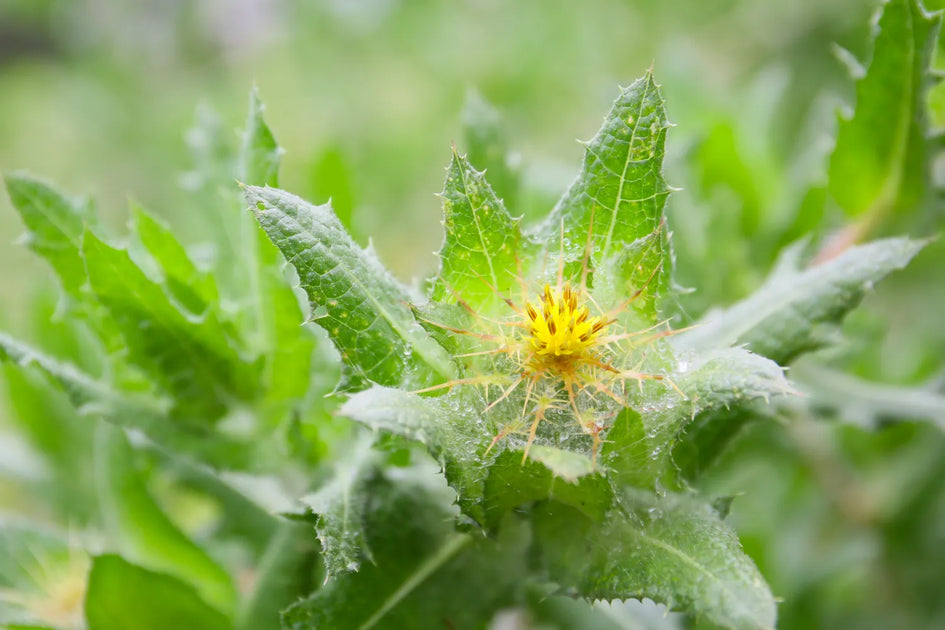
Now, let's turn our attention to its cousin, Blessed Thistle. Its scientific name is Cnicus benedictus. As you can probably guess from the name, it has a long history of being considered a "blessed" or "holy" herb, used for all sorts of remedies. It's got a more delicate appearance, with smaller, spikier leaves and pretty yellow flowers.
So, while they both have "thistle" in their name, and both have been used for medicinal purposes for ages, their chemical makeup and their primary uses are quite different. It’s like comparing a trusty sedan to a zippy sports car – both get you places, but in their own unique way.
One of the biggest distinctions is their main area of focus. Milk Thistle is overwhelmingly recognized for its powerful liver-protective properties. It’s the go-to for many when it comes to supporting liver function and regeneration. Imagine your liver as a hardworking factory; Milk Thistle is like the dedicated manager ensuring everything runs smoothly.

Blessed Thistle, on the other hand, has a more diverse resume of traditional uses. It's often associated with digestive health. People have used it to help stimulate appetite, ease indigestion, and even as a mild laxative. It’s also historically been used to promote milk production in nursing mothers, adding another layer to its "blessed" reputation.
Think of the active compounds. For Milk Thistle, it's all about that silymarin complex. For Blessed Thistle, the key players are different, including compounds like cnicin and various flavonoids. These are like the unique superpowers that give each plant its special abilities.
So, when you're browsing those herb aisles, remember this fun fact: they might look a little alike at first glance, but their stories and their strengths are distinct. It's like meeting two people with the same last name – you know they're related, but they have their own personalities and life paths.
Why does this matter? Because if you're looking for liver support, you'll want to reach for the bottle clearly labeled Milk Thistle. If you're interested in a little digestive cheer or supporting your milk supply, Blessed Thistle might be the one to explore. Using the right herb for the right purpose is key to unlocking their full potential.
It's kind of like choosing the right tool for a job. You wouldn't use a hammer to tighten a screw, right? Similarly, you wouldn't want to mistakenly grab Blessed Thistle when you're really aiming for the liver benefits of Milk Thistle.
The history of these plants is fascinating too. Both have been around for centuries, woven into the fabric of traditional medicine across different cultures. Herbalists have relied on their unique properties long before modern science came along to investigate them.
Imagine ancient healers carefully observing these plants, noticing their effects on the human body and passing down their knowledge. It adds a sense of wonder and respect to these humble herbs.
Milk Thistle, with its prominent white markings on the leaves, was often linked to the Virgin Mary. The story goes that a drop of her milk fell on the leaves, creating those distinctive white veins. This mystical association helped cement its status as a revered medicinal plant.
Blessed Thistle, as its name implies, was also viewed with great esteem. It was believed to have a wide range of healing powers, hence the "blessed" moniker. Its ability to aid digestion and its general restorative properties made it a valuable addition to many herbal remedies.

The fact that both are called "thistle" is a testament to their shared spiky appearance. They are indeed prickly characters in the plant kingdom! But don't let their sharp edges fool you; beneath that tough exterior lies a world of beneficial compounds.
So, the next time you see these two herbs side-by-side, you can smile, knowing their little botanical secret. They're not the same, but they're both valuable members of the plant kingdom, each with its own special gift to offer.
It’s this kind of botanical nuance that makes exploring the world of herbs so interesting. It's a journey of discovery, where every plant has a unique story to tell and a particular talent to share.
Have you ever tried either of them? If you're curious, this is your gentle nudge to perhaps do a little more digging, or maybe even chat with a knowledgeable herbalist or healthcare provider about whether they might be a good fit for you.

Remember, while herbs have been used for a long time, it's always a good idea to be informed. Understanding the difference between Blessed Thistle and Milk Thistle is a great first step in appreciating their individual roles.
So, to wrap it up in a friendly way: Milk Thistle is your liver’s best bud, thanks to silymarin. Blessed Thistle is your digestive buddy and has a history of supporting new mothers.
They're cousins, not twins. Both are super cool in their own right. Keep an eye out for them, and maybe, just maybe, they’ll spark your curiosity even further!
The world of natural remedies is vast and wonderful. It’s always an adventure to learn about the plant allies that have supported human health for millennia. Cheers to exploring more!