
Is Carbon Fiber A Metal
/GettyImages-184319274-58ddb5a05f9b5846836e7fda.jpg)
Alright, gather 'round, you magnificent collection of carbon-based lifeforms, and let's talk about something that sounds like it belongs in a sci-fi movie but is actually all around us – carbon fiber. Now, the burning question, the one that keeps engineers up at night and your Uncle Barry guessing at Thanksgiving dinner: is carbon fiber… a metal? Buckle up, buttercups, because the answer is more fun than you might expect.
Imagine you're at a fancy cocktail party. The conversation is a bit dry, lots of talk about bonds and atomic structures. Suddenly, someone whips out a sleek, black bicycle frame. "Ooh, carbon fiber!" exclaims someone else, their eyes wide with admiration. And then, the inevitable question pops up, usually mumbled by someone who’s had a bit too much bubbly: "But… is it metal?"
Let's get this out of the way, folks. In the grand, chaotic, sometimes baffling, world of materials science, carbon fiber is emphatically not a metal. Not even a little bit. If you try to convince a metallurgist that carbon fiber is metal, they might just spontaneously combust from sheer exasperation. Or, at the very least, offer you a cup of tea and a very patient, yet firm, explanation.
So, what is this stuff, then? Think of it like this: metals, like iron or aluminum, are made of atoms that have a particular way of arranging themselves. They're all sort of… holding hands in a big, metallic party. This "sea of electrons" is what gives metals their fantastic conductivity – why your toaster gets hot and your smartphone hums with life. Carbon fiber, on the other hand, is the eccentric artist at that same party, wearing a beret and muttering about "molecular structures."
Carbon fiber is essentially made from… well, carbon. Shocking, I know! We’re talking about the same element that makes up your pencil lead (graphite) and, of course, us. But this isn't your average, everyday carbon. This is carbon that’s been put through the wringer, stretched and heated until it’s practically begging for mercy, and then coaxed into forming these incredibly long, thin strands. We’re talking about strands that are thinner than a human hair. Seriously. You could fit a lot of carbon fiber strands on the head of a pin, and still have room for a tiny picnic.
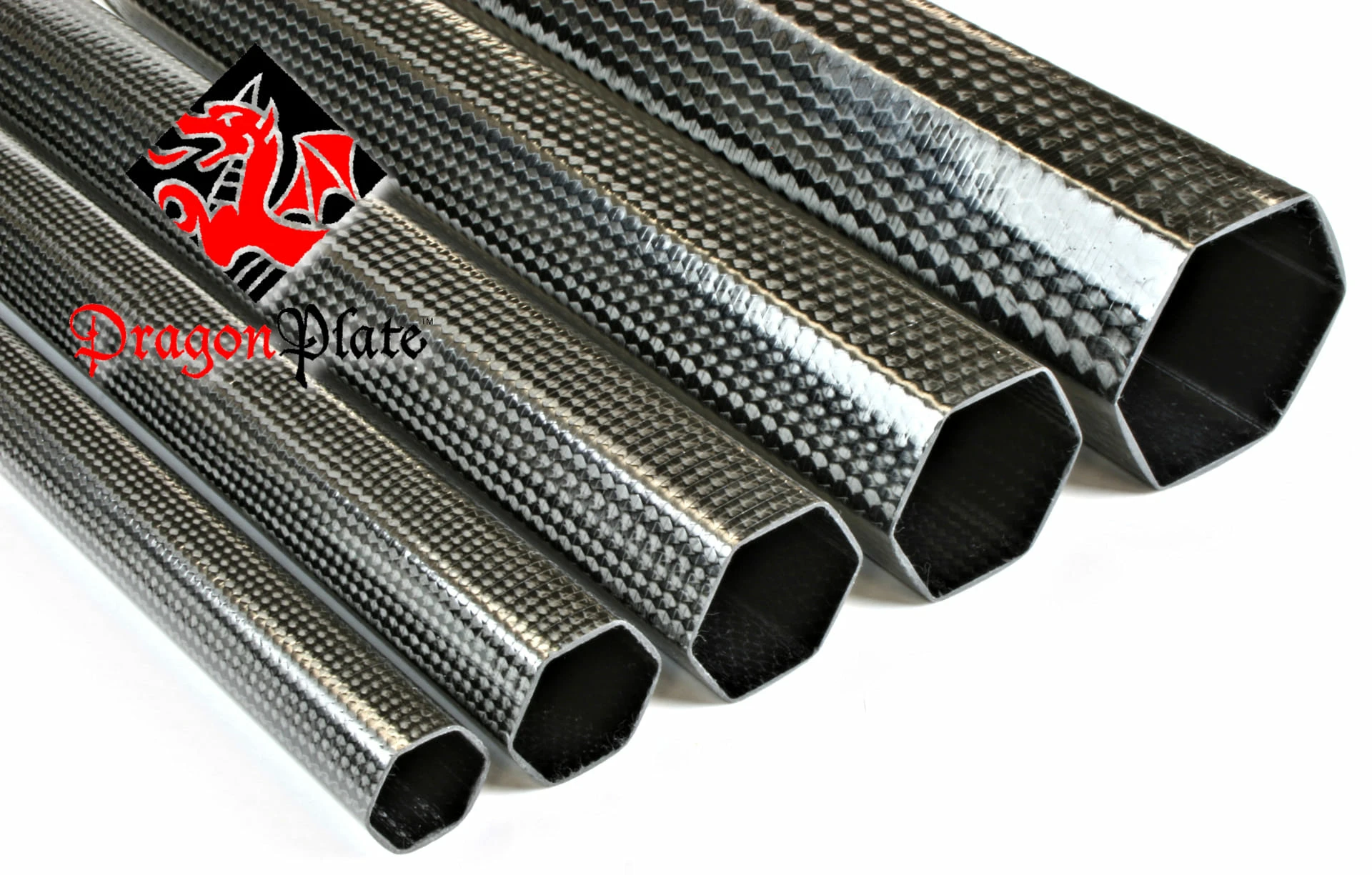
These super-fine carbon threads are then woven together, like a very fancy, very strong fabric. Imagine weaving with threads made of pure stubbornness and tensile strength. That’s carbon fiber for you. This woven material is then usually embedded in a resin, a kind of super-glue, which hardens and holds everything in place. The result? A material that’s incredibly strong, remarkably lightweight, and has the kind of stiffness that would make a ballet dancer weep with envy.
Why is this important? Because it’s the exact opposite of what most metals do. Metals are generally heavy. Think about trying to lift a cast iron skillet versus a carbon fiber frying pan. One will give you Popeye arms, the other might make you wonder if you forgot to put it on the stove. Metals are also pretty good at conducting electricity and heat. Carbon fiber? Not so much. It’s more of an insulator, which is why you won't find it being used to wire your house. Though, imagine a house with carbon fiber wiring – it would probably be really quiet.
Let’s dive into some of the surprising facts that make carbon fiber so darn cool, and why it often gets mistaken for something it’s not. Because, let's face it, it's black, it's sleek, and it's often found in high-performance things. That sounds like a sports car, right? And sports cars are full of metal. This is where the confusion starts, like trying to figure out if a cat in a business suit is actually a dog.
Here's a fun one: carbon fiber is actually stronger than steel, pound for pound. Yes, you read that right. A piece of carbon fiber the same weight as a piece of steel can withstand significantly more force before it breaks. It's like the difference between a dainty teacup and a superhero’s shield. This is why it’s become the darling of the aerospace industry, the cycling world, and even makes its way into fancy golf clubs. You want to fly? You want to go fast? You want to hit that ball really far? Carbon fiber is your friend.
But here’s the kicker, the punchline, the bit that makes you go "Huh?": carbon fiber can be made conductive. Wait, what? Didn't I just say it’s an insulator? Well, sort of. While standard carbon fiber isn't going to power your city, clever scientists can tweak its properties. They can, for instance, impregnate it with certain materials or modify its surface. This means you can have carbon fiber that’s not only strong and light but can also carry an electrical current. It’s like finding out your quiet librarian friend is secretly a black belt in karate. Unexpected and impressive!

So, why the metal confusion? It’s probably because of its appearance and its reputation for performance. It’s black. It’s shiny when polished. And it’s almost always associated with things that are expensive and cutting-edge. If something looks like it belongs on a Formula 1 car, and Formula 1 cars are full of metal, the brain makes a leap. It's the same reason some people think a really convincing robot is actually a person. The similarities are there, but the fundamental nature is different.
Think about it like this: a diamond and a lump of coal are both made of carbon. They are, in essence, cousins. But you wouldn't try to wear a lump of coal as a dazzling engagement ring, would you? Carbon fiber and metals are much further apart on the family tree. They have different elemental makeup, different atomic structures, and therefore, completely different properties.
In summary, my friends, carbon fiber is a composite material. It’s a superhero team-up of carbon atoms and a bonding agent, not a single metallic element chilling out in its own metallic party. It's a testament to human ingenuity, taking something as basic as carbon and turning it into something extraordinary. So, the next time you see that sleek black component, whether it's on your bike, in your car, or even in a high-tech drone, you can confidently say, "That, my friends, is not metal. That is pure, unadulterated, mind-blowingly awesome carbon fiber!" And if anyone argues, just offer them a cup of tea. They probably need it.