
Is Galvanized Square Steel Strong
Hey there! So, you're wondering about galvanized square steel, huh? Like, is it actually, you know, strong? It's a totally valid question, especially if you're building something. We all want stuff that doesn't just fall apart, right?
Think of it like this: you're at the hardware store, or maybe scrolling online, and you see all these different kinds of metal beams and rods. And there's this one that's all shiny and, well, galvanized. What's the deal with that coating, anyway? Does it make it super tough, or is it just for show? Let's dive in, shall we?
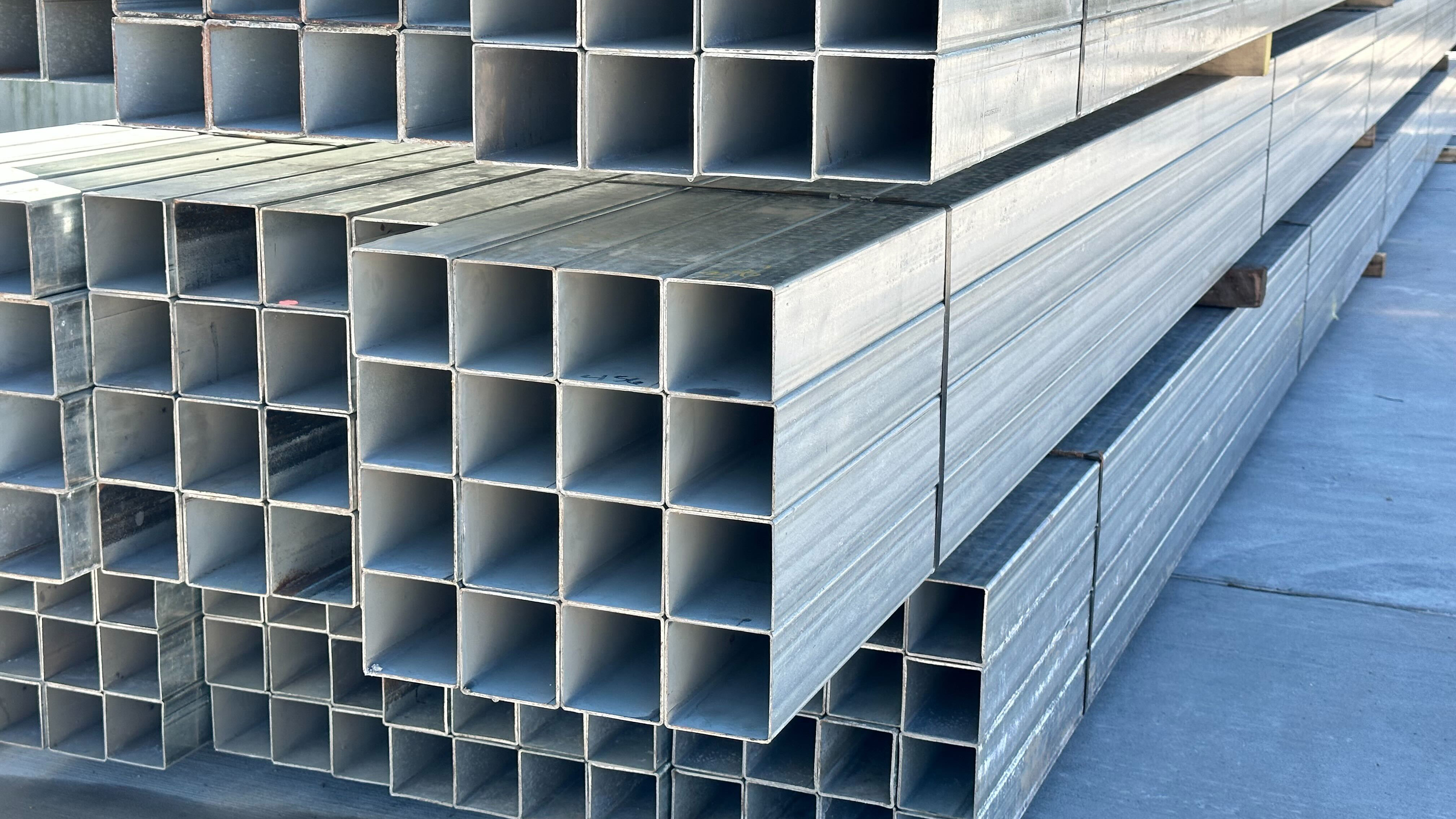
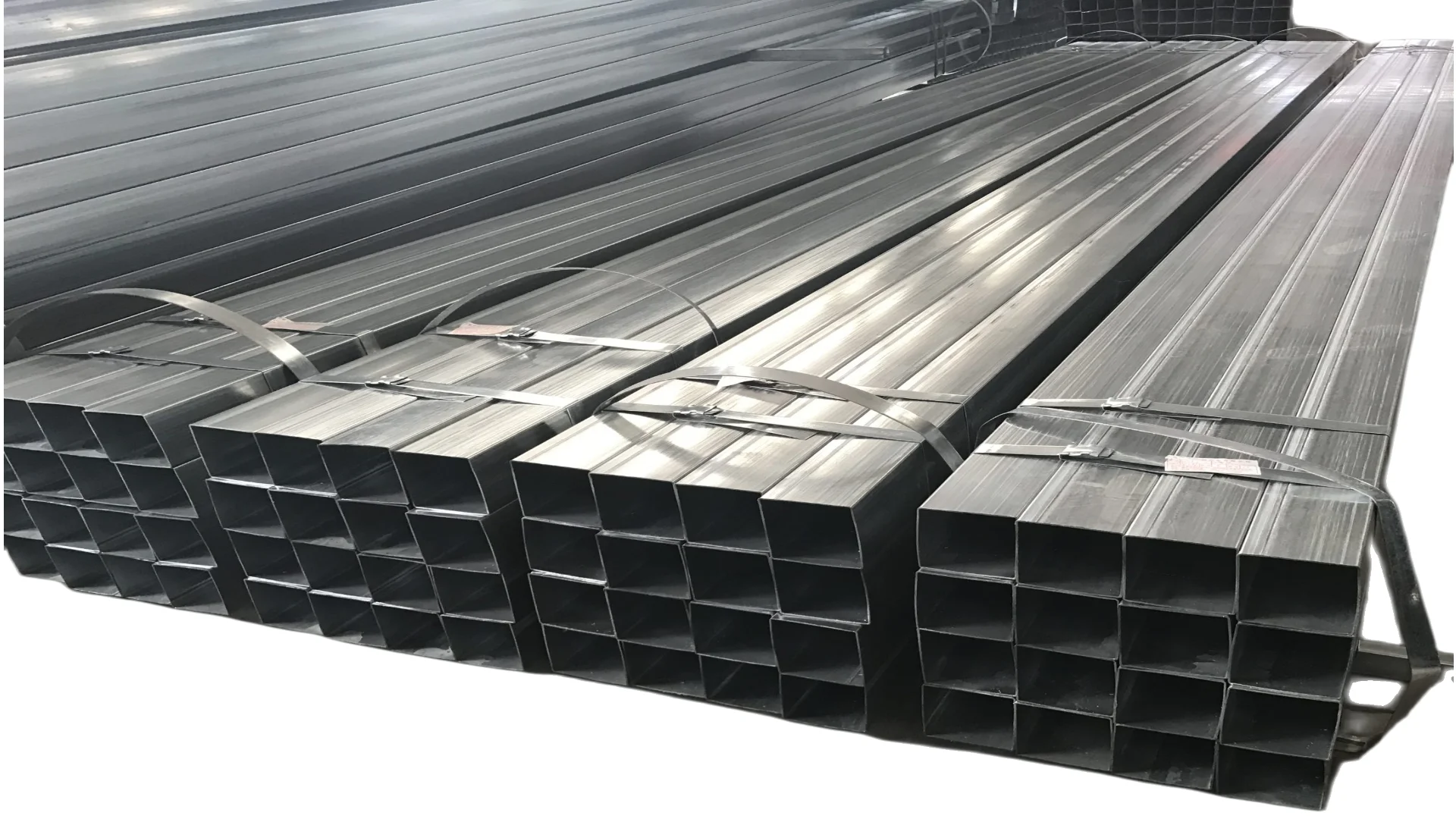
First off, what is galvanized square steel? It's basically just regular steel, usually made from iron and carbon, shaped into a perfect square tube. Think of a really sturdy, hollow box, but made of metal. Pretty neat, right?
Now, the "galvanized" part. That's where the magic – or at least, the science – happens. It means the steel has been dipped in molten zinc. Yep, hot, melty zinc! This creates a protective coating. It's like giving your steel a superhero suit, but instead of a cape, it’s made of zinc.
So, is this zinc coating going to make your square steel beam a superhero? Well, not exactly super strength in the way a comic book character is strong, but it's definitely going to be tougher. And in a lot of ways, that's even better for practical applications.
What do I mean by "tougher"? I mean it's way better at resisting things that would normally make regular steel a bit sad and rusty. You know, like rain. And snow. And that general dampness that seems to cling to everything in some places. Ugh, humidity!
See, regular steel, left to its own devices, will start to rust. It's like a natural process, but not one we usually want happening to our building materials. Rust is basically the steel getting old and crumbly. Not a good look.
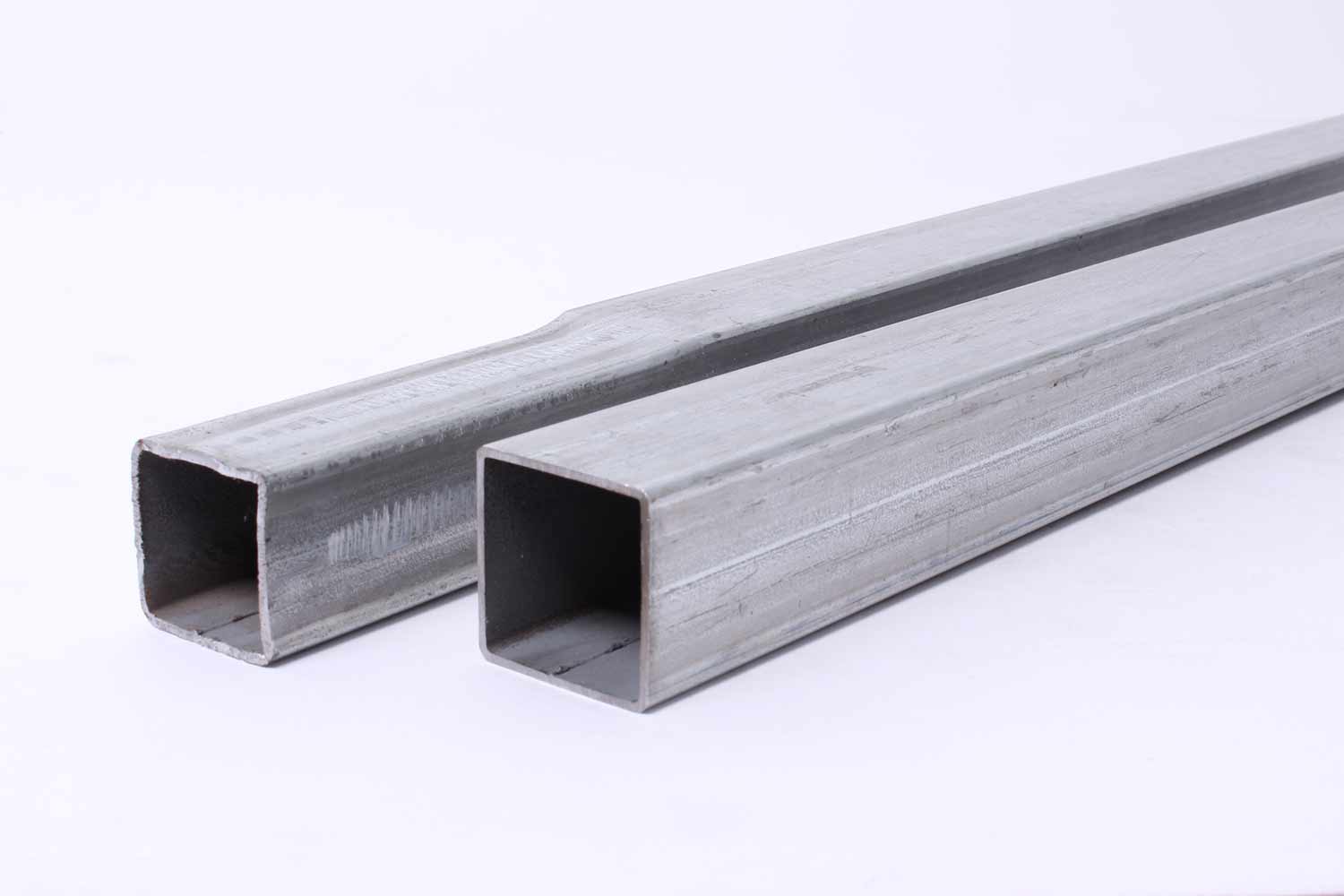
The zinc coating acts as a shield. It’s a sacrificial shield, which is a fancy way of saying the zinc will corrode before the steel does. So, as long as there's zinc there, your steel is pretty much safe and sound. It's like the zinc is saying, "Don't worry about me, I've got this!" before it starts to wear down. Kind of noble, don't you think?
This makes galvanized square steel incredibly useful outdoors. Think about fences, decks, pergolas, even structural supports for things like sheds or greenhouses. Stuff that's going to be exposed to the elements needs to be able to handle it. And galvanized steel? It can handle it.
So, what about its actual strength?
Let's talk numbers for a sec, but don't worry, we'll keep it light. Steel, in general, is known for its incredible strength. It can handle a lot of weight and pressure. Think of skyscrapers, bridges, even those massive cranes you see at construction sites. That's all steel doing the heavy lifting. And our humble square steel is no different.
The strength of steel is often measured in terms of its yield strength and tensile strength. Sounds a bit technical, right? But basically, yield strength is how much force it can take before it starts to bend permanently. Tensile strength is how much force it can take before it snaps. Steel, in general, has very high numbers for both of these.
Now, the galvanizing process itself doesn't fundamentally change the inherent strength of the steel. The steel is still steel. The zinc coating is just that – a coating. It doesn't magically turn your steel into vibranium or anything.
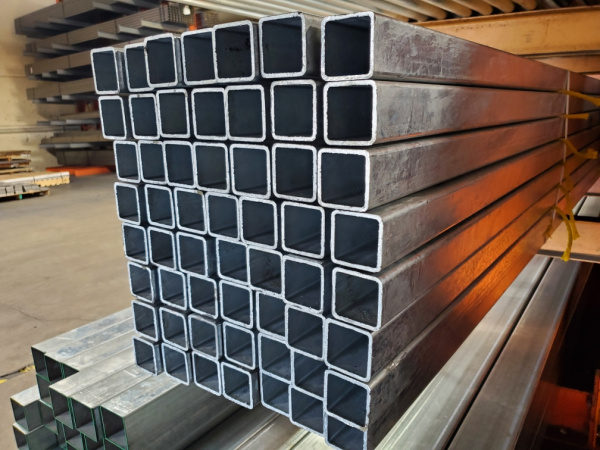
However, because the galvanizing protects the steel from corrosion, it means the steel retains its strength over a much longer period. A piece of ungalvanized steel might start to lose some of its structural integrity as it rusts. The rust eats away at it, weakening it bit by bit. But galvanized steel, by resisting that rust, stays strong for much, much longer.
So, in a roundabout way, the galvanizing contributes to its usable strength in the real world. It's like a well-maintained car. A car might have a powerful engine, but if it's falling apart from neglect, that engine's power doesn't matter much. Galvanized steel is the well-maintained car of the metal world!
But is it as strong as solid steel?
That's another good question. Because galvanized square steel is a hollow tube, it’s not going to be as strong as a solid steel bar of the same dimensions. Think of biting into a chocolate bar versus a hollow chocolate Easter bunny. The solid bar is going to have more chocolate, right? More material means more strength.
However, the hollow design is often a benefit. It makes the steel lighter, which can be a big deal when you're trying to move it around or assemble things. Plus, for many applications, a hollow tube is perfectly strong enough. It distributes the load efficiently.
Imagine a bridge made of solid steel bars. It would be incredibly heavy and probably way overkill for most bridges. But using hollow square tubes allows engineers to build strong structures without using excessive amounts of material. It's a smart use of resources, really.
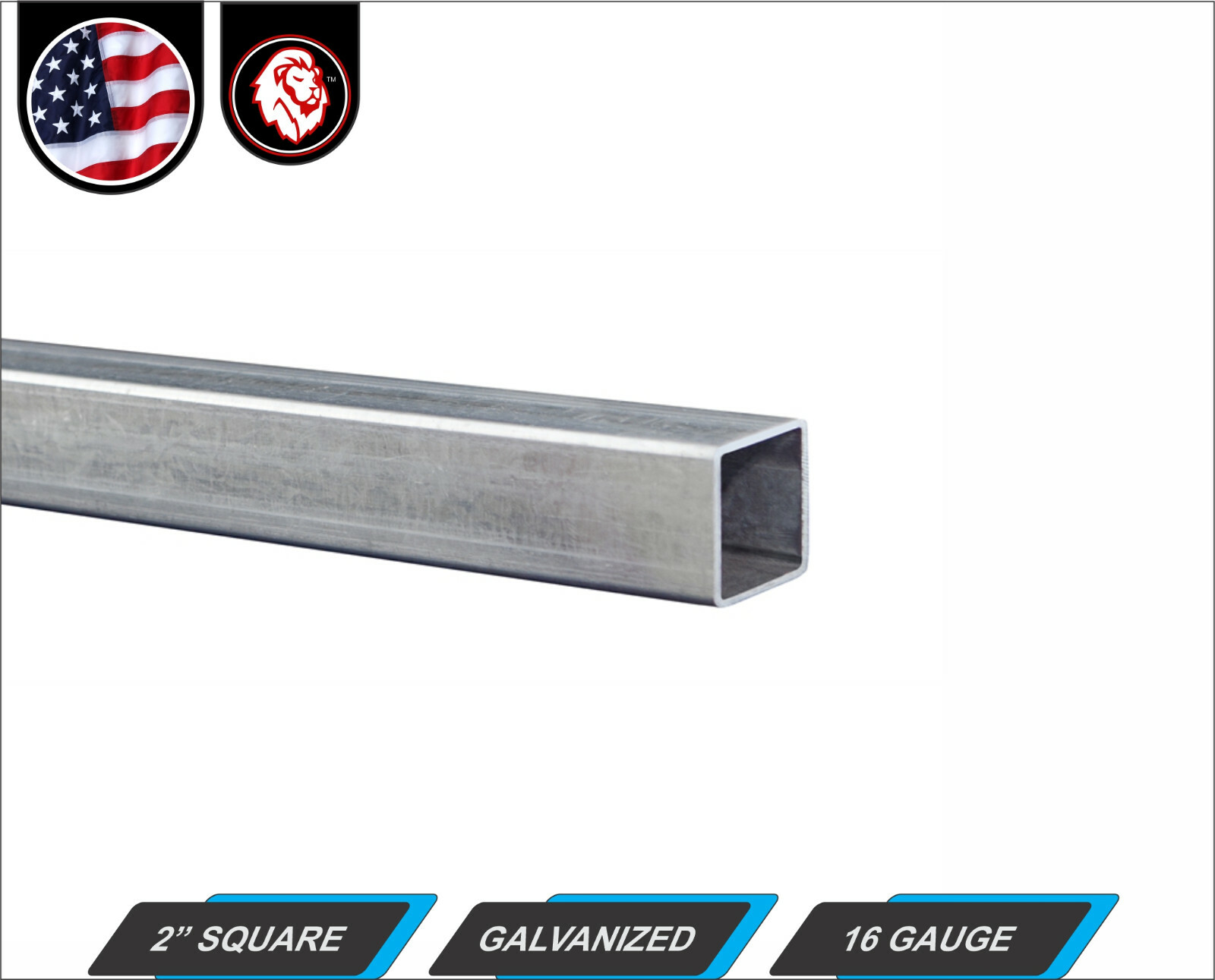
So, you're getting a good balance of strength, weight, and cost-effectiveness with galvanized square steel. It's not trying to be a solid steel behemoth; it's optimized for its purpose. And for a huge number of projects, that optimization is exactly what you need.
When isn't it the strongest option?
Okay, let's be honest. If you're building something that needs to withstand extreme forces, like the main structural beam of a skyscraper or the hull of a submarine, you're probably going to be looking at solid steel, or specialized steel alloys, designed for those incredibly demanding environments. There's no substitute for pure mass and material science when you're talking about those kinds of loads.
And if you're working in an environment that's extremely corrosive, beyond just normal outdoor exposure, you might need something even more specialized, like stainless steel. Stainless steel has chromium in it, which forms a super-duper protective layer. But, oh boy, does it come with a price tag! Ouch. Galvanized steel is usually a much more budget-friendly superhero.
Also, remember that the zinc coating can be damaged. If you're going to be welding it a lot, or if it's going to be subjected to a lot of abrasion, you might scratch or chip away the zinc. Once that protective layer is compromised, the steel underneath is more exposed to the elements. So, you might need to touch up those spots with some specialized paint.
But for the vast majority of common uses, that galvanized coating is going to do its job admirably. It's like a good quality raincoat. It's not going to save you from a tsunami, but for a regular rainy day? Absolutely perfect!
So, to wrap it all up…
Is galvanized square steel strong? Yes, absolutely! It's strong enough for a vast array of projects, and its strength is enhanced by its excellent resistance to corrosion. It’s a workhorse, a reliable friend for your outdoor builds and structural needs.
It offers a fantastic combination of strength, durability, and affordability. It’s not pretending to be something it’s not. It’s a practical, resilient material that gets the job done, and gets it done well, for a long, long time.
Think about that fence you want to build, or that little platform in your garden. Galvanized square steel will be there, looking good and holding strong, while other materials might be succumbing to the elements. It’s like the sensible, dependable choice in a world of flimsy fads.
So next time you see that shiny, square steel, you can nod with confidence. It’s not just pretty; it’s built to last. And in the world of construction and DIY, that’s a superpower in itself. You’re basically getting a strong structure that’s also got a built-in bodyguard against rust. What’s not to love about that?
Happy building, my friend! And may your projects be strong and your weather be mild!