
Is Parchment Paper Safer Than Aluminum Foil
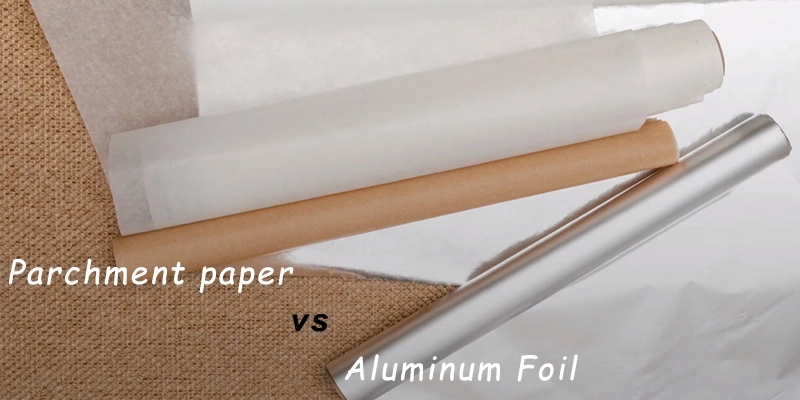
Alright, settle in, folks, grab your (metaphorical) coffee, because we're about to dive into a culinary debate that's probably keeping exactly zero people up at night. But hey, if you're anything like me, you've probably stared into your baking drawer, eyes wide with confusion, wondering: is parchment paper actually safer than that shiny, crinkly stuff, aluminum foil? It's a question as old as time, or at least as old as the invention of both these kitchen superheroes.
Let's face it, foil has been our ride-or-die for ages. Wrapped up a rogue sandwich? Foil. Covered that lasagna like a precious jewel? Foil. Tried to make a makeshift hat out of it during a particularly dull moment? Also foil. It’s the duct tape of the kitchen, and we love it for its versatility and that satisfying riiiiiip sound.
But then came parchment paper, all elegant and non-stick, like the sophisticated cousin who brings organic kale to the potluck. It promises a world where nothing sticks, a culinary nirvana where your delicate cookies slide off the baking sheet like greased lightning. And this, my friends, is where the real question begins. Is this fancy paper actually better for us? Or are we all just being duped by some marketing genius who convinced us that a slightly less sticky surface is a health upgrade?
Let's start with our old friend, aluminum foil. This shiny warrior has been battling burnt bottoms and sticking woes for decades. And for the most part, it's done a darn good job. But there's a little whisper of doubt that occasionally creeps into our culinary consciousness. You see, aluminum is a metal, and like any metal, under certain extreme conditions, it can… well, let's just say it can get a bit chatty with your food. Think super acidic foods, like tomatoes or citrus, when heated for a long time. Some studies, with very, very enthusiastic researchers, have suggested that a tiny, practically microscopic amount of aluminum might leach into your food.
Now, before you throw out all your foil and start crafting edible tin-foil hats to ward off the metal invaders, let's pump the brakes. The amounts we're talking about are minuscule. We’re talking trace amounts that are far, far less than what you might get from, say, that antacid you popped earlier, or even from drinking tap water. The FDA and other regulatory bodies have deemed aluminum foil safe for its intended cooking purposes. So, unless you're marinating a whole hog in lemon juice inside a foil packet for three days straight, you're probably going to be just fine.
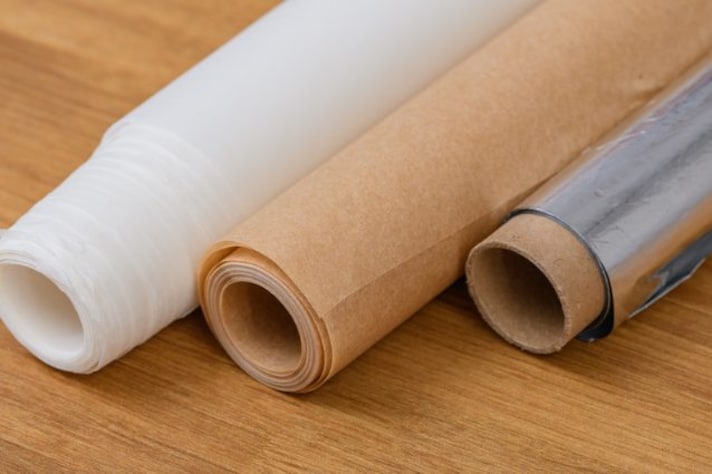
However, the science-averse among us (myself included, when it’s past 8 pm) might hear "leaching" and immediately envision ourselves turning into sentient aluminum cans. This is where parchment paper swoops in, like a benevolent culinary angel, with its silicone-coated goodness. Parchment paper, also known as baking paper or even greaseproof paper if you’re feeling fancy, is essentially paper that’s been treated with silicone. This silicone is what makes it non-stick and, crucially, heat-resistant.
So, what’s the big deal about silicone? Well, unlike that potential aluminum whisper, silicone is generally considered inert. That means it’s not likely to have any dramatic chemical reactions with your food, even when subjected to the fiery inferno of your oven. It’s like the quiet, reliable friend who never causes drama. It just sits there, doing its job, and letting your food shine.

Think about it: have you ever accidentally scorched a piece of parchment paper? It might get a little crispy, maybe even a bit brown, but it doesn’t tend to melt, fume, or generally act like it's having an existential crisis. Aluminum foil, on the other hand, can sometimes get a bit… melty if you’re not careful, especially if you're cooking at incredibly high temperatures or using it to broil something that's practically a volcanic rock.
The Great Sticking Debate: A Comedy of Errors
Let's talk about the real reason we reach for these kitchen aids: the dreaded sticking. Nothing is more soul-crushing than spending hours crafting the perfect batch of cookies, only to have them fuse to the baking sheet like they’ve declared eternal love. Parchment paper is the undisputed champion here. It's like a little culinary bodyguard for your treats. Your cookies, muffins, fish fillets – they all glide off like they're auditioning for an ice-skating show. Zero effort required.
Aluminum foil, bless its crinkly heart, can sometimes put up a fight. While it’s decent for lining a pan to make cleanup easier, it’s not always the guaranteed non-stick superhero that parchment paper is. You might still get a little bit of cling, requiring a gentle coaxing or, in the worst-case scenario, a furious scraping session that makes you question your life choices.
Health Huh? The Nuance of "Safer"
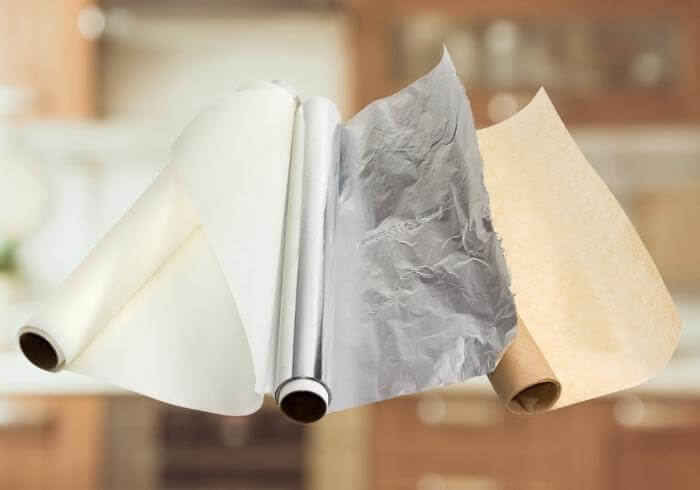
Now, back to the juicy stuff: safety. Is parchment paper definitively safer? In most everyday cooking scenarios, the difference is so negligible it’s almost comical. The scientific consensus is that both are safe when used as directed. However, if you're someone who truly worries about every single molecule that enters your body, or if you regularly cook very acidic foods at high temperatures for extended periods, parchment paper might offer a slight psychological edge.
Think of it this way: aluminum foil is like your trusty, slightly noisy, but overall reliable car. Parchment paper is like that newer, quieter, eco-friendly electric car. Both get you where you need to go, but one might have a few more bells and whistles and a slightly smoother ride for the hyper-vigilant among us.

Surprising Facts That Might Blow Your Baking Mind
- Did you know that some parchment paper is bleached with chlorine? Yeah, not exactly an angelic endorsement. However, most modern parchment paper is chlorine-free, so look for that label if you’re concerned. It’s like choosing between a fluffy cloud and a slightly less fluffy cloud.
- Aluminum foil can actually be reused! As long as it's not too grimy or punctured, you can rinse it off and use it again. It's a great way to be a bit more eco-friendly and wallet-friendly. Imagine, your foil becoming a seasoned veteran of many meals!
- Parchment paper is biodegradable and compostable (check your local guidelines, of course!). So, while it might not be as reusable as foil, it does have a more… graceful exit from this world. It’s the Marie Kondo of kitchen disposables – it brings joy to your baking and then gracefully departs.
So, what’s the verdict? Should you ditch your foil for parchment paper like it’s yesterday’s news? Not necessarily. Aluminum foil is still a fantastic tool in the kitchen, especially for wrapping, covering, and creating those handy little packets for grilling. It’s durable, versatile, and affordable.
Parchment paper, on the other hand, truly shines when it comes to non-stick performance and providing that extra layer of peace of mind for those who are extra cautious. It’s the secret weapon for perfectly baked goods and incredibly easy cleanup. It’s the ingredient that says, "I’m here to make your baking life easier and cleaner."
Ultimately, the choice is yours, and honestly, you can’t go too wrong with either. Unless you’re planning on entering a competitive foil-sculpting contest or baking a cake in a molten lava flow, both will serve you well. Just remember to use them as intended, and happy baking!