
Is Stainless Steel Harder Than Carbon Steel
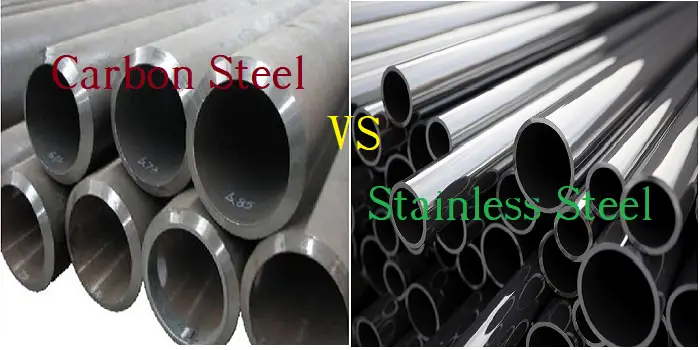
Hey there, science nerds and kitchen utensil enthusiasts! Ever stared at your shiny cutlery or that trusty old frying pan and wondered, "What's the deal with steel?" Specifically, you've probably heard whispers of two steel superstars: stainless steel and carbon steel. They both sound tough, right? But are they, like, equally tough?
Today, we're diving headfirst into a super fun, surprisingly juicy debate: Is stainless steel harder than carbon steel? Grab your favorite mug (maybe it's even made of one of these steels!) and let's get chatting.
The Great Steel Showdown!
Imagine a playground. You’ve got your classic, slightly grimy, but totally reliable kid – that’s your carbon steel. Then you’ve got the new kid, all shiny and polished, probably wearing a fancy tracksuit – that’s your stainless steel. Who wins in a tug-of-war? It’s not quite that simple, and that’s what makes this so darn interesting!
See, "harder" isn't a single, simple answer. It's like asking if a cat is faster than a dog. Well, sometimes! It depends on the cat, the dog, and whether there's a laser pointer involved.
Carbon Steel: The O.G. Tough Guy
Let’s start with our pal, carbon steel. This stuff is the OG. It’s been around forever. Think medieval swords, old-school tools, and yes, those amazing cast iron pans that your grandma probably wielded with masterful skill. What makes it tick? It’s basically just iron with a healthy dose of carbon. That carbon is the secret sauce, the MVP, the thing that gives it its backbone.
The more carbon you pack in, the harder the steel gets. It’s like adding more spices to your chili – it brings out the punch! But there’s a trade-off. Higher carbon content can sometimes make steel a bit more brittle. Imagine a super-hard candy – it’s tough, but snap it too hard, and it might shatter.
So, when we talk about hardness in carbon steel, we’re usually talking about its ability to resist scratching and wear. And some of the highest carbon steels out there can get ridiculously hard. We're talking about numbers that would make a diamond blush (okay, maybe not that much, but you get the idea!). These super-hard carbon steels are often used for things that need to stay sharp, like razors or fine cutting tools.
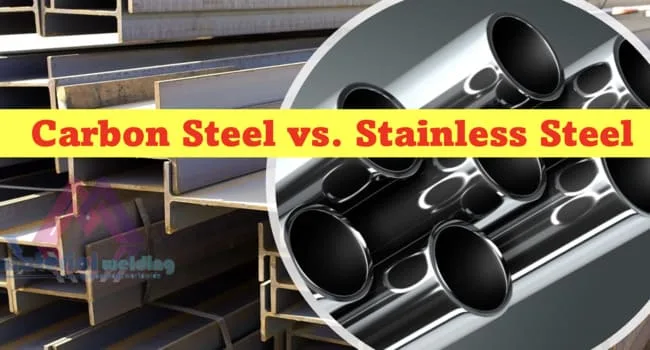
Stainless Steel: The Shiny, Rust-Resistant Champion
Now, enter stainless steel. This is the rockstar of the kitchen drawer. It’s shiny, it doesn’t rust (major win!), and it looks darn good doing its job. But how does it stack up in the hardness department?
Stainless steel’s superpower is its chromium content. We're talking at least 10.5% chromium. This stuff forms a microscopic, invisible layer of oxide on the surface. It’s like a force field against rust and corrosion. Pretty neat, huh?
But here’s where it gets tricky. Stainless steel is a whole family of alloys. There are lots of different types, each with slightly different recipes. Some stainless steels are designed for strength, others for flexibility, and some for that glorious shine. This means you can’t just point to "stainless steel" and say it’s harder or softer than "carbon steel." It’s like comparing a whole zoo to a single type of bird – there’s a lot of variation!
So, Who's Harder? The Nuance is the Fun!
Alright, let’s get to the burning question. Is stainless steel harder than carbon steel? The answer, my friends, is… it depends! Gasp!

Think of it this way: You can have a very soft carbon steel and a very hard stainless steel. And you can have a very hard carbon steel and a relatively softer stainless steel. It’s a tango, not a knockout punch.
Generally speaking, when people talk about high-performance cutting tools, they often lean towards high-carbon steels. Why? Because you can engineer them to be incredibly hard and hold a very sharp edge. Think of those incredibly precise surgical instruments or those fancy chef’s knives that can slice a tomato thinner than a whisper. Many of those are likely carbon steel or a very specialized stainless alloy.
However, there are also some fantastic stainless steel alloys that are designed to be incredibly hard and wear-resistant. These are often found in higher-end knives, industrial applications, or even in firearms where durability is key. They might not reach the absolute peak hardness of the absolute hardest carbon steels, but they get pretty darn close while offering that sweet rust resistance.
Here's a fun quirky fact: The term "hardness" itself can be measured in different ways! There's Mohs hardness (which uses minerals to scratch each other), Rockwell hardness (which uses a diamond indenter), and Vickers hardness. So even the scientists have to get specific!
Why This Nerdiness is Actually Useful (and Fun!)
So, why should you care about this steel-versus-steel kerfuffle? Well, it helps you understand the tools you use every day!

Your favorite chef's knife: If it's a workhorse that you baby (oil it, dry it carefully), it might be carbon steel, prized for its edge-holding ability. If it's the one you leave in the sink and it still looks good, it's probably stainless, and you're enjoying its low maintenance.
Your trusty screwdriver: You want that to be tough and not strip screws. Likely a harder steel, could be carbon or stainless depending on the quality and intended use.
Your shiny watch: Definitely stainless steel, because looking good and not turning your wrist green is paramount!
The fun part is realizing that different materials are chosen for different jobs. It's like picking the right tool for the right task. A hammer won't work for screwing in a lightbulb, and a delicate paintbrush isn't ideal for demolition.
The Verdict (Sort Of!)
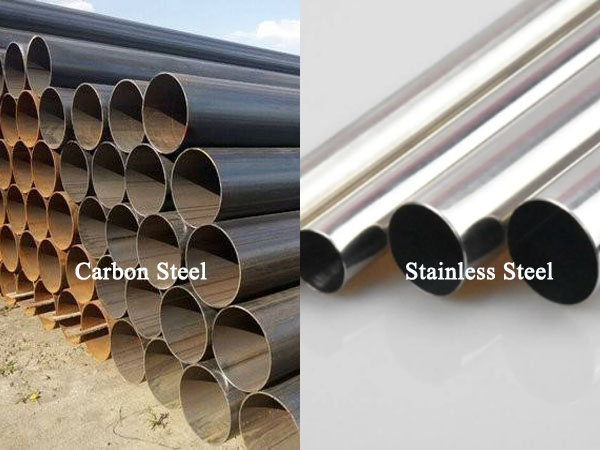
So, back to our playground analogy. Is the shiny new kid harder than the classic? Sometimes. Can the classic kid get tougher? Absolutely. It all comes down to the specific composition and heat treatment of the steel.
High-carbon steels can often be made harder and hold a sharper edge. That's their claim to fame. They require more care, though!
Stainless steels offer a fantastic balance of properties, including good hardness, excellent corrosion resistance, and easier maintenance. Some are engineered to be exceptionally hard, rivaling many carbon steels.
So, the next time you're admiring your kitchen knives or grabbing a tool, take a moment. Wonder about its steel. Is it a carbon steel warrior, ready for battle but needing a polish? Or a stainless steel superhero, effortlessly resisting the elements? The answer isn't a simple yes or no, and that's precisely what makes the world of steel so endlessly fascinating!
Keep wondering, keep exploring, and keep appreciating the amazing materials that make our lives easier and more interesting!