
Is Steel A Natural Resource

Hey there, curious minds! Ever stopped to think about that sturdy, shiny stuff we call steel? You know, the stuff that makes up skyscrapers, bridges, cars, and even your trusty bicycle? It’s everywhere, right? So, a question pops into my head, and I thought, "Why not share this little brain tickle with all of you?" The big question is: Is steel a natural resource?
It sounds like a simple question, doesn't it? Like asking if a tree is a natural resource. Well, a tree definitely is, plucked straight from the earth. But steel? That feels a bit… manufactured. Let's dive in, shall we? No need to grab your textbooks; we’re keeping this chill.
First off, what is a natural resource? Think of it as something found in nature that humans can use. Water, air, sunlight, trees, rocks, minerals – these are all classic examples. They exist whether we’re around or not. Pretty straightforward, huh?
Now, let’s talk about steel. What’s the secret sauce? At its heart, steel is mostly iron. And iron? That’s definitely a natural resource! We dig it out of the ground in the form of iron ore. Think of it like finding hidden treasures, but instead of gold coins, we’re finding rocks packed with iron.
So, we’ve got the iron ore, which is natural. But then things get a bit more… involved. To turn that raw iron ore into the strong, versatile steel we know, we need to do some serious work. We’re talking about melting, mixing, and refining. It’s kind of like baking a cake. You start with flour, sugar, and eggs (natural ingredients, of course!), but you can’t just eat them raw. You need to mix them up, bake them, and voilà – a delicious cake!

Steel is like that, but on a much grander, industrial scale. We take that iron ore and heat it up to incredibly high temperatures. This usually happens in a blast furnace – a giant, fiery beast. Inside, we add other ingredients, most notably carbon. Just a little bit of carbon, usually less than 2%, makes a huge difference. Without the carbon, we’d just have iron, which is a bit softer and rusts more easily.
This addition of carbon is what transforms the iron into steel. It’s like adding a secret spice that changes the whole flavor profile. And it’s not just carbon! We often add other elements too, like chromium, nickel, or manganese, to create different types of steel with specific properties. Stainless steel, for example, gets its rust-resistant shine from chromium. Pretty neat, right?
So, where does that leave us?
If steel is made from natural iron ore and natural carbon (and other elements), but requires a whole lot of human intervention to become steel, can we call it a natural resource? It’s a bit of a grey area, isn't it? It’s like asking if a loaf of bread is a natural resource. The wheat and water are natural, but the bread itself is a product of human effort.
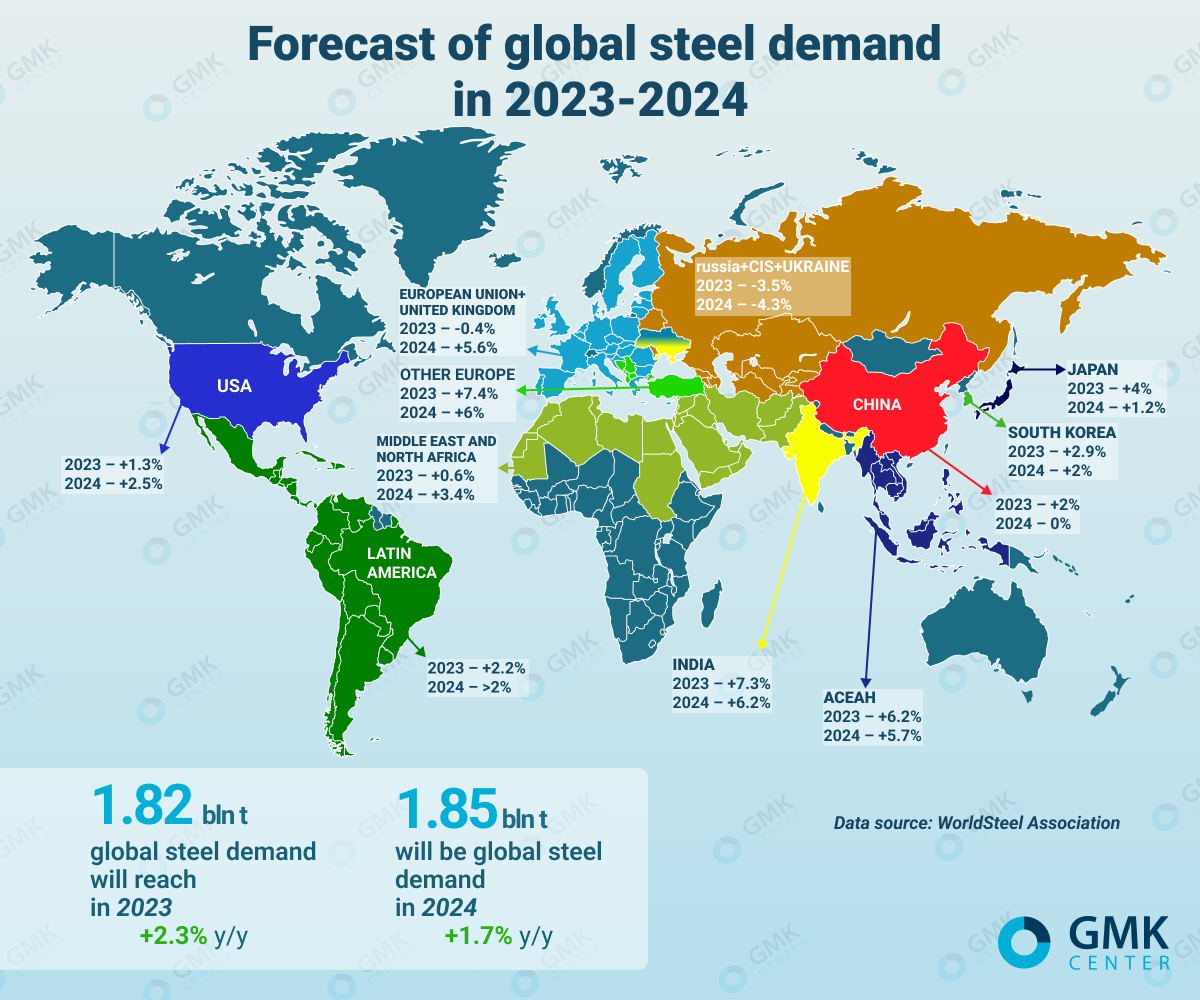
Most people would say that iron ore is the natural resource, and steel is a manufactured product or an alloy derived from natural resources. It’s like the difference between a diamond in the rough, found deep in the earth, and a dazzling diamond ring polished and set by a jeweler. The diamond itself is natural, but the ring is the result of craftsmanship.
Think about it this way: we can’t just go out into a forest and find a pile of ready-made steel beams, can we? No way! We have to extract the iron ore, transport it, and then put it through a complex, energy-intensive process to create steel. That process is 100% human-driven.
Why is this distinction cool?
Well, it helps us appreciate the ingenuity of humans! We take basic elements from the earth and transform them into materials that have completely reshaped our world. Imagine a world without steel! No Eiffel Tower, no Golden Gate Bridge, no sturdy car frames protecting us on the road. It would be a vastly different, and probably much less advanced, place.
It also highlights the importance of sustainability. Since the iron ore itself is finite, we need to be smart about how we use steel. This is where recycling comes in, and it's a big deal! When we recycle steel, we're essentially giving that natural resource a second, third, or even fourth life. It’s like giving that old cake recipe a twist to make something new and delicious again, without needing to go back to the farm for fresh ingredients every time.
Recycling steel is incredibly efficient. It uses a lot less energy than making steel from scratch, and it reduces the need to mine more iron ore. So, next time you see a recycling bin, remember that you’re helping to conserve our precious natural resources, one steel can or car part at a time.
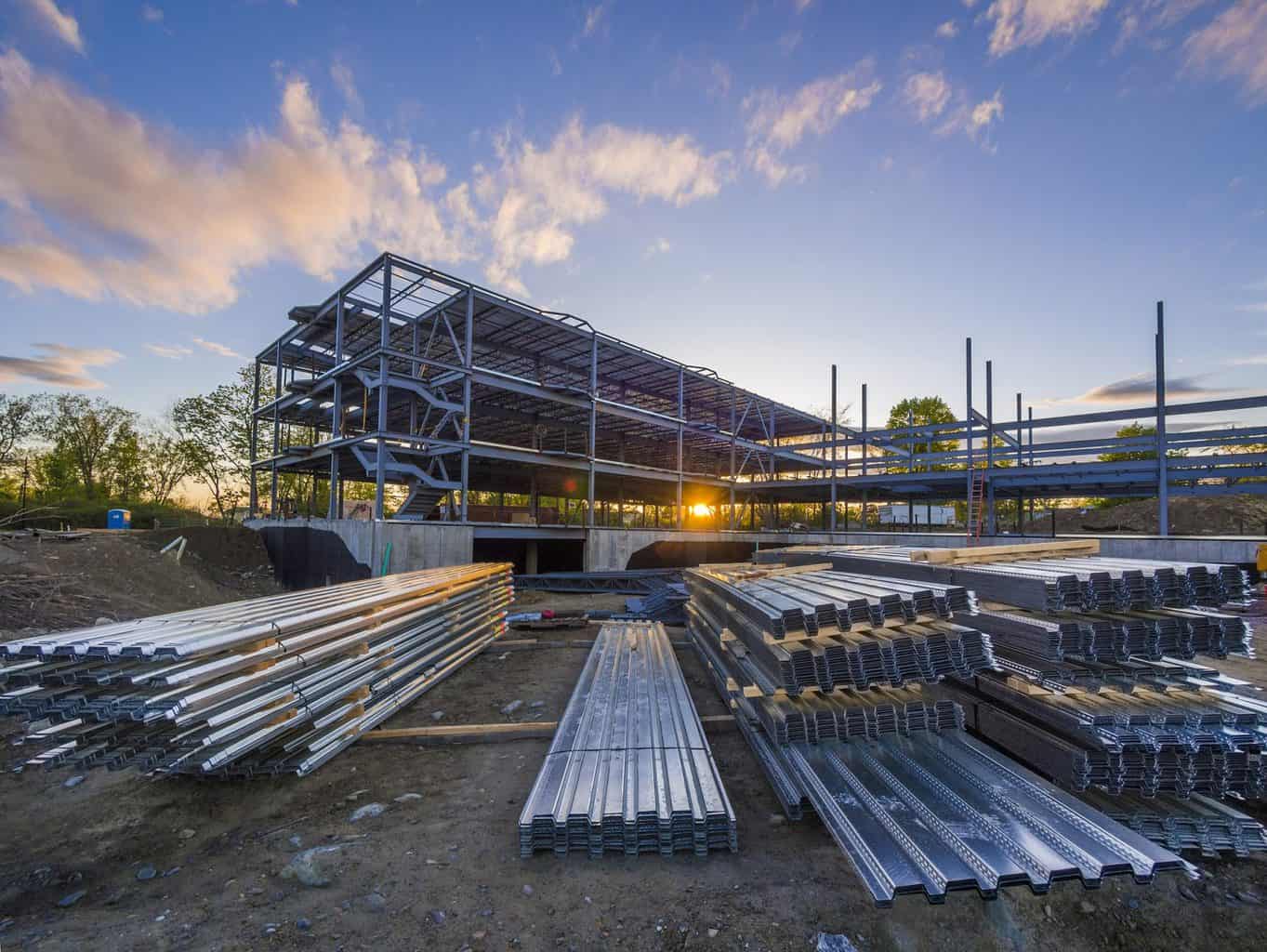
So, to wrap it all up, while the ingredients for steel – primarily iron ore – are absolutely natural resources, steel itself is a manufactured material. It’s a testament to our ability to harness nature’s bounty and transform it into something extraordinary and essential for modern life.
Isn’t that fascinating? We dig up rocks, add a dash of carbon, crank up the heat, and create a material that builds our cities and connects our world. It’s a bit like alchemy, but with science and a whole lot of engineering! So, the next time you lean on a steel railing or drive your car, give a little nod to the earth that provided the raw materials and to the brilliant minds that turned them into the strong, reliable steel we depend on every single day.
Keep asking those curious questions, folks! The world is full of wonders, both natural and human-made.